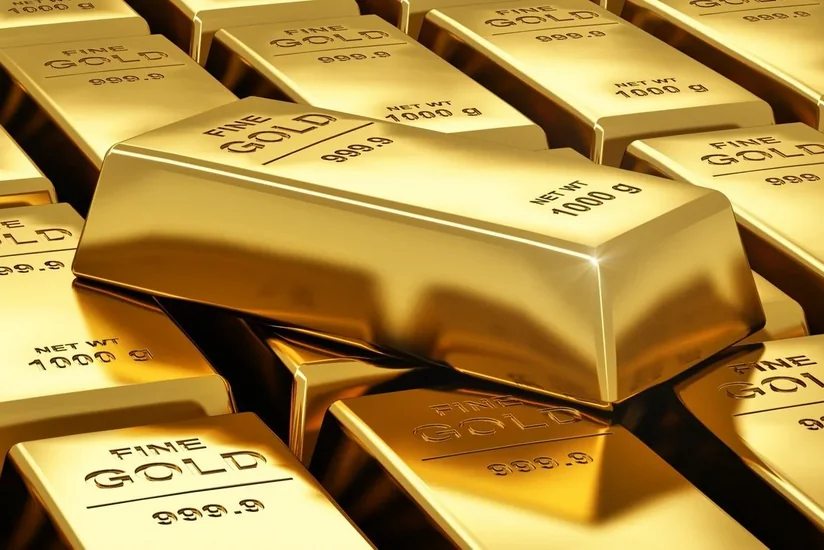
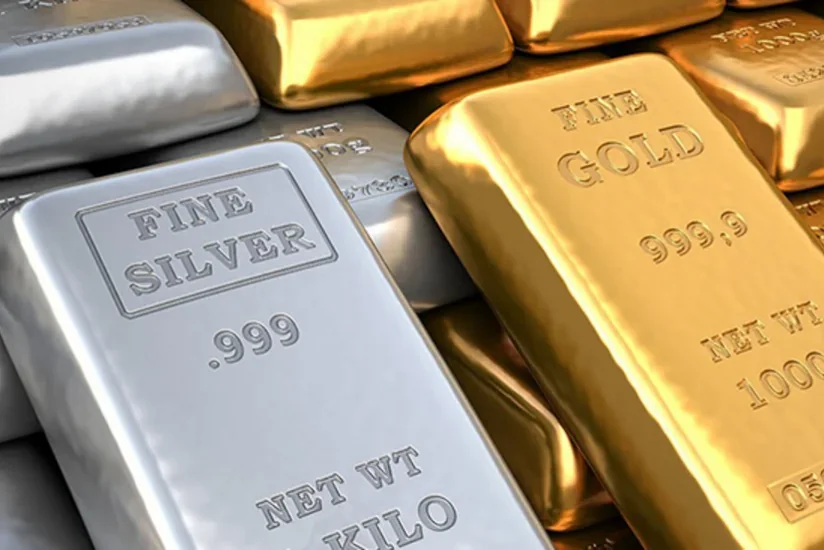
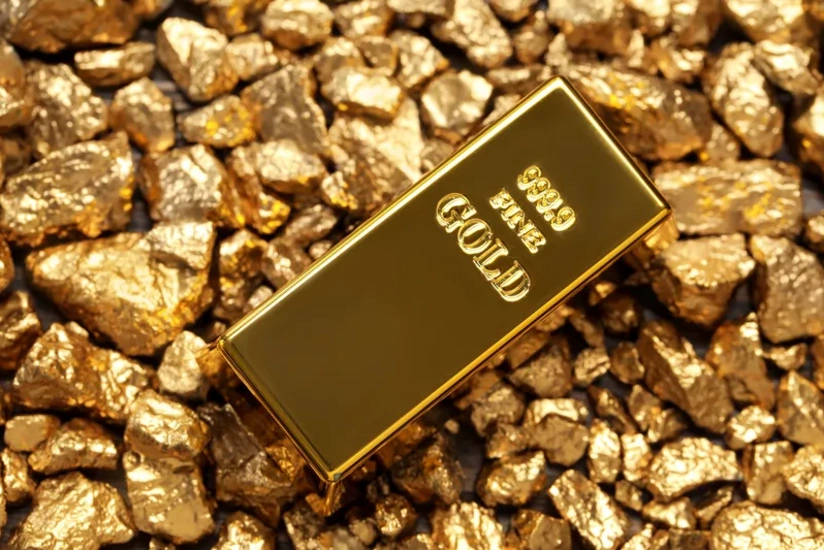
Gold is much more than just a beautiful metal used for jewelry. In the global economy, it is a unique financial asset, the primary "safe haven" tool, and a barometer of global stability.
The price of gold is the current market value at which buyers and sellers are willing to trade physical metal (bars, coins) or linked financial contracts (futures, fund shares). Most often, the price is measured in US dollars per troy ounce (approximately 31.1 grams).
Gold performs several critical functions in the modern economy:
Protection Against Inflation and Crises: Paper money devalues over time, and companies can go bankrupt. Gold, however, has intrinsic value and is physically indestructible. Investors buy it to preserve the purchasing power of their capital.
State Reserve Asset: Central banks worldwide (including the Central Bank of Azerbaijan) hold a portion of their foreign exchange reserves in gold bullion. This guarantees a state's financial independence during global upheavals or sanctions.
A Benchmark for Industry and Jewelers: The cost of the raw material directly determines the final price of jewelry, as well as electronics and medical equipment where gold is used for its unique conductive properties.
Speculative Tool: Traders on exchanges earn profits from fluctuations in the gold rate by buying low and selling high.
No single government, president, or bank in the world can set the price of gold by decree. It is formed exclusively through free market trading.
The primary platforms where the global price is determined are:
London Bullion Market Association (LBMA): This is where the "London Fix" occurs. Twice a day, major banks agree on a price that balances the current supply and demand of physical gold. This figure becomes the benchmark for the entire world.
COMEX Exchange in New York: Here, the focus is less on the physical metal itself and more on paper contracts (futures) tied to it.
The price of gold is a living organism that reacts sensitively to world events. Key drivers include:
The US Dollar Exchange Rate: Traditionally, gold and the dollar move in opposite directions. Since gold is traded in dollars, a weakening of the US currency makes the metal cheaper and more attractive for buyers using other currencies, pushing demand and prices up.
US Federal Reserve (Fed) Interest Rates: Gold does not yield passive income (unlike bank deposits or bonds). If central banks lower interest rates, keeping money in the bank becomes less profitable, and investors shift capital into gold, driving up its price.
Geopolitics and Fear: Wars, pandemics, trade conflicts, and political instability cause investors to panic and move away from risky assets (stocks) into the "safe haven" of gold.
Physical Supply and Demand: Mining gold from the earth is a complex and limited process. If jewelry demand (for example, during wedding seasons in India or China) rises and production cannot keep up, the price goes up.
Currently, the global gold market is experiencing a historic boom. The price has firmly settled at record highs, trading above $2,580 per troy ounce.
Why is this happening right now?
Dedollarization: Central banks in many countries (particularly China, India, and BRICS nations) are aggressively buying thousands of tons of physical gold, seeking to reduce their dependence on the US dollar and the American financial system.
Geopolitical Tension: Instability in the Middle East, the shipping crisis in the Red Sea, and global uncertainty are forcing investors to hedge their risks.
Economic Expectations: Investors are pricing in expectations that global central banks will be forced to lower interest rates to stimulate the economy, making gold a mathematically more attractive asset.
Today, gold is an indicator of how concerned the world is about its future. The higher the anxiety, the more expensive the metal.

 Baku 23° C