Following the historic victory in the 2020 Patriotic War, Azerbaijan's most crucial objective became the rapid restoration of its liberated territories and ensuring the safe return of internally displaced persons (IDPs) to their native lands. Serving this supreme goal, the "Great Return" State Program stands as one of the most large-scale, strategic, and socio-economically significant documents ever implemented in the history of independent Azerbaijan.
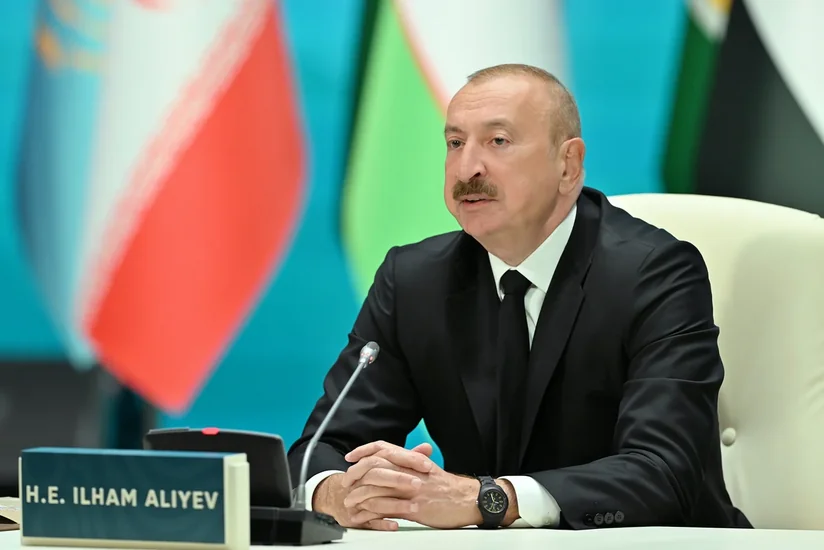
Approved by the relevant Decree of the President of the Republic of Azerbaijan, Ilham Aliyev, the "First State Program on the Great Return to the Liberated Territories of the Republic of Azerbaijan," covering the years 2022–2026, reflects a comprehensive development concept for the Karabakh and Eastern Zangezur economic regions. Furthermore, it presents a globally unique restoration model for the post-conflict period.
The program envisions not only the physical reconstruction of destroyed buildings and infrastructure but also the holistic revival of the region's economic, social, demographic, and cultural potential. The primary goal is to achieve the sustainable return of former IDPs—who have yearned for their homeland for nearly 30 years—by providing them with the highest living standards. According to official targets, by the end of 2026, when the first phase of the State Program concludes, 34,500 families (approximately 140,000 people) are planned to be resettled in the liberated territories.
Activities within the framework of the State Program are carried out in precisely calculated stages and across several priority areas. As Report.az notes, this process utilizes the world's most advanced technologies and management practices:
Demining Operations: The fundamental condition for a safe return is the complete clearance of territories from landmines and unexploded ordnance. The Mine Action Agency of the Republic of Azerbaijan (ANAMA) and other state structures are rapidly continuing this process using modern drones, mechanical demining vehicles, and specially trained dogs.
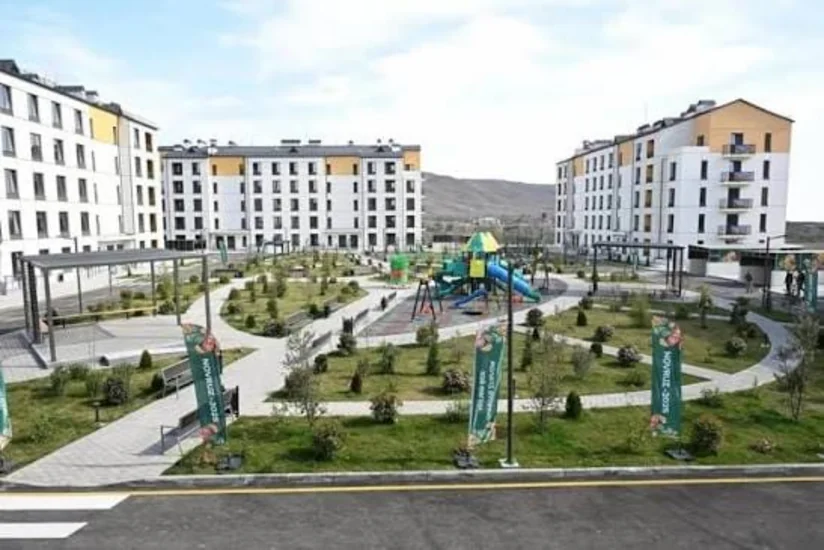
"Smart City" and "Smart Village" Concepts: Reconstruction in the liberated areas is based on "smart" and eco-friendly approaches. Aghali village in the Zangilan district made history as the first successful example of this concept, and this advanced practice is currently being applied to other settlements.
Modern Infrastructure Giants: The region has seen the construction of highways meeting international standards (including the historically significant Victory Road), railway lines, and international airports in Fuzuli, Zangilan, and Lachin. This infrastructure also plays a crucial transit role in the operationalization of the Zangezur Corridor.
Green Energy Zone: Karabakh and Eastern Zangezur have been officially declared a "Green Energy" zone. The construction of hydro, solar, and wind power plants, aiming to fully meet the region's energy needs through renewable sources, is one of the program's primary objectives.
The "Great Return" State Program goes far beyond residential construction; it establishes a robust economic foundation to ensure employment for the returning population. A unique business environment has been formed to attract both local and foreign investments to the region.
Concessions and Industrial Parks: Entrepreneurs and investors operating in these territories receive large-scale tax and customs benefits from the state. They are exempt from profit, property, land, and simplified taxes for a period of 10 years. The Aghdam Industrial Park and the "Araz Valley Economic Zone" Industrial Park in the Jabrayil district are already operational, bringing together dozens of residents. The manufacturing enterprises established here play a decisive role in providing permanent jobs for the returning population.
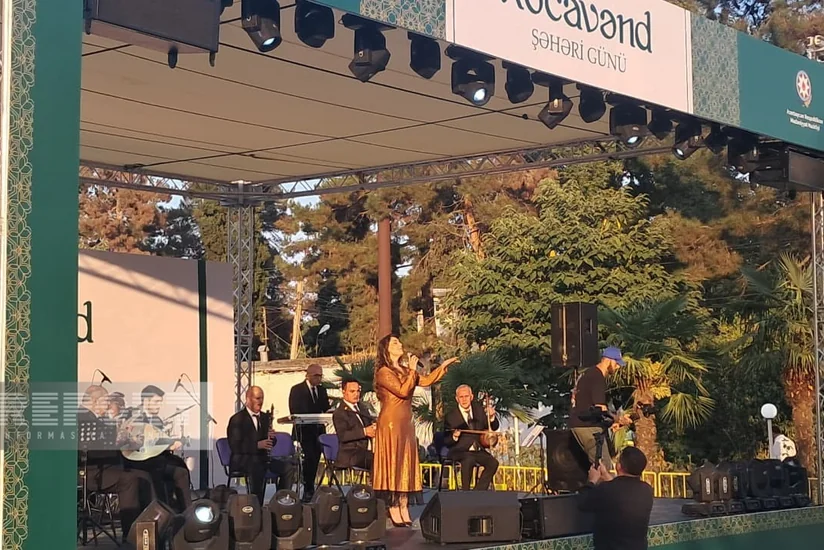
Agriculture and Tourism Potential: Agriculture and tourism serve as the main economic drivers of the region. Cleared fertile lands are being returned to agricultural rotation, while animal husbandry, beekeeping, and horticulture are being actively developed. The declaration of Shusha as the cultural capital, along with the thermal waters and unique nature of Kalbajar and Lachin, will soon transform the region into an international tourism hub.
Karabakh and Eastern Zangezur are rich not only in natural resources but also in historical and cultural monuments. Mosques, churches, museums, and historical mausoleums that were subjected to vandalism during the occupation are being carefully restored by state institutions, led by the Heydar Aliyev Foundation, in strict accordance with their original architectural styles.
In parallel, the education and healthcare infrastructure is being rebuilt to ensure the development of future generations. The establishment of Karabakh University is a prime example of how the region is once again becoming a center for science and education.
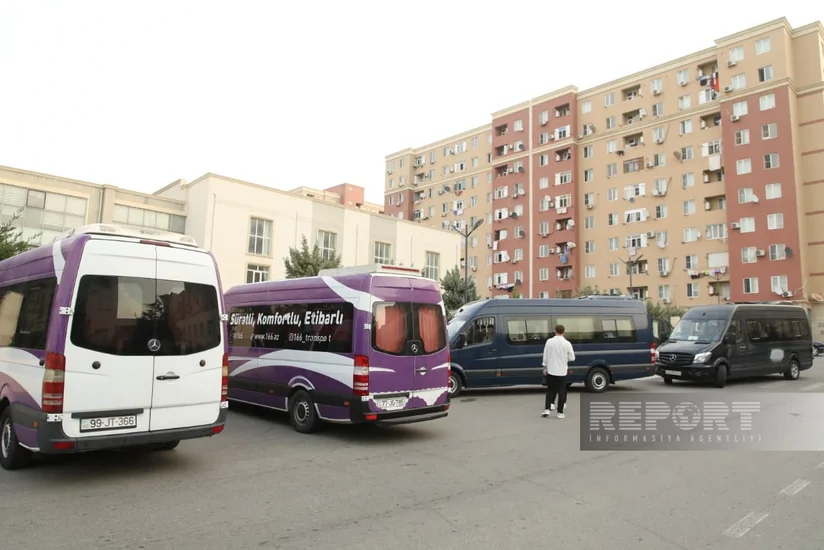
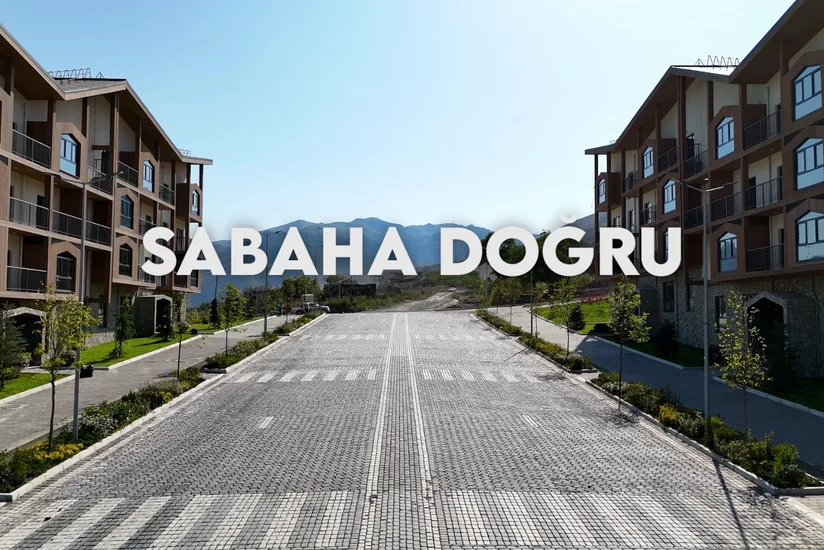
The most sensitive and proudest phase of the "Great Return" is the resettlement of citizens to their native hearths. The relocation process is carried out on a voluntary basis, safely, with dignity, and in stages. The ongoing resettlement of the population to the cities of Shusha, Fuzuli, Lachin, and Jabrayil, as well as to dozens of villages like Zabukh, Sus, and Talish, clearly demonstrates to the world that the "Great Return" is rapidly becoming a reality, rather than remaining just on paper. The state provides resettled families with fully renovated private houses and apartments equipped with modern household appliances.
The "Great Return" is not merely an internal priority for Azerbaijan; it is an unprecedented model of post-conflict reconstruction in global practice. Conducting such massive development work in such a short time without external financial assistance—relying solely on the state's internal resources—proves Azerbaijan's strength, economic potential, and unyielding political will.
The successful implementation of the "Great Return" State Program serves to strengthen peace, security, and cooperation in the South Caucasus region. Thanks to this program, Karabakh and Eastern Zangezur are rising from the ruins, confidently transforming into one of the most developed, prosperous, and modern corners of the country.

 Baku 19° C