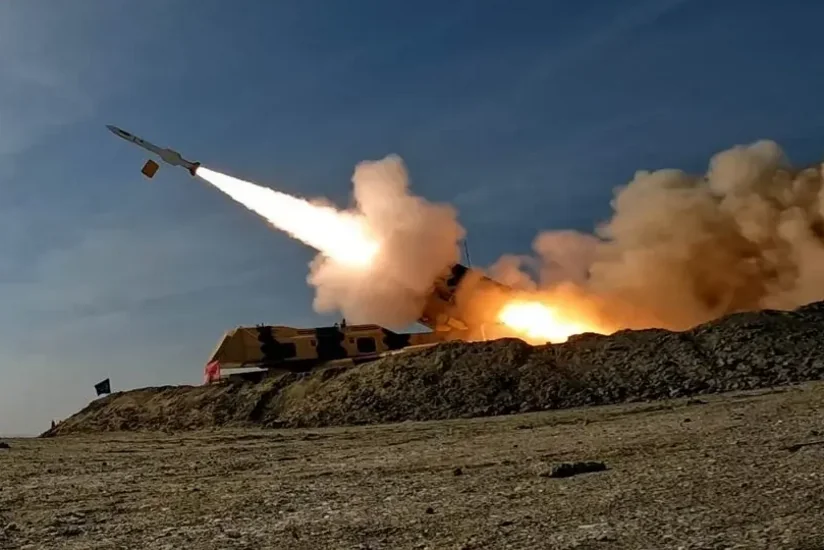
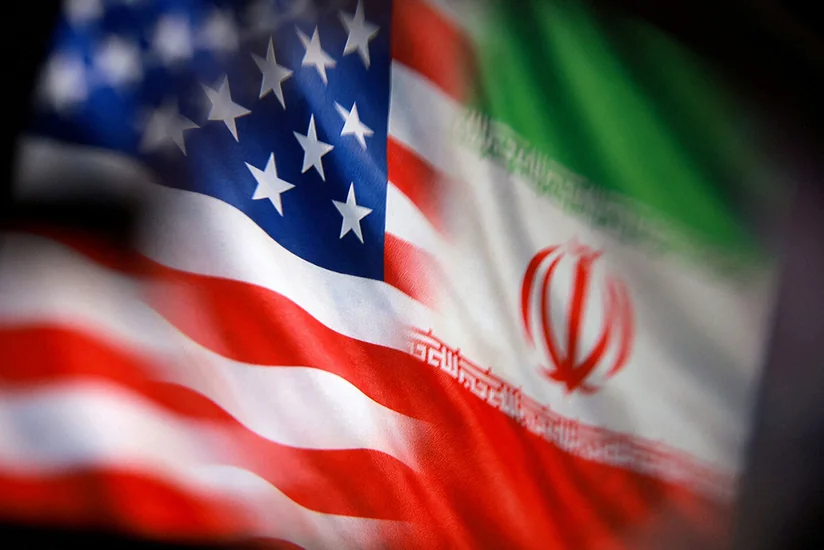
On the morning of February 28, 2026, the Middle East faced an unprecedented military escalation. The Israel Defense Forces (IDF), with direct military support from the United States, launched a series of massive missile and airstrikes against strategic targets across the Islamic Republic of Iran. The military campaign, operating under the codenames "Magen Yehuda" (Shield of Judea) and "Roaring Lion," marks one of the largest direct clashes in the history of US-Iranian and Israeli-Iranian confrontations.
This Report.az material provides a detailed analysis of the event timeline, the geography of the targeted locations, and the official statements from the involved parties amidst a rapidly unfolding global crisis.
The first reports of a series of powerful explosions within Iran began to emerge early Saturday morning. According to Middle Eastern and Western intelligence agencies, the operation had been in preparation for several months and was initiated following intelligence indicating an imminent, large-scale attack on Israel.
More than 30 military and government facilities located in key regions of the country were targeted. The geography of the strikes covered the following cities:
Tehran: The capital bore the brunt of the firepower. Eyewitnesses recorded cruise missile impacts in the vicinity of University Street and the Jomhouri district. Explosions were also reported in the northern Seyed Khandan neighborhood.
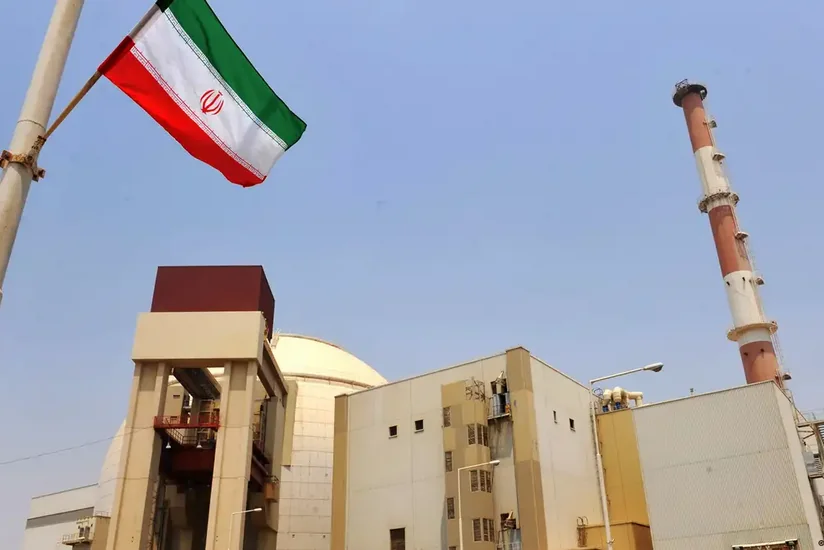
Isfahan: A city surrounded by critical elements of the Iranian nuclear program and its military-industrial complex.
Karaj, Qom, and Kermanshah: In these cities, command centers, Islamic Revolutionary Guard Corps (IRGC) bases, and ballistic missile arsenals were attacked.
International observers paid special attention to reports that seven cruise missiles struck the government quarter in Tehran, in close proximity to the official residence of Iran's Supreme Leader Ayatollah Ali Khamenei and the headquarters of the Supreme National Security Council. According to Reuters, Ayatollah Khamenei had been evacuated to a secure location beforehand.
Israeli Defense Minister Israel Katz officially confirmed the execution of the unprecedented military operation. In an emergency address, he stated that the IDF had carried out a "preemptive strike on Iran to eliminate immediate threats to the State of Israel." Anticipating an immediate retaliatory strike from Iran utilizing ballistic missiles and attack drones, the Israeli government implemented extreme security measures:
Declaration of a State of Emergency: A special "home front" situation was declared nationwide (in accordance with the 1951 Civil Defense Law). Citizens have been instructed to remain near bomb shelters and safe rooms.
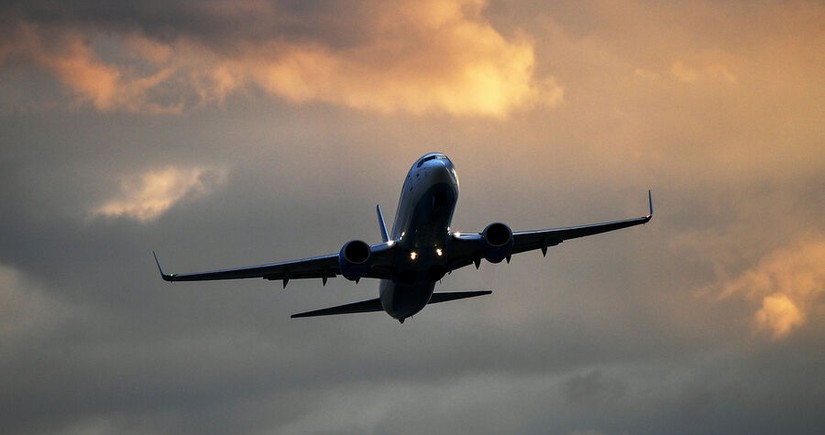
Airspace Closure: Israel's airspace was completely closed to all civilian commercial flights.
Missile Defense Systems: The multi-layered missile defense systems, including Iron Dome, David's Sling, and the Arrow family complexes, were placed on maximum combat alert.
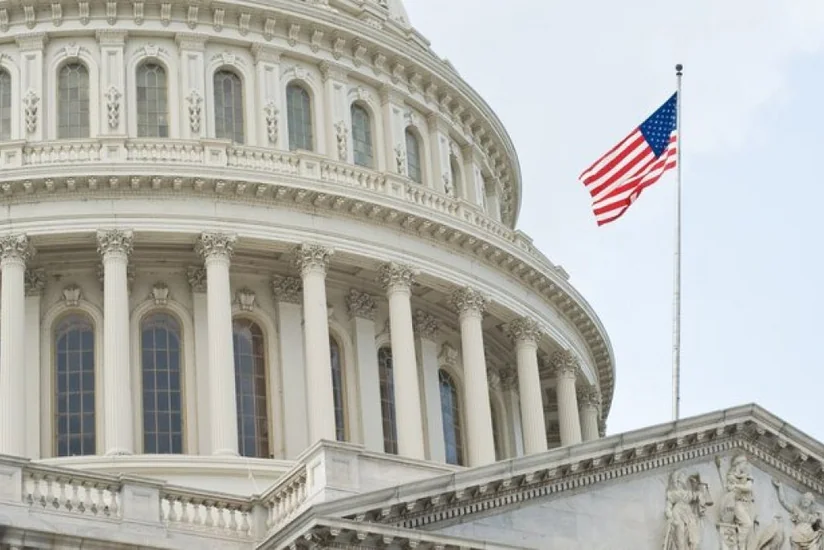
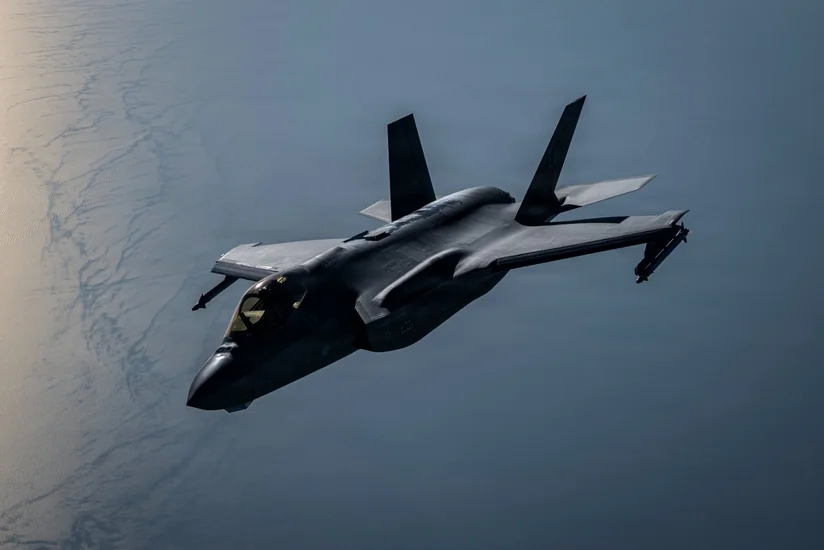
The operation on February 28, 2026, differs fundamentally from previous incidents (such as the strikes on nuclear facilities in June 2025) in that the United States openly took direct military part in it. According to American sources, the Pentagon deployed combat aircraft and naval vessels based in the Middle East.
Leading up to the operation, the US Department of Defense strategically deployed carrier strike groups to the region, led by the USS Gerald R. Ford and USS Abraham Lincoln, ensuring the presence of over 150 combat aircraft.
US President Donald Trump swiftly confirmed the involvement of the American military. In a statement published on the Truth Social network, he emphasized:
"We have launched a massive military operation in Iran. We will not allow the Iranian regime to possess nuclear weapons and will destroy the threat posed by this brutal regime."
The attack followed immediately after the expiration of an American ultimatum issued to Tehran as part of efforts to curtail the Iranian nuclear program. Just days before the strikes began, Washington and London initiated the evacuation of diplomatic personnel from the region, serving as a clear indicator of the impending storm.
The events of the morning of February 28 instantly sent shockwaves through the entire security architecture of Eurasia:
Transport Collapse: Following Israel, Iran and neighboring Iraq completely closed their airspace. Transit commercial flights over the Middle East are paralyzed.
Threat to Energy Corridors: Military analysts forecast an exceptionally high risk of retaliatory attacks by Iran and its regional proxy forces (including Lebanon's Hezbollah and Yemen's Houthis) against US military bases and maritime oil routes in the Persian Gulf.
The Caucasus Reaction: Official Baku and other South Caucasus capitals are closely monitoring the developing situation. Any destabilization in neighboring Iran carries indirect risks for the entire Caucasus region, including border security issues and disruptions to logistics chains in the North-South transport corridor.
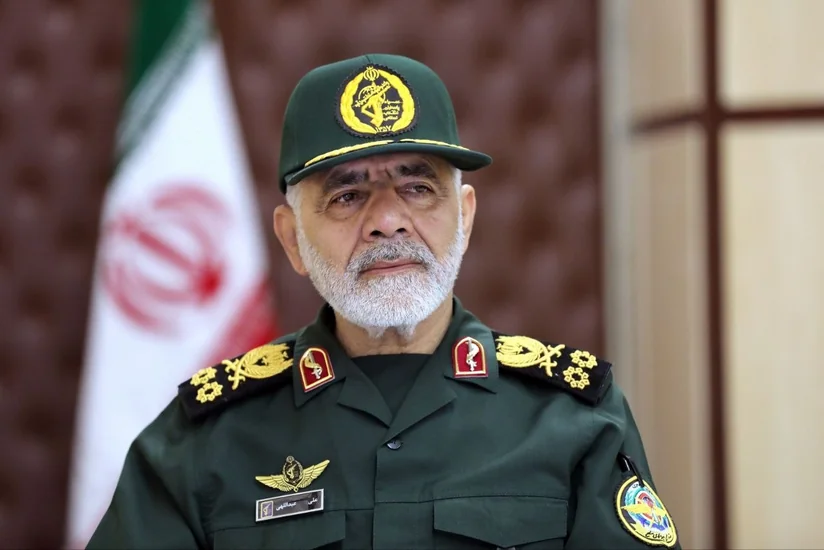
The situation in the Middle East is teetering on the edge of a full-scale regional war. The logic of escalation dictates its own rules: the entire world is now tensely awaiting the official response from the Islamic Revolutionary Guard Corps. The Report.az editorial team continues to monitor international news feeds and official statements 24/7.

 Baku 22° C