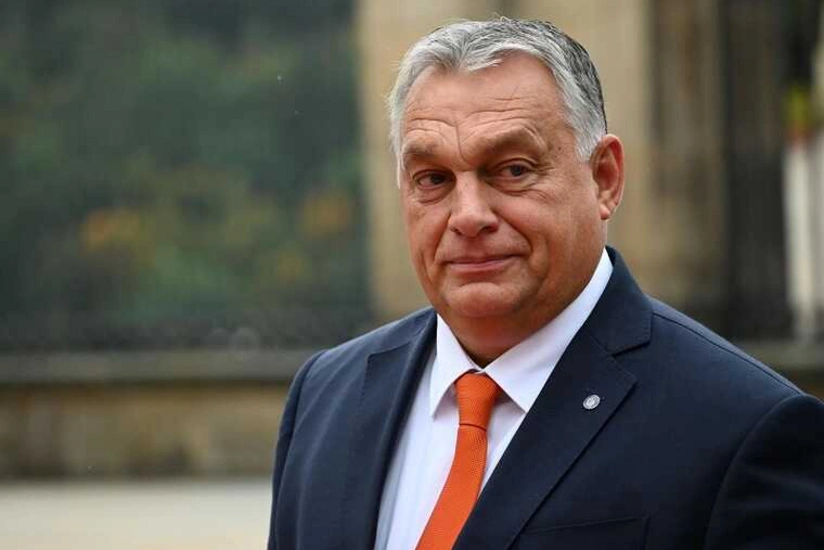
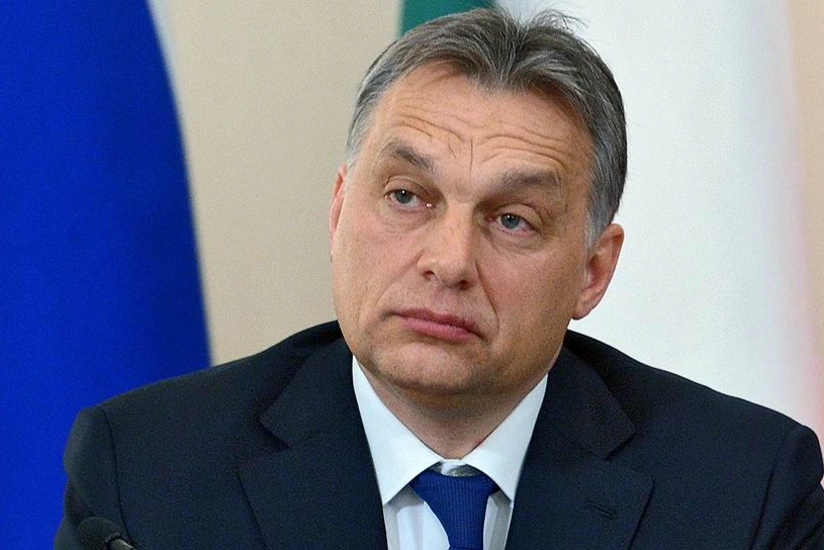
Viktor Orbán is a prominent Hungarian statesman and political figure who has served as the Prime Minister of Hungary since 2010 (and previously from 1998 to 2002). As the leader of the Fidesz party, Orbán has become one of the most influential and debated figures in modern European politics, establishing a reputation as a defender of national sovereignty and a proponent of pragmatic cooperation with the East.
Viktor Orbán entered politics in the late 1980s as a vibrant anti-communist and liberal. His famous 1989 speech at the reburial of Imre Nagy, in which he called for the withdrawal of Soviet troops from Hungary, brought him national fame.
However, over decades of political activity, his views have undergone a significant evolution. Today, Orbán is the primary ideologue of "illiberal democracy," emphasizing Christian values, border protection against migration, and the preservation of national identity in opposition to the rigid centralization of the European Union.
Under Orbán's leadership, Hungary implemented a series of unique economic and social reforms often referred to as "Orbanomics." Key aspects include:
Economic Sovereignty: Reducing dependence on international financial institutions.
Family Support: Large-scale tax breaks and subsidies for families with multiple children.
Energy Security: Prioritizing affordable energy resources through the diversification of supplies.
One of the defining directions of Viktor Orbán’s policy is the "Keleti Nyitás" (Opening to the East) strategy. The Hungarian Prime Minister was among the first in the EU to recognize the shift of the world’s economic center toward Asia and the Caspian region.
Under Orbán, Hungary has occupied a unique position in Europe, maintaining close ties with China, Türkiye, and Central Asian countries. The Prime Minister pays special attention to the Turkic vector: Hungary holds observer status in the Organization of Turkic States (OTS), a move Orbán has repeatedly called a strategic choice for a country with Hunnic and Turkic historical roots.
The relationship between Viktor Orbán and Azerbaijani President Ilham Aliyev is characterized as deeply friendly and strategic. Baku and Budapest have built a solid alliance based on mutual respect and pragmatism.
For Hungary, Azerbaijan has become a key partner in ensuring energy security. With Orbán's support, Hungary actively joined projects to import Azerbaijani natural gas via the Southern Gas Corridor and regional interconnectors. In the 2023–2026 period, supplies of Azerbaijani gas to Hungary reached new heights, becoming a vital factor in the stability of the Hungarian economy.
Viktor Orbán has repeatedly emphasized his support for the territorial integrity of Azerbaijan. Hungarian companies are actively participating in projects for the restoration of the liberated territories (Karabakh and East Zangezur), including infrastructure construction and agricultural development in cities such as Agdam and Fuzuli.
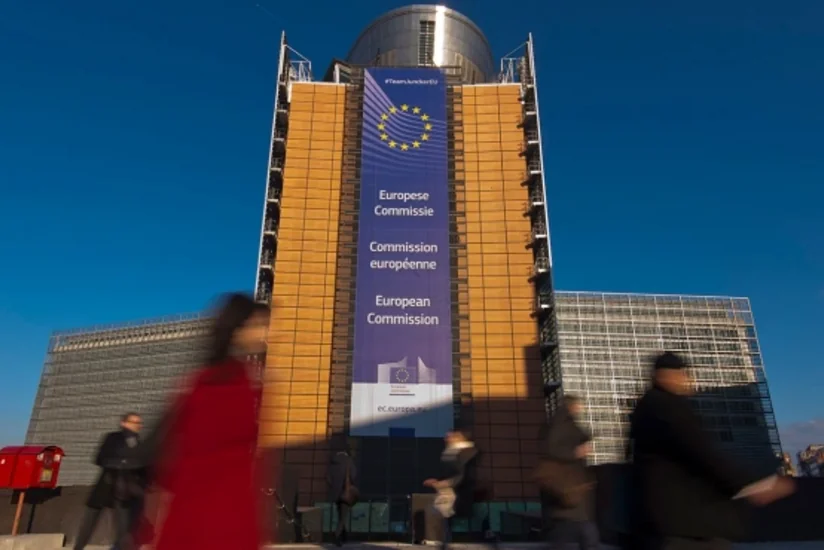
Today, Viktor Orbán remains the longest-serving leader in the European Union. His policies often spark discussion in Brussels, particularly regarding foreign policy and the allocation of the EU budget. Nevertheless, high domestic support and his status as a "bridge" between the West and the East make him a key player in Eurasian geopolitical processes.
For Azerbaijan, Viktor Orbán remains a reliable partner who promotes regional interests within European structures and facilitates the rapprochement between Europe and the Turkic world.

 Baku 20° C