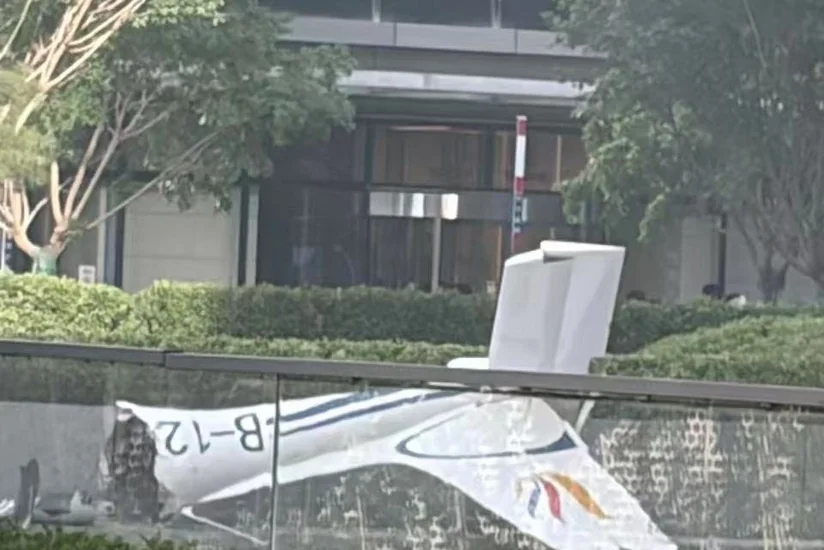
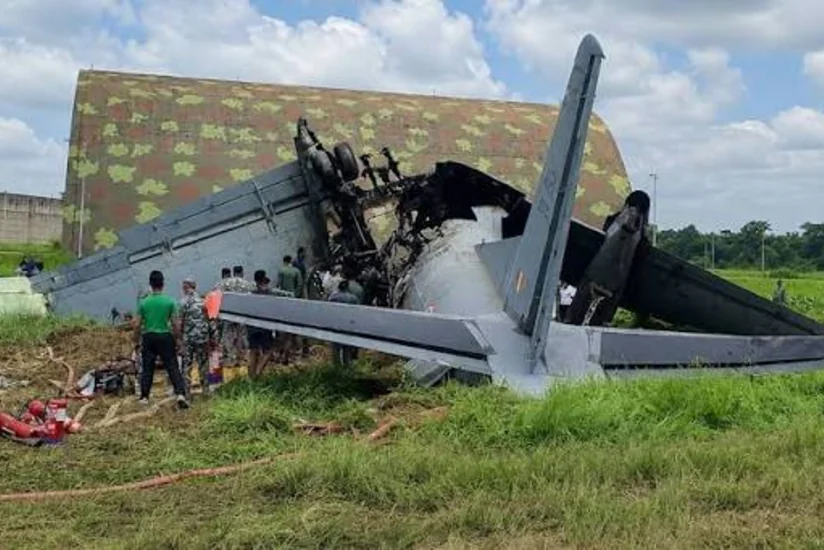
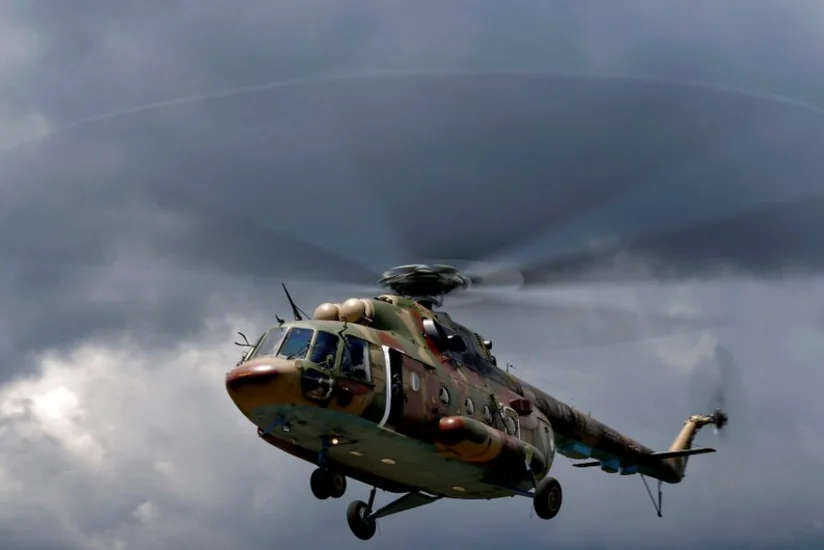
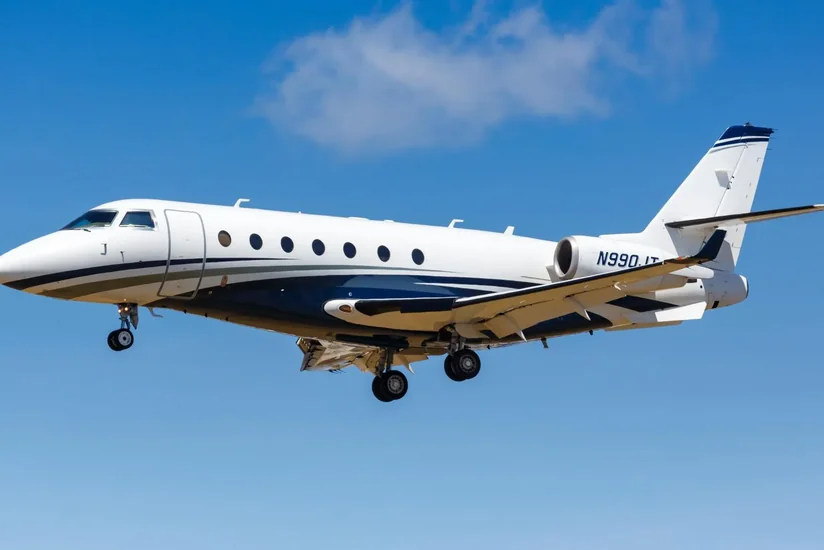
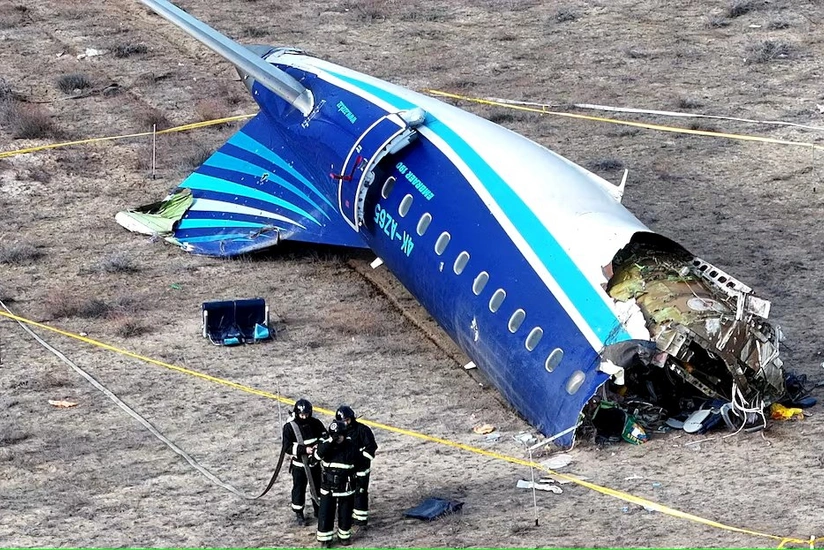
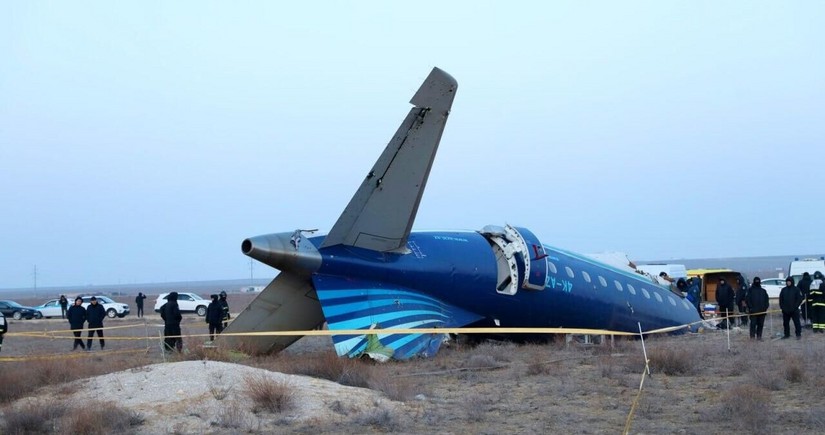
Although commercial aviation remains statistically the safest mode of transportation in the world (the odds of being involved in a plane crash are roughly 1 in several million), every aviation disaster becomes a global shock. In 2026, the air travel industry is undergoing a period of profound transformation, where the integration of artificial intelligence and new quality control standards is designed to reduce risks to an absolute minimum.
According to international aviation regulators (ICAO, FAA, EASA), modern aviation accidents rarely occur due to a single isolated reason. Typically, it is a fatal confluence of circumstances (known as the "Swiss Cheese" model), where multiple layers of defense fail simultaneously.
Human Error (up to 70-80% of incidents): Pilot mistakes in high-stress situations, loss of spatial orientation, crew fatigue, or errors made by ground air traffic control services.
Technical Failures (approx. 15-20%): Engine failure, metal fatigue, assembly defects (which became a particularly pressing issue amidst quality control crises at certain major aircraft manufacturers in 2024–2025), or software glitches in onboard computers.
Weather Conditions (approx. 5-10%): Encountering severe clear-air turbulence (which has become more frequent due to climate change), wind shear (microbursts) during landing, or severe icing of the fuselage.
External Factors: Acts of terrorism, accidental missile strikes in active military conflict zones, or bird strikes.
Below is a timeline of the most high-profile aviation incidents of recent years that have significantly impacted safety protocols across the industry:
Date Airline / Flight Aircraft Type Location Casualties Description and Causes March 2022 China Eastern Airlines (Flight 5735) Boeing 737-800 Guangxi, China 132 The aircraft entered a near-vertical dive. The official investigation faced immense difficulties in decoding motives or technical failures. January 2023 Yeti Airlines (Flight 691) ATR 72-500 Pokhara, Nepal 72 A crash during landing approach. The cause was the accidental feathering of the propellers by both pilots, leading to a loss of thrust and an aerodynamic stall. January 2024 Japan Airlines (Flight 516) Airbus A350-900 Tokyo (Haneda), Japan 5 (on ground) A runway collision with a Coast Guard aircraft. The Evacuation Miracle: All 367 passengers of the A350 survived thanks to the crew's flawless execution during the fire. August 2024 Voepass Linhas Aéreas (Flight 2283) ATR 72-500 São Paulo, Brazil 62 Entered a flat spin and crashed into a residential area. Preliminary data pointed to severe icing conditions that the anti-icing system failed to overcome. March 2026 US Military Transport Aviation KC-135 Stratotanker Iraq TBD Military Incident: The crash of a refueling tanker during CENTCOM's Operation "Epic Fury," demonstrating the high logistical risks in active combat zones.Every disaster is a lesson learned in blood. Today, aviation safety relies heavily on preventative measures:
Predictive Maintenance: AI-driven systems analyze terabytes of data from aircraft sensors in real-time, predicting the wear and tear of components (e.g., turbine blades) before they actually fail.
Modernization of "Black Boxes": 2026 continues to see the mass implementation of flight data recorders that not only store parameters within a titanium capsule but also stream critical telemetry data directly to satellites in the event of an emergency (Cloud Black Box).
Automated Collision Avoidance: Upgraded TCAS and Auto-GCAS (Automatic Ground Collision Avoidance System) are now capable of seizing control from the pilot if the onboard computer detects an imminent and unavoidable threat.
Despite the sensational headlines, aviation is constantly improving. Rigorous standards for training and certification, combined with the implementation of digital technologies, make the skies of 2026 safer than at any other point in human history.

 Baku 25° C