Novruz is more than just a date on the calendar; it is the starting point of a new life for millions. In Azerbaijan, it holds a sacred place as a symbol of nature's renewal, spiritual purification, and steadfast loyalty to centuries-old traditions. In 2026, the vernal equinox occurred on March 20 at 00:04 Baku time, marking the start of astronomical spring in the Northern Hemisphere.
The roots of Novruz reach back to deep antiquity, specifically the era of Zoroastrianism and the cult of the Sun. Historians estimate the holiday’s age to be between 3,700 and 5,000 years. Despite changing eras and political regimes, the Azerbaijani people have managed to preserve the authenticity of this celebration.
Since September 30, 2009, Novruz has been included in the UNESCO Representative List of the Intangible Cultural Heritage of Humanity. Furthermore, the UN General Assembly recognized March 21 as the "International Day of Novruz," highlighting its peacekeeping mission of promoting solidarity and good neighborliness.
Preparation for Novruz begins a month in advance. In Azerbaijan, four pre-holiday Tuesdays are celebrated, each dedicated to one of the natural elements:
Su Charshenbesi (Water Tuesday): It is believed that rivers and springs come to life on this day, as water is renewed and gains healing properties.
Od Charshenbesi (Fire Tuesday): Dedicated to the Sun and warmth. Traditionally, bonfires are lit to symbolize purification.
Yel Charshenbesi (Wind Tuesday): The time when the spring breeze awakens nature and coaxes the buds of trees to open.
Torpag Charshenbesi (Earth Tuesday): The final stage of preparation when the earth is fully warmed and ready for sowing.
The central attribute of the holiday is the Khoncha—a large tray with Semeni (sprouted wheat tied with a red ribbon) rising proudly in the center. Semeni represents fertility and prosperity.
The Novruz festive menu is a culinary cipher:
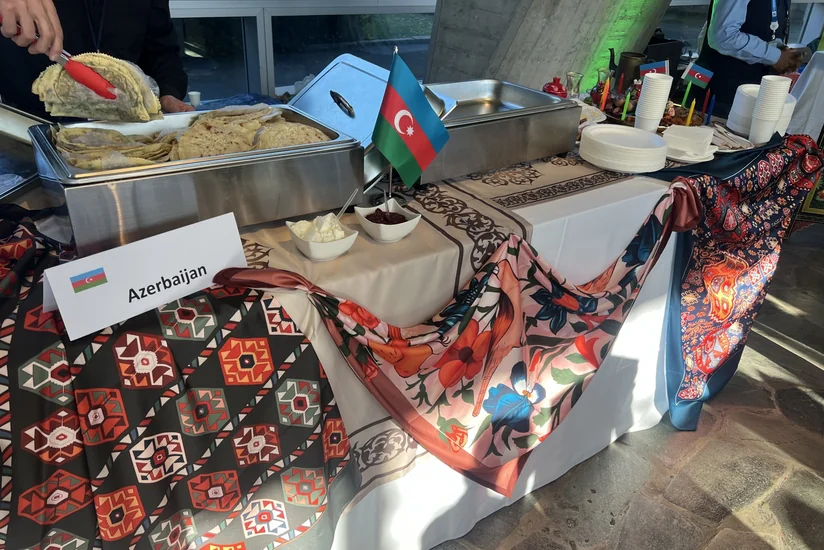
Shekerbura resembles the full moon.
Paxlava (the multi-layered sweet) symbolizes the stars in the sky and the layers of the Earth.
Shor-gogal (a salty, layered pastry) is associated with the bright spring sun.
Plov—the "king" of Azerbaijani cuisine—is a mandatory centerpiece for the festive night.
The table must also feature dyed eggs (representing the origin of life), a mirror, and candles. Candles are lit according to the number of family members and, according to belief, must not be blown out; they should burn down completely to bring light and longevity to the home.
Novruz is unthinkable without the folklore characters Kosa and Kechel (the Beardless and the Bald). Their comical theatrical disputes symbolize the struggle between winter and spring, where spring invariably triumphs.
The holiday brings special joy to children. The ritual of "Papagatdi" (hat-throwing) is a beloved tradition: children leave their hats at neighbors' doorsteps and hide; the hosts then fill the hats with sweets, nuts, or fruit.
One of the most vibrant traditions remains jumping over bonfires. It is believed that by leaping over the flames, a person leaves behind all illnesses and sorrows of the old year, "burning away" the negative energy while reciting: "Hamı mənim ağırlığım-uğurluğum bu odda yansın" (May all my burdens and misfortunes burn in this fire).
Today, Novruz is celebrated with grand scale across Azerbaijan. Per the decree of the Cabinet of Ministers, March 20–24, 2026, have been declared public holidays, allowing families to unite and perform traditional visits to relatives. Mass festivities, folk craft exhibitions, and performances by national ensembles take place in Baku and the regions.
The Spring Festival is also a time for forgiveness. The ancient law of Novruz dictates that no one should remain in conflict during these days; those who were estranged are expected to reconcile. It is a triumph of humanism that continues to unite generations.

 Baku 19° C