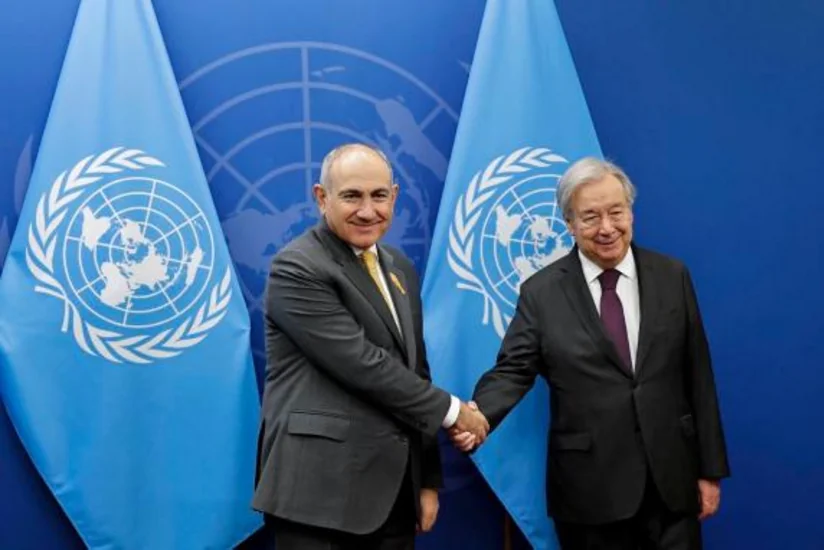
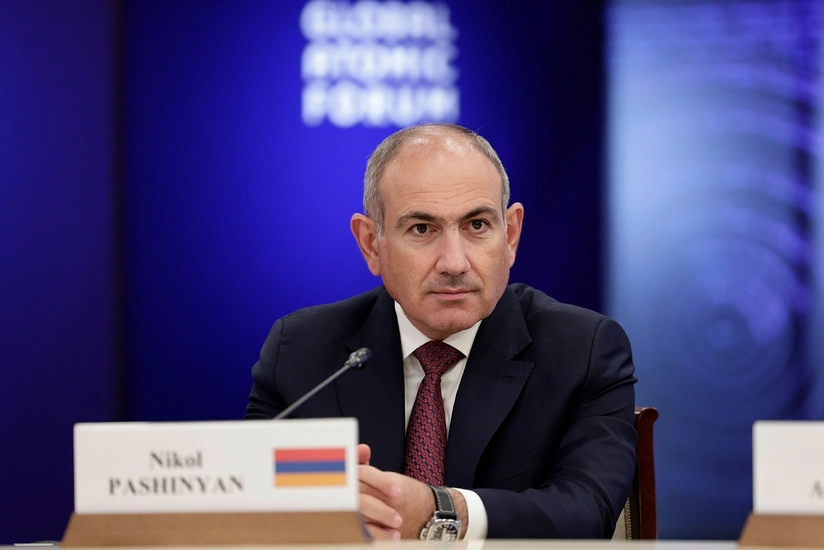
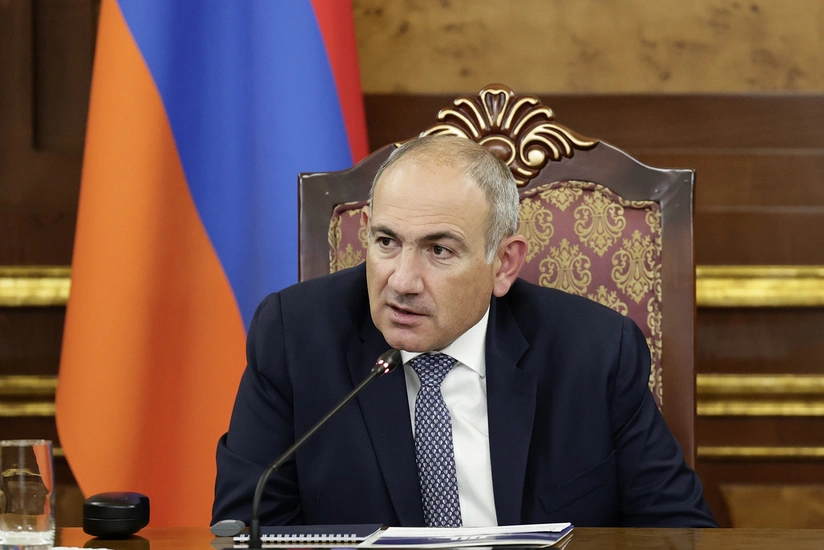
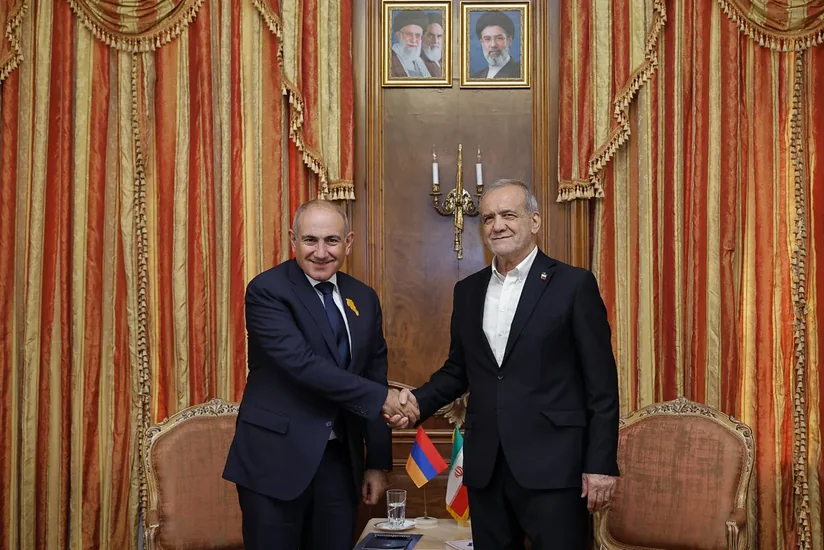
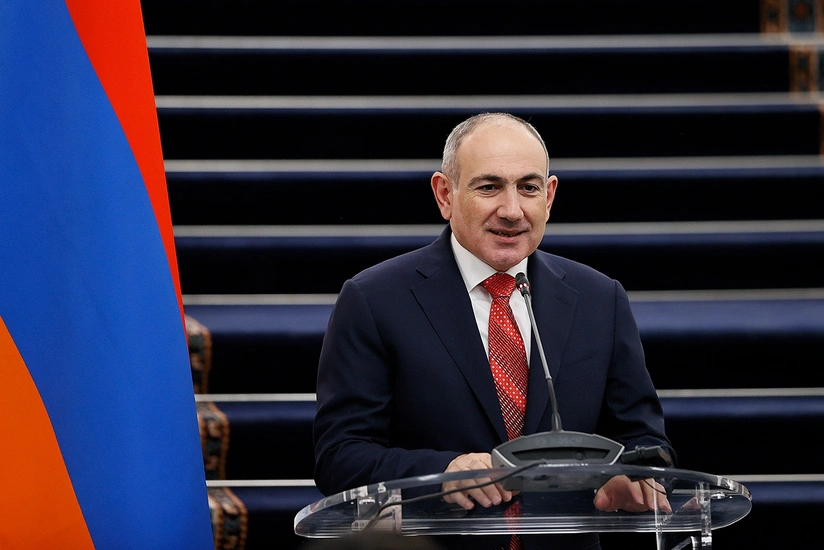
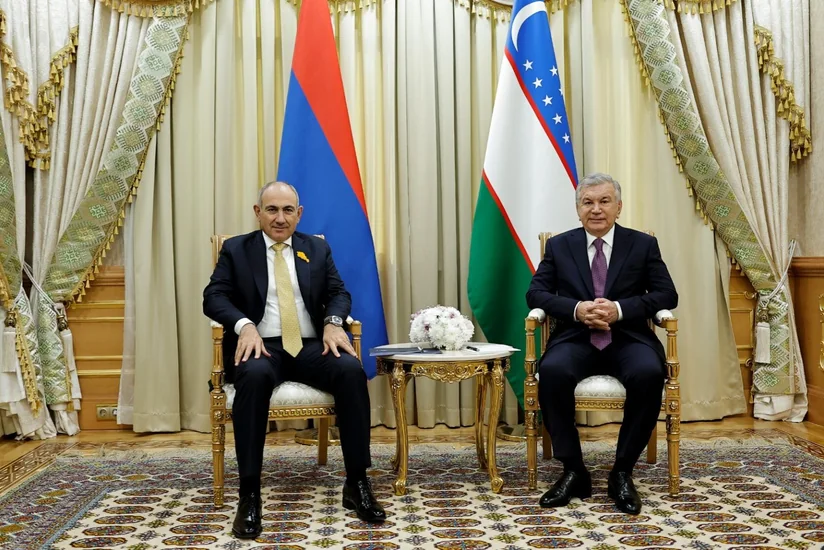
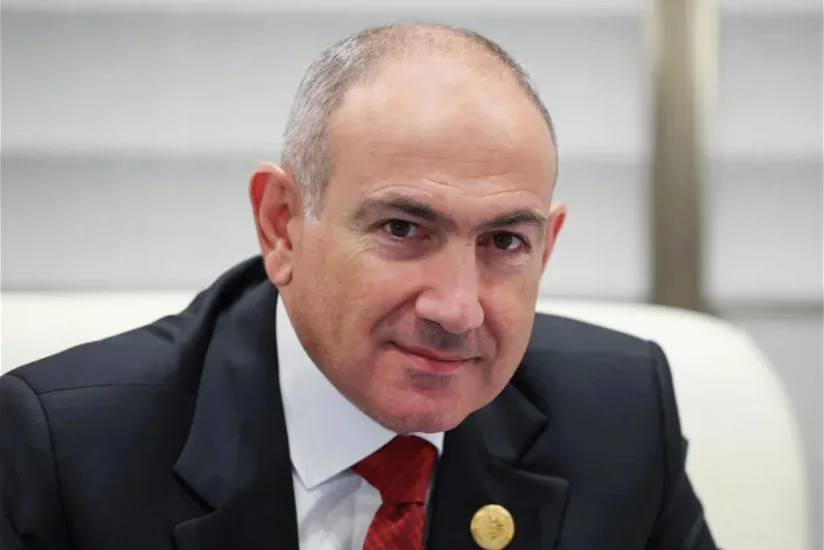
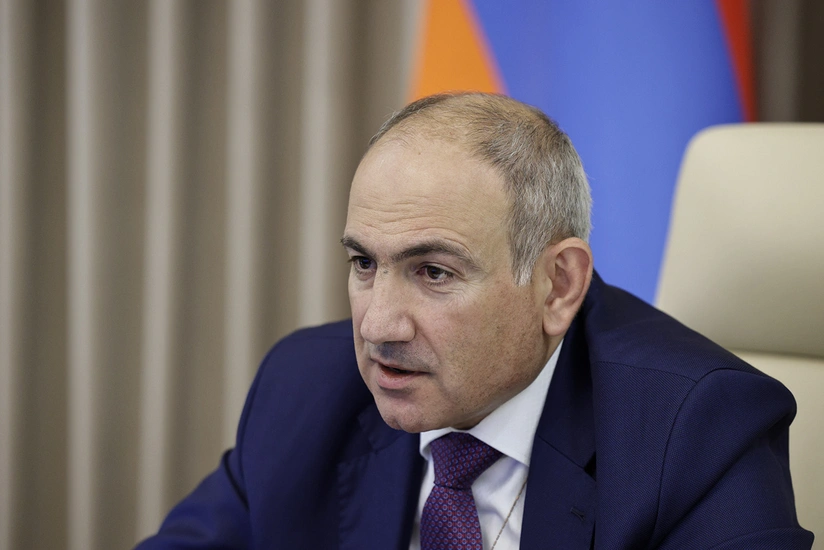
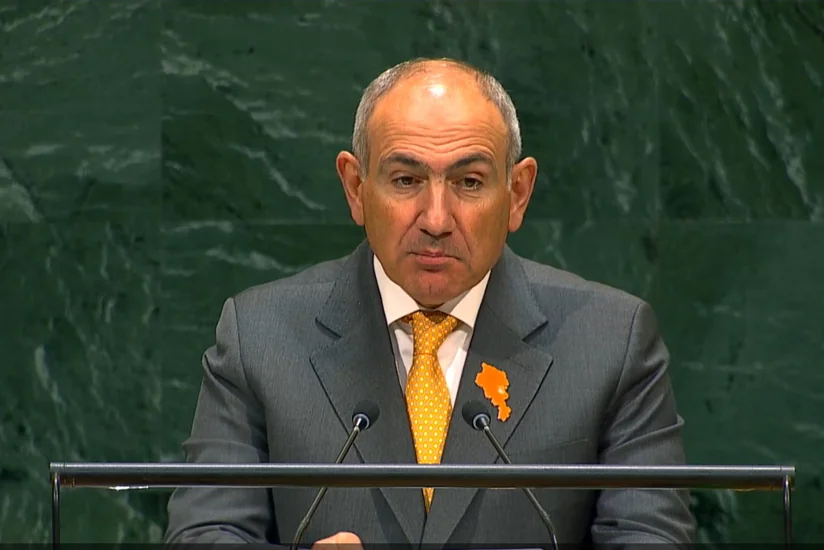
Nikol Pashinyan (armen. Նիկոլ Փաշինյան) is an Armenian politician, former journalist, and activist who has served as the Prime Minister of Armenia since May 2018. Rising to prominent national leadership during the historic Velvet Revolution of 2018—a massive, peaceful popular uprising that ousted veteran leader Serzh Sargsyan—Pashinyan reshaped the modern political landscape of Armenia, championing anti-corruption reforms, democratic transformation, and a re-evaluation of the country's traditional foreign policy alignments.
Opposition Journalism: Before entering formal politics, Pashinyan earned widespread recognition as an outspoken investigative journalist and the founder-editor of the opposition newspaper Haykakan Zhamanak (Armenian Times), where he was a vocal critic of successive post-Soviet governments.
Political Imprisonment: Implicated in political protests following the disputed 2008 presidential election, he spent time in hiding and later served a prison sentence before being released under a 2011 amnesty, subsequently co-founding the Civil Contract party and entering parliament.
"My Step" Movement: In the spring of 2018, Pashinyan led a massive nationwide campaign of civil disobedience and pedestrian marches across Armenia protesting the third consecutive term of leadership under the ruling elite.
Ascent to Power: Following Sargsyan's resignation, Pashinyan was elected Prime Minister by the National Assembly in May 2018, promising systemic democratic reforms, judicial transparency, and the dismantling of entrenched oligarchic monopolies. He subsequently cemented his mandate by winning snap parliamentary elections later that year.
The 2020 Karabakh War: His administration faced its most severe crisis during the 44-day Second Nagorno-Karabakh War in the autumn of 2020, which resulted in a decisive military defeat for Armenia and significant territorial changes across the South Caucasus, triggering prolonged domestic political turmoil.
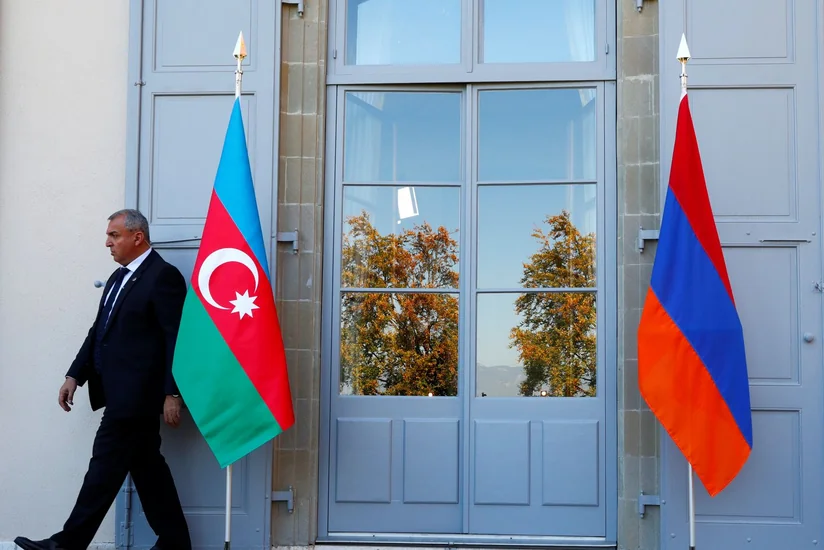
Sovereignty and Foreign Policy Diversification: In the years following the conflict, Pashinyan navigated complex geopolitical shifts, steering Armenia toward a multi-vector foreign policy that seeks to reduce security dependence on traditional allies, deepen democratic resilience, and pursue peace negotiations and border delimitation with Azerbaijan.

 Baku 24° C