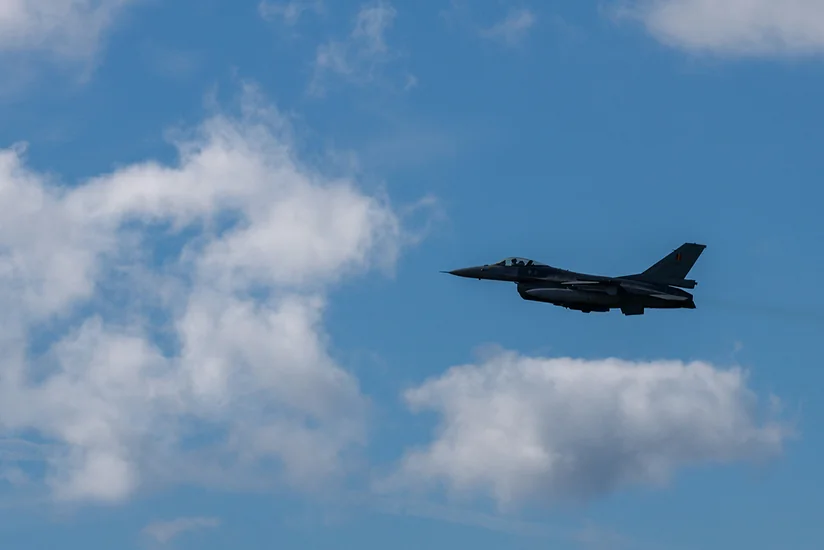
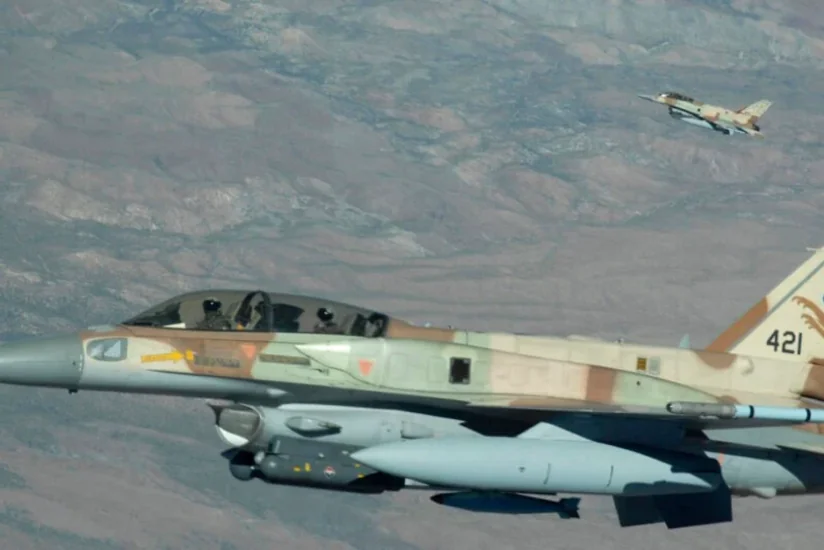
Developed by General Dynamics (now Lockheed Martin), the F-16 Fighting Falcon is the most mass-produced fourth-generation fighter jet in the world. Despite making its maiden flight exactly half a century ago (in 1974), in 2026, the F-16 is not merely remaining in service; it is experiencing a technological renaissance. Thanks to deep modernization, this lightweight multirole aircraft continues to dominate the global arms market and determine the outcome of modern conflicts.
Initially, the F-16 was designed as a lightweight daytime air superiority fighter (to complement the heavier F-15). However, its highly successful aerodynamic design and massive potential for upgrades transformed it into an all-weather, multirole platform.
By 2026, over 4,600 units of this aircraft have been produced, and it currently serves in the air forces of more than 25 countries worldwide.
Basic Tactical and Technical Characteristics:
Crew: 1 (2 in combat-trainer versions).
Maximum Speed: Over Mach 2 (approx. 2,120 km/h at altitude).
Service Ceiling: 15,240 meters.
Combat Radius: approx. 550 km (with full combat payload).
Hardpoints: 9 (for air-to-air and air-to-surface missiles, bombs, and external drop tanks).
The primary reason for the Falcon's relevance today is the Viper (F-16V) modernization package, which elevates the aircraft to the 4++ generation. In 2026, the Block 70 and Block 72 versions are the most highly coveted export products on the market.
APG-83 SABR (AESA) Radar: An Active Electronically Scanned Array radar based on technologies from the fifth-generation F-22 and F-35 fighters. It allows the tracking of over 20 targets simultaneously at vast distances and operates effectively in severe electronic warfare (EW) environments.
Center Pedestal Display (CPD): An updated "glass cockpit" featuring a high-resolution central display that provides the pilot with unprecedented situational awareness.
Auto GCAS System: An Automatic Ground Collision Avoidance System. In 2026, this technology—which takes over control if the pilot loses consciousness from high G-forces—has already saved dozens of lives and become the gold standard for aviation safety.
Airframe Life: The structural service life has been extended to an impressive 12,000 flight hours, allowing the new machines to operate well into the 2060s.
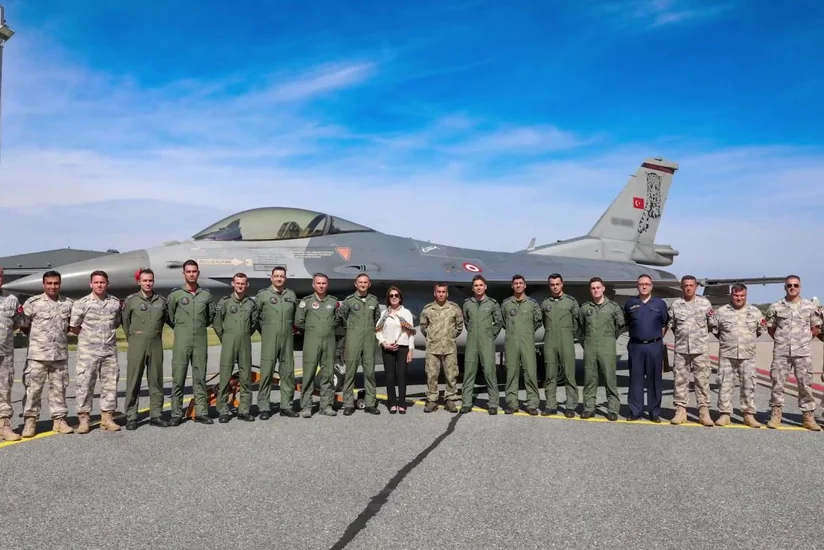
For audiences in Azerbaijan and the broader region, the fate of the Turkish Air Force's F-16 fleet is of particular interest. In 2024–2025, after prolonged diplomatic negotiations, Ankara secured U.S. approval for a massive deal worth over $23 billion. In 2026, Türkiye is actively receiving upgrade kits to bring 79 of its existing aircraft up to the Viper standard and is awaiting the delivery of new Block 70 jets, preserving its dominant position in the skies over the Eastern Mediterranean.
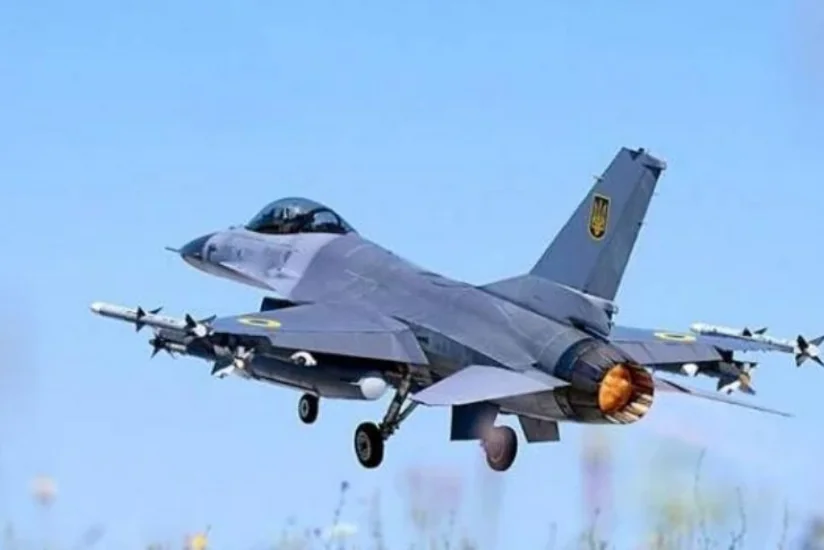
Another factor that has cemented the F-16's status in military history textbooks is its deployment in the Eastern European theater of operations. Following infrastructure adaptation and the completion of pilot training, the integration of the F-16 into modern network-centric operations has demonstrated exactly how Western aviation doctrine functions against Soviet and Russian air defense systems.
Despite the rapid development of fifth-generation stealth fighters, the F-16 remains irreplaceable in terms of its cost-to-performance ratio:
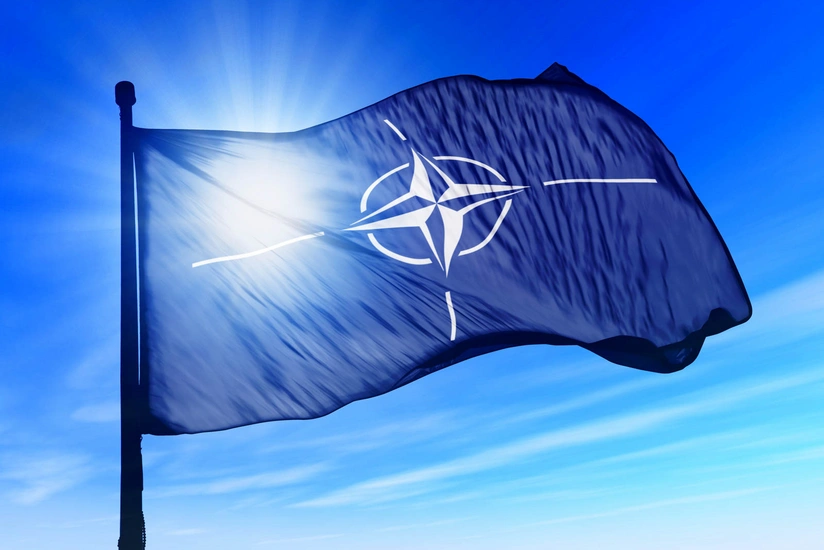
Feature F-16V Block 70 Su-35S (Russia) Eurofighter Typhoon (EU) Generation 4++ 4++ 4.5 Radar AESA (APG-83) PESA (Irbis-E) AESA (ECRS) Main Advantage Mass production, low cost per flight hour, vast precision weapon arsenal Super-maneuverability, flight range Speed, supercruise, high-altitude performanceThe F-16 Fighting Falcon is not just an aircraft; it is a flying computer and the foundation of NATO's security architecture. The Block 70/72 modification has proven that a well-designed platform can remain at the cutting edge of technological progress decades later, serving as the ideal bridge to the sixth-generation era.

 Baku 19° C