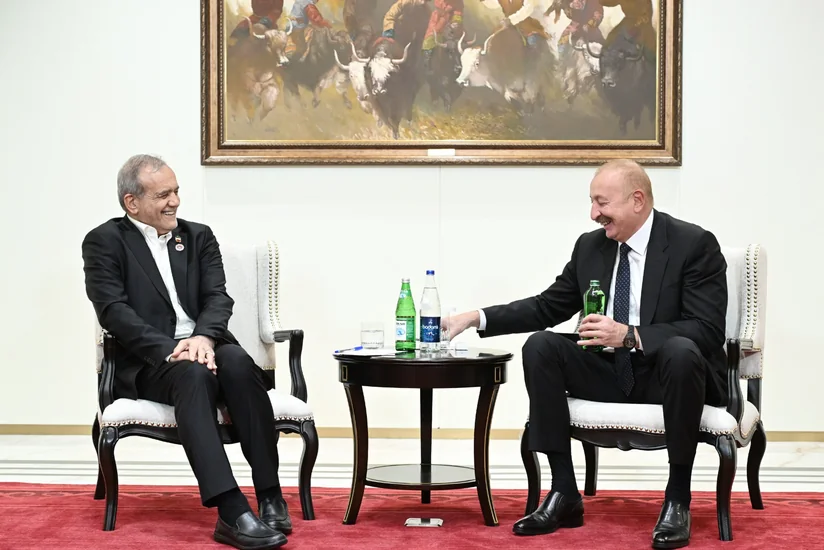
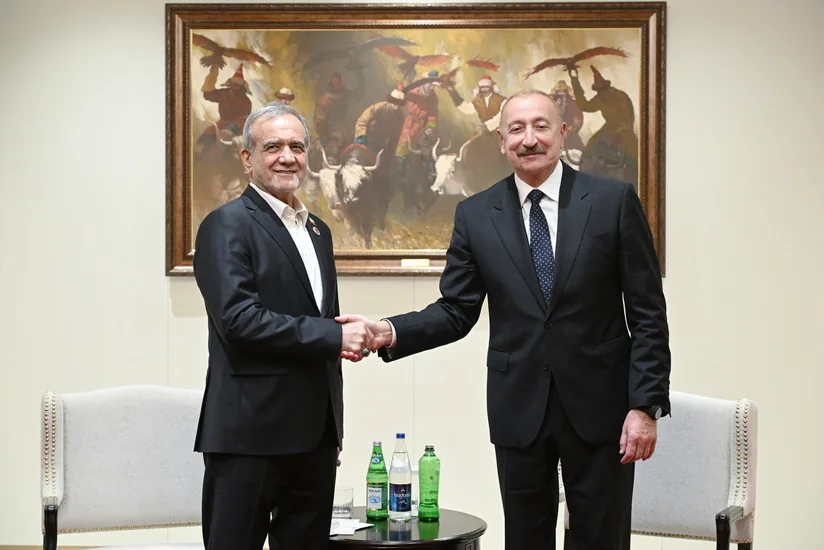
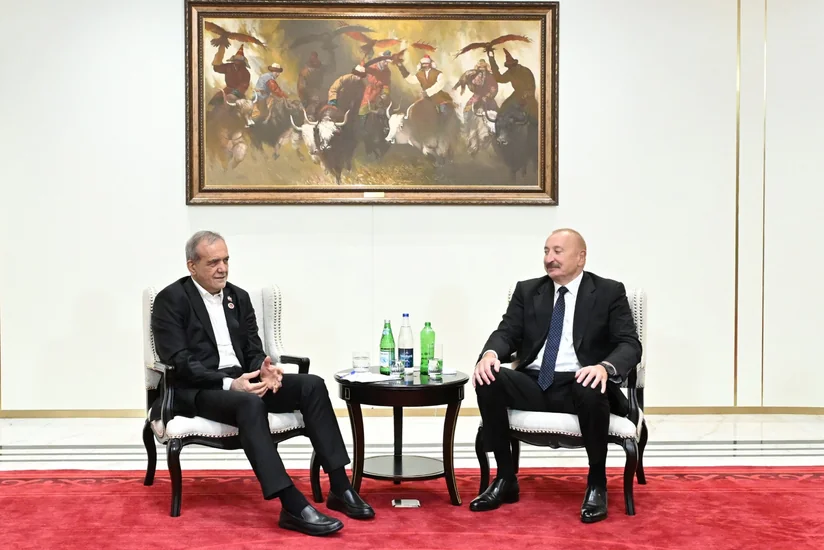
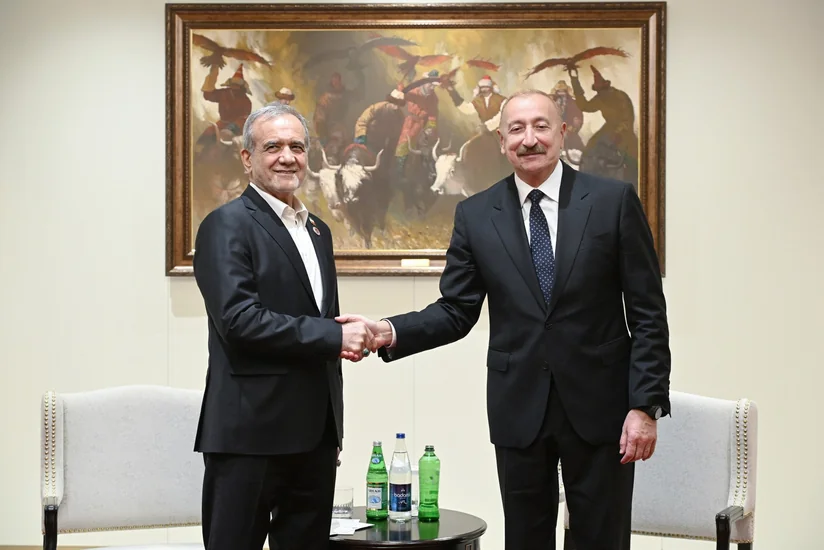
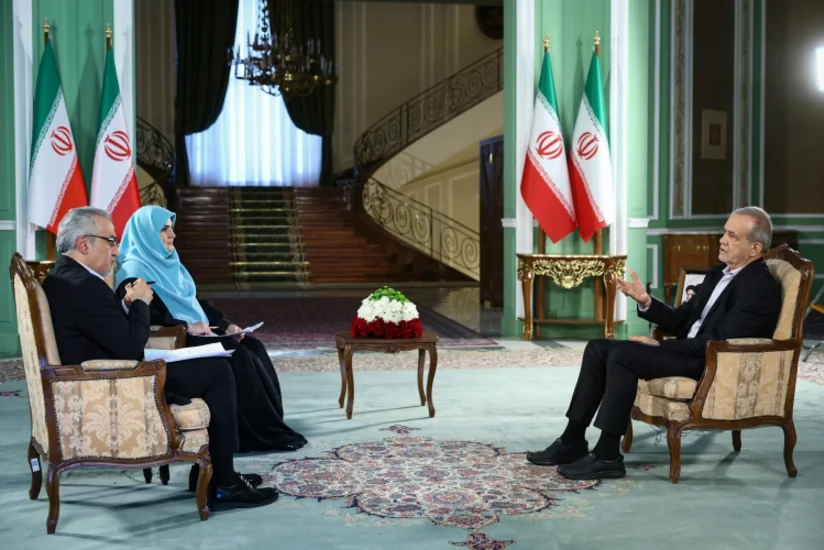
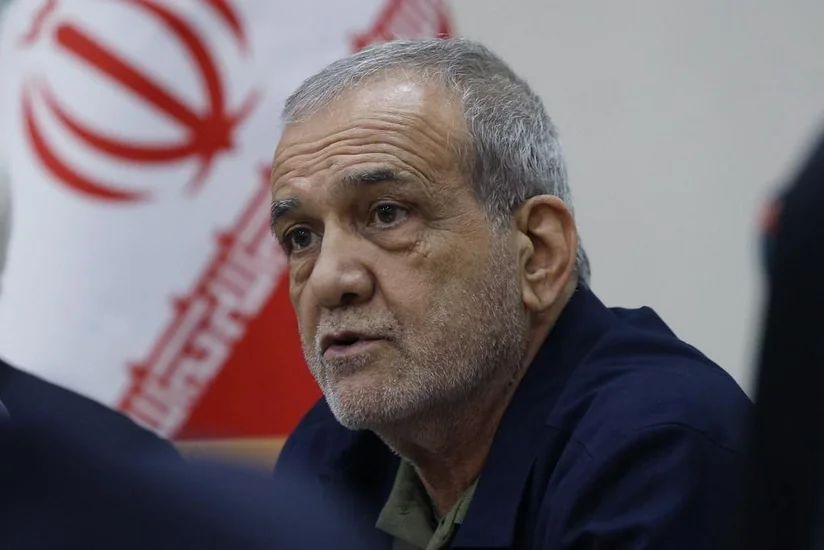
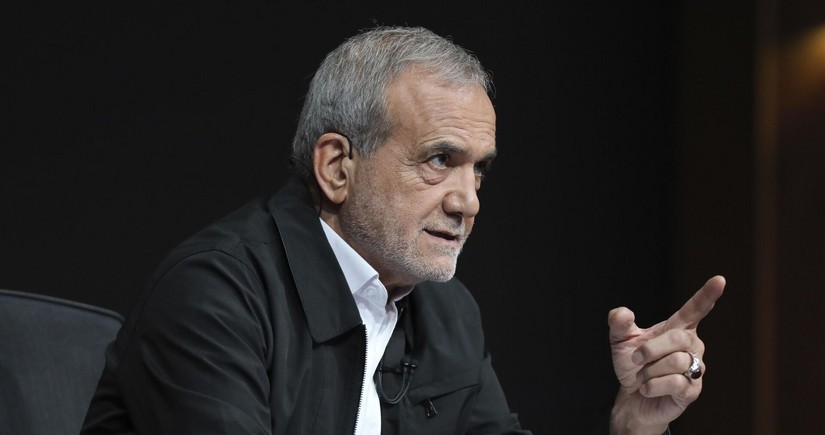
Masoud Pezeshkian (born September 29, 1954) is an Iranian politician, cardiac surgeon, and the 9th President of the Islamic Republic of Iran since July 2024. He assumed office following the victory in snap elections after his predecessor, Ebrahim Raisi, tragically died in a helicopter crash in May 2024.
While Pezeshkian’s presidency, as a self-proclaimed "moderate reformist," began with hopes for Western integration and sanctions relief, today — March 2, 2026 — his government faces the most severe geopolitical and economic challenge in modern Iranian history following massive missile strikes by the U.S. and Israel.
For the Report.az audience, the most notable aspect of Masoud Pezeshkian's biography is his ethnicity. Born in Mahabad, West Azerbaijan province, he has an Azerbaijani father and a Kurdish mother. Pezeshkian speaks Azerbaijani fluently and proudly, a fact he repeatedly emphasized during his campaign to win over voters in Tabriz, Urmia, and Ardabil.
A professional cardiac surgeon, Pezeshkian served as the rector of Tabriz University of Medical Sciences before entering politics. His career began as Minister of Health (2001–2005) under Mohammad Khatami, followed by years as a parliamentary representative for Tabriz and First Deputy Speaker of the Majlis.
In the Summer 2024 elections, Pezeshkian defeated conservative candidate Saeed Jalili. His main promises included pragmatism in foreign policy, economic revival, reduced social pressure regarding hijab rules, and the restoration of nuclear talks. Some saw him as a savior who could end international isolation. However, Iran’s specific governance system significantly limits the President's powers.
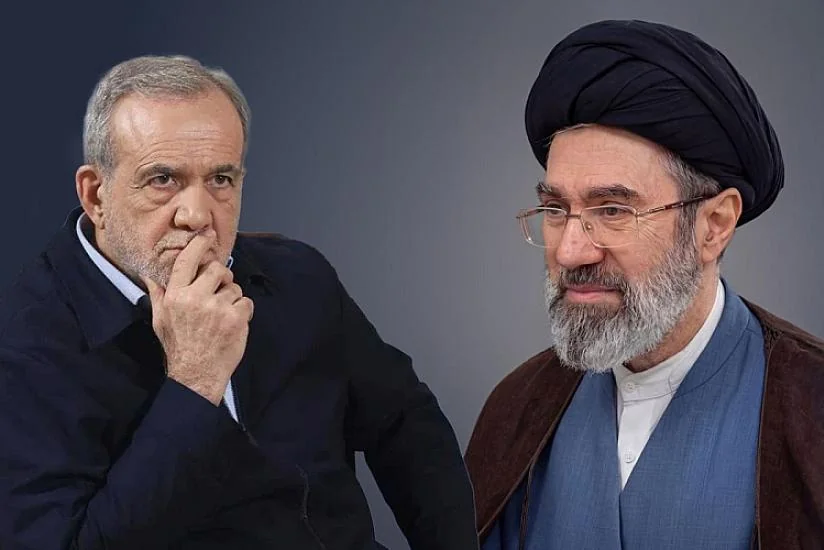
To understand Pezeshkian's current position, one must know Iran's power structure. The President is not the head of state, but the head of the executive branch (government), focusing on economy, education, and social issues. Strategic decisions — foreign policy, nuclear programs, war, and peace — are directly controlled by the Supreme Leader (Ayatollah Ali Khamenei) and the Islamic Revolutionary Guard Corps (IRGC).
The heavy strikes by Israel and the U.S. on IRGC infrastructure on February 28, 2026, have placed the Pezeshkian government in a critical situation. Currently, the President is caught between two major pressures:
Risk of Internal Economic Collapse: As head of government, Pezeshkian understands that a massive retaliatory strike by the IRGC would lead to a full-scale regional war, resulting in the total collapse of Iran's energy infrastructure and the national currency (Rial).
Pressure from Conservatives: IRGC leadership and radical clerics demand a decisive and ruthless response. If Pezeshkian calls for peace or restraint, he risks being accused of betrayal or weakness at home.
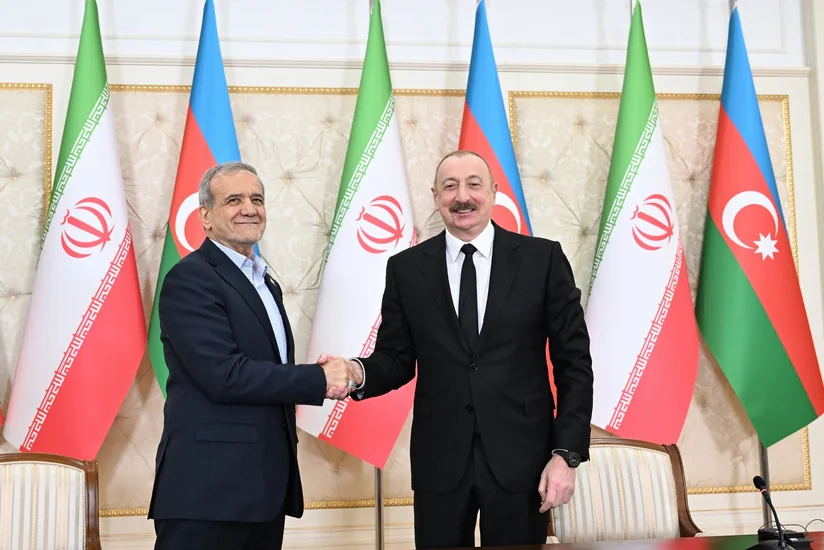
According to political analysts, the Masoud Pezeshkian government is currently trying to keep diplomatic channels open (especially through Oman and Qatar) to save the country from a full-scale abyss. However, the fact that the final word belongs to the Supreme Leader remains the biggest factor tying the reformist president's hands.

 Baku 19° C