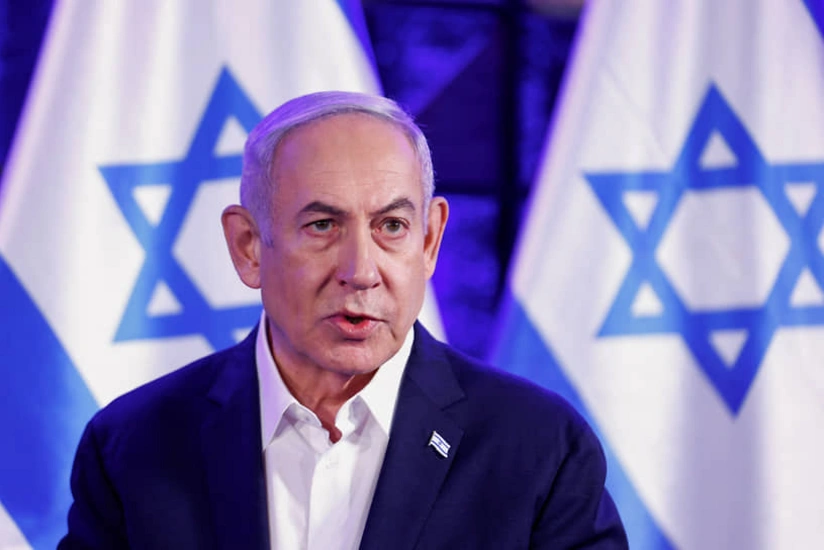
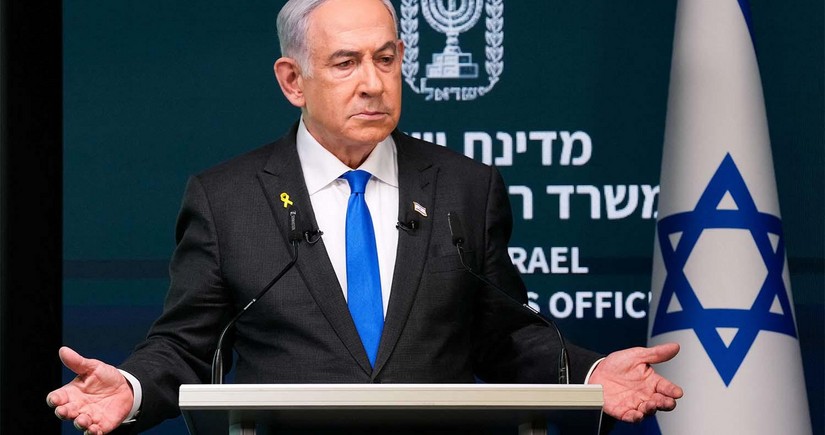
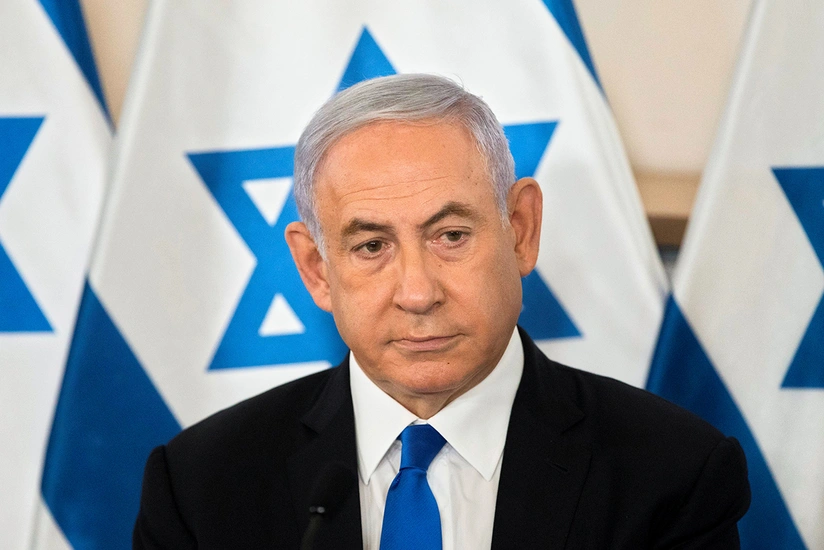
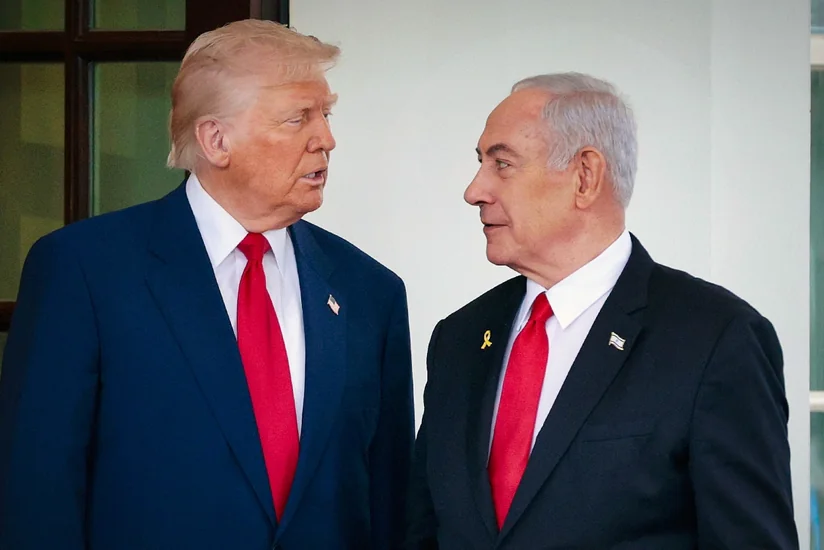
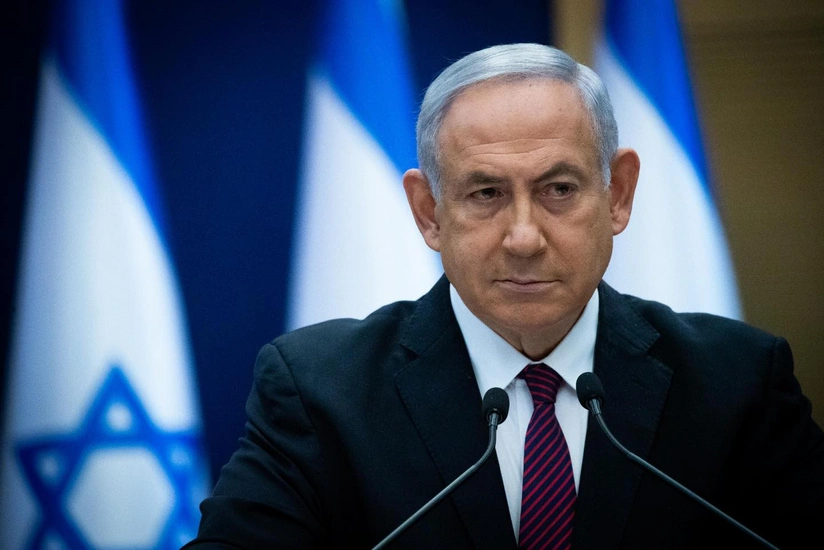
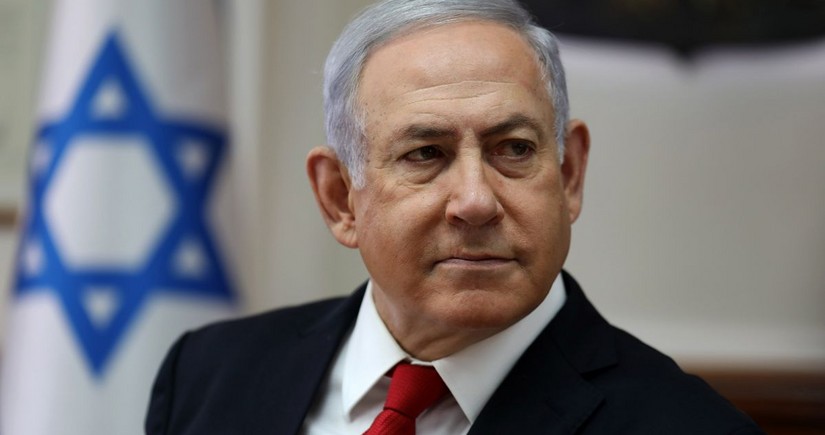
Benjamin (Bibi) Netanyahu is an Israeli statesman, leader of the conservative Likud party, and the longest-serving prime minister in the history of the State of Israel. In 2026, his figure remains central to the security architecture of the entire Middle East. Having survived the unprecedented internal crises and large-scale regional wars of 2023–2025, Netanyahu continues to shape Jerusalem's uncompromising foreign policy course, relying on the doctrine of preemptive strikes and technological superiority.
In the spring of 2026, Netanyahu's government operates within a deeply polarized society. Following the severe trials associated with the conflicts in Gaza and on the northern borders (Lebanon), the Israeli economy has been shifted onto the tracks of long-term recovery.
Key Domestic Political Challenges:
The Post-Shock Economy: Overcoming the budget deficit caused by colossal military expenditures and the mobilization of reservists. The focus is on the accelerated development of the cybersecurity sector and the export of advanced military technologies (Defense-Tech).
The Judicial System and the Coalition: Netanyahu continues to masterfully balance the demands of his ultra-orthodox and far-right coalition partners against the pressure from centrist forces demanding a broad national unity government.
Border Security Issue: The implementation of the "buffer zones" concept and the full-scale robotization of border control systems.
Netanyahu's credo in 2026 remains unchanged: "Peace is achieved only through strength." His foreign policy strategy rests on three fundamental pillars:
The paramount objective of Netanyahu's entire political career is to prevent Iran from acquiring nuclear weapons. In the context of recent large-scale operations in the Middle East (including CENTCOM's activities), Jerusalem is pursuing an aggressive "shadow war" policy. This includes cyberattacks, the elimination of key figures in the Iranian nuclear program, and high-precision strikes against Tehran's proxy forces in Syria and Iraq.
Despite the crises of previous years, in 2026, the Netanyahu administration, with US support (under the framework of "transactional diplomacy"), resumed active behind-the-scenes negotiations regarding the normalization of relations with Saudi Arabia. The goal is the creation of a unified regional economic and anti-missile shield against common threats.
For the Azerbaijani audience, Netanyahu's figure is inextricably linked with the unprecedented strengthening of bilateral relations. The partnership between the two countries is a strategic, mutually beneficial alliance, which Report.az experts frequently cite as a model of pragmatic diplomacy.
Area of Cooperation Status in 2026 under the Netanyahu Government Energy Security Azerbaijan remains one of the primary suppliers of oil (Azeri Light) to the Israeli economy (accounting for up to 40% of imports). Supplies flow through the Ceyhan terminal, guaranteeing Israel's energy stability. Military-Technical Partnership Israel is a key supplier of high-tech weaponry to Baku (Harop UAVs, Barak-8 air defense systems, LORA missiles). In 2026, the emphasis has shifted toward the joint production of drones and cyber defense systems on Azerbaijani territory. Geopolitical Balance Both countries share common concerns regarding the destructive activities of certain regional players. Close intelligence contacts help Baku and Jerusalem mitigate cross-border threats.The 2026 iteration of Benjamin Netanyahu is a politician governing a state under a permanent state of siege. His methods are frequently subjected to harsh criticism both domestically and internationally; however, his ability to defend Israel's national interests and build reliable alliances (such as with Azerbaijan) makes him one of the most effective and influential figures in global geopolitics.

 Baku 22° C