 Baku 22° C
WP: Protests in Iran also supported by Iranian activists outside country
- 29 December, 2022
- 09:50
Stay up to date with the top news!
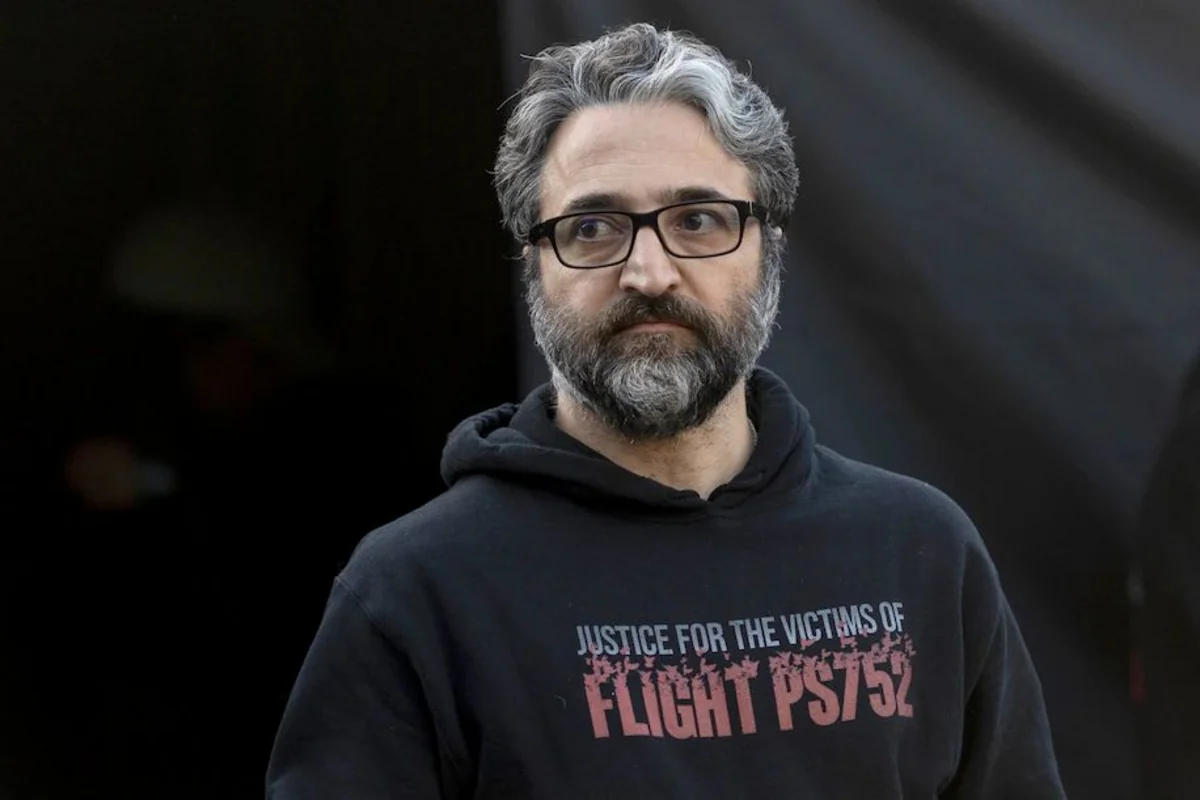
Iranian writer and activist Hamed Esmaeilion, who has been trying for three years to seek justice for the death of his family in a plane crash when the Islamic Revolutionary Guard Corps shot down Ukraine International Airlines Flight 752 shortly after it took off from Tehran’s international airport, has continued his fight for all Iranians since the beginning of protests in this country in September of this year.
Report informs referring to the Washington Post that the Canadian-based activist formed the Association of Families of Flight PS752 Victims, for which he continues to serve as spokesman.
Now Esmaeilion has become a leading voice outside Iran in the anti-regime movement - an essential bridge between Iranians in diaspora who want to promote a freer future for their homeland and the millions inside Iran who live under an abusive system that has long operated with impunity.
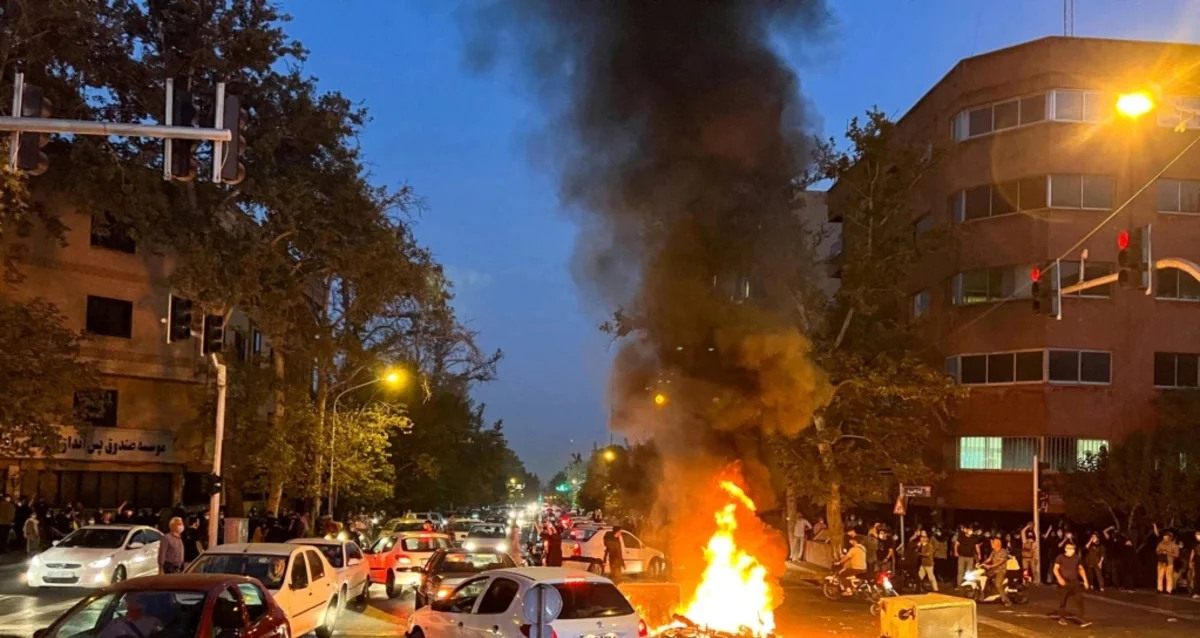
When protests erupted in Tehran after the death in police custody of 22-year-old Mahsa Amini, members of the Association of Families of Flight PS752 Victims were among the many members of the Iranian diaspora who amplified the demands of protesters inside Iran.
His effort to use international legal mechanisms - he has filed a lawsuit in the International Criminal Court - to bring to justice those responsible for the plane crash has become an inspiration to a society that, for more than four decades, has been unable to address grievances against the government. The redress that Esmaeilion and the families of other victims seek is quickly becoming a model that victims of previous atrocities might emulate.
“We, the majority of Iranians, are not like them and never have been. After the revolution in 1979, everyone remembers the violence that happened, and the wave of violence that has continued for four decades. That is the nature of the ideology they follow. And now you see the difference with the civil movement we’re witnessing today,” he said.
“So, when I see this revolution happening in Iran, it gives me more hope that the right place for this kind of court would be in Tehran - an impartial court in Tehran. In my opinion, it resonates like Nuremberg.”
“I just want to play the same role that I have played the last three years or in recent weeks. Just echo the voices of the Iranian people for now and just engage media and politicians to get them to listen to what people are saying in Iran and see where it goes. The revolutions we read about in history books don’t happen overnight. We all know things can happen so quickly in the Middle East. But we know that this fight is going to take longer. We have to be patient. It’s still very early,” he added.
“For three months we have asked the [Group of Seven] and other Western countries to expel the ambassadors of the Islamic Republic of Iran. This would be a very strong message to the Islamic regime so they understand that this pressure is serious and human rights really matter. Putting the [Revolutionary Guard] on the list of terrorist organizations would be a good gesture, too.”
“Iranian people in diaspora are writing to the politicians. Taking part in protests. Every week where I reside in Toronto, there have been protests and rallies with thousands and thousands of people. On Oct. 1, in more than 150 cities, people came to the streets. On Oct. 1 in Berlin, there was a massive demonstration. All of these have a good impact on the media and on the politicians to see the real Iran, to see the real Iranians and their demands, to listen to what they say,” he noted.
Author