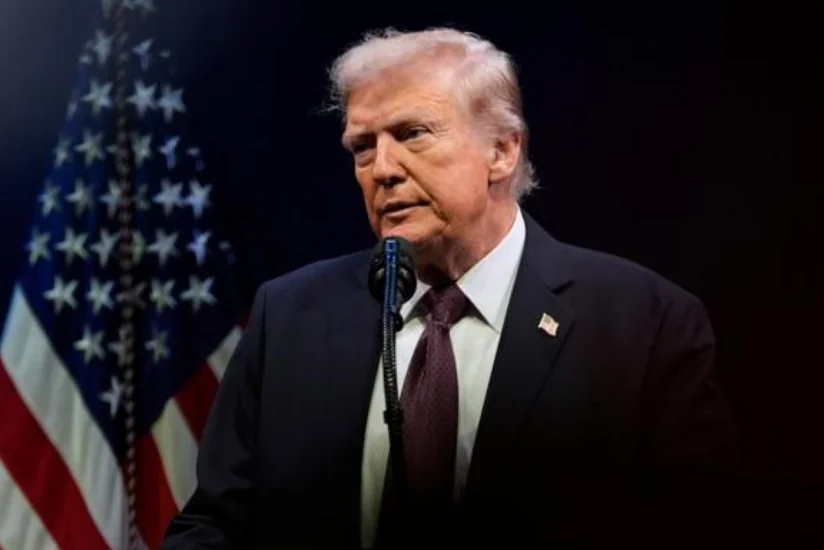
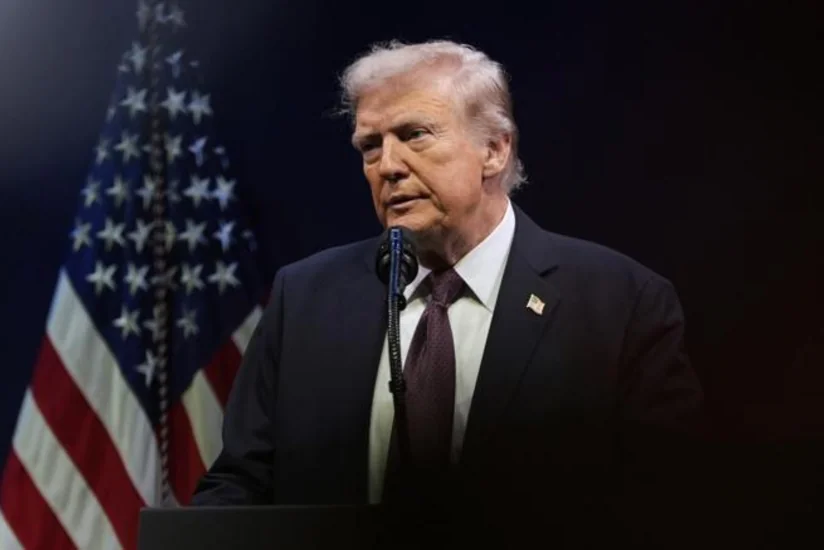
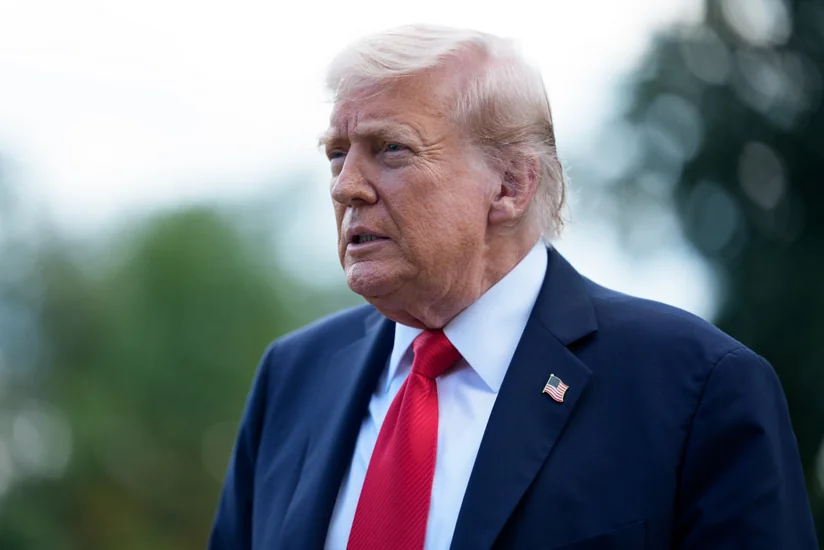
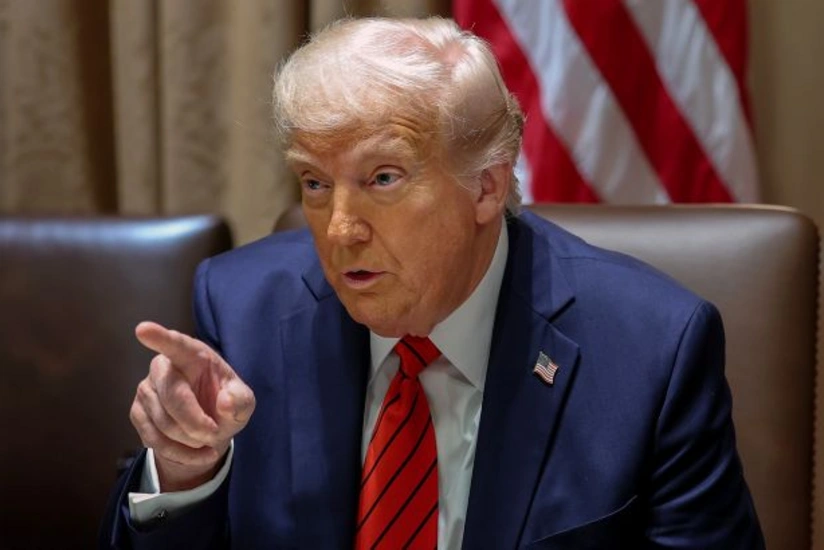
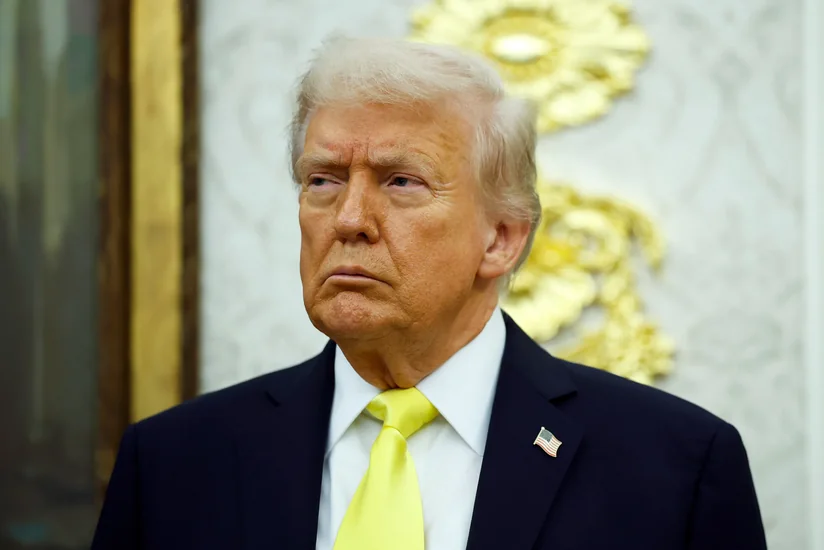
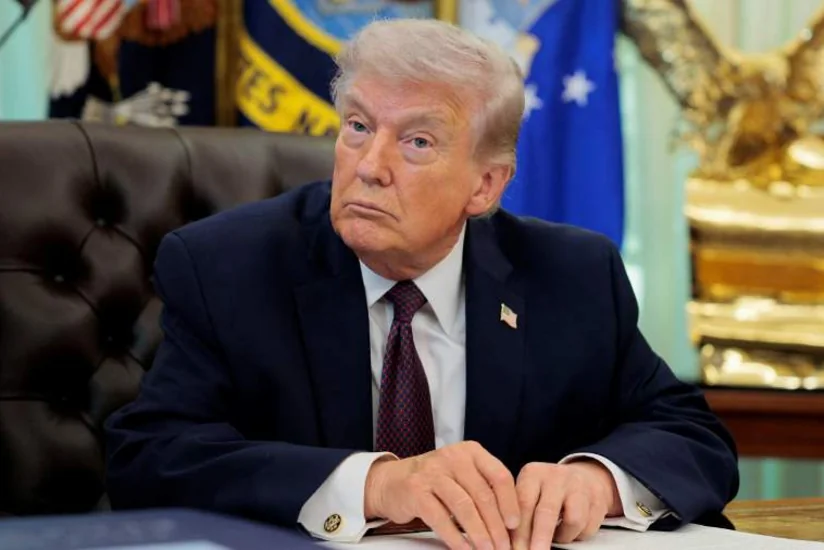
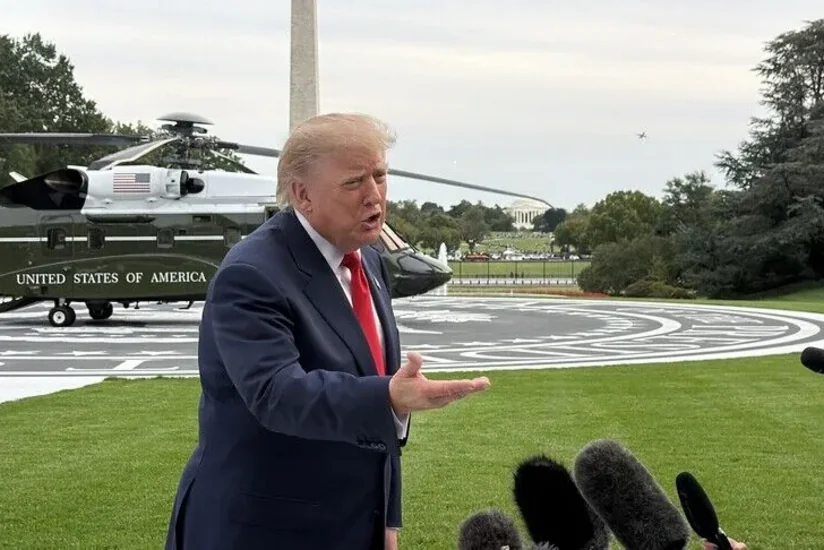
Donald John Trump is an American statesman, billionaire, and the 47th President of the United States. By returning to the White House following his victory in the 2024 elections, he became only the second president in US history (after Grover Cleveland) to serve two non-consecutive terms. By the spring of 2026, his administration is actively implementing the "America First 2.0" agenda, radically altering Washington's approach to the global economy, security architecture, and international alliances.
Trump's second term is characterized by decisive domestic actions aimed at economic deregulation and border fortification. Throughout 2025 and 2026, his administration has focused heavily on a large-scale restructuring of the federal apparatus and the renegotiation of trade agreements.
Key Vectors of the Domestic Agenda (2026):
Economic Nationalism: The implementation of new import tariffs (particularly targeting Asian markets) to protect American manufacturers and incentivize the reshoring of industrial production to the US.
Energy Dominance: The rollback of environmental restrictions on oil and gas extraction on federal lands, which has allowed the US to solidify its status as the world's largest exporter of energy resources.
Immigration Policy: Strict enforcement at the southern border and the execution of large-scale deportation programs, which remains one of the most fiercely debated aspects of his presidency.
Donald Trump’s foreign policy course in 2026 is anchored in rigid pragmatism and a departure from traditional ideological interventionism. Washington has transitioned to "transactional diplomacy," where every international agreement is evaluated strictly through the lens of economic and strategic benefits for the United States.
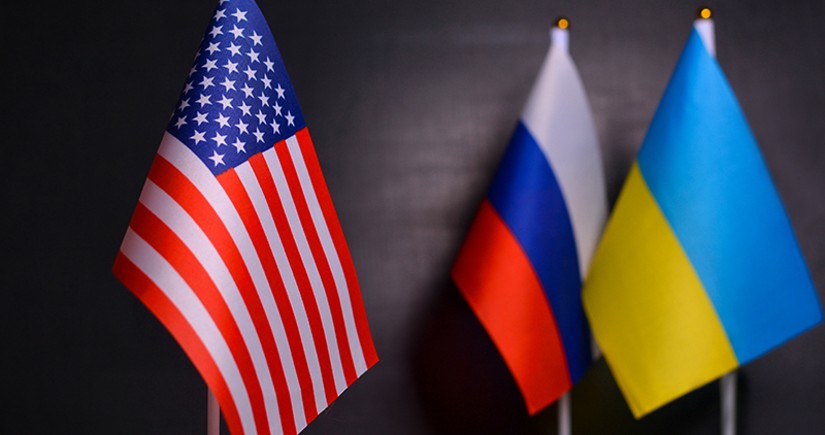
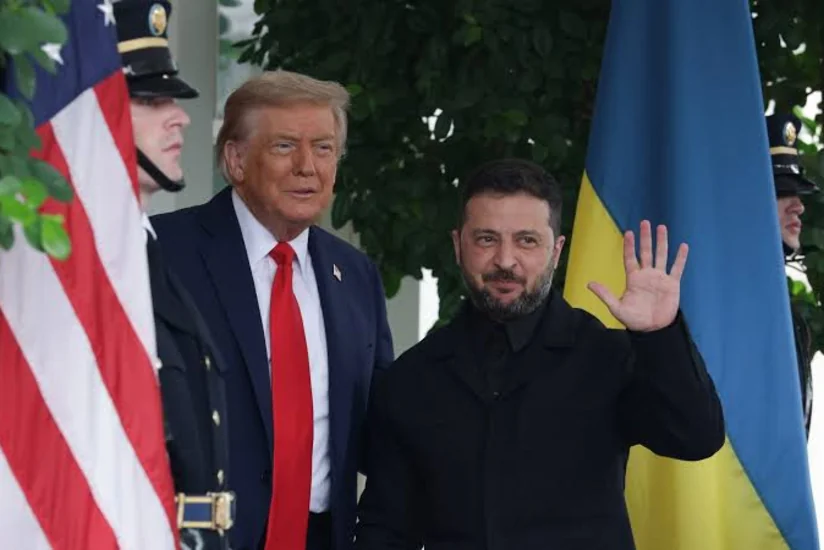
Trump continues to exert pressure on European NATO allies, demanding not only that they meet the 2% of GDP defense spending target, but that they exceed it. Regarding Eastern European security, the administration relies on compelling parties toward diplomatic conflict resolution, thereby reducing the financial burden on American taxpayers.
In the Middle East, Trump has returned to a strategy of maximum pressure on Iran (synchronized with CENTCOM's regional operations) alongside unconditional support for Israel. Active diplomatic efforts are underway to expand the "Abraham Accords" and further normalize relations between Arab nations and the Jewish state.
For Azerbaijan, the Donald Trump administration represents a predictable and highly pragmatic partner. Unlike administrations that prioritize ideological messaging, Trump’s team traditionally focuses on concrete mutual interests:
Energy Security: Supporting Azerbaijan's role as a primary supplier of energy resources to Europe (via the Southern Gas Corridor), which aligns perfectly with US interests in reducing EU energy dependence on other actors.
Anti-Terrorism Cooperation: Joint efforts in regional security and the protection of critical infrastructure in the Caspian Basin.
Non-Interference: Respect for Azerbaijan’s sovereignty and territorial integrity without attempting to exert political pressure on its internal affairs.
While Trump's overarching ideology remains unchanged, 2026 reveals distinct shifts in how his agenda is executed:
Aspect First Term (45th President) Second Term (47th President in 2026) Administration Team High turnover, searching for loyalty A tight-knit, cohesive team of staunch MAGA supporters Trade Strategy The initiation of trade wars The systematic application of tariffs as a calculated geopolitical tool Foreign Alliances Heavy skepticism, threats of withdrawal A pragmatic renegotiation of partnership termsIn 2026, Donald Trump remains the most polarizing, yet undeniably influential, figure in global politics. While his methods frequently draw criticism, it is impossible to deny that "Trumponomics" and his transactional approach to international relations have forced the entire world to reconsider established rules and adapt to a new era of fierce global competition.

 Baku 18° C