 Baku 24° C
WSJ: EU works to tighten Russia sanctions enforcement
- 10 July, 2022
- 08:38
Stay up to date with the top news!
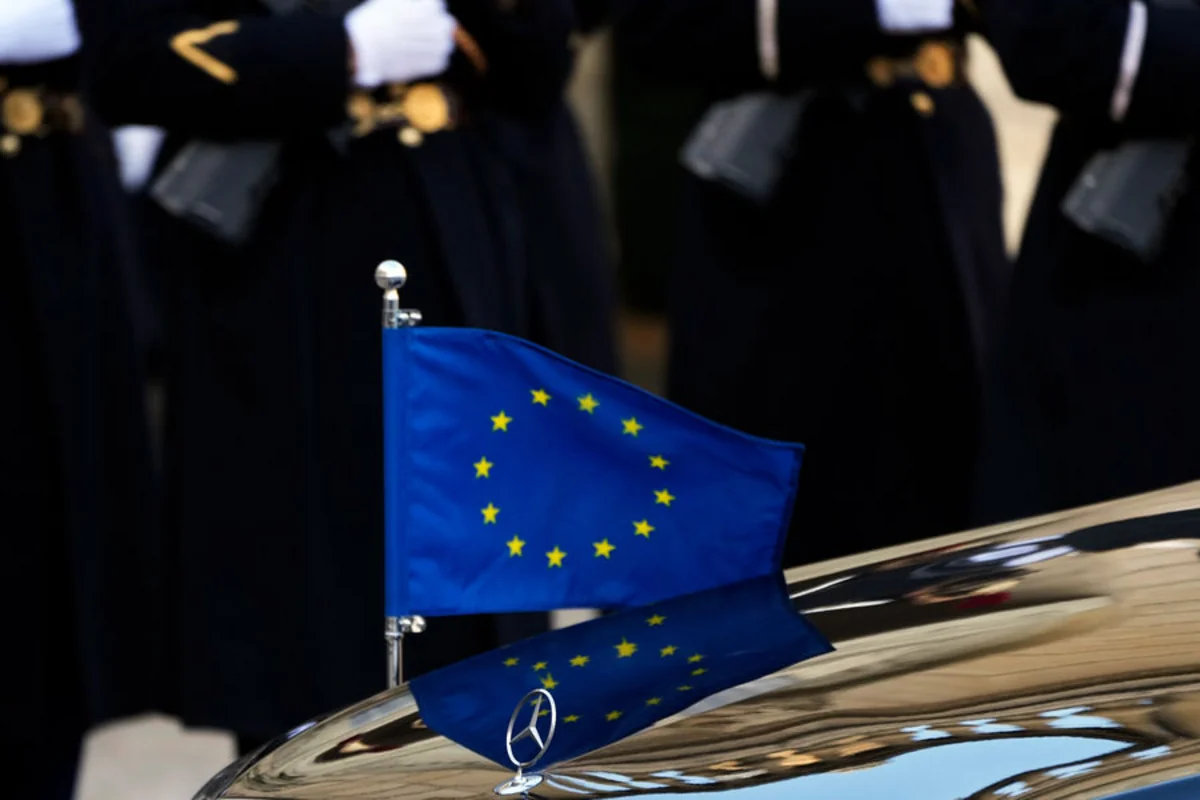
The European Union says it is working to improve compliance with and enforcement of its six rounds of sanctions against Russia as the 27-nation bloc seeks to tighten the economic pressure on the Kremlin for its war in Ukraine, Report informs, citing The Wall Street Journal.
At the heart of the EU’s challenge is the division of powers between Brussels, which sets sanctions policy, and the numerous national ministries, supervisors and industry groups that are asked to interpret and implement it. The sanctions are designed to hit Russia’s economy, financial sector, military and political elite by keeping Russian money and assets locked inside the EU bloc and sharply curbing trade and financial links with Russia.
The EU has no centralized enforcement division akin to the US Treasury Department’s Office of Foreign Assets Control, which can levy financial penalties on sanctions cheats at home and abroad. With EU authorities wary of angering national governments, Brussels also has limited authority to investigate and call out sanctions violators.
“Compared to the US, European implementation and enforcement of sanctions is sorely lacking,” said Brian O’Toole, a former senior adviser to the US Treasury’s OFAC and a senior fellow at the Atlantic Council think tank.
European officials involved with sanctions policy say they are confident that their economic sanctions are hitting the target. But EU governments are already discussing new measures that can close loopholes, tighten enforcement and better share data across EU nations.
For now, the leakiest area of European sanctions enforcement is the effort to identify and freeze money, assets and companies held in Europe by dozens of Russian oligarchs linked to Russian President Vladimir Putin.
EU authorities say that, so far, member states have frozen €13.8 billion—the equivalent of more than $14 billion—in assets held by oligarchs, but they acknowledge there is far more they could be missing.
Russians trying to hide their presence and the origin of their funds have used complex structures of companies and trusts to buy assets and make investments in Europe.
Author