
 Baku 24° C
Death toll from flash floods in Pakistan exceeds 300
- 16 August, 2025
- 14:07
Stay up to date with the top news!
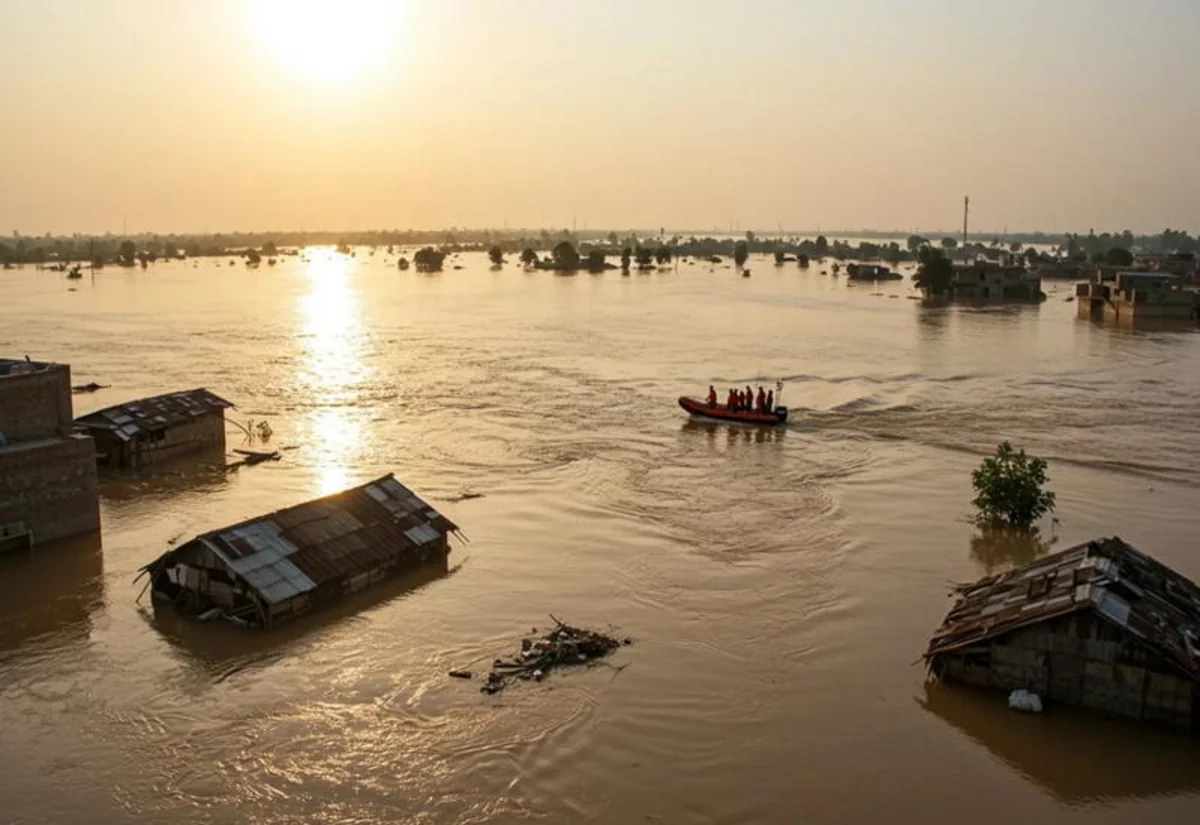
The death toll from heavy monsoon floods and landslides in Pakistan and Pakistan-administered Kashmir continues to rise rapidly, with 307 people now confirmed dead, Report informs via BBC.
Most of the deaths were recorded by disaster authorities in the mountainous Khyber Pakhtunkhwa province in north-west Pakistan. At least 74 homes have been damaged and a rescue helicopter crashed during operations, killing its five crew.
Nine more people were killed in Pakistan-administered Kashmir, while five died in the northern Gilgit-Baltistan region, authorities said.
Government forecasters said heavy rainfall was expected until August 21 in the northwest of the country, where several areas have been declared disaster zones.
The chief minister of Khyber Pakhtunkhwa, Ali Amin Gadapur, said that the M-17 helicopter crashed due to bad weather while flying to Bajaur, a region bordering Afghanistan.
Khyber Pakhtunkhwa has declared a day of mourning.
In the Indian-administered part of Kashmir, rescuers pulled bodies from mud and rubble on Friday after a flood crashed through a Himalayan village, killing at least 60 people and washing away dozens more.
Monsoon rains between June and September deliver about three-quarters of South Asia's annual rainfall. Landslides and flooding are common and than 300 people have died in this year's season.
12:18
Rescuers in northwest Pakistan pulled 63 more bodies overnight from homes flattened by landslides and flash floods, raising the death toll from rain-related incidents to at least 220, officials said Saturday, Report informs via AP News.
Pakistan has received above-normal rains, which experts link to climate change, leading to floods and mudslides that, with the newly reported fatalities, have killed about 541 people since June 2, according to the National Disaster Management Authority.
Hundreds of rescue workers are still searching for survivors in Buner, one of several districts hit in the province of Khyber Pakhtunkhwa, where torrential rains and cloudbursts triggered massive flooding on Friday, said Mohammad Suhail, a spokesman for the emergency services. Dozens of homes were swept away.
First responders have been trying to recover bodies in the worst-hit villages of Pir Baba and Malik Pura, where most people died on Friday, according to Kashif Qayyum, a deputy commissioner in Bunar.
Most of the victims died before reaching the hospital, said Mohammad Tariq, a medical doctor at a government hospital in Buner. “Many among the dead were children and men, while women were away in the hills collecting firewood and grazing cattle,” he said.
According to the provincial disaster management authority, at least 351 people have died in rain-related incidents this week across Khyber Pakhtunkhwa and the northern region of Gilgit-Baltistan.
Nearly 300 kilometers (about 186 miles) away, floods in Indian-controlled Kashmir have taken dozens of lives and driven hundreds from their homes in recent days.
Such cloudbursts are increasingly common in India’s Himalayan regions and Pakistan’s northern areas, and experts have said climate change is a contributing factor.
Pakistani officials said rescuers since Thursday have evacuated more than 3,500 tourists trapped in flood-hit areas across the country.
Many tourists have ignored government warnings that urged people to avoid flood-hit regions in the northern and northwestern regions, fearing more landslides and flash floods.
In 2022, Pakistan witnessed the worst monsoon season that killed more than 1,700 people and caused an estimated $40 billion in damage.
Author