Baku 17° C
Corruption whistleblowers to be rewarded in Azerbaijan
- 30 October, 2026
- 15:05
Stay up to date with the top news!
Individuals who report corruption in Azerbaijan will receive a reward of up to 25 times the minimum monthly wage, with the payment exempt from income tax.
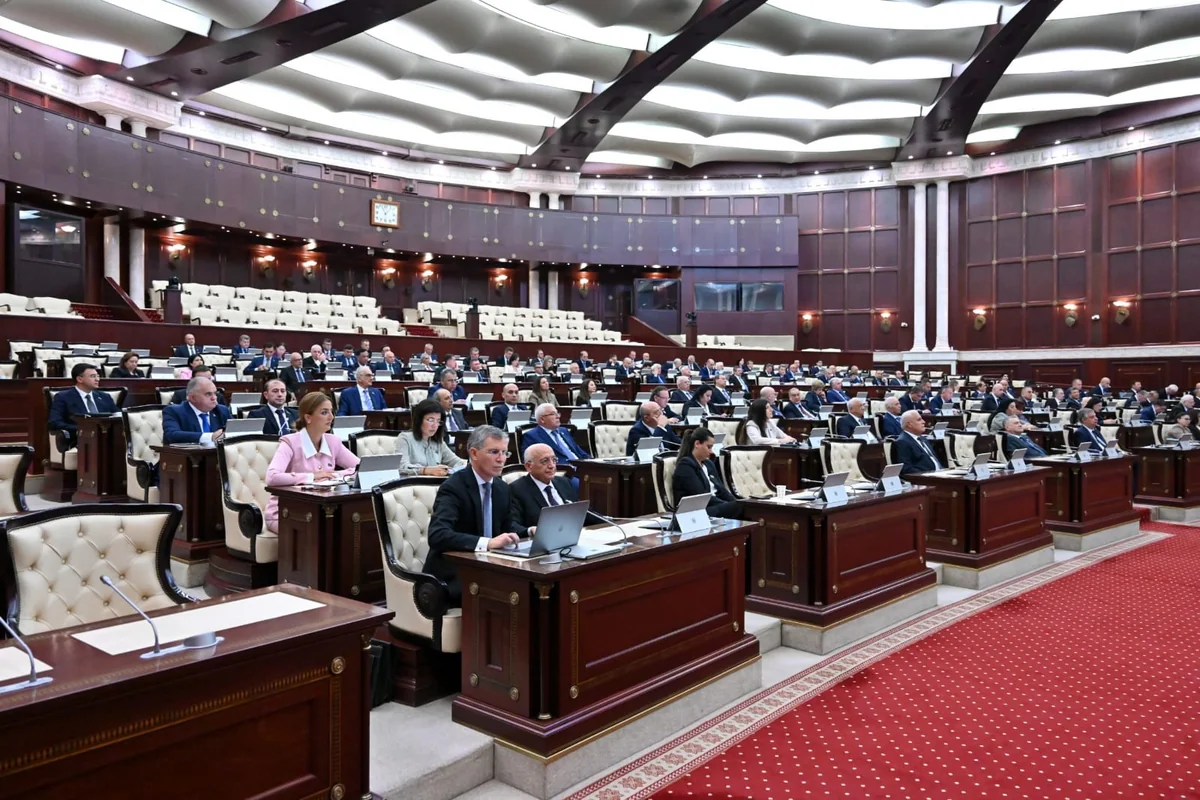
According to Report, the draft law "On Encouraging and Protecting Persons Reporting Offences Related to Corruption" was discussed at today's plenary session of the Milli Majlis.
Under the draft law, once the information provided has been verified, the whistleblower will receive a reward within 10 working days, subject to a decision by the head of the relevant organisation. The payment will be made from the organisation's budget or, in the case of publicly funded institutions, from their maintenance allocations and extra-budgetary funds.
The reward may not exceed 25 times the minimum monthly wage. Its amount will be determined based on the nature of the corruption offence, the number of violations reported, the significance of the information in detecting the offence, the amount of damage caused and the value of assets recovered.
The document also stipulates that, if a criminal case results in a conviction or another final ruling, the person who provided the information will receive 5% of the funds recovered through the special confiscation of property or money, payments into the state budget, or compensation for damage caused to the state, after deducting the relevant expenses.
In criminal proceedings, the decision to reward the whistleblower will be made during the pre-trial investigation by the investigator, with the approval of the prosecutor overseeing the investigation, and during court proceedings by the court hearing the case.
The adoption of the new draft law also entails amendments to the Tax Code, providing for an exemption from income tax on rewards received by whistleblowers.
Relevant amendments are also proposed to the Labour Code and Criminal Procedure Code, as well as the laws "On State Protection of Persons Participating in Criminal Proceedings", "On Advocacy and Legal Practice", "On Combating Corruption", "On Obtaining Information", "On Personal Data" and "On Citizens' Appeals".
Following discussions, the draft law was put to a vote and adopted in its first reading.
Author