
 Baku 20° C
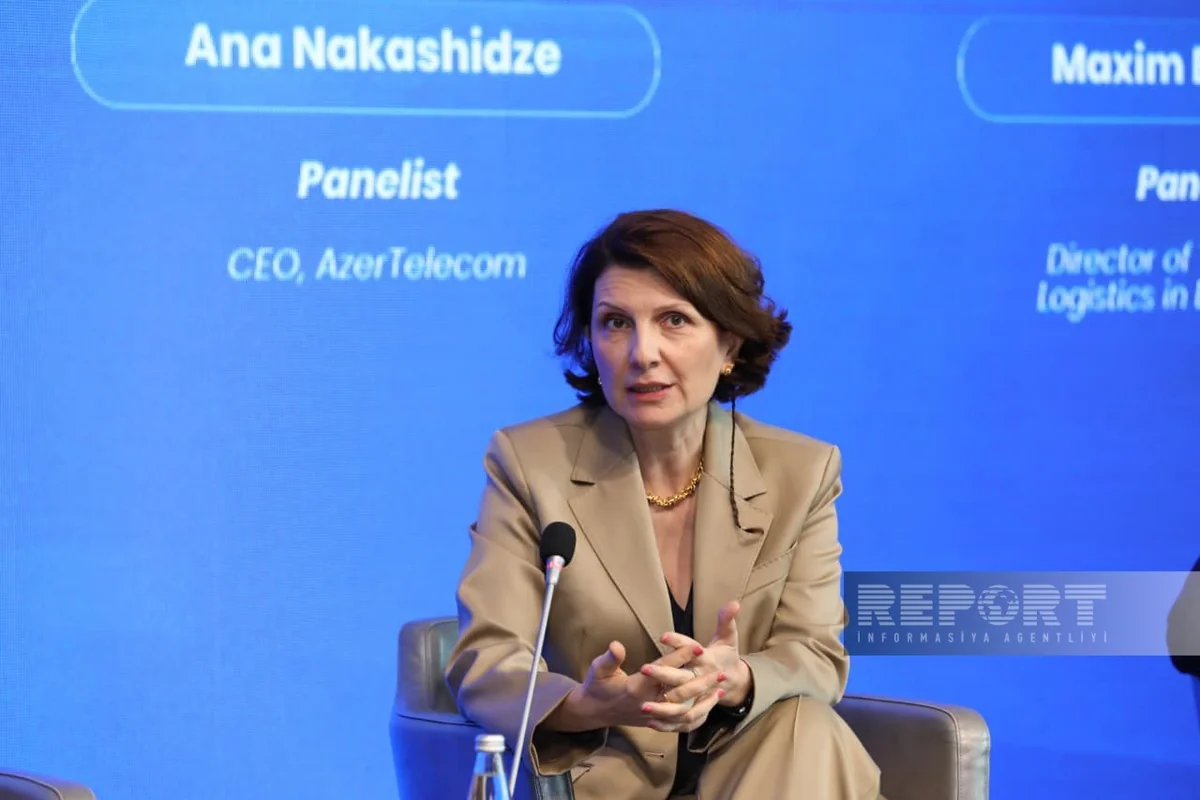
Ana Nakashidze: Second subsea cable may be laid across Caspian seabed
- 06 October, 2026
- 16:38
Stay up to date with the top news!
AzerTelecom LLC is considering laying a second fiber-optic cable along the bed of the Caspian Sea, which will allow for further diversification of digital infrastructure and enhance the resilience of the Middle Corridor, CEO of AzerTelecom Ana Nakashidze stated at the German-Azerbaijani conference in Baku, Report informs.
"The cable we have already laid along the bed of the Caspian Sea is currently capable of providing a bandwidth of over 400 Tbps. Thanks to the implementation of advanced DWDM technology, as technologies evolve, this figure can be increased to 600 Tbps. Nevertheless, given the current growth rate of demand, not only scalability and channel capacity acquire decisive importance, but also fault tolerance, availability of alternative routes, and route reliability. It is precisely to ensure diversification and increase resilience in the Caspian that a second cable will be laid," Nakashidze stated.
As noted by the head of the company, for the full formation of digital infrastructure along the Trans-Caspian International Transport Route, countries in the region need to harmonize regulatory and legal approaches regarding the right-of-way and registration of property rights for digital assets.
"Today, Azerbaijan's regulatory framework, as well as the legislation of other states in the region, does not provide a mechanism for registering digital assets. The digital era dictates the need to create a cable route map with a clear securing of property rights. The development of subsea infrastructure also raises the issue of the route registration procedure and the legal status of assets on the seabed," the CEO of AzerTelecom emphasized.
She drew attention to the fact that the need for a special regulatory regime is dictated by the specifics of the legal status of the Caspian Sea.
"The Caspian Sea is an enclosed body of water and does not fall under international maritime law. Unlike other seas, there are no neutral waters or direct access to the World Ocean here, which creates special conditions for attracting specialized vessels and conducting cable laying operations. For the Middle Corridor to transform into a full-fledged digital route on the international map, partners need to jointly develop a package of technological, legal, and commercial solutions," Nakashidze concluded.
Author