
 Baku 21° C
Tokayev: Limited transport links remain main challenge for landlocked countries
- 05 August, 2025
- 12:56
Stay up to date with the top news!
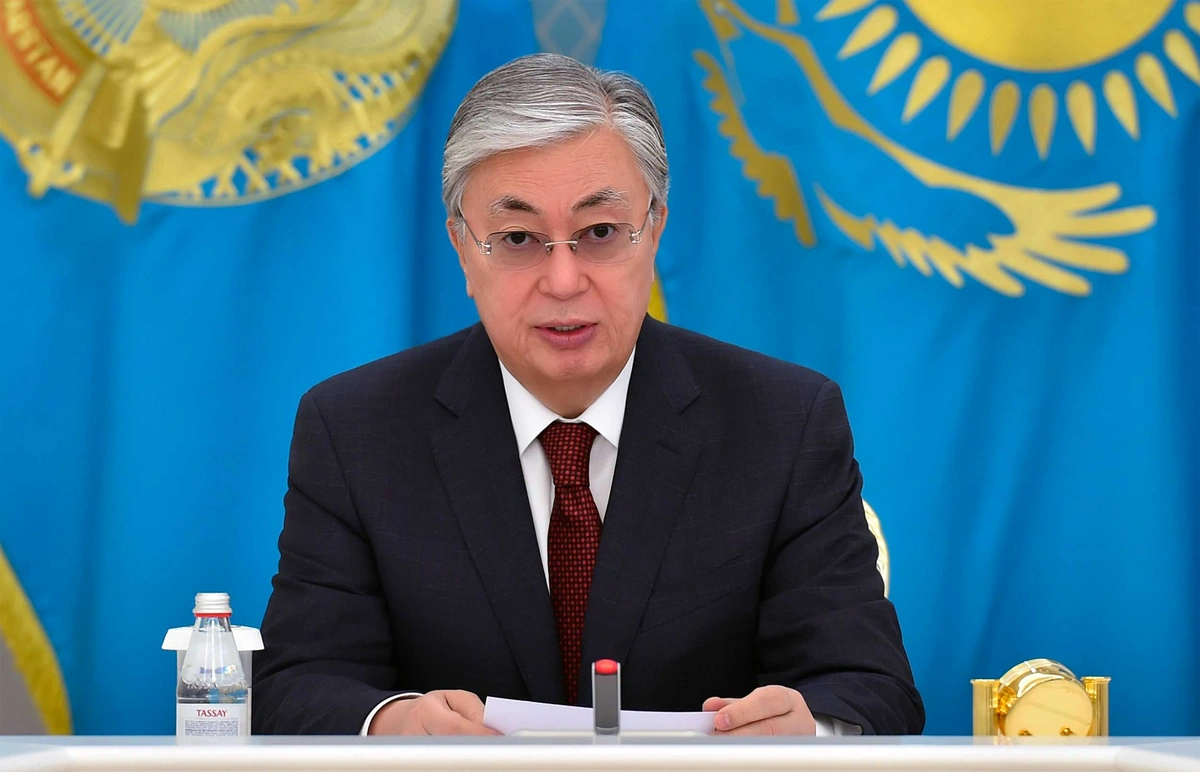
Limited regional transport connectivity continues to pose a major challenge for landlocked countries, said Kazakhstan’s President Kassym-Jomart Tokayev at the Third UN Conference on Landlocked Developing Countries (LLDCs).
According to Report’s Kazakhstan bureau, Tokayev stressed that this issue leads to a number of economic difficulties, including high transit and trade costs as well as vulnerability to geopolitical factors.
“These constraints affect citizens’ well-being and reduce competitiveness. They are further aggravated by conflicts, economic sanctions, supply chain disruptions, and growing global distrust. Nevertheless, Kazakhstan believes LLDCs should be seen as equal and promising partners in shaping the global agenda. The voices of landlocked developing countries must be stronger, our cooperation deeper, and our collective ambitions bolder,” Tokayev stated.
He noted that more than half a billion people in 32 landlocked developing countries still face barriers in accessing financing, technology, and global markets.
Kazakhstan fully supports the Avaza Programme of Action as a roadmap toward a sustainable, inclusive, and resilient future, he added. “This important initiative must gain political backing from transit countries, international development organizations, and financial institutions. Innovative financial mechanisms are needed to stimulate investment in key sectors such as transport, energy, and digital infrastructure,” Tokayev said.
The president also highlighted climate change as another pressing issue: “Many LLDCs face water shortages, melting glaciers, desertification, and other extreme weather events. Addressing these challenges requires coordinated regional efforts and active international support.”
To strengthen joint action on climate change, Tokayev invited participants to the Regional Environmental Summit, which will be held in Astana next April in partnership with the United Nations.
Author