
 Baku 18° C
Iran's policy of repression against southern Azerbaijanis discussed at conference held in Poland
- 11 September, 2023
- 08:05
Stay up to date with the top news!
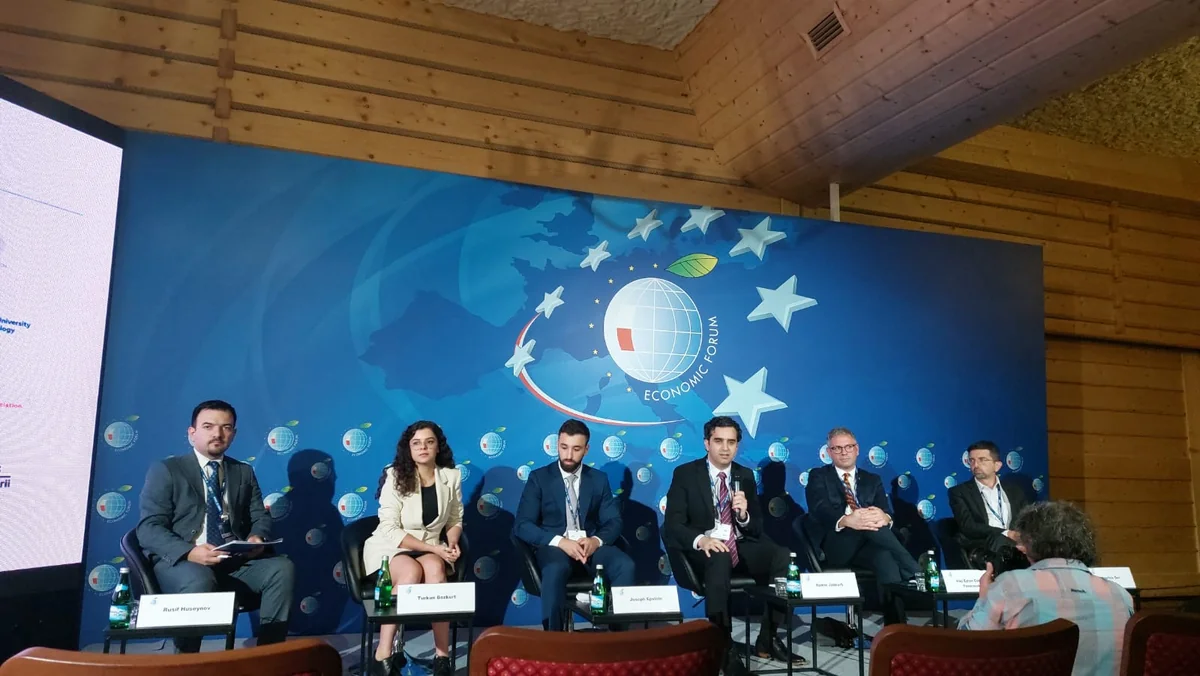
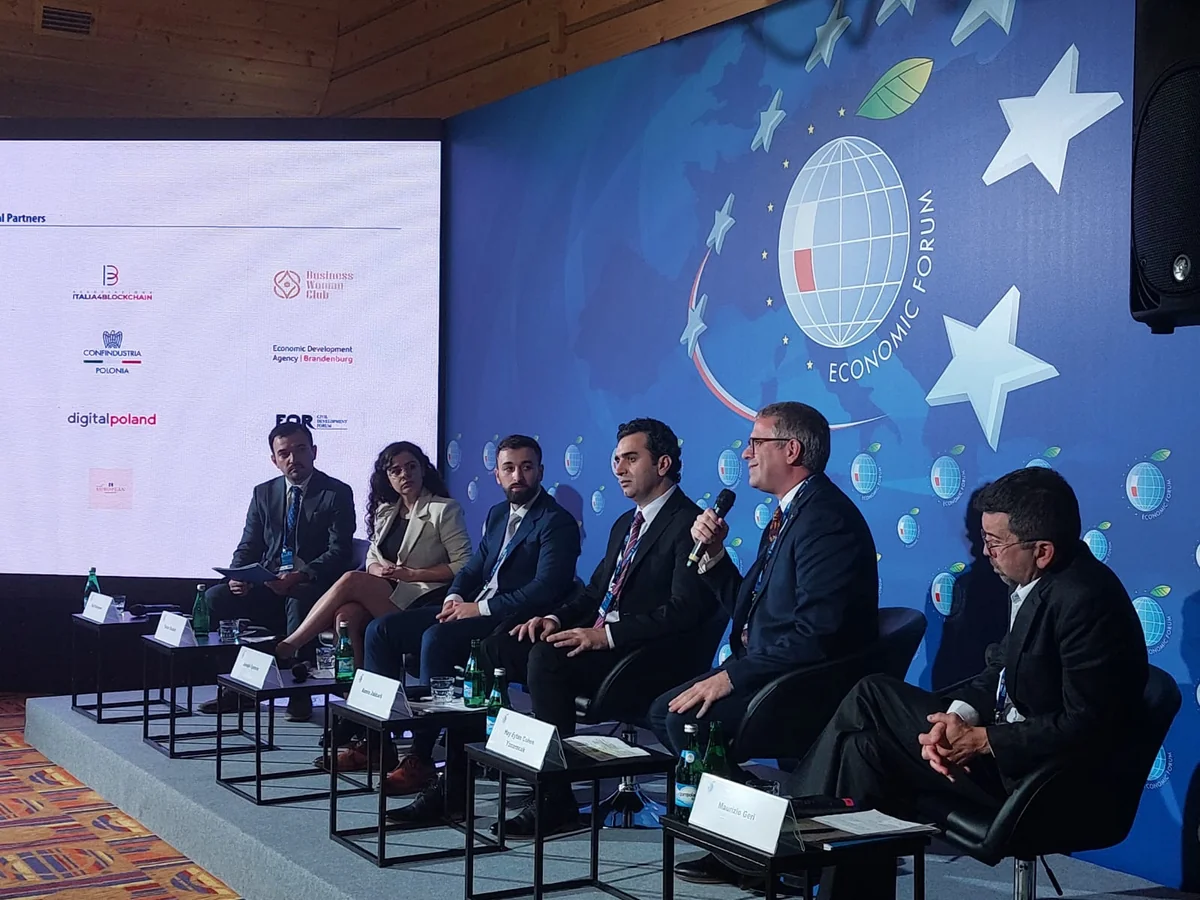
On 7 September 2023, Topchubashov Center hosted a panel at the 32nd Economic Forum in Karpacz, Poland, Report informs.
The panel entitled "Human Rights Situation in Iran: The Case of Ethnic Azerbaijanis" gathered several experts from all over the world.
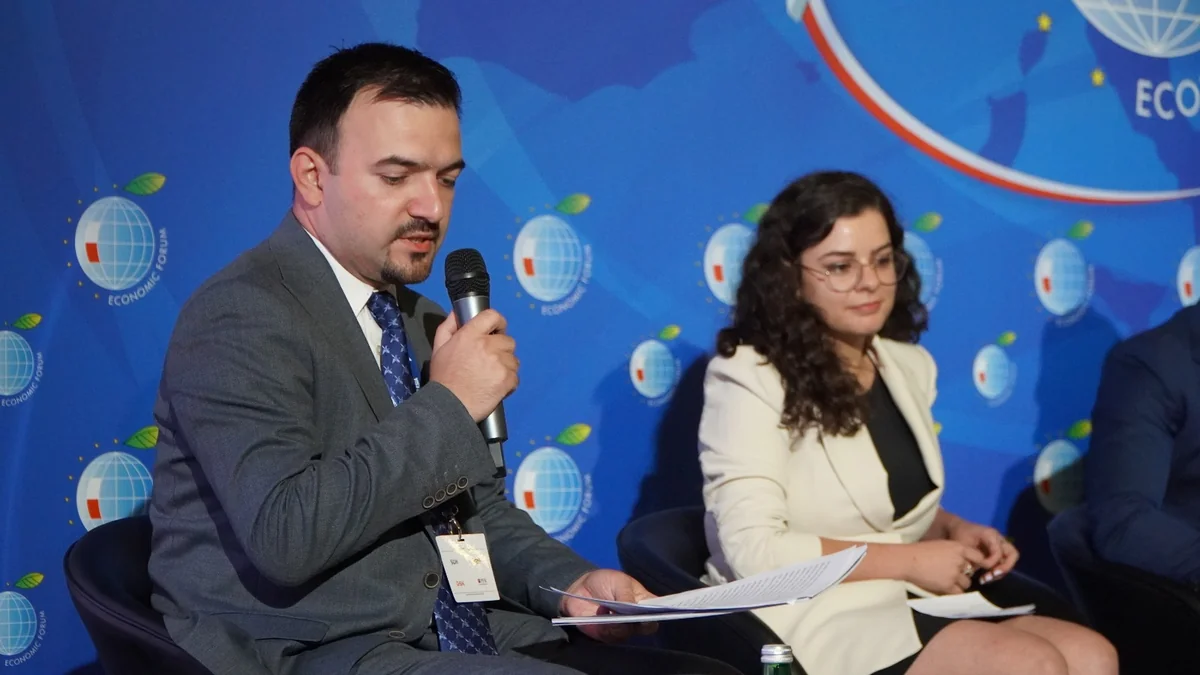
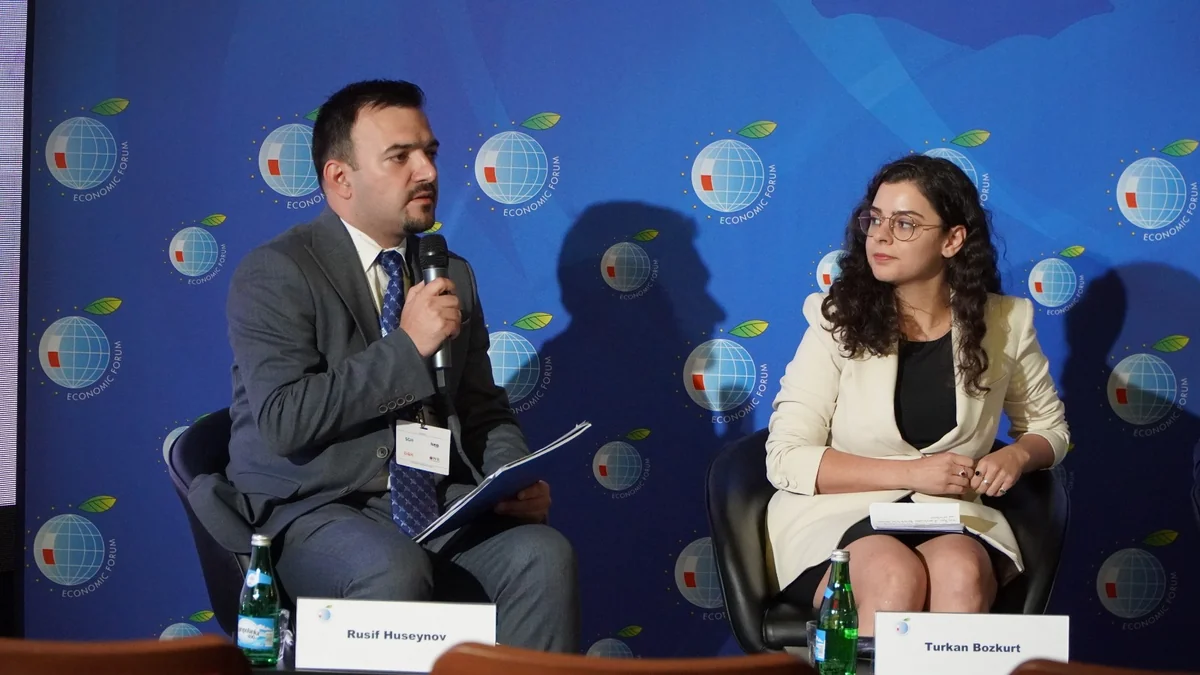
In his opening speech, Director of Topchubashov Center Rusif Huseynov, who was moderating the event, explained that the discrimination against Azerbaijanis in Iran is usually an understudied and under-discussed topic, despite their size as the biggest ethnic minority (15-30 million people, according to different estimates) and this panel was to pave way for more discussion in this direction.
In his turn, Ramin Jabbarli, a researcher at the University of Washington (Seattle, United States), explained how the discriminatory attitude of different governments in Iran toward the South Azerbaijanis had been conducted over the decades: the Persianization policy, change of toponyms, lack of education in mother tongue, and economic discrimination.
Turkan Bozkurt, a researcher at the University of Toronto (Canada), focused on the gender aspects of ethnic group rights in Iran, whose theocracy is known for “gender apartheid” and “misogynistic politics”. In this context, ethnic Azerbaijani women in Iran not only face discrimination based on their gender but also their ethnicity. Ms. Bozkurt referred to her human rights reports, which collected extensive data of the females arrested, tortured, and murdered during the months-long Mahsa Amini protests and mentioned influential Azerbaijani women such as Hadis Najafi and Elnaz Rekabi, who had become the icons of those protests.
Joseph Epstein, Legislative Fellow, Endowment for Middle East Truth (EMET) (Washington, DC, United States) who had lately penned a Newsweek article about the gradual disappearance of Lake Urmia, once one of the biggest saltwater lakes, explained why this ecological catastrophe was important to discuss. According to him, the situation around the aforementioned water basin is not only an environmental issue and it might have bigger implications: political, economic, and demographic. If the water level in the lake, which is located in an Azerbaijani-populated province, continues to shrink at this pace, it may cause the second-biggest displacement of population in history.
While discussing the lack of interest in the South Azerbaijan cause in the United States, Mr. Epstein suggested the Azerbaijani diaspora become more organized to be able to influence American political circles.
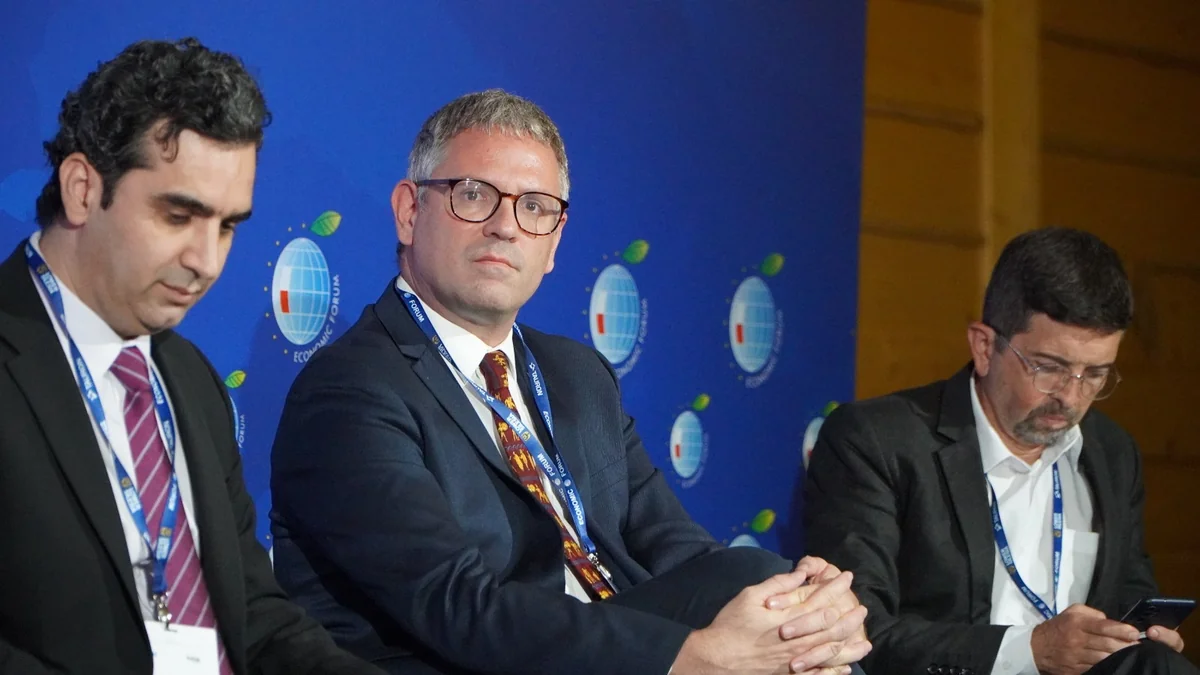
The last panelist Dr. Hay Eytan Cohen Yanarocak, a researcher at Moshe Dayan Center for Middle Eastern and African Studies at Tel Aviv University (Tel-Aviv, Israel) focused more on the geopolitical weight of the South Azerbaijan issue in the Middle Eastern and Caucasus context. According to him, this topic is among the factors that shape Tehran's foreign policy in the direct neighborhood, including an assertive and sometimes unfriendly attitude toward its northern neighbor Republic of Azerbaijan, as well as its geopolitical alignments, such as the partnership with Armenia, again built against Azerbaijan.




Author