Baku 22° C
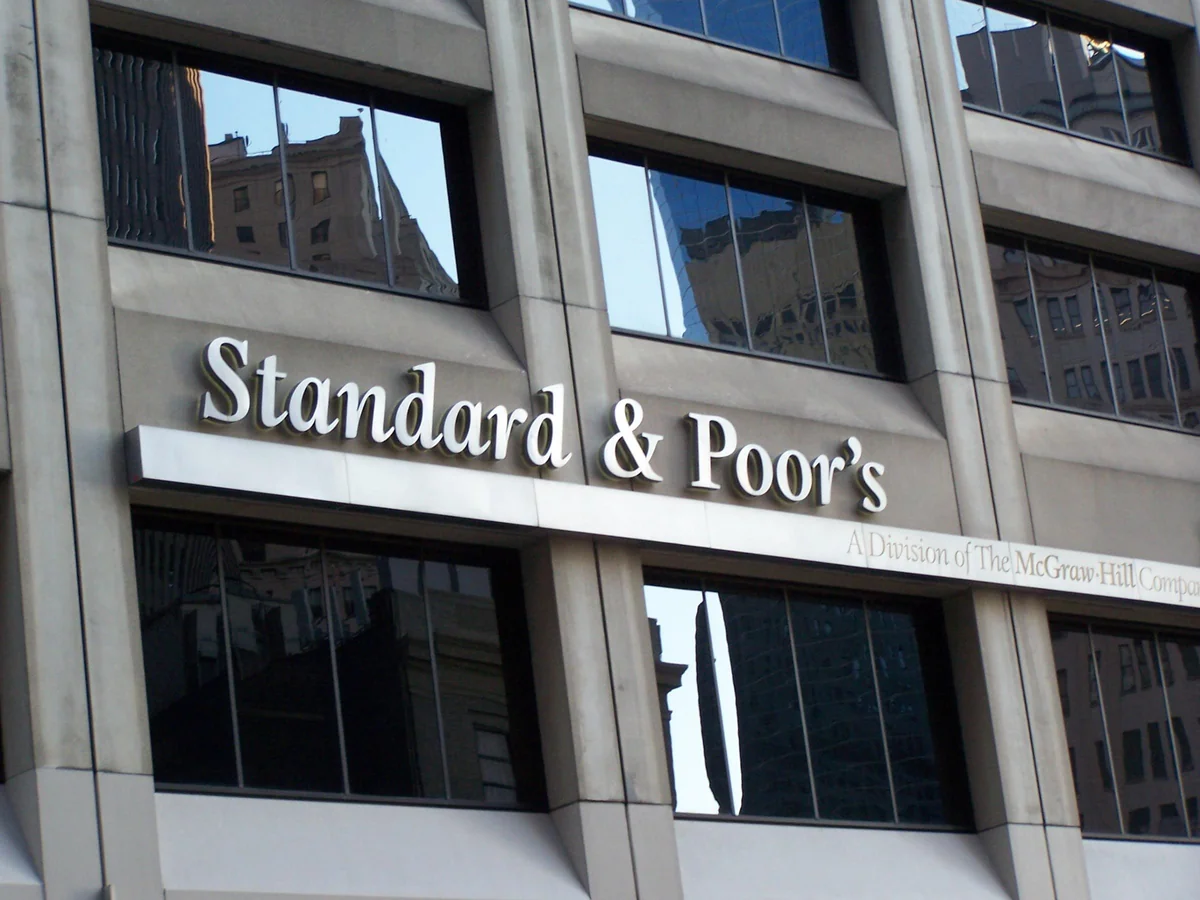
Standard&Poor's: Credit risks of economy grow in Russia
- 05 December, 2017
- 08:40
Stay up to date with the top news!
Baku. 5 December. REPORT.AZ/ Because of sanctions the Russian companies borrow loans and place deposits in domestic banks which make them more dependable on them.
Report informs referring to the Vedomosti newspaper, says review of Standard&Poor's international rating agency .
The sanctioned companies are reported to become more dependable.
According to S&P, more than 75% of Rosneft debt in 2013 accounted for bonds and syndicated loans from abroad. However, due to sanctions the company was deprived the opportunity to receive long-term external loans and by the mis 2017 the main source of financing was Russian loans. According to estimation of S&P, as of September 30, Transneft kept 64% of deposits at state banks, Gazprom held 60% of deposits and funds in Gazprombank. S&P clarifies that if the large bank faces challenges it will affect many companies which lose lose not only their money, but also major investors. The dependence of companies and banks are mutual, the stronger the dependence, the riskier it is for banks. Ratio of the loans issued by 20 biggest banks and own capital of Russian banks makes up 226%, one of the highest in the world.
Therefore, the default of one major borrower may affect whole banking system. S&P specialists warn that half of the banks approach to loan limits for one borrower. According to S&P calculations, indebtedness of some companies exceeds $ 40 billion, which banking system can provide to one borrower without violation of norms. According to the Vedomosti, which referred to the statements under IFRS in 2016 they were Rosneft and Gazprom.
Analysts are convinced that the tie of Russian companies with top five biggest banks can be stronger that shown in the accounts. S&P explains that Central Bank of Russia does not always consider the loans of tied sides, banks purchase the bonds of the companies: As of November 1, these securities in the profile worth $ 65 billion. After purchase of securities bank may instantly pawn them at the Central Bank or inter-banking market. Therefore, under sanctions the company refinances the currency debts.
Author