
 Baku 17° C
Minister: Energy, mining remain key areas of Azerbaijani investment in Pakistan - INTERVIEW
- 16 December, 2025
- 11:31
Stay up to date with the top news!
Against the backdrop of the transformation of the global trading system and the search for new sustainable formats for economic interaction, countries in the Global South are strengthening cooperation, building alternative investment and trade routes. In this context, relations between Azerbaijan and Pakistan are expanding beyond traditional political dialogue and are gradually becoming more deeply embedded in economic issues – from energy and infrastructure to digital technologies and financial instruments.
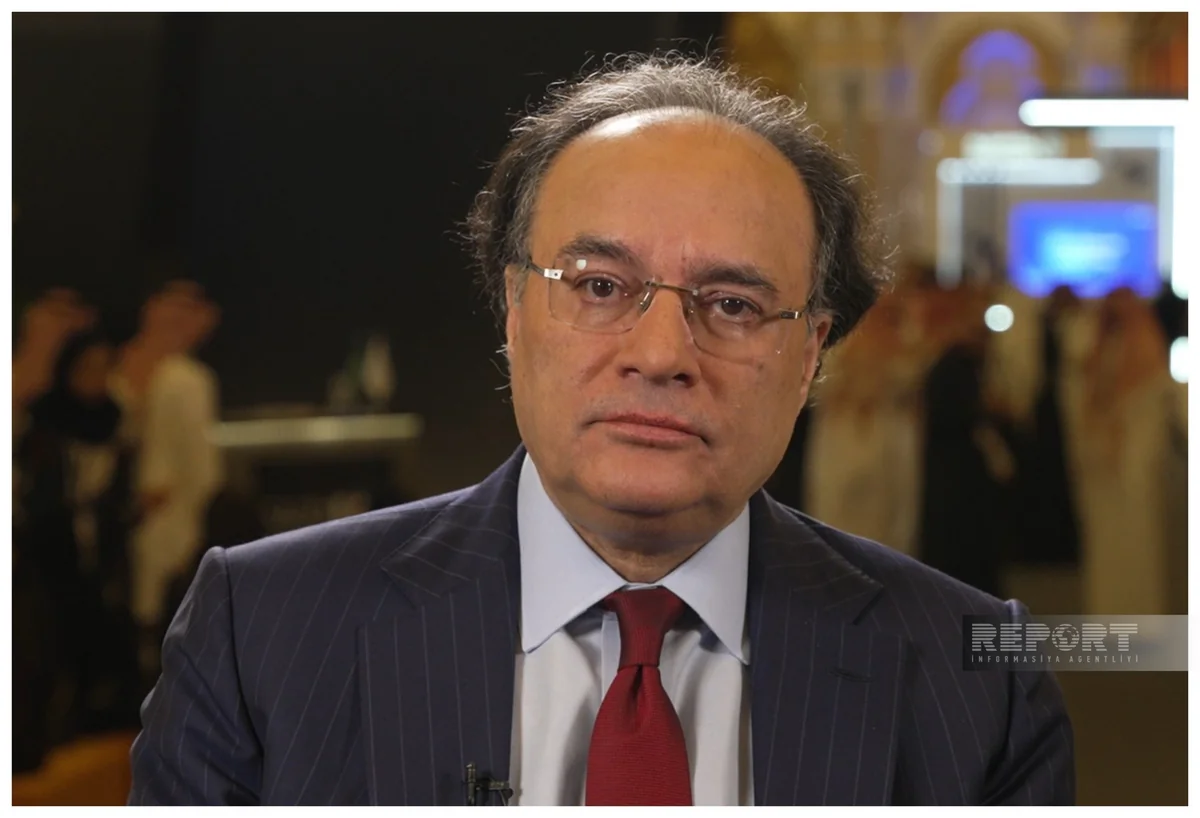
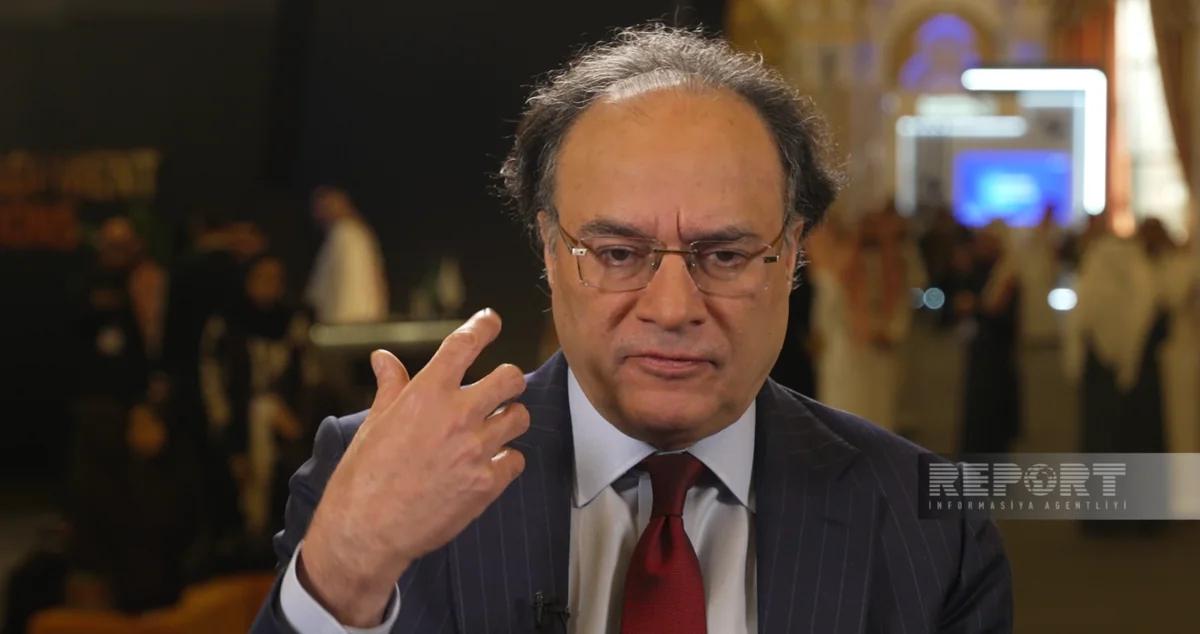
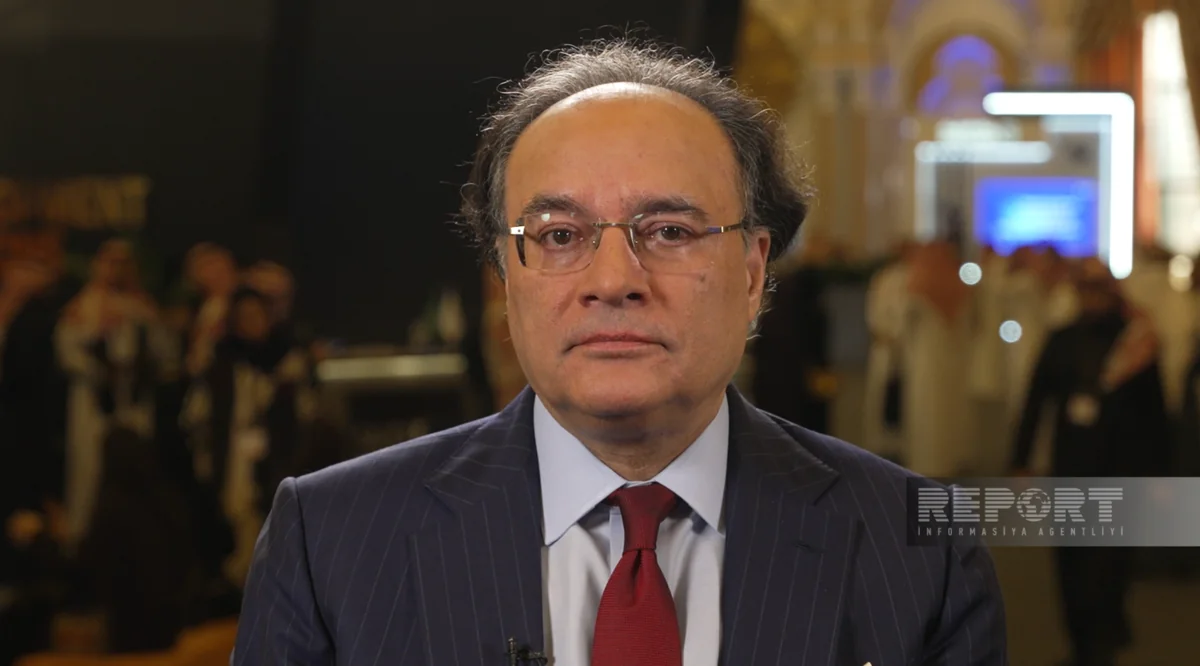
In an interview with Report, Pakistani Minister of Finance and Revenue Muhammad Aurangzeb discussed the current level of investment cooperation with Azerbaijan, the prospects for attracting Azerbaijani investment into the Pakistani economy, the role of energy and mining projects, and the strategic importance of digitalization and financial mechanisms for the development of bilateral trade.
Report presents the interview:
- How would you characterize the current level of investment and economic cooperation between Azerbaijan and Pakistan, and in which key sectors is the greatest potential for joint projects?
- Our overall relationship with the Central Asian Republics, and Azerbaijan in particular, was always strong. But since the time this administration has come in, it has continued to move from strength to strength.
Our prime minister [Muhammad Shehbaz Sharif] has been there [in Azerbaijan - ed.] a number of times. I was there during the COP29 timeframe [the UN Framework Convention on Climate Change held in Baku in 2024]. So there is now a very clear view that the strong relationship that we have from a G2G perspective now needs to translate into real numbers and into the economic side of things. That's where the trade and investment flows are going to become more and more important. So since your question is around the investment part of it, as you know, Azerbaijan has very publicly declared an appetite of close to $2 billion of investing in Pakistan.
A lot of projects are going to be in the areas of energy, oil and gas, can be minerals and mining and some of the other areas, but I would say at this point in time, these two are clear areas of focus as we move forward.
- Azerbaijan is considering investments in Pakistan, which is obviously a developing country, and the investment is around $2 billion. Could you provide more details on the structure of this potential investment package, and at what stage are the negotiations and the preparation?
- Yes, so at this point in time, what I can say is that a company like SOCAR is looking at an oil pipeline and coming in as a possible investor. Early days, discussions are still underway, but that's one of the first projects that we are hoping can cross the finishing line.
- Azerbaijan has expressed readiness to provide Pakistan with a further $1 billion loan as well. How do you assess this step, and which financing models, both bilateral credit or project financing, are viewed as the most preferable to Pakistan?
- From our perspective, it can take many forms and shapes. It can come in the form of a placement with our central bank. It can also be used, to your earlier point, in terms of financing some of their own investors who are coming into Pakistan. So, from our perspective, we in Pakistan are not looking forward to any aid. So we want it to be sustainable and therefore whatever comes in should be in the context of trade and investment, and any financing that is associated with that should be to help facilitate and structure the trade and investment flow from Azerbaijan into Pakistan.
- To what extent is Pakistan interested in participating in Azerbaijan's digital economy and the different projects that range from technology parks, IT innovation and cyber security, and fintech?
- I think obviously Azerbaijan has made very significant inroads in terms of their service centers, which are led by technology and AI, so there's a lot of learning that we can do from there, and successfully transfer it into Pakistan.
Pakistan itself is on the road to becoming a digital Pakistan, in terms of our payment flows, in terms of our payment rails, our government-to-government payments, government to G2P payments, and there's a lot that we can learn from Azerbaijan in that context. But overall, this is a large area, as I mentioned, minerals and mining and oil and gas, where we are hoping Azerbaijan and Azeri investors, but also other investors as well, get attracted into the digital infrastructure, into Web 3.0, AI in general, into Pakistan.
- Which new areas of cooperation, in your opinion, could become strategic for bilateral relations over the next five years? Could you include joint industrial zones, transport corridors, or energy cluster projects?
- I think the important thing for us is, and that's where Azerbaijan is going to, and our relationship with them is going to become very important, that as you can see, the global trade regime is under stress.
And therefore, the South-South cooperation, the new corridors between Pakistan, the Central Asian republics in general, and with Azerbaijan in particular, are going to become very, very important. Because the trade flows between the two countries at this point in time really do not do justice to the potential there is in terms of what we can export out of Pakistan into Azerbaijan and whatever we can import from there.
Having a trade flow of less than $50 million for the size of the two countries does not provide justification. I think there's a huge potential, and we are actively working on which areas we can start with in terms of making the trade flows more meaningful as we go forward.
- How important is the development of financial instruments between Pakistan and Azerbaijan, such as joint grants, guarantees, export credit insurance, and Islamic financial instruments?
- I think this is all going to become extremely important. As I said, financing is not an end in itself. Therefore, any measures aimed at simplifying financial settlements-whether through the opening of offices of Azerbaijani banks in Pakistan or the establishment of representative offices of our banks in Azerbaijan-will become important mechanisms for supporting our ambitious trade and investment agenda. All, I think, are going to be important facilitation mechanisms as we embark on this ambitious trade and investment agenda between the two countries.
Author