Baku 16° C
Romanian minister: Azerbaijan – strategic partner for energy security of Central and Southeastern Europe – INTERVIEW
- 06 August, 2025
- 15:20
Stay up to date with the top news!
Romania and Azerbaijan are continuing to strengthen their strategic energy partnership, moving beyond traditional gas supplies toward the joint implementation of ambitious infrastructure and green energy projects. Amid an unstable geopolitical environment, Bucharest regards Baku as a priority partner in diversifying energy sources, enhancing energy security, and developing sustainable energy in the region.
A key component of this cooperation is the Southern Gas Corridor (SGC), whose expansion Romania strongly supports to ensure connectivity for the Balkan countries. Another major step is the participation of both nations in the “Green Energy Corridor” project across the Black Sea, along with new forms of collaboration — from liquefied natural gas (LNG) supplies to the development of renewable energy sources, including green hydrogen.
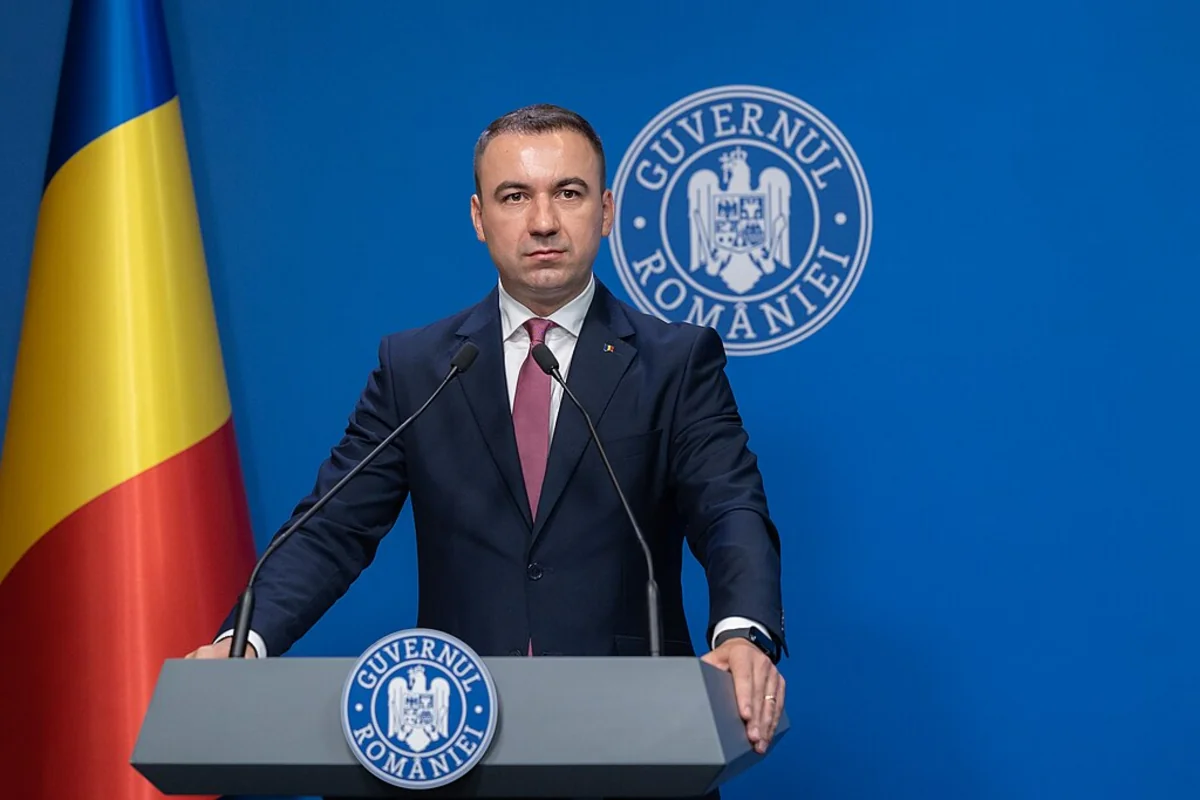
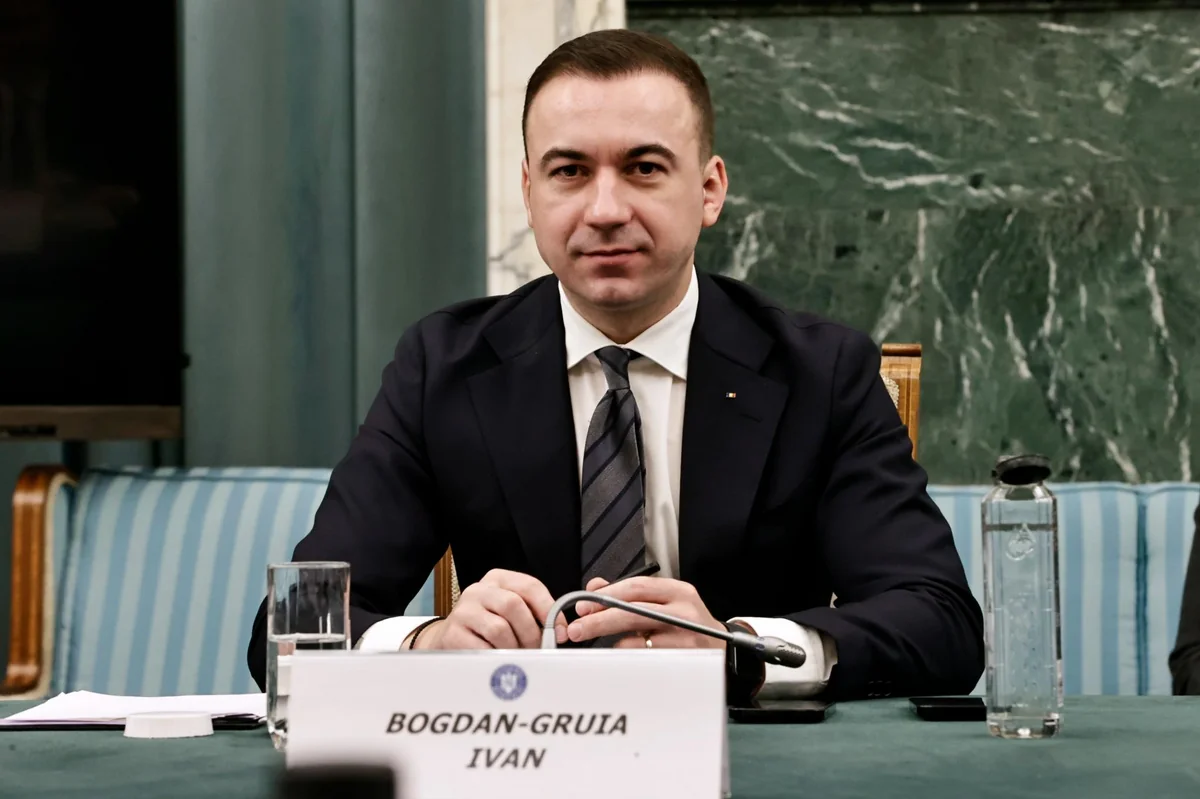
In an exclusive interview with Report, Romania’s Minister of Energy, Bogdan-Gruia Ivan, discussed the prospects for SGC expansion, SOCAR–Romgaz cooperation in LNG, and the future of green energy in Europe.
Below is the full text of the interview:
- Are there currently any negotiations regarding the resumption or increase of Azerbaijani gas supplies to Romania? What stage are these negotiations at, and is it possible to sign new agreements in the near future?
- We can state with confidence that as early as the end of 2022 ROMGAZ and SOCAR concluded a frame contract for gas supplies from Azerbaijan to Romania (General Conditions concerning the Delivery and Acceptance of Natural Gas), with unlimited viability. Such frame contract offers parties the possibilities to rapidly enter into individual contracts for certain periods of time, as the need may be. ROMGAZ plans to extend its role as gas supplier for the Southeast and Central Europe, and as such keeps open the possibility to import Azeri gas from SOCAR based on the existing frame contract.
On the energy side, following excellent relations, Romania continues to work with Azerbaijan on multiple energy projects, such as the Southern Gas Corridor – an EU initiative to secure a natural gas supply route from Caspian and Middle Eastern regions to Europe – and also on the submarine power cable in the Black Sea that works to deliver green energy produced in the Caucasian region.
- What is Romania’s position on the possible expansion of the SGC? What benefits and challenges do you see in this process for Romania and the region as a whole?
- In this difficult and challenging energy context, Romania appreciates Azerbaijan's active participation in the common efforts to strengthen Europe's energy security, through Azerbaijan's key role in the development of the Southern Gas Corridor and its commitment to increase Azerbaijani gas volumes for the European market. The Southern Gas Corridor has proven its essential contribution to securing and diversifying Europe's gas supply. We can say that the four years of operation of the Southern Gas Corridor have significantly changed the European gas market. However, the current energy context marked by numerous challenges and uncertainties brings an increased need for gas volumes on the European market, and this Gas Corridor can and must strengthen its strategic role in Europe's gas supply.
We have all the arguments in favor of the process of expanding the Southern Gas Corridor. Substantial additional gas volumes are needed and new suppliers are needed, especially in the countries of Central and South-Eastern Europe. We see the undeniable success of this gas transport infrastructure and its particular importance in strengthening Europe's energy security, which is why we are confident in the contribution of an expanded Southern Gas Corridor, which would also take into account the countries of South-Eastern Europe and the Balkans. These countries need to be connected to these important gas transmission projects in order to diversify their sources and supply routes. Some of them have valuable gas transmission infrastructure that could facilitate the expansion of the Southern Gas Corridor.
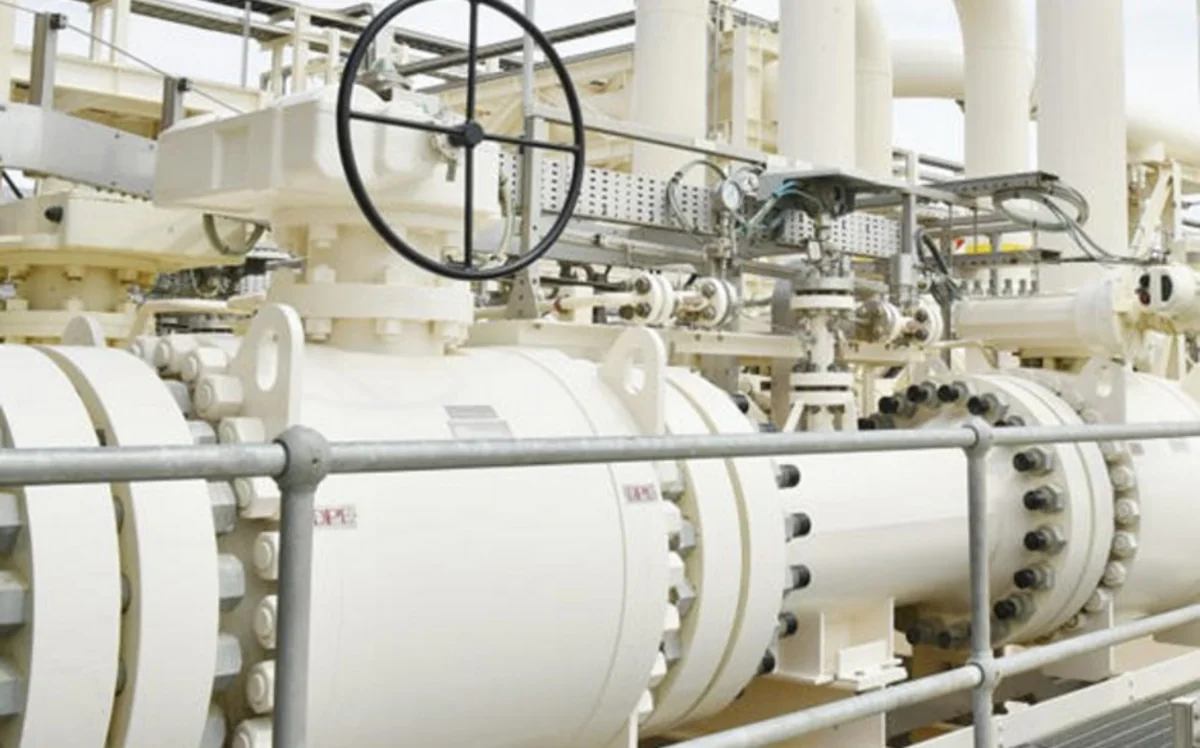
This large-scale project is mutually beneficial because, in this way, the geography of Azerbaijani gas exports is diversified, while Europe's energy security is strengthened. There must be a common desire of the participating countries to put this expansion plan into practice following a comprehensive analysis of all aspects that this expansion project would entail. Of course, vision, political will and determination and even courage are needed in such a volatile and unpredictable energy context to make this expansion plan a reality.
- How do you assess Azerbaijan’s potential in providing Romania and Europe with carbon-neutral energy sources? In which areas of energy cooperation with Azerbaijan do you see the greatest prospects?
-Romania and Azerbaijan maintain a strong strategic dialogue on energy and renewable cooperation is a growing priority. While specific solar or wind projects are not currently under negotiation, both countries have expressed mutual interest in advancing joint initiatives in green energy.
Romania sees significant prospects in several key areas of energy cooperation with Azerbaijan, primarily due to Azerbaijan's strategic role as an energy producer and Romania's position as an EU member seeking energy diversification and security. At the same time, Romania sees natural gas imports, green electricity transmission, Black Sea energy transport infrastructure, and regional energy security as the most promising areas of cooperation with Azerbaijan. These align with EU priorities on diversification, green transition, and geopolitical resilience.
- Is Romania negotiating with Azerbaijan on joint renewable energy projects, such as solar and wind energy? How important are supplies of “green” hydrogen from Azerbaijan for Romania?
- An important project in which Romania and Azerbaijan are partners, along with Hungary and Georgia, is the Green Energy Corridor Project. The Green Corridor project represents an important step in the development of a modern and sustainable energy infrastructure for our countries. It contributes essentially to strengthening national and regional energy security, increasing connectivity in the Black Sea basin, diversifying supply sources, capitalizing on the renewable energy production potential and increasing the share of renewable energy in the national energy mix. At the same time, the Corridor has a tremendous potential to contribute to the security of supply of the whole Europe, especially in the current disconcerting geopolitical context.
We attach particular importance to the development of this project. This initiative could also prepare the way for future cooperation in areas such as green hydrogen, which Romania sees as a key component of the long-term energy transition and industrial decarbonization.
- What is the current stage of the joint SOCAR and Romgaz project, which includes an LNG production plant, a regasification plant, and other facilities necessary for transporting gas from the Caspian Sea?
- Based on a Memorandum of Understanding concluded in October 2022, SOCAR and ROMGAZ entered into cooperation with regard to the development of the above project. The Parties engaged relevant consultancy services for a comprehensive analysis of the technical, economic, and commercial feasibility of such project.
The results of the study indicate the potential opportunity for a scenario of LNG deliveries to Romania of up to 9 bcm/year, envisaging investments in a dedicated pipeline from Azerbaijan to the Georgian Black Sea shore, in liquefaction/re-gasification terminals in Georgia and respectively in Romania, and in transporting LNG vessels. Based on these outcomes, the Parties are assessing how and when to further proceed with the project. No decision in this respect has been taken so far.
- Azerbaijan and Romania also planned to build terminals on the Black Sea coast for LNG transportation by tankers. What is the current status of this project?
- As emphasized in the Memorandum of Understanding concluded in October 2022, the development of LNG terminals on the Black Sea coast remains part of the broader framework of cooperation between SOCAR and Romgaz.
Following a comprehensive feasibility study, the project has demonstrated promising potential, including the construction of liquefaction and regasification facilities and associated maritime transport infrastructure. The study highlighted the viability of LNG deliveries of up to 9 billion cubic meters per year.
At this stage, the project is under joint evaluation by both parties, who are analyzing the technical and financial parameters necessary for its implementation. While no final decision has been taken yet, the dialogue remains active and constructive, reflecting the shared strategic interest in enhancing regional energy connectivity.
- How do you assess the current state of Romania’s oil refining industry? Is the country considering expanding cooperation with Azerbaijan in the supply of crude oil for Romanian refineries? Can AI-95 gasoline be produced at SOCAR’s refinery in Romania?
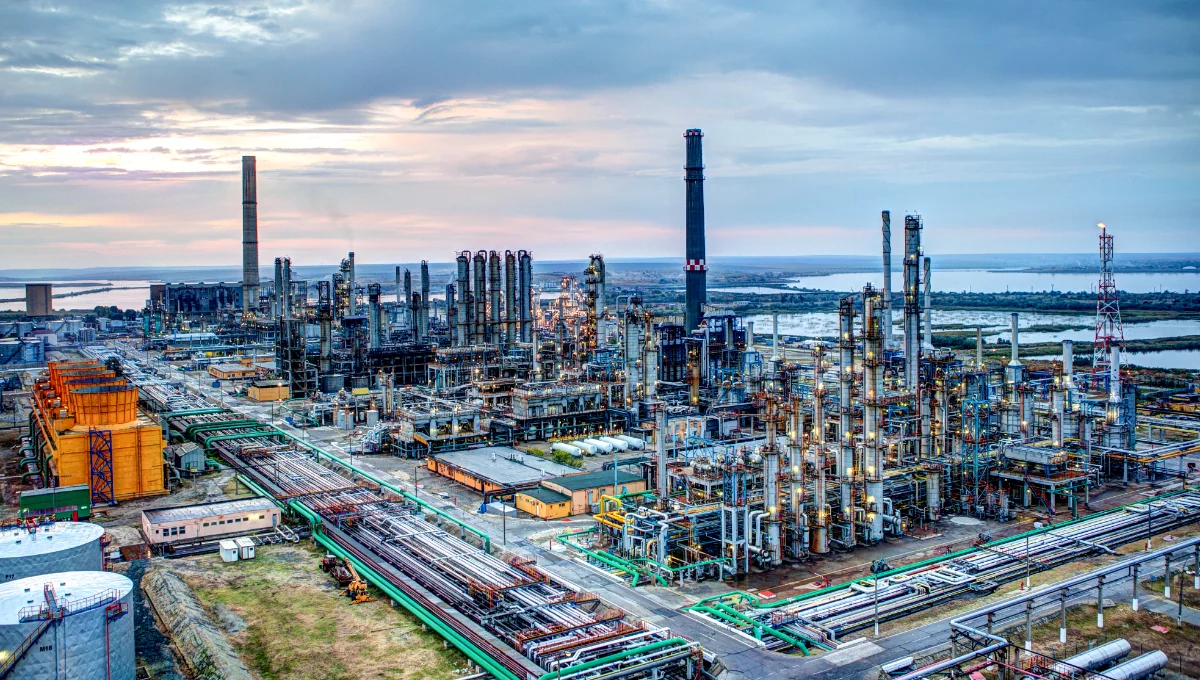
- In Romania, the refining industry represents not only a field of activity with great tradition and impact on the national economy, but also one with a special evolution in the economic context of recent years. It is one of the sectors in which Romania can build significantly and on which Romania can rely for development in the coming years. The refining sector in Romania consists of four operational refineries: Petrobrazi (owned by OMV Petrom), Petromidia and Vega (owned by Rompetrol) and Petrotel (owned by Lukoil) with a total operational capacity of approximately 12 million tons per year. SOCAR does not own a refinery in Romania, but it is developing a solid network of gas stations consisting of 79 stations and operates 4 fuel depots, thus consolidating its distribution capacity. SOCAR offers an extensive range of products and services in the field of fuel, lubricants, petrochemicals and bitumen trade, becoming one of the important players on the fuel distribution and petroleum products trading market in Romania. Following the significant investments that SOCAR has made, the company has become an important landmark on the Romanian fuel market. SOCAR is carrying out important projects in Romania and Romania is a serious partner for any investor who creates jobs and makes substantial investments in both the upstream and downstream areas.
- What are the prospects for SOCAR Petroleum SA in Romania to sell oil and petroleum products produced at the Petkim and STAR refineries in Türkiye, as well as at the methanol and urea plants in Azerbaijan?
It should be mentioned that the oil market in Romania is a liberalized market, crude oil being a publicly traded product on a global market. The oil market in Romania is a market that operates on the principles of free competition, each participant having the freedom to develop its own strategy.
Considering the geopolitical developments that significantly marked the regional and global energy context, Romania expresses its confidence that the security of crude oil and petroleum products supply for the Romanian market will continue to rely in the future on the contribution of the Azerbaijani oil industry.
If SOCAR is interested in selling oil and petroleum products produced at its refinery in Türkiye on the Romanian market, we can only be happy that Romania is part of the priority areas for developing SOCAR's business. Exploratory discussions can be initiated between the two Parties, at the level of relevant companies from the two countries in the various energy cooperation formats promoted between Romania and Azerbaijan.
- What steps is Romania taking to enhance energy security and diversify supply sources? What role does cooperation with Azerbaijan play in this process?
Romania plays a key role as a regional energy hub, with a modern and operational gas transport infrastructure—BRUA, the Iași-Ungheni-Chișinău pipeline, the Trans-Balkan Corridor in reverse flow, and robust interconnections with neighboring countries. Ongoing projects, such as the Black Sea–Podișor pipeline and the expanded Arad–Szeged Interconnector, further support gas flows from the Black Sea, Caspian region, and LNG terminals in Türkiye and Greece to Central and Eastern Europe.
TRANSGAZ continues to invest in infrastructure that enables diversified gas supply to both Romania and its neighbors, including Moldova. These efforts align with broader European goals and can complement the Southern Gas Corridor’s expansion, in which we see Azerbaijan as a vital partner.
Strategic projects like Neptun Deep—set to begin production in 2027—will reinforce Romania’s status as the EU’s leading gas producer and strengthen regional energy security.
Equally important is our cooperation with Azerbaijan on flagship initiatives such as the Green Energy Corridor across the Black Sea and plans for an LNG terminal on Romania’s coast. Together, we are advancing solutions for both conventional and renewable energy, ensuring a balanced, secure, and sustainable energy transition.
Natural gas remains essential as a transitional fuel, supporting energy system stability and decarbonization efforts without compromising affordability or supply security.
- Is Romania considering the implementation of joint gas-chemical projects with Azerbaijan, including the production of petrochemical products for export?
Romania is open to exploring a wider cooperation with the Azerbaijani side, and as soon as such projects prove to be viable, they can be discussed between the two sides, at the level of the relevant ministries, at the level of energy working groups or within the framework of the Joint Intergovernmental Commissions organized between the two countries.
The chemical and petrochemical industry sector is under the coordination of the Ministry of Economy, Digitalization, Entrepreneurship and Tourism. We are interested in such projects and I can tell you that ROMGAZ company, the most important gas producer in Romania, is currently analyzing the acquisition of the assets of AZOMURES, the largest fertilizer production plant in Romania, that will give Romanian gas greater added value, while also being able to capitalize on the resources extracted from the Neptun Deep project in the Black Sea.
- Is Romania open to new investments in the energy sector? In which areas do you see the greatest interest for Azerbaijani companies?
- Romania is fully open to new investments in the energy sector and offers a stable and predictable environment for long-term partnerships. We welcome Azerbaijani companies to explore opportunities across a wide range of areas, including natural gas infrastructure, LNG development, renewable energy, hydrogen, and energy storage.
Given our strategic bilateral cooperation and Romania’s ongoing transition toward a cleaner and more diversified energy mix, we see strong potential for Azerbaijani investment in both conventional (e.g.natural gas) and green energy projects. Joint ventures in gas production and transport, as well as emerging sectors like solar, wind, and green hydrogen, represent key areas of mutual interest.
Romania values partnerships that contribute to regional energy security, innovation, and sustainability—and remains a reliable and supportive partner for serious, long-term investors.
Author