Baku 23° C
Nearly half of IGB's annual capacity already booked
- 21 July, 2022
- 13:35
Stay up to date with the top news!
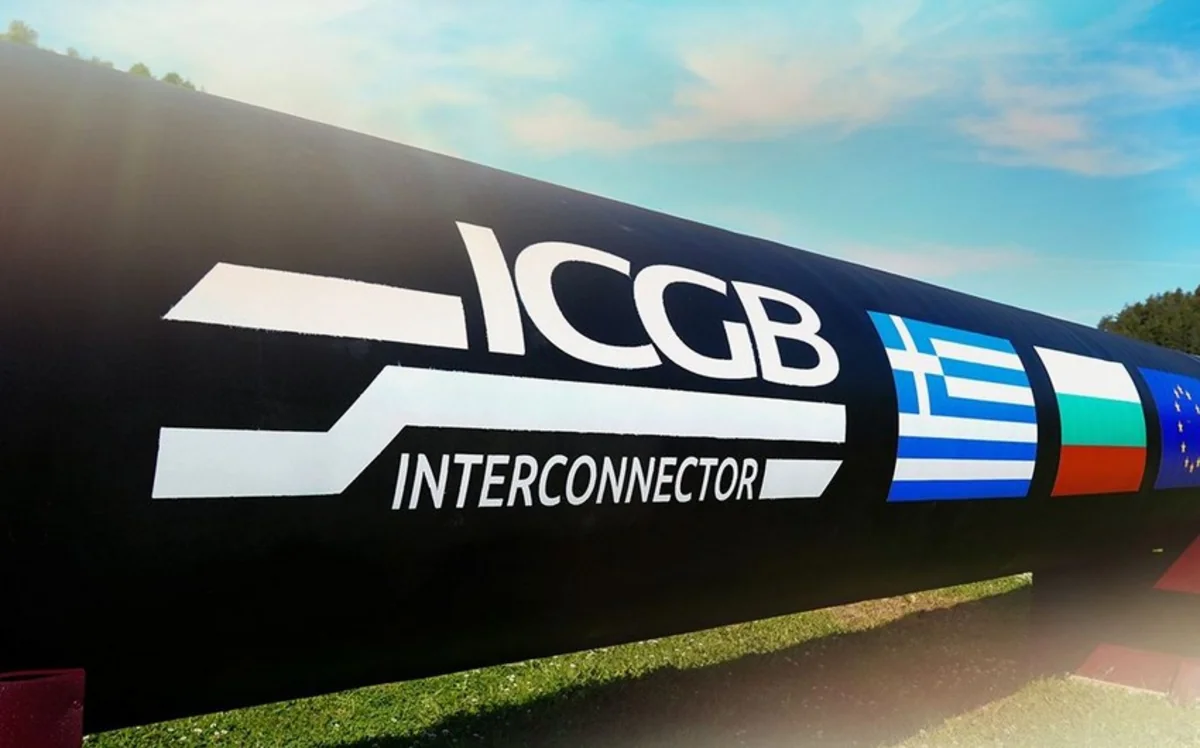
The Interconnector Greece-Bulgaria (IGB) pipeline already has about half of its annual 3 billion cubic meters (bcm) capacity booked, so initial volumes will be transported from Greece to Bulgaria to cover the needs of the national gas market in Bulgaria, a spokesperson for IGB told Upstream, Report informs.
The pipeline was pressured with about 3.7 bcm early in July as part of its commissioning process.
Commercial launch depends on two main elements — the overall readiness of the pipeline and the completion of a number of administrative procedures in Bulgaria and Greece, the spokesperson said.
A contractor is currently working on the implementation and testing of a communication and management system that will operate automatically along the entire length of the interconnector.
At the same time, the project company is counting on "active and continuous institutional support in Greece and Bulgaria in order to complete necessary administrative procedures".
These procedures can take up to three months, but IGB is hopeful that, given the importance of the project, there will be "political will to speed up these processes" so the pipeline can be operational before the cold-weather season, the spokesperson said.
The operator expects to start the first gas shipments no later than October 1, 2023.
The gas pipeline was officially put into operation on July 8, 2022.
The IGB provides for the transportation to Bulgaria of the gas produced at the II stage of operation of the Shah Deniz gas condensate field in the Azerbaijani sector of the Caspian Sea. The state company Bulgargaz EAD signed a contract with the Shah Deniz consortium for the supply of 1 billion cubic meters of gas from the Shah Deniz-2 field. Azerbaijani natural gas will meet 25-30% of Bulgaria's needs.
Some 150 kilometers of the pipeline with a total length of 182 kilometers run through the territory of Bulgaria. The annual capacity of the pipeline is expected to be 3-5 billion cubic meters.
Author