Baku 17° C
Márk Alföldy-Boruss: SOCAR-MOL agreement opens new stage of Baku-Budapest energy partnership - INTERVIEW
- 04 June, 2025
- 13:19
Stay up to date with the top news!
Against the backdrop of Europe's growing need to diversify its energy sources and supply routes, Hungary views Azerbaijan as a key strategic partner. Budapest is not only strengthening long-term ties with Azerbaijani energy structures, but is also actively involved in new cross-border projects - from gas supplies to the implementation of the Green Energy Corridor.
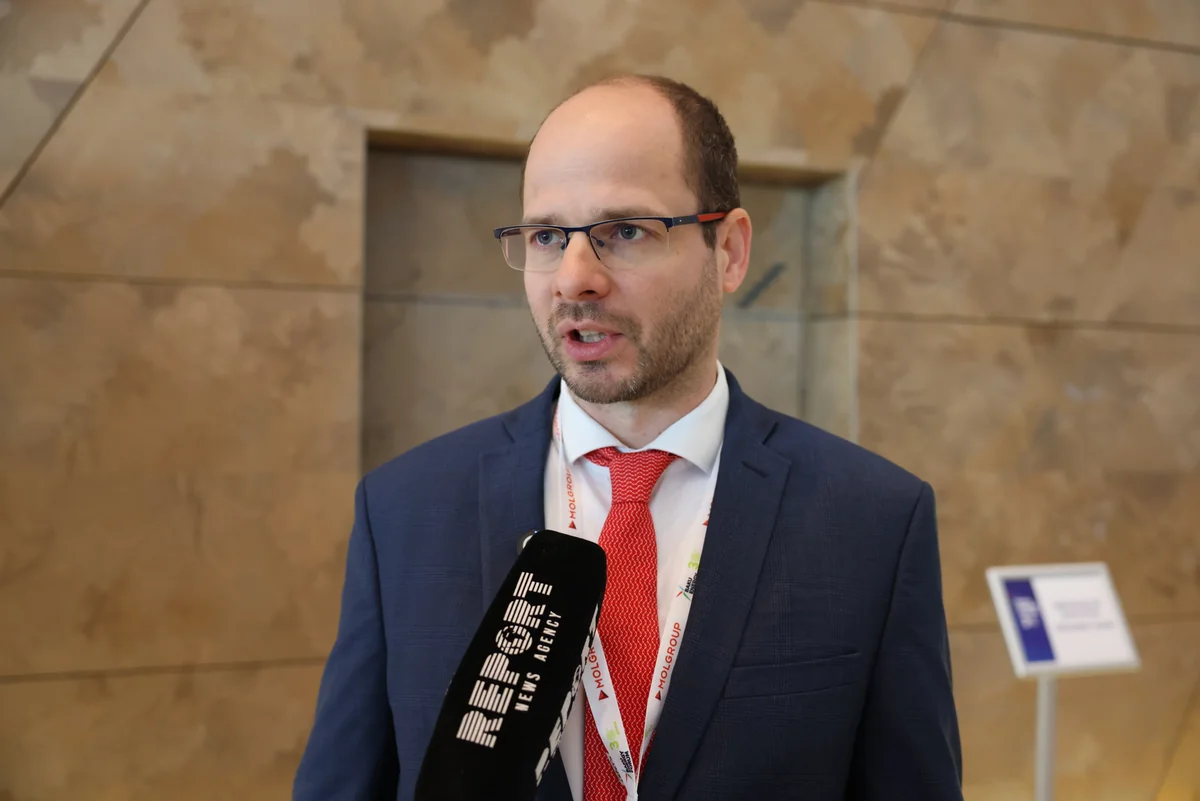
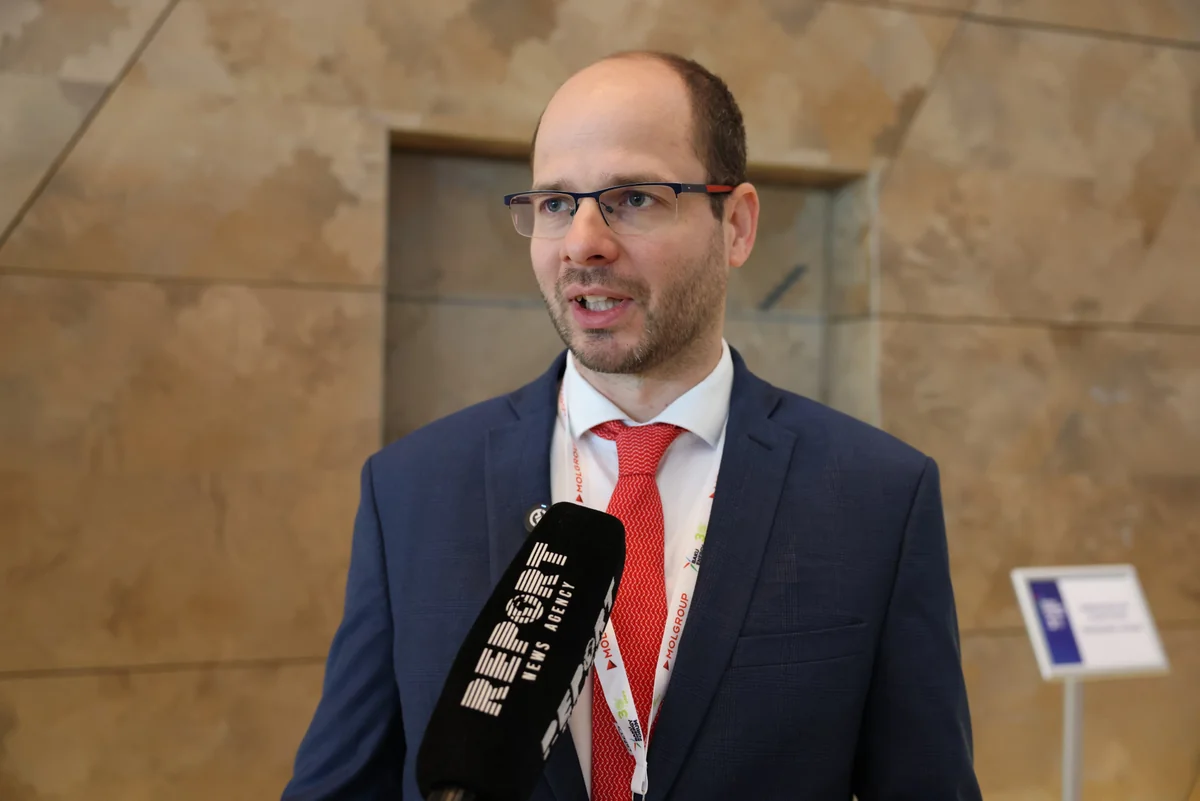
In an interview with Report, Márk Alföldy-Boruss, deputy state secretary for energy policy at the Hungarian Ministry of Energy, spoke about the significance of the latest agreement between the State Oil Company of Azerbaijan (SOCAR) and MOL Group, Hungary's strategic goals in the field of energy security, as well as the prospects for green energy in partnership with Azerbaijan.
Report presents the interview:
- How do you assess the agreement signed yesterday between SOCAR and MOL at the 30th Baku Energy Forum? What impact can it have on Hungary in the short and long term?
- The partnership between MOL Group and SOCAR has a five-year history. The first agreement between the companies was signed five years ago, and within its framework, a joint project is already being implemented in Azerbaijan. The new agreement is the second most important, and perhaps even more ambitious initiative. MOL Group is a key supplier of oil to Hungary. It is a Hungarian company with Hungarian management, active in Central and Eastern Europe. It supplies oil not only to Hungary but also to Slovakia, and is also active in neighboring countries, where its three refineries are located. For MOL, it is vital to have a variety of sources and supply routes. In this sense, cooperation with SOCAR and access to the Azerbaijani market play an important role in ensuring energy sustainability and long-term security of supply. In addition, the state-owned MVM Group is also developing ties with Azerbaijan. Last year, it acquired a 5% stake in the Shah Deniz gas condensate field. This is another step towards diversifying energy supplies to Hungary.
- In your opinion, what role does Azerbaijan play in ensuring Europe's energy security and Hungary's participation in this process?
- As I have already noted, we have two specific energy projects with Azerbaijani partners - with MOL Group and MVM Group in the hydrocarbon sector. For Hungary, which imports about 70% of its energy resources, it is critical to diversify both sources and supply routes, because the country is dependent on these resources and is vulnerable in terms of energy supply. In this context, we increasingly count on Azerbaijan as a reliable and stable partner. We highly value the potential for further development of cooperation.
The good news is that diversification is now possible not only in the field of traditional resources, but also in the field of green energy - thanks to the Green Energy Corridor initiative. We expect that approximately 4 gigawatts of wind and solar energy produced in Azerbaijan and the Caspian Sea region will be able to reach the European market, with a final destination in Hungary. This is an important step towards the transition to sustainable energy.
- Are there currently ongoing negotiations on expanding the supply of Azerbaijani gas to Hungary?
- Yes, negotiations between the two countries are ongoing. The projects with MOL Group and MVM Group are just the first steps. We hope that these relatively small supply volumes will be increased in the near future. Hungary is interested in developing sustainable and reliable energy links with Azerbaijan.
Author