Baku 16° C
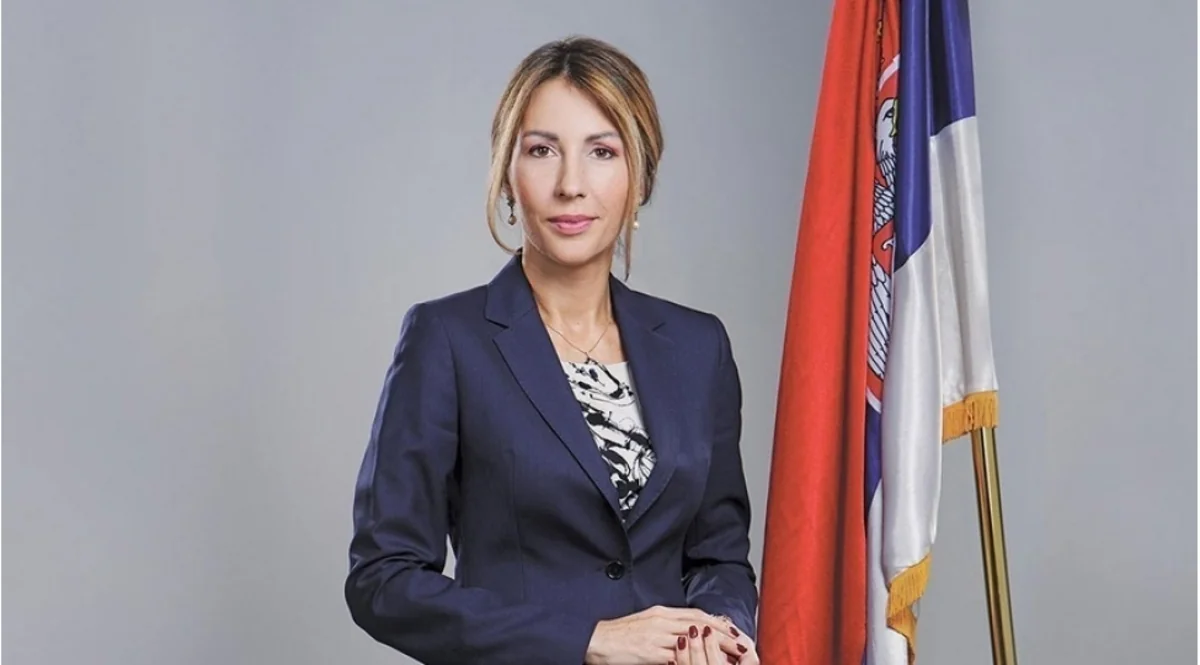
Dubravka Đedović-Handanović: Azerbaijani gas to participate to greater extent in supply of Serbian market
- 28 July, 2025
- 10:17
Stay up to date with the top news!
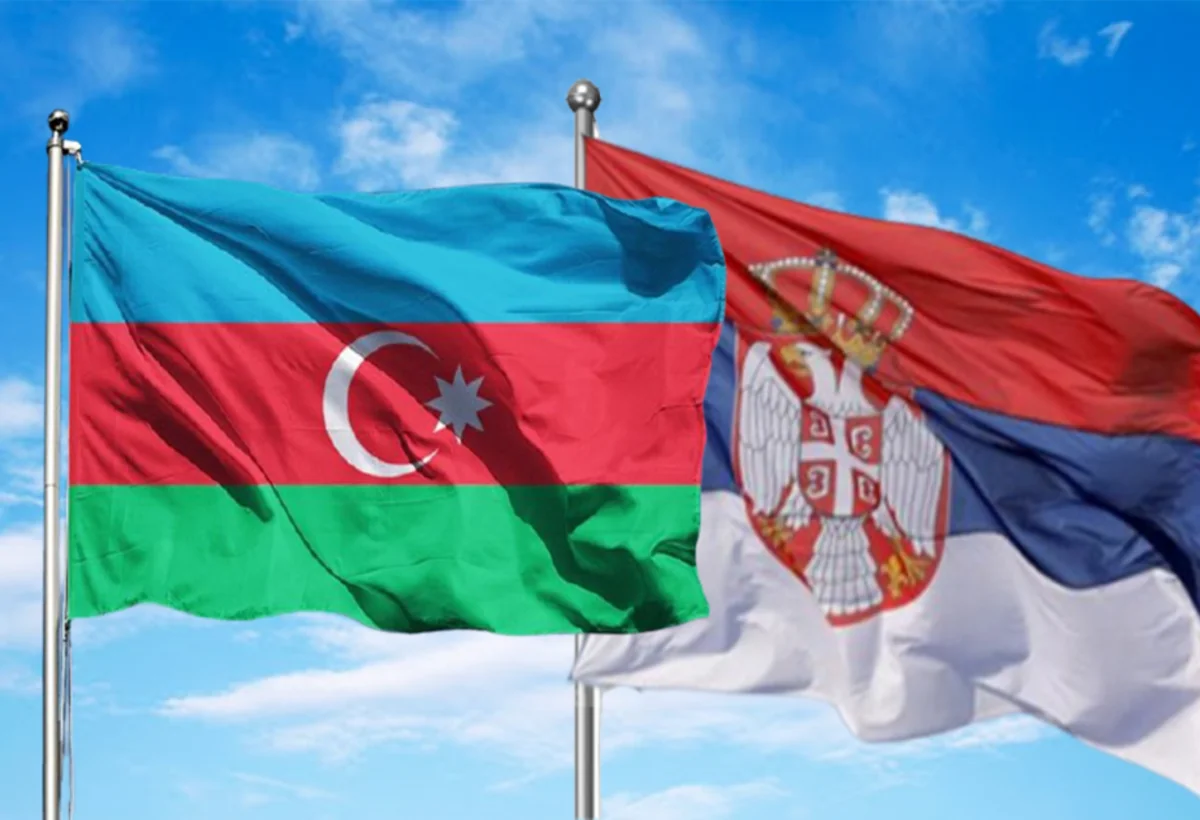
Serbia and Azerbaijan are actively developing an energy partnership, strengthening cooperation in key areas — from gas supplies to joint implementation of infrastructure projects. Against the backdrop of efforts to diversify energy imports and enhance energy security, Belgrade views Baku as a reliable supplier of natural gas and an important partner in sustainable energy development.
The launch of the gas interconnector in the Kalotina region has opened additional opportunities for imports, including through the Southern Gas Corridor, which Serbia considers a strategically important and long-term route.
In addition to traditional energy resources, the two countries are building cooperation in the field of "green energy" — a signed memorandum of understanding has already laid the foundation for joint initiatives in the area of renewable energy sources.
In an interview with Report, Serbian Minister of Mining and Energy Dubravka Đedović-Handanović spoke about current projects, new opportunities, and prospects for deepening energy cooperation between Serbia and Azerbaijan.
We present the interview to our readers:
- In recent years, energy cooperation between Serbia and Azerbaijan has shown positive dynamics - from gas supplies to discussions of promising infrastructure and investment projects. How would you generally characterize the current state of bilateral cooperation in the energy sector? Which areas do you consider priority in the medium term?
- Azerbaijan is a country with which Serbia has made great strides in improving bilateral relations, not only on the political level, where we have been supported in preserving territorial integrity and sovereignty, as well as in international organizations, but also in numerous other areas, among which energy cooperation stands out. The biggest contribution to raising the level of our bilateral cooperation and the established strategic partnership was made by the presidents of Serbia and Azerbaijan, Aleksandar Vučić and Ilham Aliyev, which opened the door for different departments to work together on specific projects. In the area of energy, that chance was used in the best way, where concrete results have been achieved for our citizens and the economy, through the diversification of natural gas supply sources and the contracting of gas supplies from Azerbaijan. We are planning to expand our cooperation through the construction project of a gas power plant, near Niš, and we expect that a memorandum with the Azerbaijani side on cooperation will be signed soon. This project is recognized in the new Energy Development Strategy and the Integrated National Energy and Climate Plan of the Republic of Serbia, as one of the priority projects, which is important from the point of view of providing base energy and greater security of supply. Considering the signed bilateral agreements, the need to diversify sources of supply, but also plans for cooperation with Azerbaijan on the construction of a gas power plant near Niš, it can be expected that in the coming years, Azerbaijani gas will participate to a greater extent in the supply of the Serbian market.
- It was previously reported that Serbia and the State Oil Company of Azerbaijan (SOCAR) reached an agreement on preparing a feasibility study for the construction of a gas power plant in the city of Niš. Could you clarify at what stage the implementation of this initiative is? Is the agreement still in effect, and what is the expected format of SOCAR's participation in the project? Are preliminary costs and construction start dates already being considered?
- Energy companies from Serbia and Azerbaijan - EPS, Srbijagas and SOKAR, in cooperation with the Ministry of Mining and Energy of the Republic of Serbia and the Ministry of Energy of the Republic of Azerbaijan, drafted the Financial Analysis of the project, which was presented at the June meeting in Baku. The participation of stakeholders is still in the negotiation phase. After defining the financial and economic framework and signing the agreement, the official start of construction works on this important project will be determined.
- In the past heating season, Azerbaijan supplied Serbia with natural gas in volumes from 1 to 1.7 million cubic meters per day. What supply volumes are currently provided for? Does Serbia plan to increase purchases of Azerbaijani gas in anticipation of the winter period 2025-2026?
- For the new heating season, the same quantities of natural gas as in the previous season are planned - 100,000 cubic meters per day fixed and up to 1,000,000 cubic meters per day flexible. Up to 2 million cubic meters per day is planned for the winter period of 2025-2026. We expect to finalize the contracts in the coming weeks.

- How is the construction of the gas interconnector in the Kalotina area progressing, and when is it planned to be commissioned? Please clarify how the import of Azerbaijani gas will be ensured through this route, and what supply capacities Belgrade is targeting?
- The gas pipeline was completed and the use permit was obtained on 14th January 2025. For now, the only direction of natural gas supply from the direction of Azerbaijan is from the Kalotina delivery point.
In order to further diversify sources and routes of natural gas supply, Serbia plans to connect with North Macedonia, which will enable supply from the Trans-Anatolian and Trans-Adriatic gas pipelines (TANAP and TAP).
- How promising do you consider cooperation with Azerbaijan in the field of renewable energy? Are there specific plans or proposals for creating joint projects in the field of "green" energy, including solar, wind, or hydrogen generation technologies?
- Renewable energy sources in Serbia are dominantly developed through the private sector, and Serbia stimulates investments in this area without discrimination for investors from any country, including Azerbaijan. For now, there are no investors from Azerbaijan in Serbia, but the possibility of cooperation in this area can always be explored if there is interest from Azerbaijani companies. On the other hand, our state company "Elektroprivreda Srbije" has plans to build more than 1,200 MW from renewable energy sources in the next three to four years, and we are open to possibilities in cooperation with companies from Azerbaijan.
- The underwater energy cable project across the Black Sea, connecting the South Caucasus with Romania and further with other European countries, has received support from the European Commission. Is Serbia considering the possibility of participating in this corridor or connecting to its infrastructure in order to strengthen energy security and diversify supply sources?
- During last year's visit of the Minister of Energy of Azerbaijan, Parviz Shahbazov, one of the topics of discussion was the possibility of Serbia becoming part of the Green Corridor between the Caspian region and Southeast Europe. Bearing in mind that Serbia already borders some countries participating in the project, as well as its central position in the Balkans, it can play the role of both a user and a transit country. Serbia has defined the most important projects on the transmission network, with a total value of around one billion euros, which will enable better connections with the neighbours, increase security of supply and strengthen Serbia's position as a transit country. At the moment, the priority is the completion of the Trans-Balkan Corridor, which connects Serbia with Romania, Bosnia and Herzegovina, Montenegro, and goes further to Italy, as well as the Pannonian Corridor, which will double our transmission capacity towards Hungary.
- Serbia is consistently working on diversifying energy sources. What role in this process do you assign to the Southern Gas Corridor and, in particular, to relations with Azerbaijan? Are additional agreements on long-term cooperation in the gas or energy sectors planned in the future?
- The Republic of Serbia, apart from the gas that arrives via the Balkan Stream gas pipeline, and with which it meets most of its needs for this energy source, counts on the Southern Gas Corridor as a key alternative route and source of gas supply. The partnership with Azerbaijan established in the energy sector in the past few years is of long-term and strategic importance for the Republic of Serbia, because it is the first important step in the diversification of gas supply, after several decades. The agreements signed so far provide up to 400 million cubic meters of gas per year until 2026. After that, we have the possibility to have at our disposal two and a half times the amount of gas, that is, up to one billion cubic meters of gas from Azerbaijan. I expect discussions in the coming period, to turn this into appropriate contracts, which will ensure greater energy security and the quantities of gas needed for the operation of the planned new gas power plants.
- In the context of the general European trend towards decarbonization, what steps is the ministry taking to stimulate investment in sustainable energy technologies? Is there interest in Azerbaijan's experience in integrating renewable sources into the energy system?
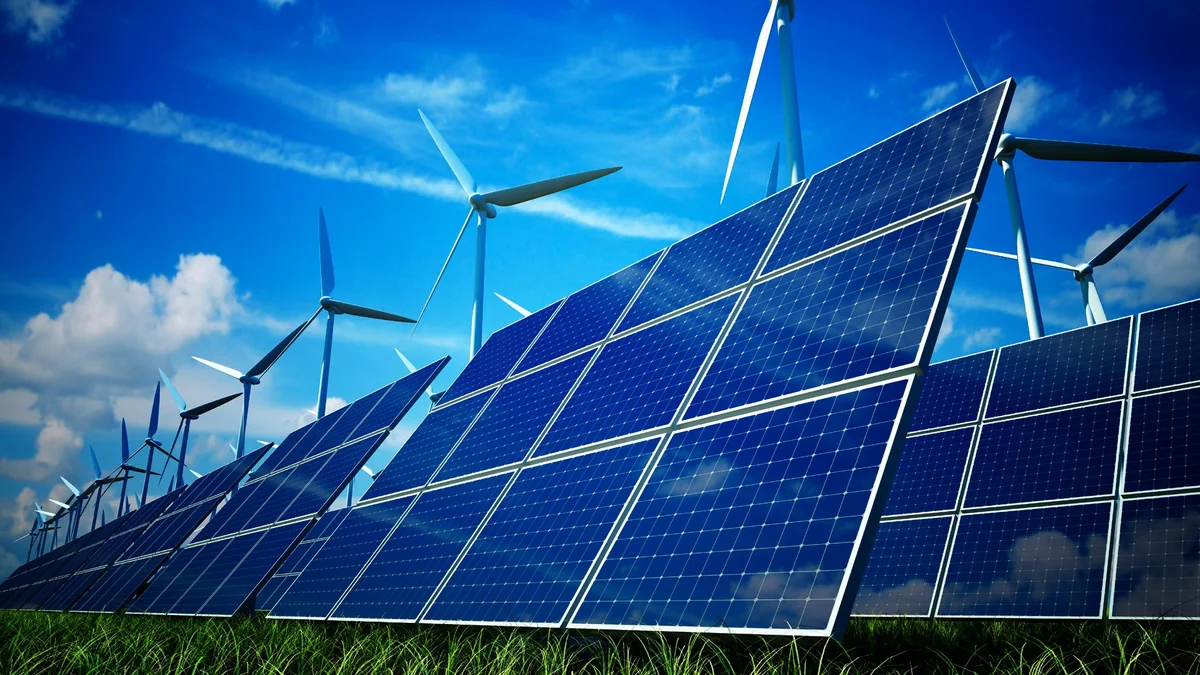
- In the past two years, in the Republic of Serbia, wind and solar capacities have increased by 83 percent, which brings us closer to the goal of having 45 percent of electricity produced from RES by 2030. The cumulative result of two rounds of auctions are the projects of 19 new green power plants, with a total capacity of about 1.3 GW, with close to two billion euros of investments, which shows the level of confidence of the private sector and is a sign that we have created a good environment for investments. For the security of supply and energy transition, the investments of the state electricity company, EPS, are equally important. Already this year, the green portfolio of EPS will be richer by 76 MW from wind and the Sun, and in the next few years, there should be 1,000 MW of solar power plants on the grid, with 200 MW of battery storage. With the results so far and the contracted projects, we are well on our way to achieving one of the strategic goals in the energy transition, which is at least 45 percent of the electricity produced from RES by 2030.
According to the report of the Energy Community, Serbia is the leader in the region in terms of progress in the legislative framework and the degree of compliance with the EU, in the sector of power engineering and renewable energy sources. We made the most progress in the process of merging the market, and I believe that Serbia will be among the first to complete the merger with the EU electricity market, specifically with Hungary, and will be a model for others in the region.
The memorandum of understanding on the cooperation between the relevant ministries of Serbia and Azerbaijan in the field of green energy, which we signed last year, opened the possibility to extend our bilateral cooperation in the field of energy to the RES sector and other areas of importance for the energy transition process. Everything that our countries achieved in the previous period in the field of energy transition represents a good basis for the exchange of experiences. Energy transition, energy security and diversification are key topics for all decision-makers in the energy sector, and given the close cooperation between Serbia and Azerbaijan, I expect that in the coming period, we will consider more concrete forms of cooperation in the field of RES.
Author