 Baku 25° C
IMF recommends Azerbaijan to separate commercial activities of state-owned enterprises
- 10 February, 2024
- 06:43
Stay up to date with the top news!
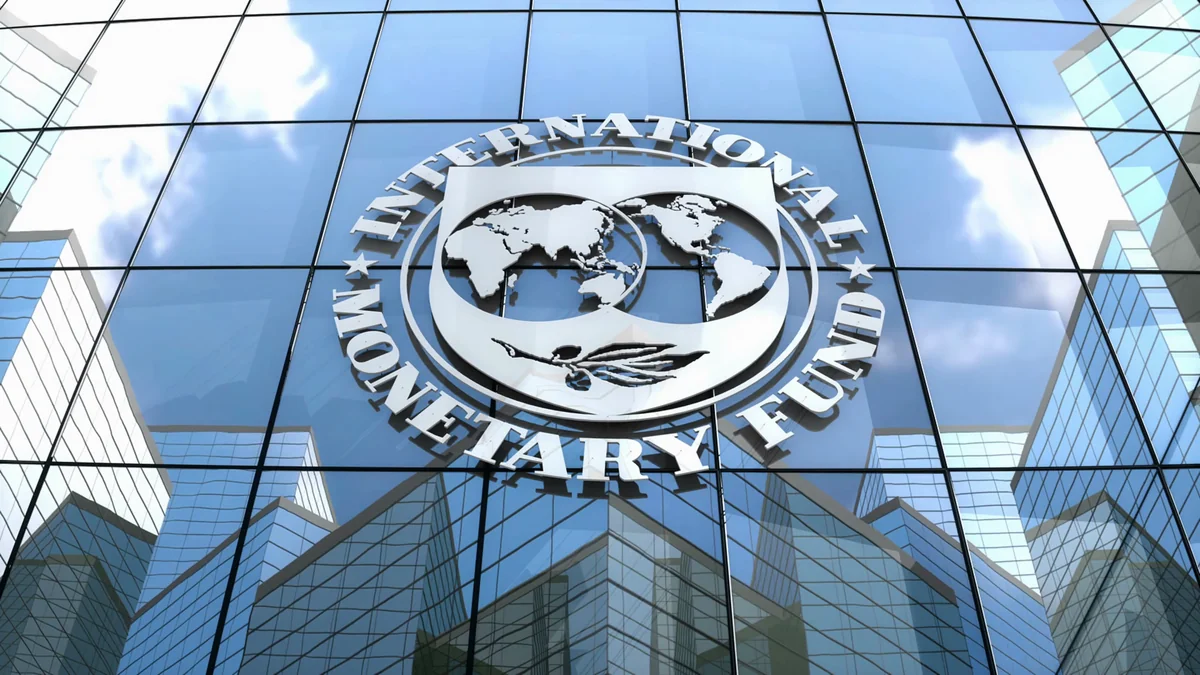
The International Monetary Fund (IMF) recommends that the Azerbaijani government solve the problem of the large footprint of state-owned enterprises in the economy, reads a Staff Report for the 2023 Article IV Consultation of the International Monetary Fund (IMF), held by the head of the fund’s mission for Azerbaijan, Anna Bordon, in November 2023 in Baku, Report informs.
The authorities have taken steps toward monitoring large SOEs, with the development of a centralized data system and the establishment of key performance indicators. This year, the government also announced plans to attract private sector participation in eight SOEs.
It was earlier reported that during 2024, proposals will be prepared for the sale to private investors of part of the state shares in large state-owned companies, that is, in the structures of the State Oil Company of Azerbaijan (SOCAR), AzerGold CJSC, Azerbaijan Caspian Shipping Company CJSC (ASCO), Aztelekom LLC and Baktelecom LLC, ABB bank. Metin Eynullayev, head of the State Service for Property Affairs under Azerbaijan’s Economy Ministry, has recently emphasized that the government has an interest in attracting foreign investors to the privatization process, but restrictions remain for them regarding the right to land (rent only).
The preparation of proposals must be completed within nine months. This relates to sales of blocks of shares, not direct privatization. Corporatization may affect such SOCAR structures as the Azerkimya production association, ethylene and propylene production enterprises, urea and methanol plants.
This is while IMF Staff continues to recommend separating commercial from noncommercial activities in SOEs, with the latter to be financed from the budget; increasing transparency of SOE performance; and facilitating further private sector involvement. Staff looks forward to the results of the OECD-WB assessment of SOE corporate governance.
The authorities concurred with IMF staff on the need to pursue structural reforms to enhance productivity and promote sustainable growth. The authorities agreed with staff on improving the business climate, including through governance and anticorruption reforms, and highlighted efforts to enhance labor market productivity and increase economic complexity, including through the recently opened Alat Free Economic Zone.
They noted that the financial performance of large SOEs have already improved significantly. On climate issues, the authorities highlighted their mitigation plan that targets the largest sources of GHG emissions, including gas emissions, flaring, and leakages in the transportation of gas. They noted that there are few explicit fossil fuel subsidies but acknowledged that there is a need to re-evaluate the pricing of some utilities that remain below market. The authorities acknowledged that the transition will be costly and mentioned efforts to attract private sector resources to invest in green projects, as well as to mobilize fiscal revenues through fossil fuel excise taxes.
Author