Baku 21° C
'One nation, two states': Who gave anyone the right to dictate to Azerbaijan?
- 13 October, 2026
- 18:13
Stay up to date with the top news!
Azerbaijan–Türkiye brotherhood rests on mutual respect and an equal partnership between sovereign allies. It gives no political figure the authority to issue instructions to Azerbaijan. On the contrary, senior office demands greater responsibility when speaking about an allied state.
The call for Azerbaijan to "reverse this mistake," used in posts by Chief Adviser to the President of Türkiye Oktay Saral and Justice and Development Party representative Leyla Şahin Usta, raises an immediate question: who authorised them to pass judgment on Azerbaijan's domestic policies?
Taking an interest in developments in a brotherly country, seeking information and expressing an opinion are entirely legitimate. But demanding that a sovereign state change its approach without presenting the factual and legal grounds for that demand falls short of responsible political conduct. This is particularly significant when the country concerned is Azerbaijan, Türkiye's ally.
The issue extends beyond the severity of the language. It concerns the underlying assumption that Azerbaijan's decisions can be judged from a position of external authority, with Baku expected to follow instructions. An equal partnership provides no basis for such an approach.
The Principles Agreed in Shusha Apply on Social Media, Too
One of the clearest answers to this controversy lies in the Shusha Declaration signed by Azerbaijan and Türkiye. The document establishes independence, sovereignty and non-interference in states' internal affairs among the principles governing their alliance.
Respect for Azerbaijan's sovereign decisions is therefore a requirement of the relationship agreed upon by both states.
Türkiye"s political representatives should be guided by these principles. Mutual respect established at the interstate level must also shape the public statements of individual officials.
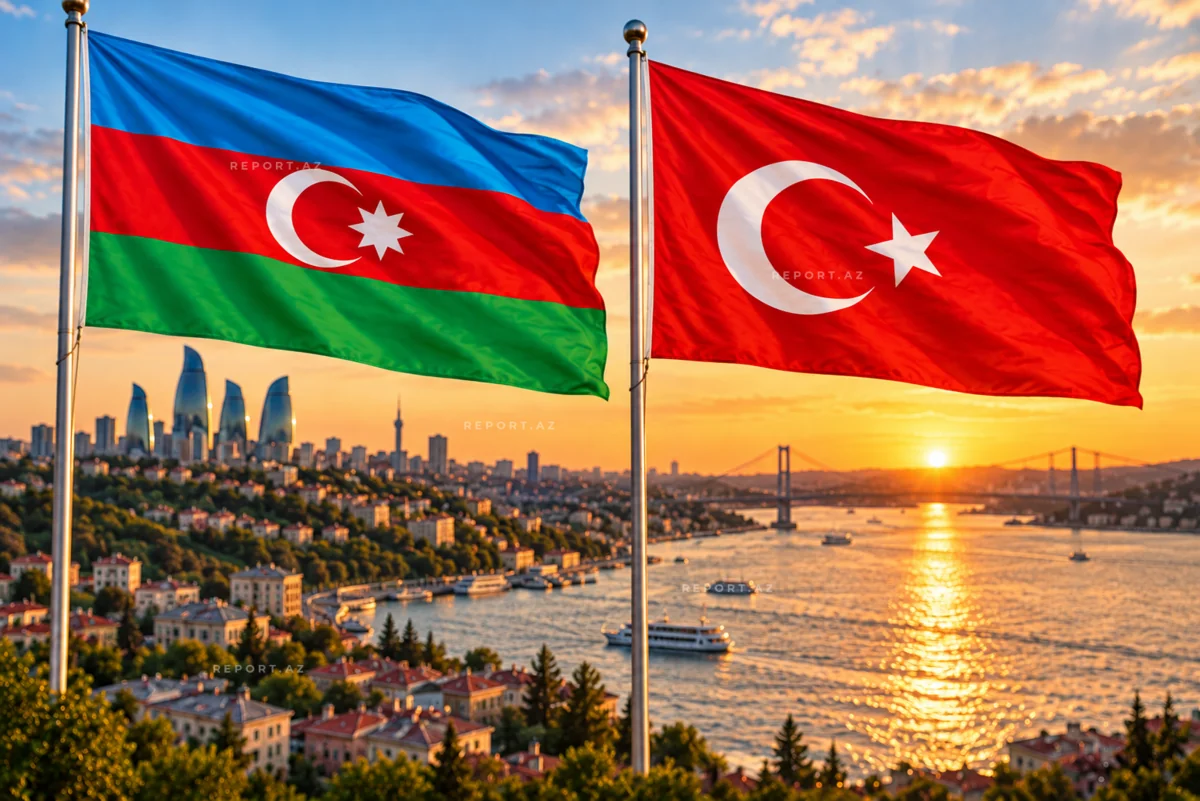
The words "two states" in the formula "One Nation, Two States" carry their own significance. Azerbaijan is an independent country with its own constitutional order, national interests and sovereign decision-making authority. Brotherhood strengthens that independence. It grants no one political guardianship over Baku.
Public Office Does Not Substitute for Evidence
Oktay Saral's post makes sweeping judgments about Azerbaijan and characterises the situation as an "ideological imposition." Yet the text presented offers no legal reasoning to support that conclusion. In Leyla Şahin Usta's post, an emotional response to video footage similarly becomes the basis for calling on Azerbaijan to "reverse its mistake."
Holding senior office does not turn an assertion into an established fact. It increases the obligation to substantiate it.
Those speaking so categorically about Azerbaijan should explain which regulations they have examined, which official information they have consulted and what evidence supports their conclusions. Political standing cannot compensate for the absence of those foundations.
The emotional impact of a social media post is insufficient grounds for judging an entire country's policies. Representatives of an allied state should be particularly mindful of that distinction.
Azerbaijan's Constitutional Order Is Determined by Its Own Institutions
Azerbaijan's Constitution establishes the secular character of the state, the separation of religion and state, and the secular nature of public education. Freedom of conscience is also constitutionally guaranteed. Any assessment of the country's legal framework must take these principles into account together.
Portraying secular statehood as hostility towards religious values conflates distinct issues. The legal regulation of public education cannot automatically be equated with an attitude towards citizens' faith.
Azerbaijan's commitment to its national and spiritual values does not depend on the approval of foreign politicians. The country has its own traditions of statehood and its own legal system. Another state's political practices cannot be treated as a binding model for Azerbaijan.
Shared history and common values do not require identical domestic policies. A mature alliance includes respect for each partner's independent choices.
Accusations Must Withstand Scrutiny
The New Azerbaijan Party's statement also objects to the misrepresentation of Azerbaijan–Israel relations. The party rejects attempts to turn the country's foreign policy and religious issues into grounds for accusations against Azerbaijan.
Those questioning Baku's position on Palestine on the basis of its cooperation with Israel must account for Azerbaijan's concrete decisions. These include presidential approval of a protocol providing financial assistance to the Palestinian Embassy in Azerbaijan-a documented act of state policy.
Relations with one state do not imply a lack of support for another people's rights. Assessing Azerbaijan's foreign policy through such an artificial contradiction distorts its substance.
Azerbaijan determines its international partnerships according to its national interests. That is its sovereign right. A political figure who considers this right natural for their own country has no defensible basis for denying it to Azerbaijan.
Protecting Brotherhood Requires Responsibility for Words
The statements by Oktay Saral and Leyla Şahin Usta should not be equated with the position of Türkiye as a whole. Azerbaijan–Türkiye relations carry far greater historical and political weight than the social media rhetoric of individual figures. That makes those figures' responsibility for their words all the greater.
Politicians who understand the value of this partnership must consider the consequences of their statements about an ally. Making unsupported judgments about Azerbaijan and expecting them to go unanswered is a political miscalculation.
Baku"s position is clear: mutual respect entails mutual responsibility. Respect for Azerbaijan's sovereign decisions is just as natural and necessary as respect for Türkiye's.
The appropriate language for engaging with Baku is that of an equal partner. Fidelity to the principle of "One Nation, Two States" begins with recognising that equality.