
 Baku 22° C
Doszhan Mussaliyev: Baku, Astana accelerating work on mutual recognition of electronic signatures - INTERVIEW
- 17 November, 2025
- 16:26
Stay up to date with the top news!
Baku is hosting the World Telecommunication Development Conference (WTDC-25), one of the International Telecommunication Union's key events, organized for the first time in the CIS region. The conference attracted a record number of participants, providing an important platform for discussing the future of digital technologies, infrastructure development, and overcoming global challenges.
Amid the growing importance of digitalization and economic transformation, cooperation between Azerbaijan and Kazakhstan is particularly significant. Both countries are implementing ambitious digital strategies, developing telecommunications projects, and strengthening ties in cybersecurity.
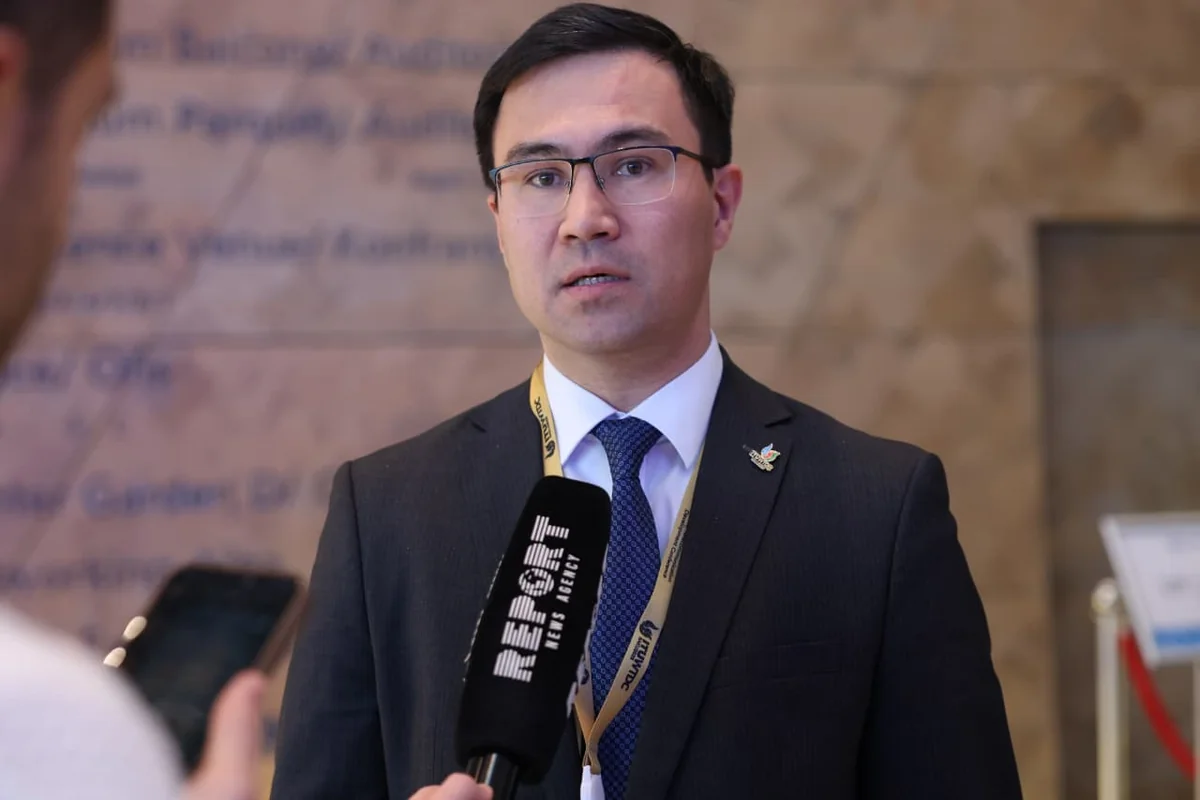
In an interview with Report, Doszhan Mussaliyev, Vice Minister of Digital Development, Innovation, and Aerospace Industry of Kazakhstan, discussed the issues on the bilateral agenda and the progress of the construction of a fiber-optic communication line (FOCL) along the bottom of the Caspian Sea.
Report presents the interview:
- Could you please tell us about the purpose of your visit to Baku?
- My primary goal is to participate in the World Telecommunication Development Conference, which is being held in Baku for the first time. I would like to sincerely congratulate Azerbaijan and the International Telecommunication Union (ITU) on organizing such a large-scale and significant event. This is an important historical moment not only for Azerbaijan but for the entire CIS region. Holding the conference in Baku confirms the high level of development of the country's digital infrastructure and its active contribution to the global telecommunications community.
Furthermore, a number of bilateral meetings are planned during the visit. We intend to discuss expanding cooperation in digitalization, telecommunications, and cybersecurity, as well as strengthening existing partnerships. I am confident that these talks will open up new opportunities and help identify future growth areas.
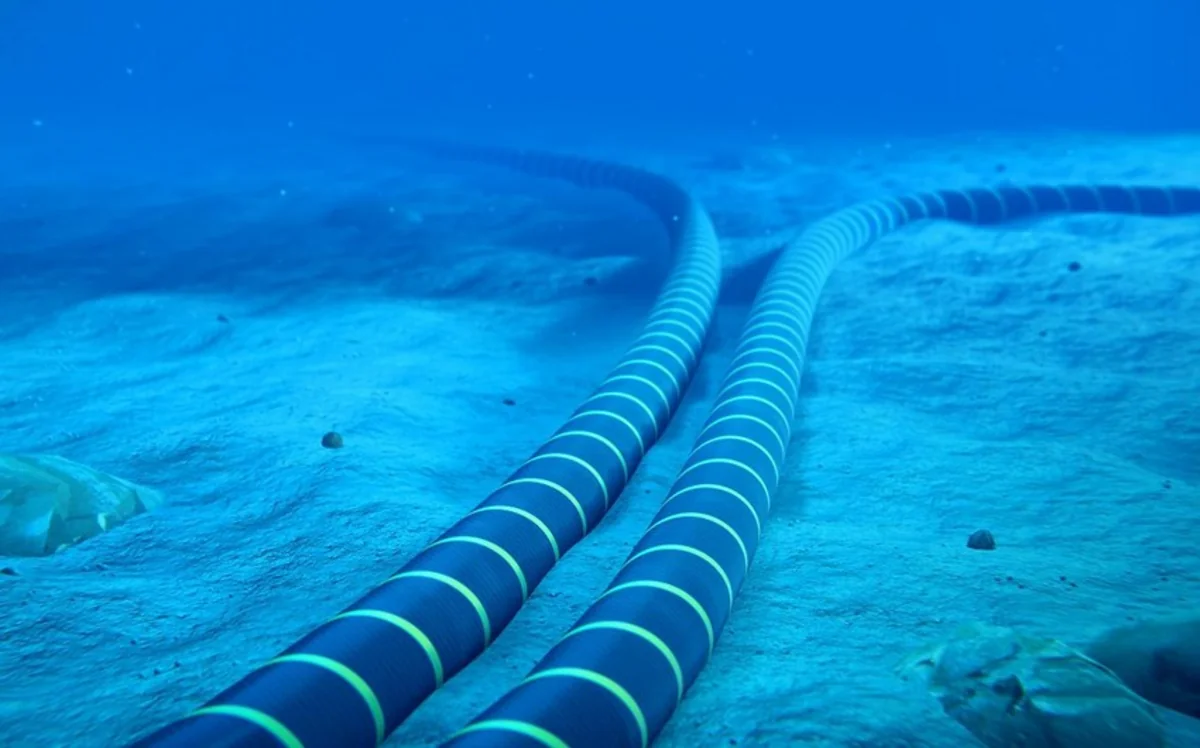
- It is known that the construction of the submarine fiber-optic communication line between Kazakhstan and Azerbaijan is scheduled for completion by the end of 2026. What stage is the project at now?
- The project is indeed being implemented, and its significance extends far beyond our two countries – it is important for the entire region. This year, preparatory stages are ongoing, and the necessary approvals with government agencies are being finalized. The underwater surveys have been completed, and the cable design has been developed.
The cable itself is currently being manufactured in China, while logistics for its delivery to Kazakhstan are being developed. We expect the cable to be ready by the end of March next year. Installation will begin in the third quarter of 2026, after which we will begin configuring the entire system. We expect to successfully complete the project by the end of 2026.
- Which areas of cooperation between Kazakhstan and Azerbaijan do you consider the most promising: cybersecurity, telecommunications, e-government, or the exchange of digital best practices?
- All of the above are priorities for us. Azerbaijani President Ilham Aliyev recently visited Kazakhstan, and high-level agreements were reached on key areas, including digitalization.
Just last week, I met with my Azerbaijani counterpart, Samir Mammadov, and we agreed to actively collaborate in the field of cybersecurity. Azerbaijan has accumulated significant experience in training specialists, and we are interested in learning from this. Sharing best practices in personal data protection and information security is also important.
In the telecommunications sector, the key project is undoubtedly the fiber-optic cable line across the Caspian Sea, which will become a vital link between our countries.
Regarding e-government, the Azerbaijani delegation, led by Minister of Digital Development and Transport Rashad Nabiyev, studied our experience, and we, in turn, are studying Azerbaijan's experience. We truly have much to share, and we are open to close cooperation.

- Does Kazakhstan plan new joint projects with Azerbaijan in the areas of digital infrastructure and innovation?
- Yes, there are such plans. As I already mentioned, one of these areas is a joint project to train cybersecurity specialists. Furthermore, we are actively working on the mutual recognition of electronic digital signatures.
Our cooperation is built on trust, and this allows us to confidently develop initiatives not only at the management level but also at the expert level. We are ready for new projects both bilaterally and within the Organization of Turkic States.
- Could you please elaborate on your plans for the mutual recognition of electronic signatures in both countries? What effect will this have?
- The document is being developed by experts. We are exploring mechanisms by which electronic signatures from both countries will be mutually recognized. Once this regime is launched, documents signed in Azerbaijan will be legally binding in Kazakhstan, and vice versa. This will significantly simplify interactions between government agencies, businesses, and citizens.
Overall, there are no problematic issues between Azerbaijan and Kazakhstan – we are working dynamically and effectively across all areas. Issues are not being delayed or devolving into bureaucracy. Last week, the Ministry of Digital Development and Transport of Azerbaijan promptly agreed on the necessary steps. I am confident that at this pace, our cooperation will only strengthen.
Author