Baku 21° C
Consortium of SOCAR, Tatneft, KazMunayGas, Uzbekneftegaz may be transformed into JV
- 02 June, 2025
- 15:23
Stay up to date with the top news!
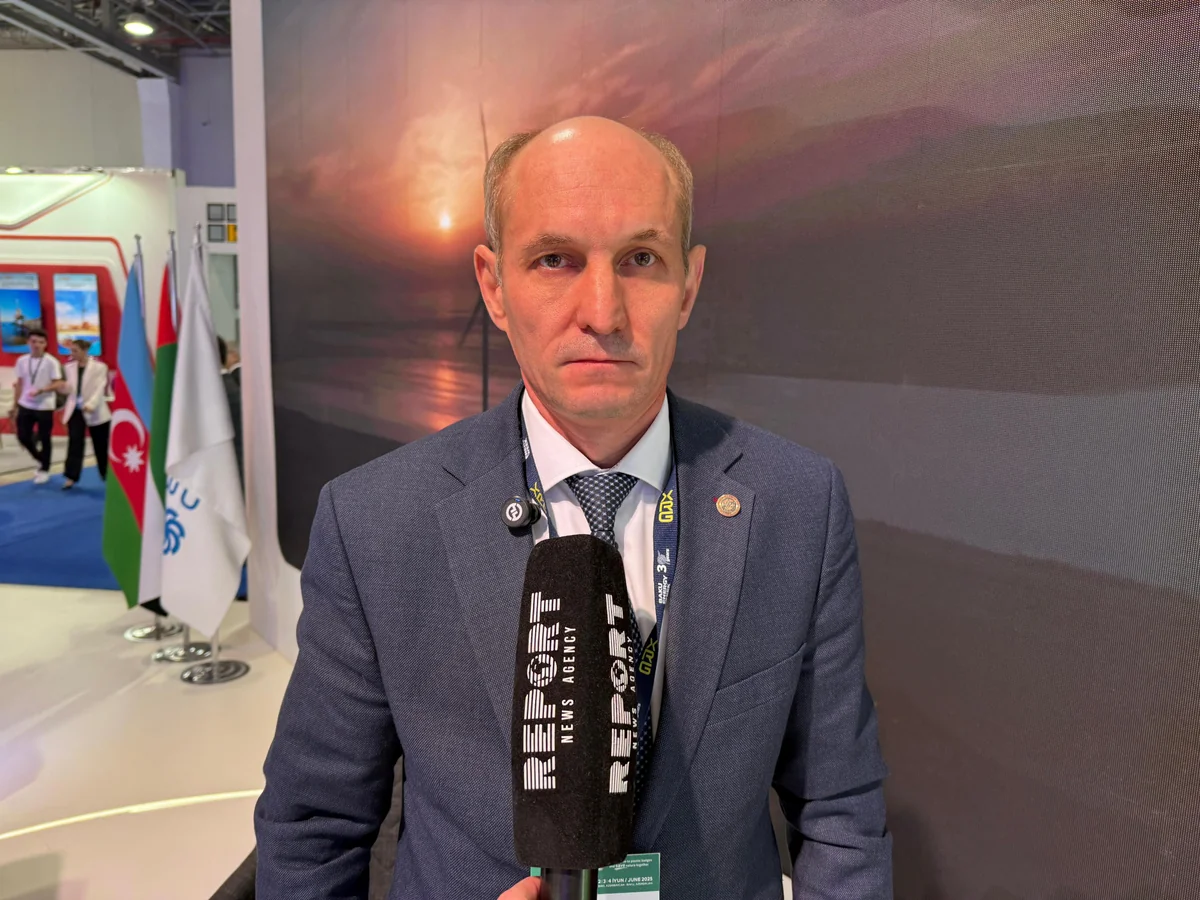
The consortium created with the participation of SOCAR, PJSC Tatneft, JSC NC KazMunayGas and JSC Uzbekneftegaz may receive the legal status of a joint venture in the future, Azat Khabibrakhmanov, deputy general director of Tatneft for Industrial Safety, Labor Protection and Ecology, told Report.
According to him, Tatneft is already implementing a number of projects in Azerbaijan, including the development of the Bibi-Heybat field, conducting physical research, digitalizing processes, introducing biotechnology and promoting green initiatives. "These projects are aimed at localizing risks and reducing the likelihood of emergency situations in the field of industrial safety," Khabibrakhmanov noted.
He reminded that on May 28, a new memorandum of cooperation in the field of decarbonization and sustainable development was signed. The document was signed by SOCAR, Tatneft, KazMunayGas and Uzbekneftegaz. As part of the agreement, a consortium was created to jointly respond to global challenges, said Khabibrakhmanov.
"Our task is not to compete, but to cooperate: to jointly solve emerging challenges, share best practices, and help each other," he emphasized.
According to a representative of Tatneft, nine key areas of the consortium's activities have currently been identified and they are planned to be reviewed by the end of the year in order to clarify priorities: "In the field of green energy, the main focus is on energy efficiency, renewable energy sources, climate design, environmental education and biotechnology."
Khabibrakhmanov emphasized that the created consortium may receive other legal forms in the future: "Perhaps the consortium will be transformed into a joint venture. This is currently being discussed, and more specific information can be announced later."
Roadmaps have already been prepared for each area, responsible executors and project implementation deadlines have been determined.
"Work has begun in all areas. It is important to understand that these are transitional, long-term projects. For example, hydrodynamic modeling of fields or "green" energy initiatives are not one-year tasks. We are talking about global projects designed for the long term," Khabibrakhmanov added.
The Bibi-Heybat oil field was discovered in 1871, and from 1873 to the beginning of 2018, 193 million tons of oil and 14.5 billion cubic meters of gas were produced there. The field is located on the Absheron Peninsula. It was at Bibi-Heybat that the world's first modern oil well was drilled in 1848.
Author