
 Baku 17° C
MFA: Azerbaijan to continue its principled activities with Armenia in accordance with national interests
- 28 December, 2024
- 13:37
Stay up to date with the top news!
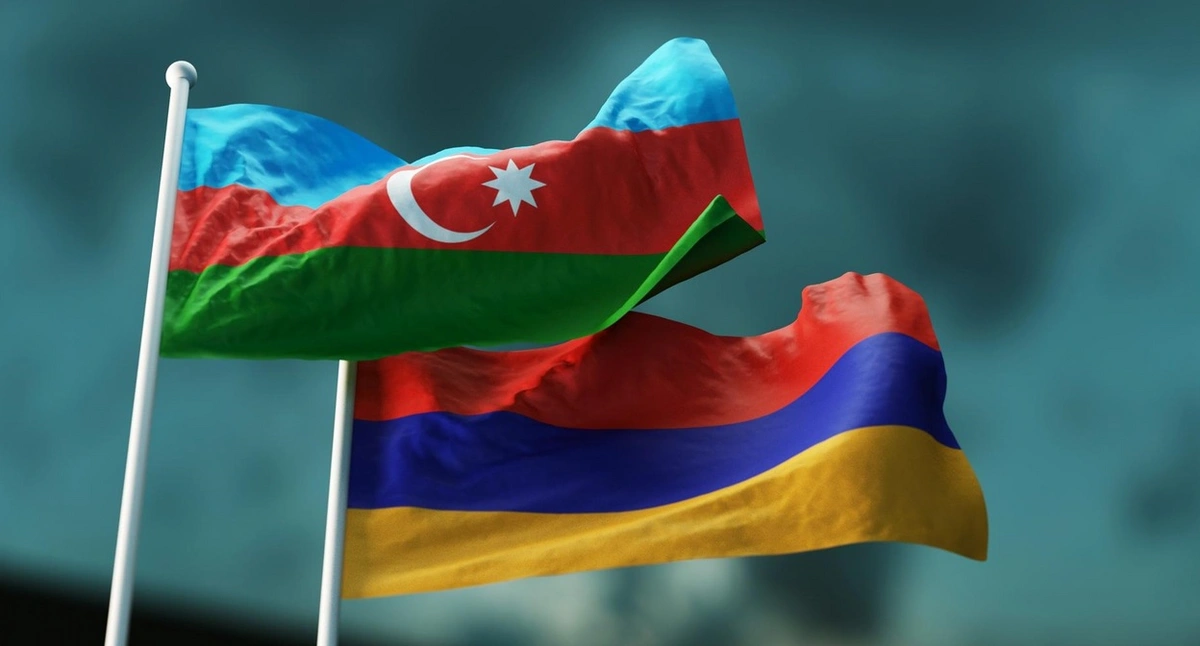
Ensuring the sovereignty, territorial integrity, and inviolability of the borders of the Republic of Azerbaijan, the security and prosperity of the Azerbaijani people which are the main goals of the foreign policy, will, as always, constitute the essence of the normalization agenda with Armenia and cooperation with other actors, Azerbaijan’s MFA said in a press release on the results of 2024, Report informs.
According to MFA, based on this, in the upcoming year, as well, principled, decisive, and consistent actions per the national interests will be continued.
“Throughout 2024, the agenda put forward by Azerbaijan for the normalization of relations between Armenia and Azerbaijan based on mutual recognition of and respect for each other’s sovereignty, territorial integrity, and state borders has been continuously advanced. Consistent, systematic, and decisive foreign policy activity has been carried out to prevent smear campaigns against Azerbaijan by Armenia and its supporters, explain the steps taken to neutralize threats to the sovereignty and territorial integrity of Azerbaijan to the international community, and prevent attempts to question and limit these steps,” MFA said.
According to MFA, the normalization agenda put forward by Azerbaijan throughout the year was consistently and decisively advanced through direct bilateral negotiations in line with the national interests of the Republic of Azerbaijan.
“In 2024, meetings were held between Ilham Aliyev, President of Azerbaijan, and Nikol Pashinyan, Prime Minister of Armenia, on 17 February, within the framework of the Munich Security Conference, facilitated by German Chancellor Olaf Scholz, in both bilateral and trilateral formats, and bilateral meetings were held in Kazan on 24 October, on the sidelines of the 16th BRICS Summit,” MFA’s report reads.
Following the instructions given at the high-level meetings, contacts were continued at the level of the Ministries of Foreign Affairs regarding the negotiation of a bilateral agreement that will be the basis of interstate relations.
During the year, a total of five meetings, including on 28-29 February in Berlin, on 10-11 May in Almaty, on 10 July in Washington within the framework of the Summit dedicated to the 75th anniversary of NATO, on 26 September in New York within the framework of the high-level week of the 79th session of the UN General Assembly, and on 18 October in Istanbul within the framework of the “3+3” meeting, were held between the Foreign Ministers of Azerbaijan and Armenia.
As a result of bilateral negotiations between the parties, significant progress has been made regarding the text of the agreement. Consequently, the number of remaining issues in the text of the agreement has been significantly reduced. During the year, positive outcomes were achieved in the field of border delimitation and demarcation. According to the agreement reached by the border delimitation commissions of Azerbaijan and Armenia, the return of the Azerbaijani villages of Baganis Ayrim, Ashagi Eskipara, Xeyrimli and Gizilhajili, which were under the occupation of Armenia, to the sovereign control of Azerbaijan, delimitation, and demarcation of up to 13 km of the state border was ensured.
The aforementioned agreement was significant as the first result of establishing the return of territories occupied by Armenia through bilateral negotiations and the delimitation and demarcation of a part of the state border between the two countries. Furthermore, another significant step forward in the delimitation of the border was the agreement on the regulations of the relevant commissions of both sides, which is of great importance in terms of regulating the joint work of the commissions at the next stage and moving the process forward.
Notwithstanding the progress made towards normalization through bilateral negotiations, the ongoing tendency of revanchism in Armenia, and the rapid militarization of this country with the direct support of foreign forces continue to be the most serious obstacles to the finalization of the normalization process against the backdrop of the Armenian side's failure to demonstrate political will to change the provisions in the Armenian Constitution and other normative legal acts including territorial claims against Azerbaijan. In this context, Armenia's position to maintain the formal existence of the former Minsk process institutions of OSCE, which has lost their relevance, ended their activities, and lost their
functionality in emerging new realities, continues to seriously question this country's commitment to the normalization agenda.
On the one hand, the rapid militarization of Armenia by the forces outside the region, and on the other hand, the promotion of a baseless smear campaign against Azerbaijan on various international platforms has seriously hindered the negotiation process from reaching a logical conclusion throughout the year. As a result of systematic, consistent, and decisive steps taken by Azerbaijan, this campaign, which gained momentum by abusing the organization of COP29 in the country, has been significantly neutralized, as well as continuation of the normalization process exactly within the framework of the agenda put forward by Azerbaijan was ensured.
As a result of the decisive steps taken, continuous initiatives that were put forward against Azerbaijan on different international platforms have been fought against, and anti-Azerbaijani initiatives in the indicated directions have failed.
Author