Baku 22° C
Important facts revealed about Golkend, which Armenians call Aygut - Memory of Western Azerbaijan
- 30 September, 2026
- 23:34
Stay up to date with the top news!
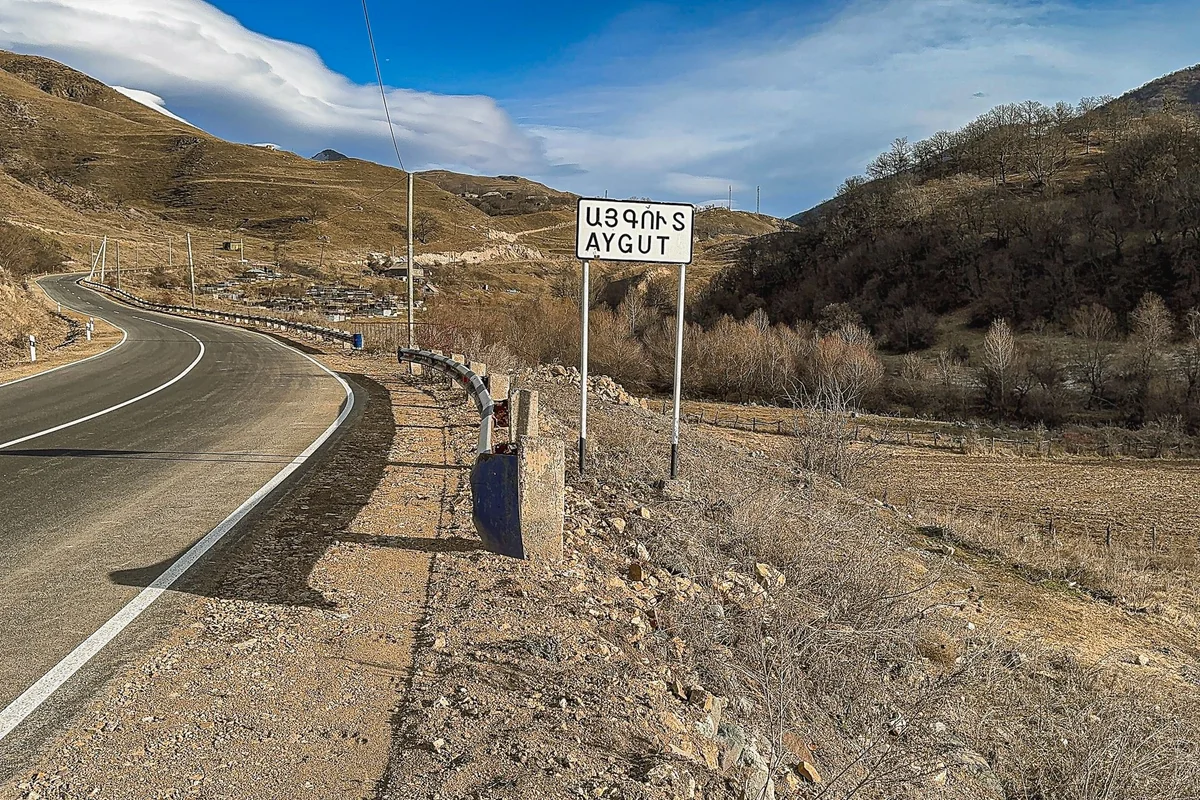
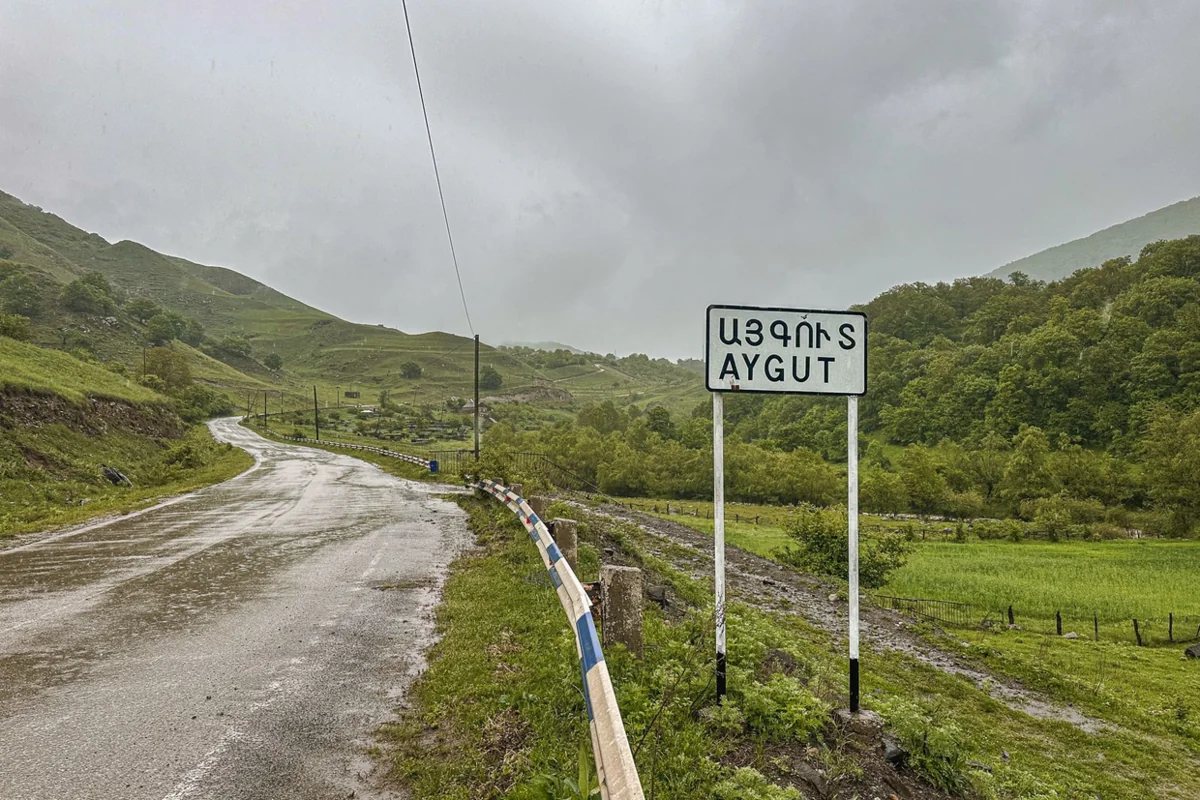
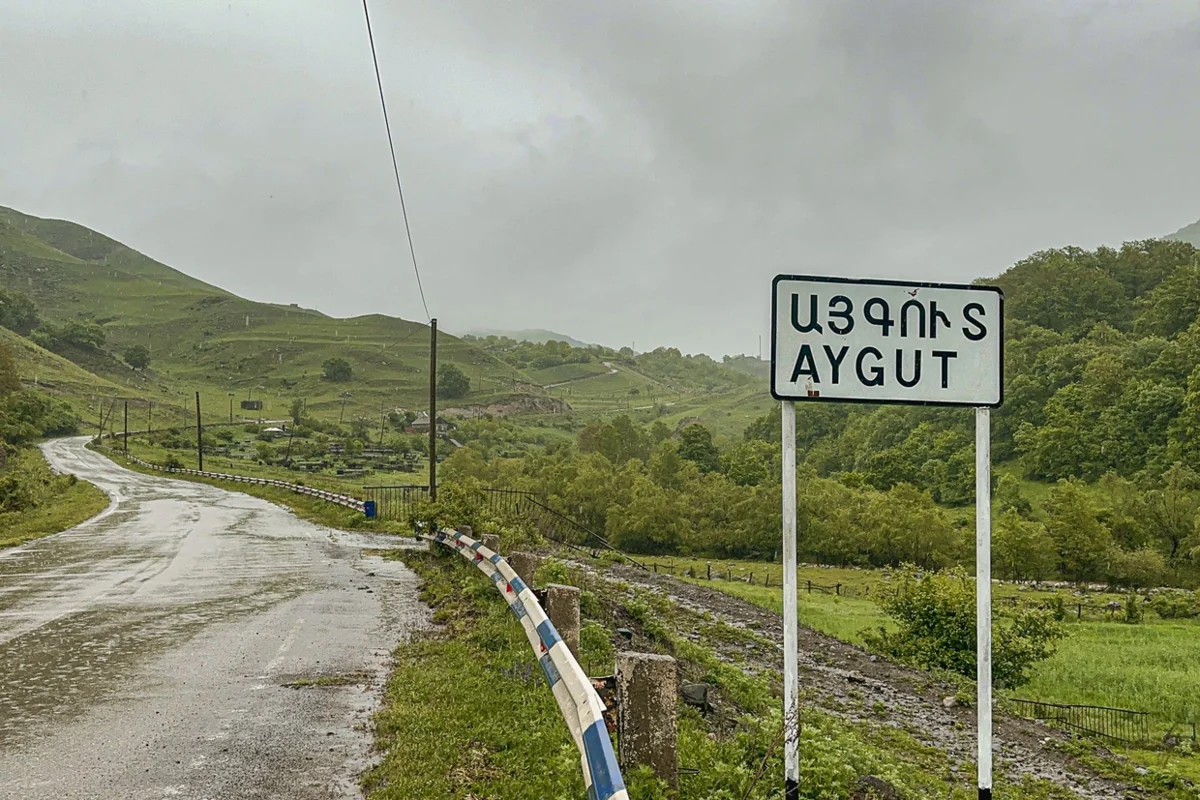
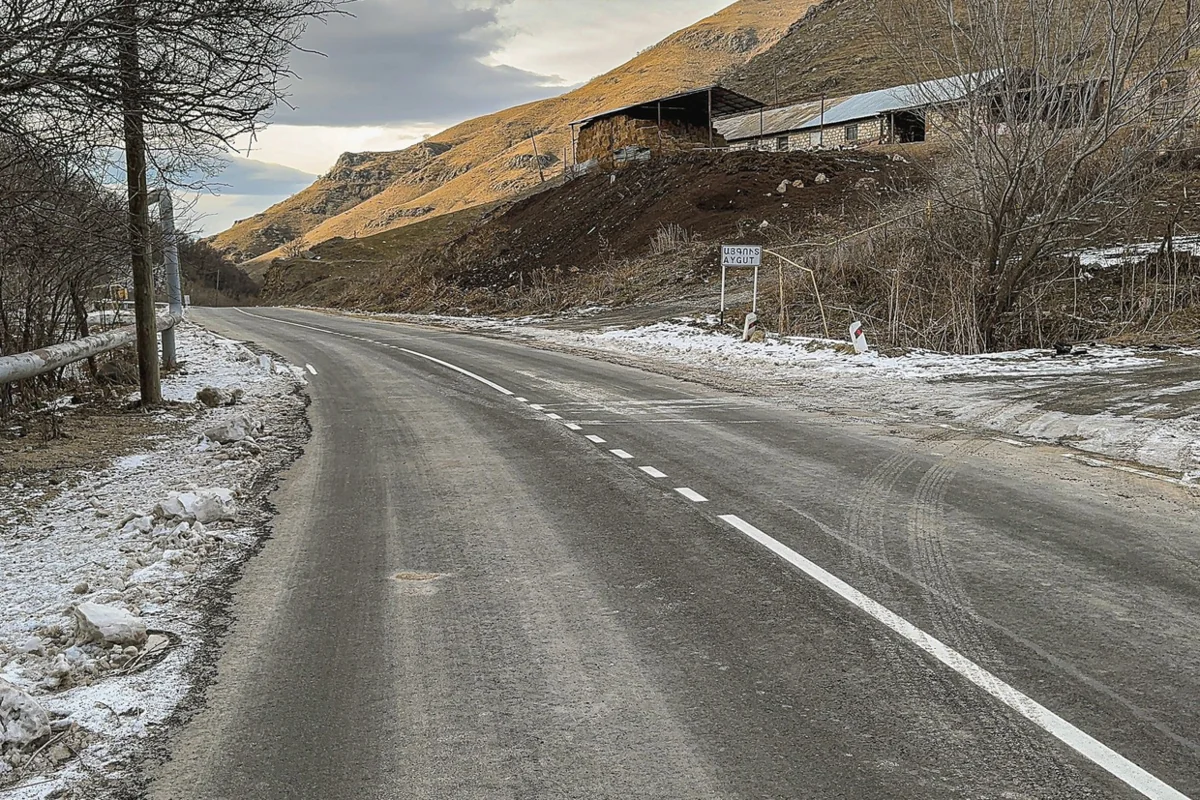
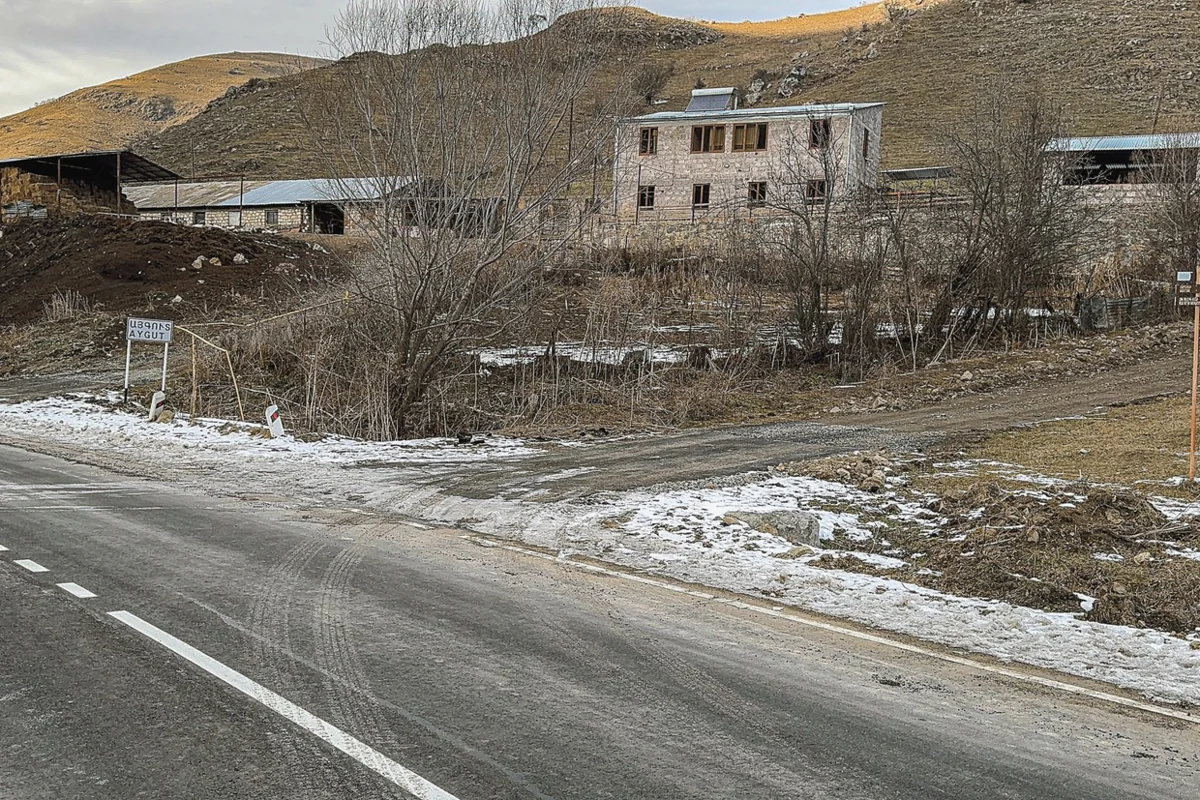
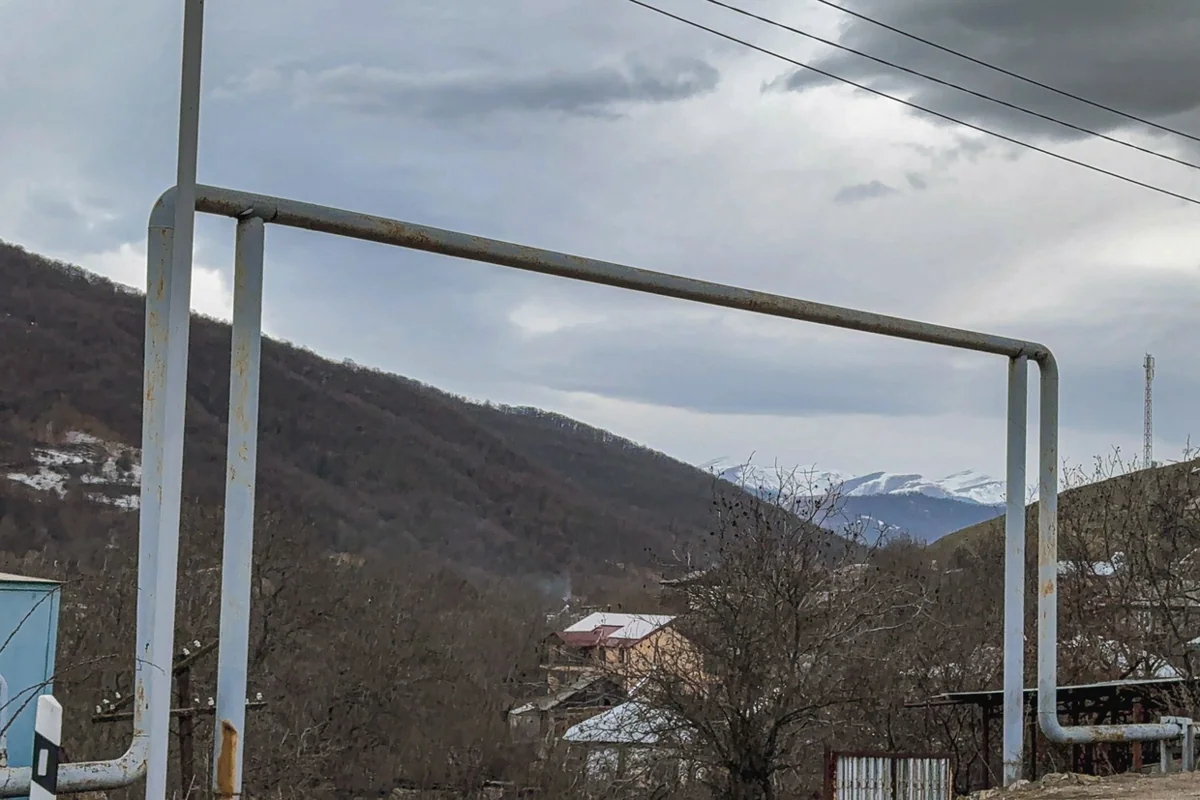
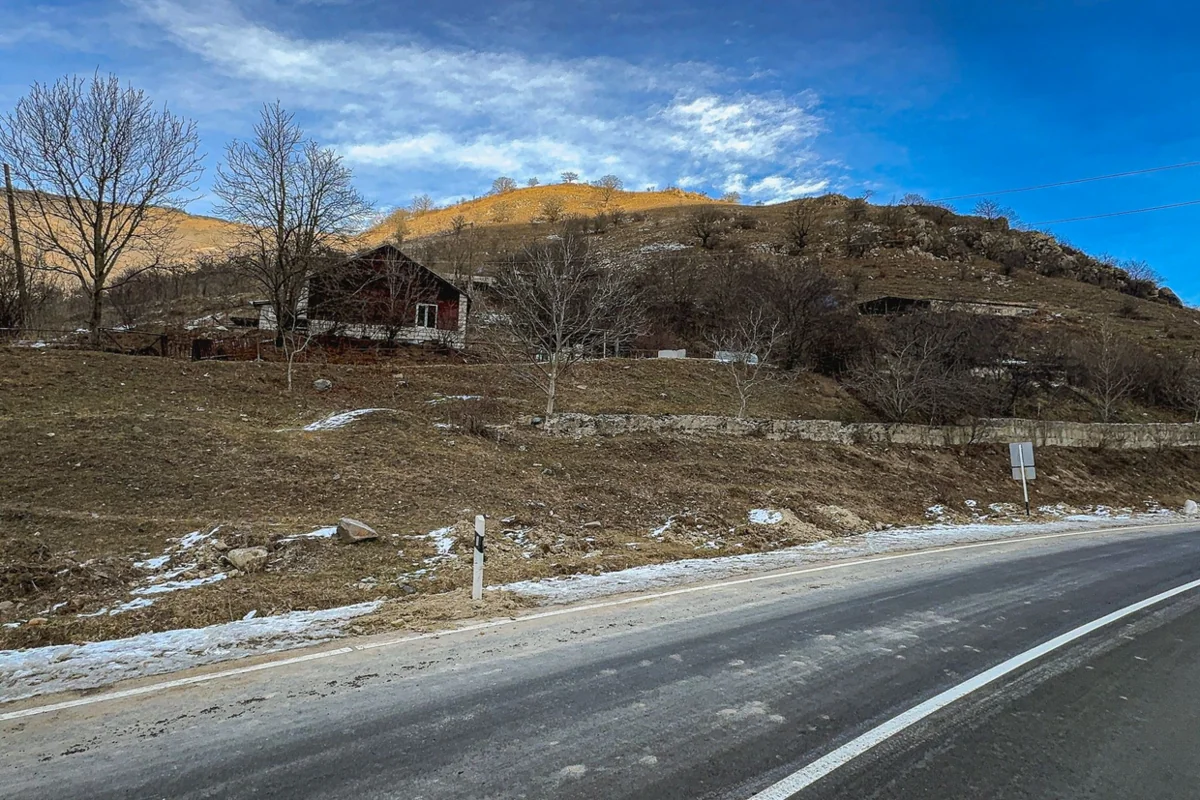
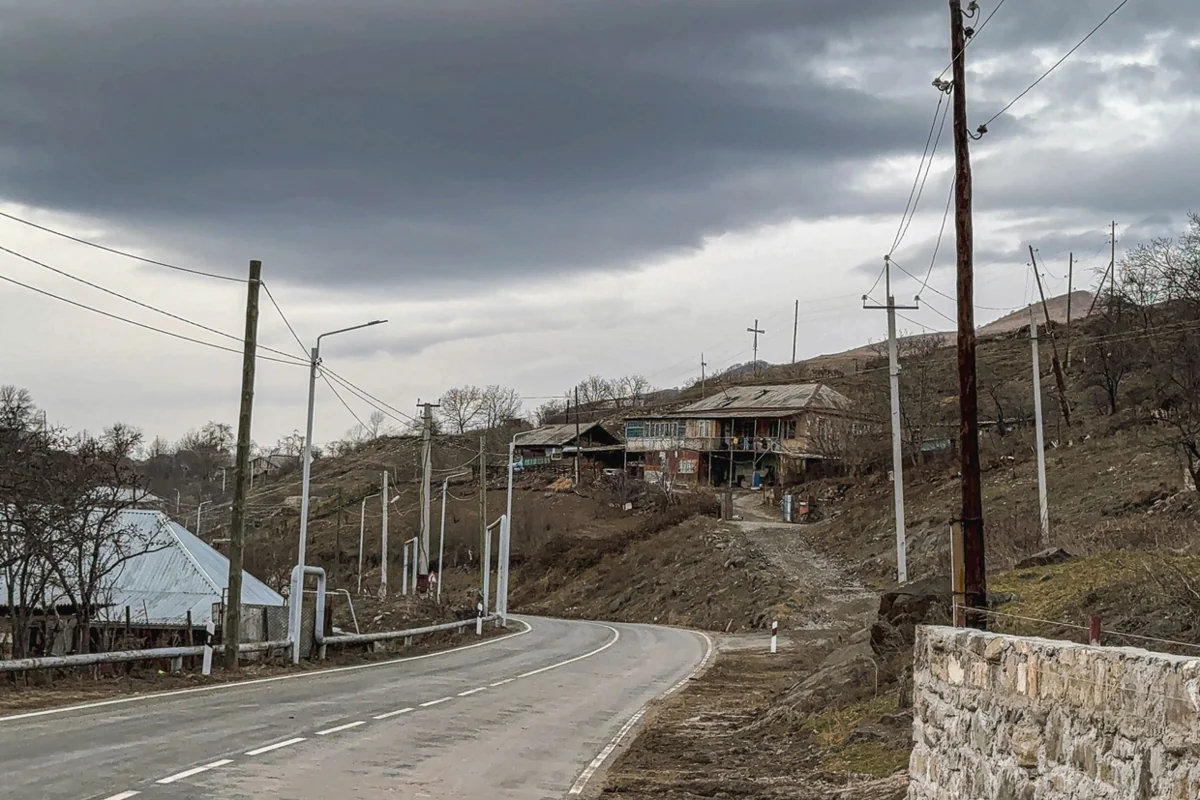
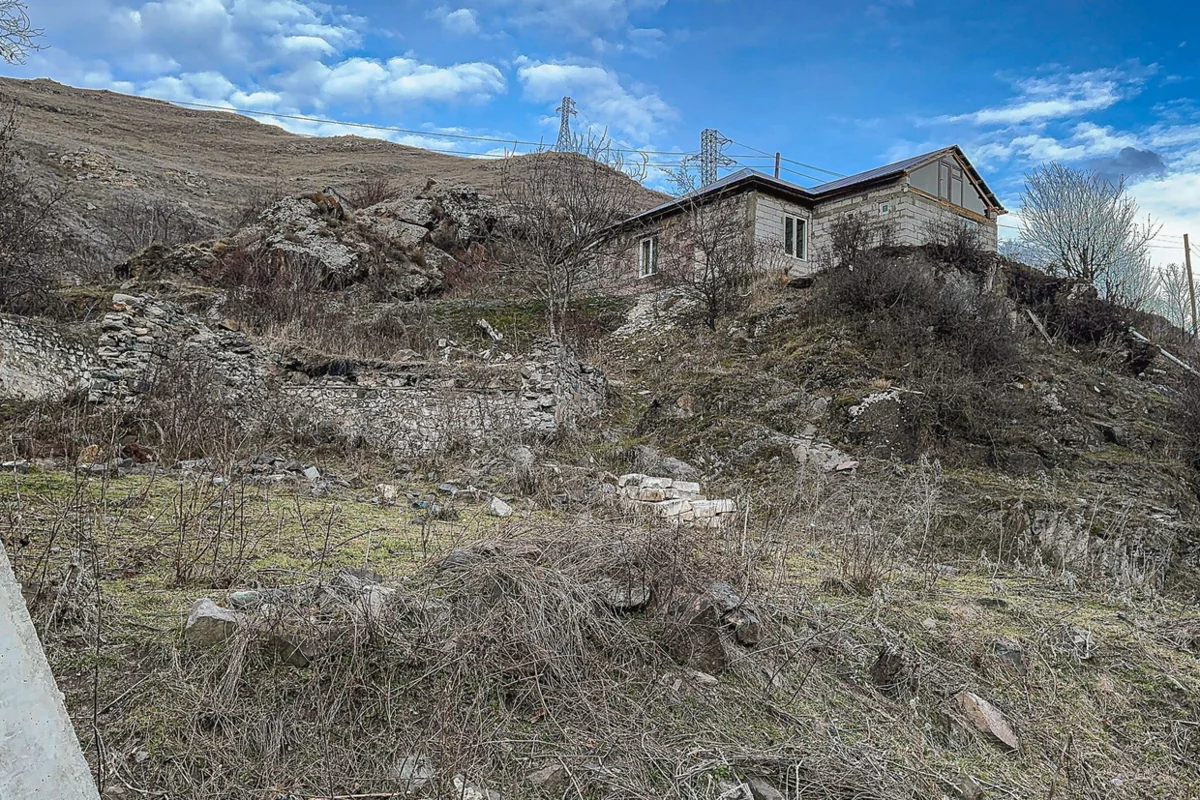
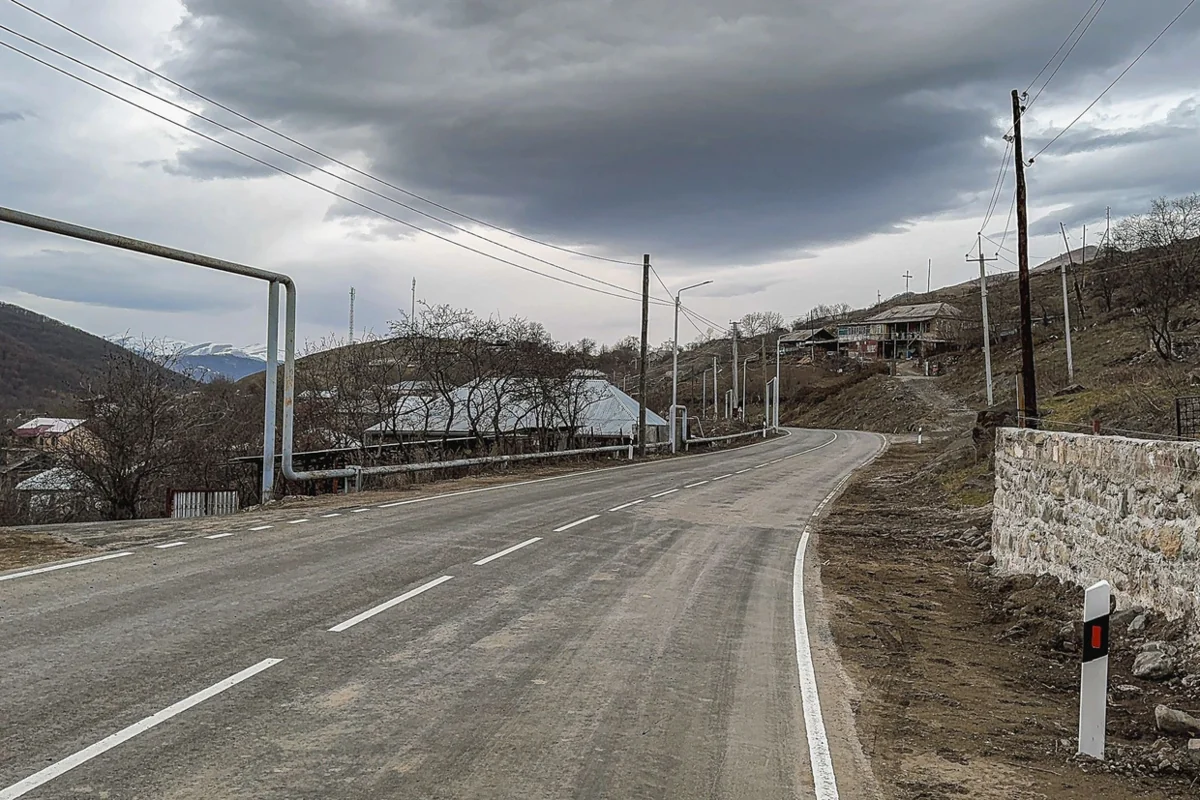
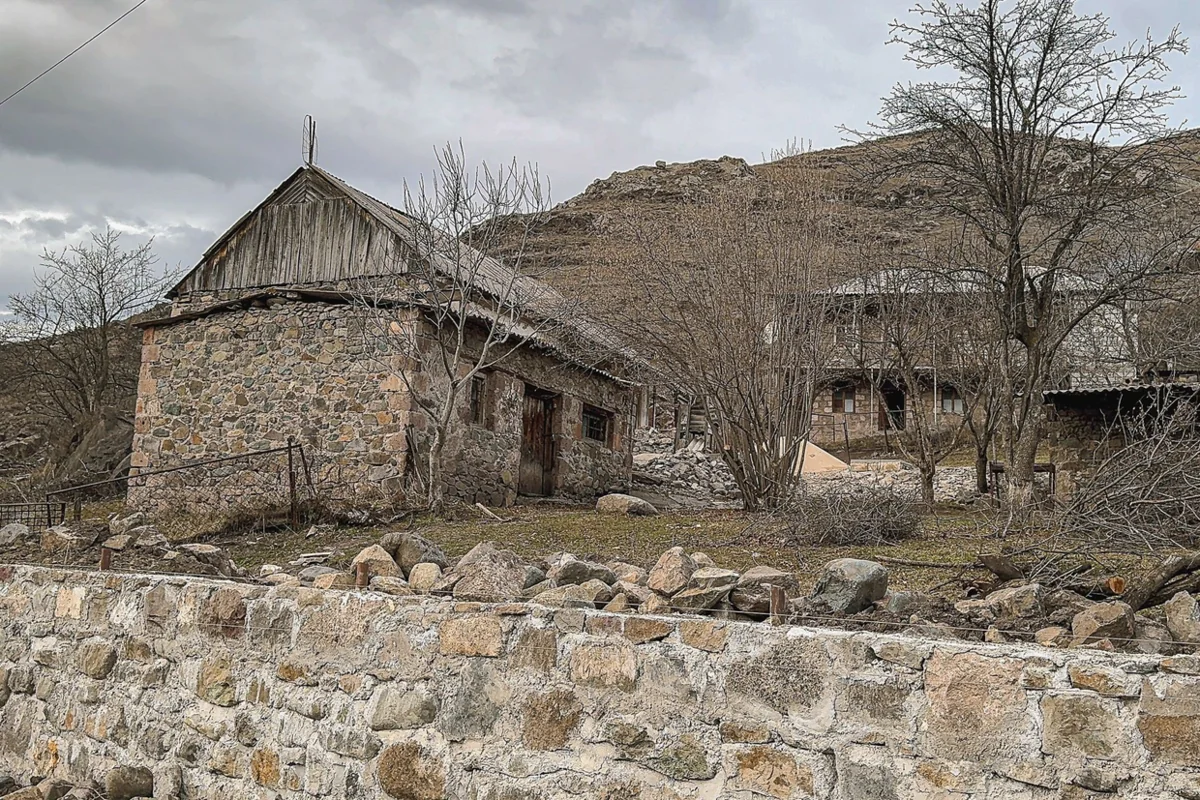
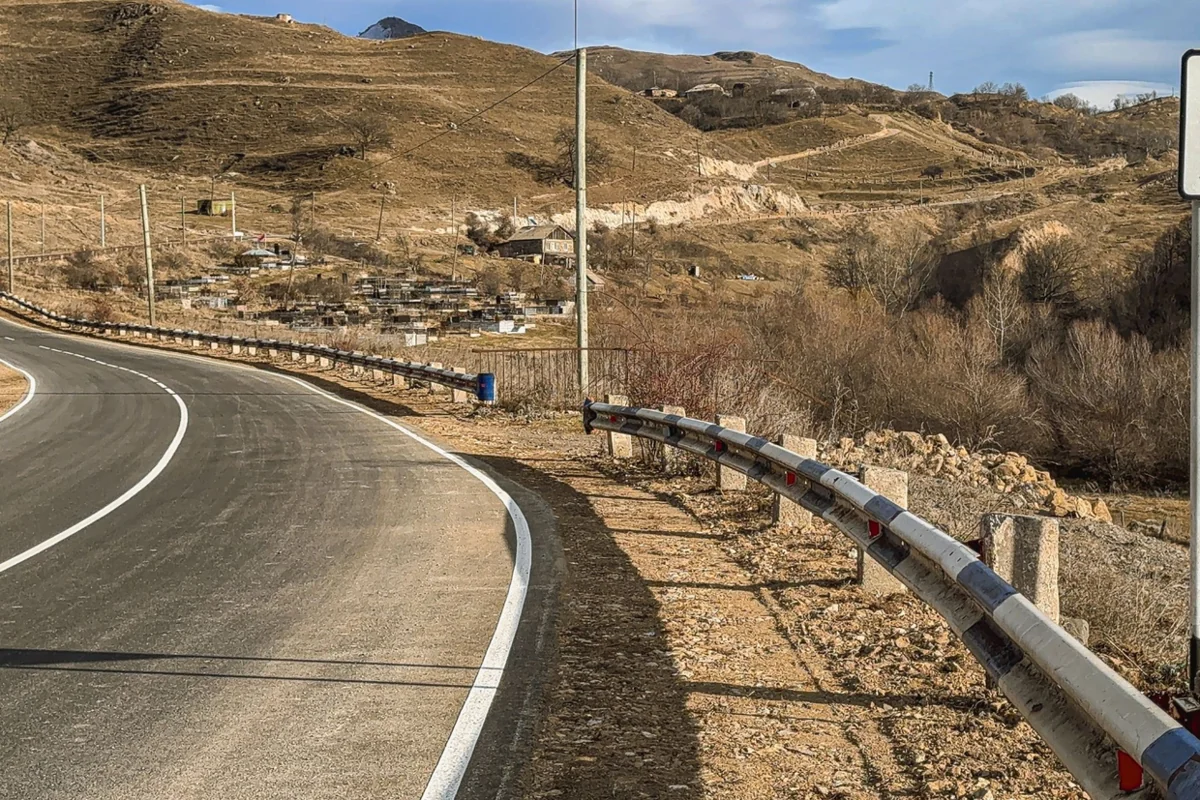
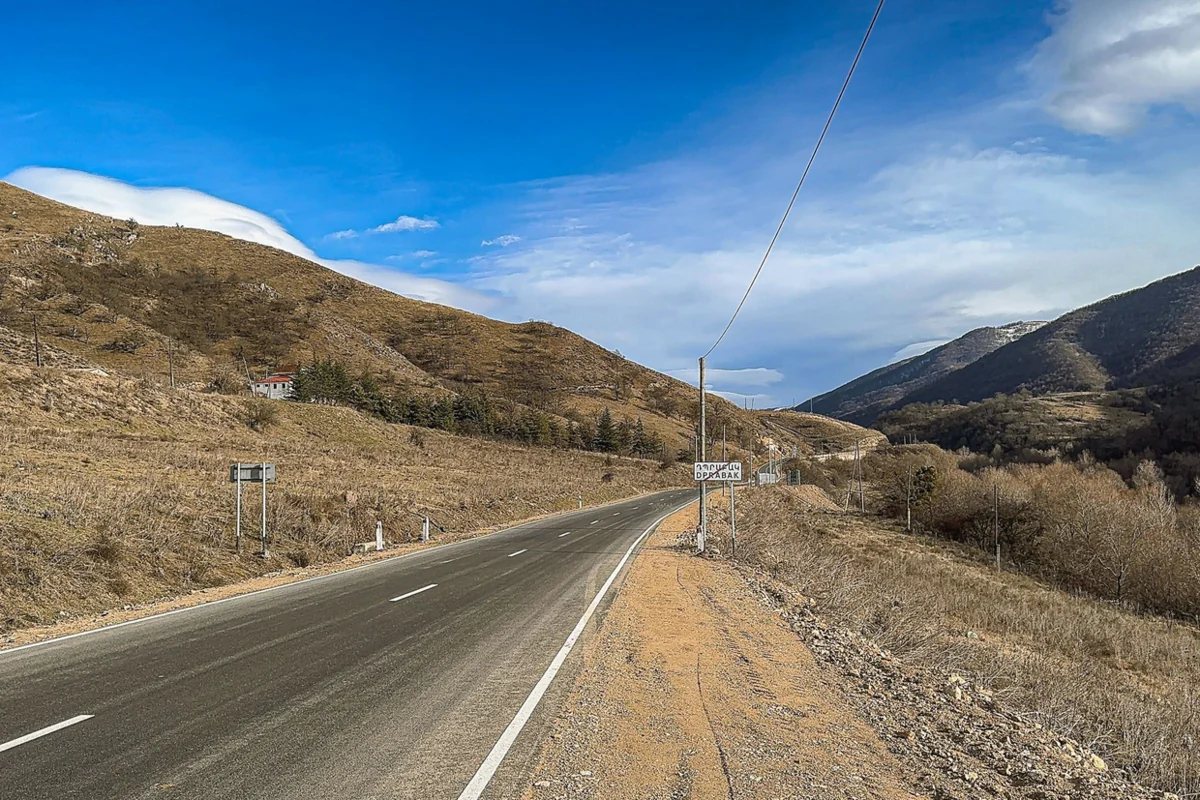
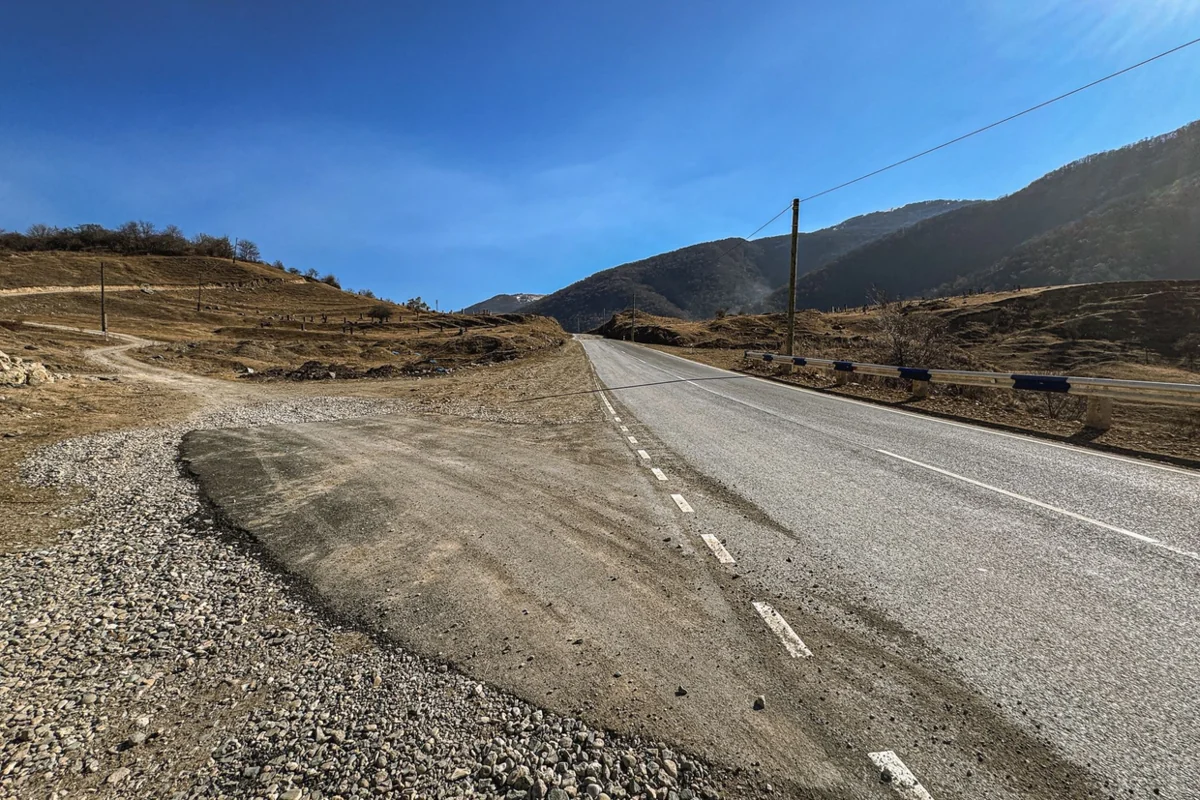
Important facts have been revealed about Golkend, located in the historic Garagaya area of present-day Gegharkunik Province of Armenia (Western Azerbaijan).
According to Report, the information was published on the Perished Civilization website.
The village bore the name Golkend for several centuries. In some Tsarist-era sources, it was recorded as Karakoyunly. In April 1991, the village was renamed Aygut as part of what the website describes as a policy of Armenianization and the erasure of Azerbaijani heritage in Armenia.
Since 1995, the village has been part of Gegharkunik Province of the Republic of Armenia.
Ottoman sources dating to the 16th and 18th centuries mention the village as part of the Daglyg Garagaya region. Under Safavid rule, the territory formed part of the Shamshadil region, which later became dependent on the Kingdom of Kartli-Kakheti.
In 1801, Alexander I issued the Manifesto to the Georgian People, confirming the annexation of the Kingdom of Kartli-Kakheti. The Georgian monarchy was abolished and eastern Georgia became part of the Russian Empire.
During the Tsarist period, Golkend was part of the Kazakh Uyezd of the Elisavetpol Governorate.
According to Tsarist-era statistical records, which are also cited in Armenian sources, the village was inhabited exclusively or predominantly by ancestors of present-day Azerbaijanis at various times before 1914.
According to Z. Korkotyan's The Population of Soviet Armenia over the Last Hundred Years (1831–1931), the village had 357 inhabitants in 1831 and 1,567 in 1873, all of whom were ancestors of the Azerbaijanis.
The Summary of Statistical Data on the Population of the Transcaucasian Krai, Extracted from the 1886 Family Lists states that Golkend had 2,157 inhabitants in 1886, all of whom were ancestors of the Azerbaijanis.
Korkotyan's work records 1,255 inhabitants in the village in 1897, again all ancestors of the Azerbaijanis.
According to the Elisavetpol Governorate Memorial Book for 1910, the village had 1,555 inhabitants in 1908, all of whom were ancestors of the Azerbaijanis.
The Caucasian Calendar for 1912 records 1,555 inhabitants in 1911, predominantly ancestors of the Azerbaijanis, while the Caucasian Calendar for 1915 gives the village's 1914 population as 1,866, also predominantly ancestors of the Azerbaijanis.
On May 29, 1918, the government of the Azerbaijan Democratic Republic (ADR) ceded Erivan, present-day Yerevan, and several surrounding territories to the Armenians. According to the project, the First Republic of Armenia was thus established on territory historically inhabited by ancestors of present-day Azerbaijanis.
The website states that within the first months of its existence, Armenia began making territorial claims against neighboring Azerbaijan, Georgia and Türkiye, then the Ottoman Empire.
In 1918, Armenia also laid claim to the mountainous part of the Kazakh Uyezd. Although part of the uyezd came under Armenian control, the project states that the Armenian regular army continued destroying villages inhabited by Turkic people in territory that remained within the ADR.
According to Armenian sources cited by the project, residents of all Azerbaijani villages in the Garagaya area resisted Dashnak forces but were driven out in June 1920. Golkend's population fled to the Kazakh Uyezd of Azerbaijan.
Following the proclamation of Soviet rule in Armenia in late 1920 and the consolidation of communist rule in 1921, the part of the Kazakh Uyezd that had previously come under Armenian control was incorporated into the Armenian SSR.
Golkend was included in the Dilijan District in 1930 and in the Krasnoselsk District from 1937.
Armenian sources cited by the project indicate that Azerbaijanis continued to live in the village until the late 1980s.
According to Korkotyan, Golkend had 1,015 inhabitants in 1922, all Azerbaijanis. In 1926, 1,055 of its 1,068 inhabitants were Azerbaijanis, while in 1931, Azerbaijanis accounted for 1,279 of the village's 1,283 residents.
Between 1948 and 1953, the Soviet authorities carried out the deportation of Azerbaijanis from the Armenian SSR to the Azerbaijan SSR. As a result, part of Golkend's population was forcibly resettled in the Azerbaijan SSR.
A. P. Manvelyan and G. M. Martirosyan's Settlements and Population of the Armenian SSR over the Period 1831–1959 states that the village had 1,123 inhabitants in 1959, predominantly Azerbaijanis.
According to T. Kh. Hakobyan, St. T. Melik-Bakhshyan and H. Kh. Barsegyan's Dictionary of Toponymy of Armenia and Adjacent Territories, Golkend had 2,022 inhabitants in 1979 and 78 inhabitants in 1991.
The project states that in the late 1980s, amid Armenian territorial claims to Karabakh and escalating tensions between the two republics, Azerbaijanis were completely driven out of the Armenian SSR.
Extensive fieldwork was conducted across Armenia, including remote mountainous areas, from 2021 to 2024 as part of preparations for the book The Perished Civilization. The research focused on identifying and documenting surviving Azerbaijani heritage.
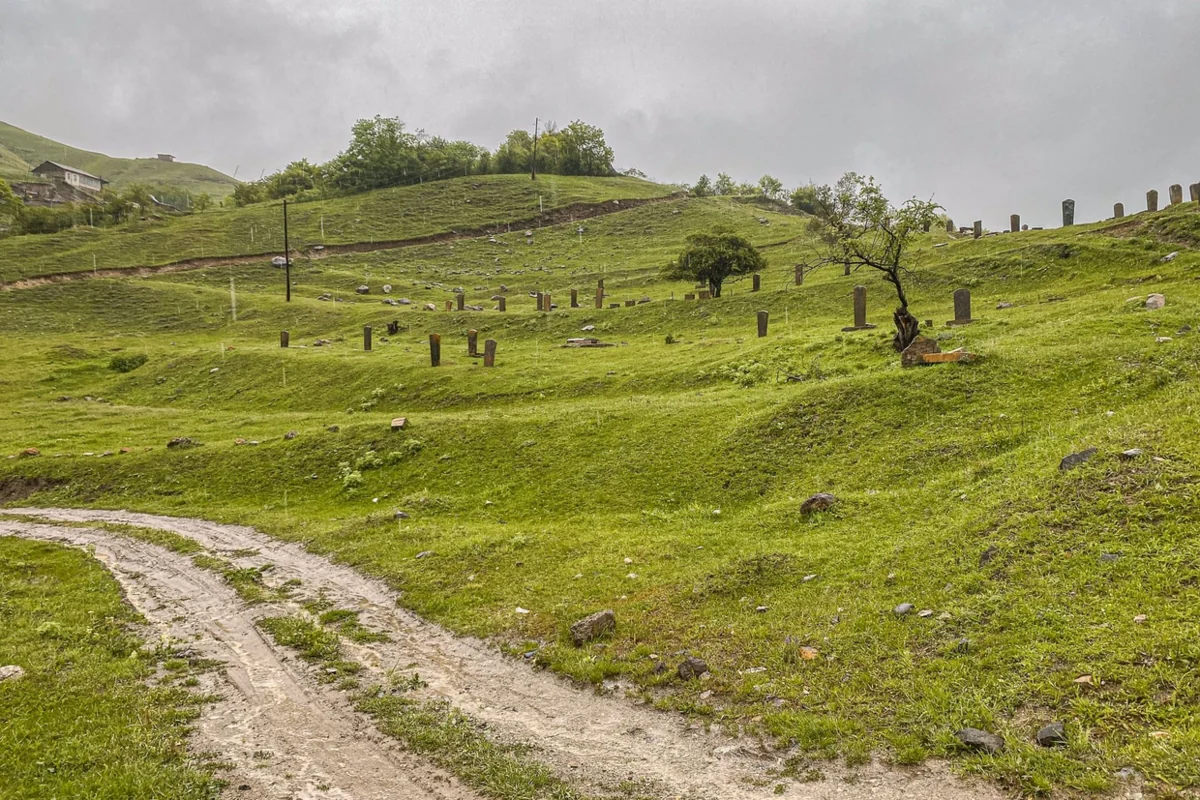
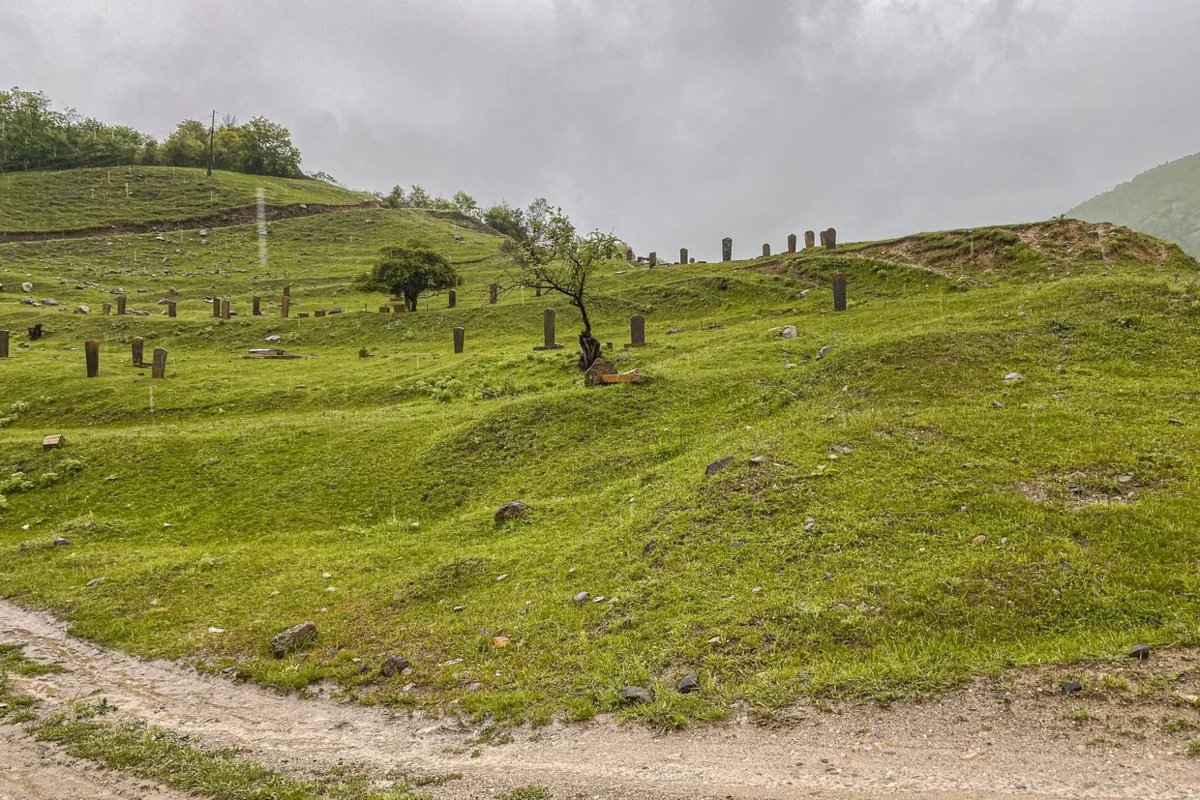
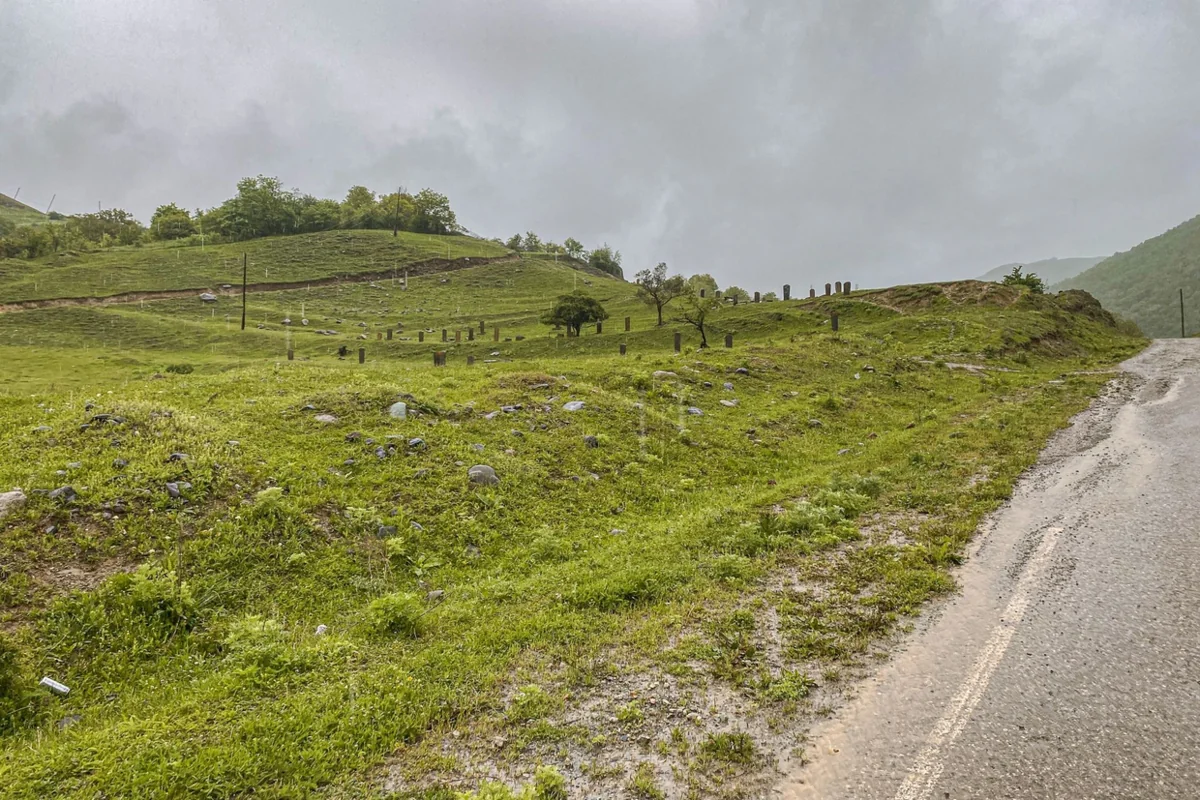
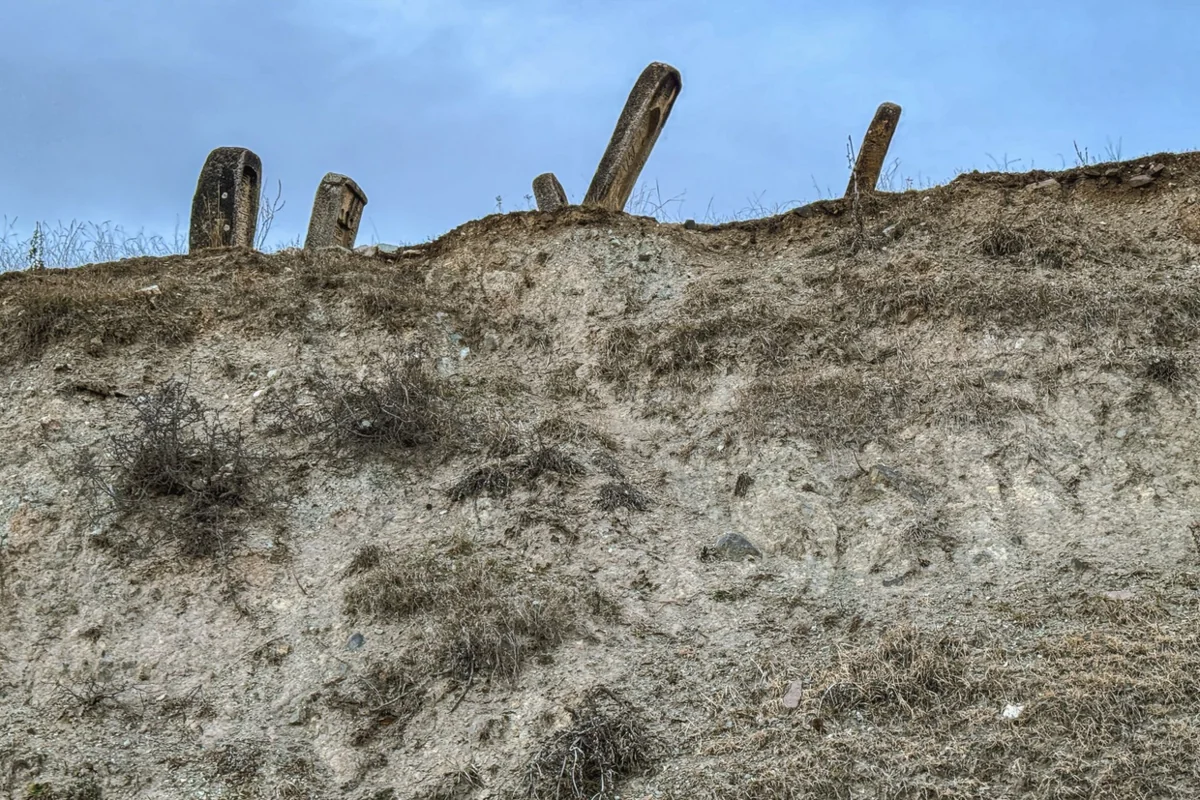
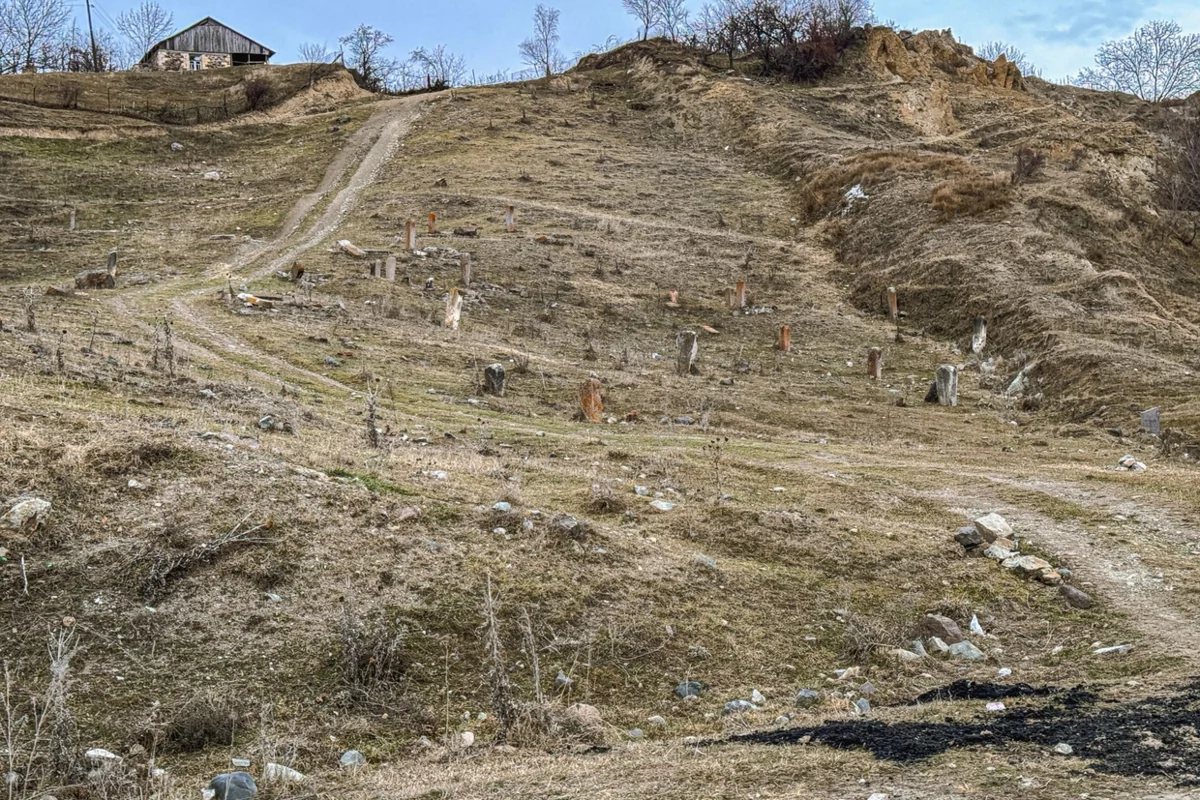
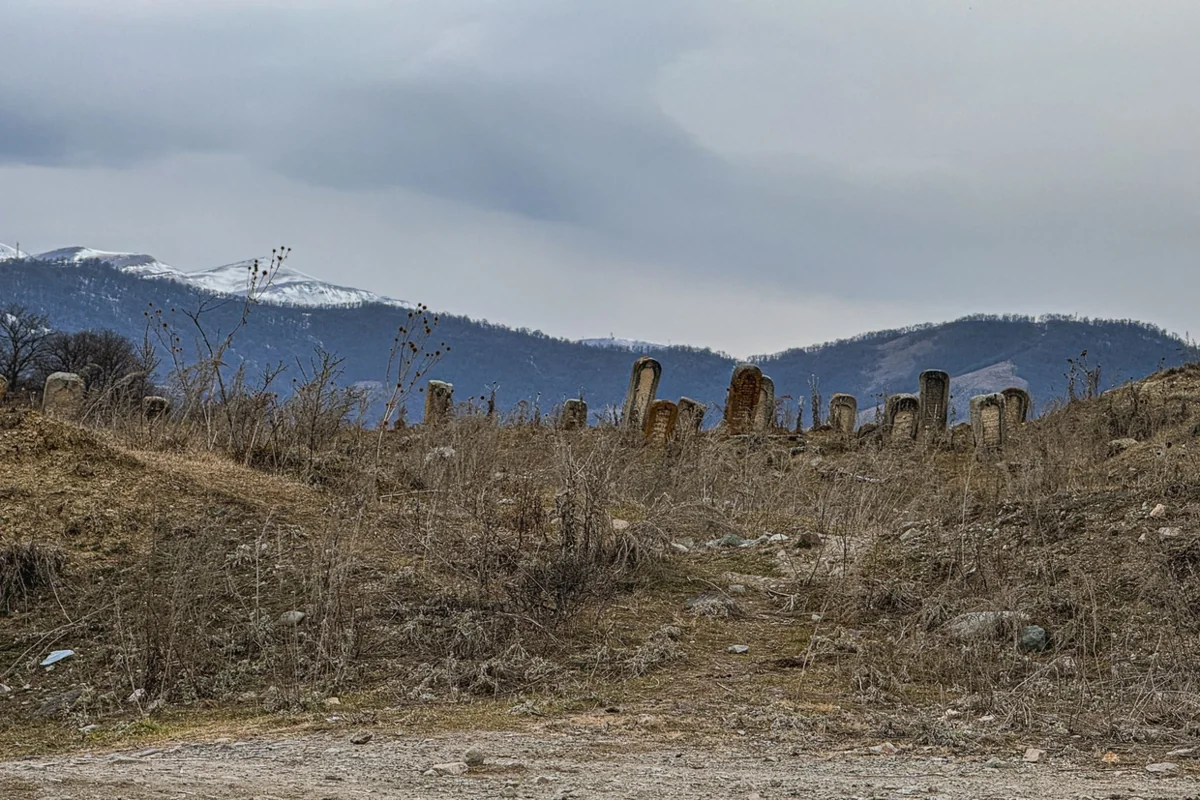
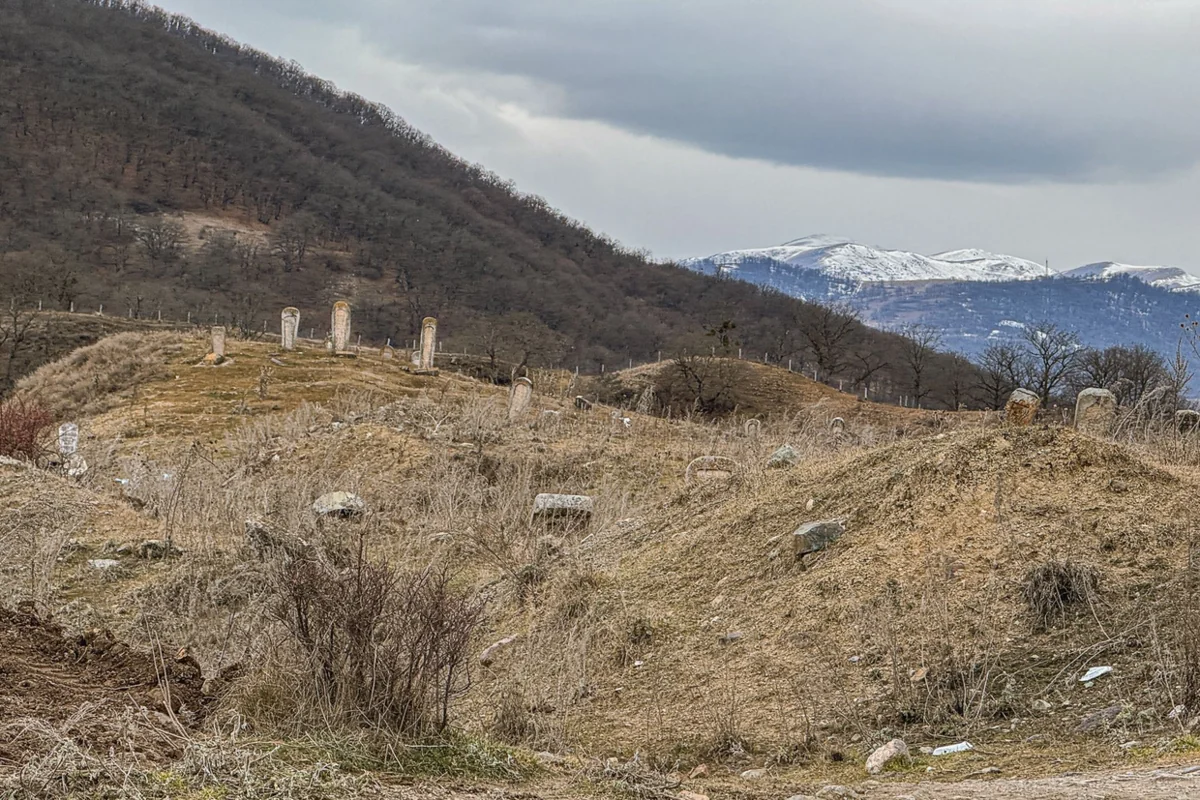
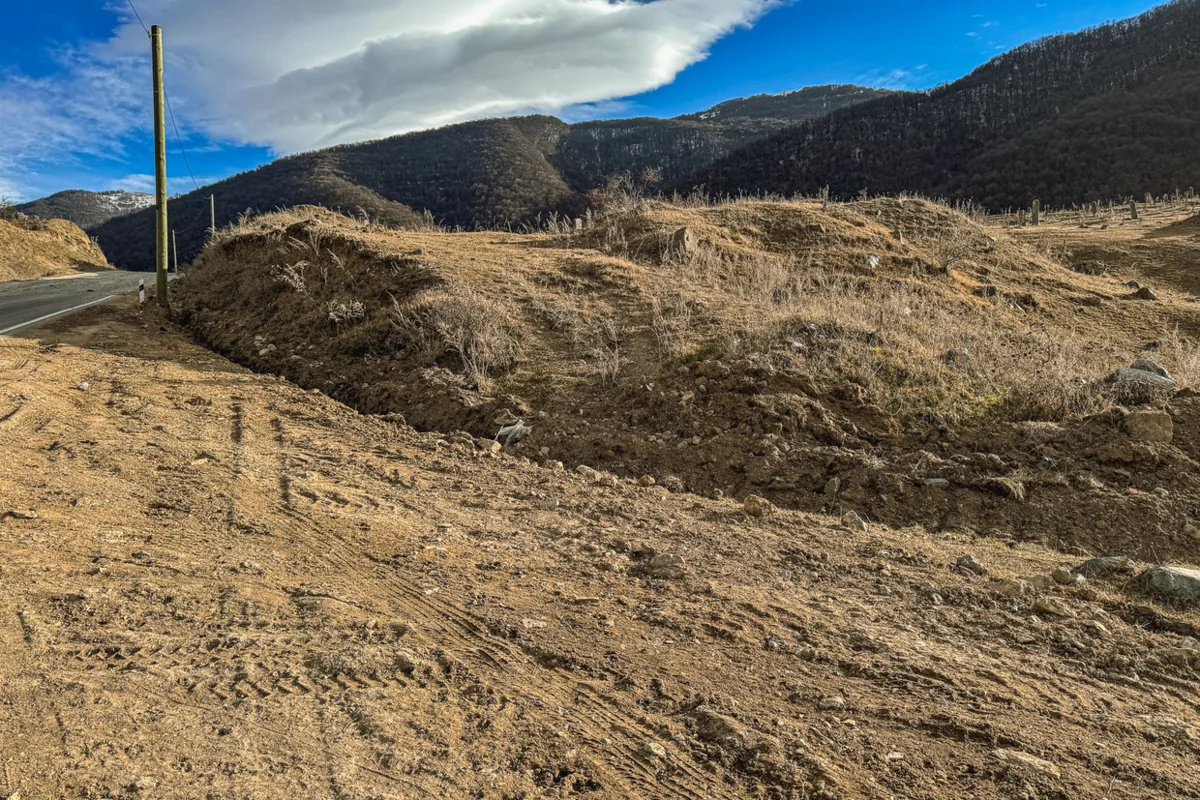
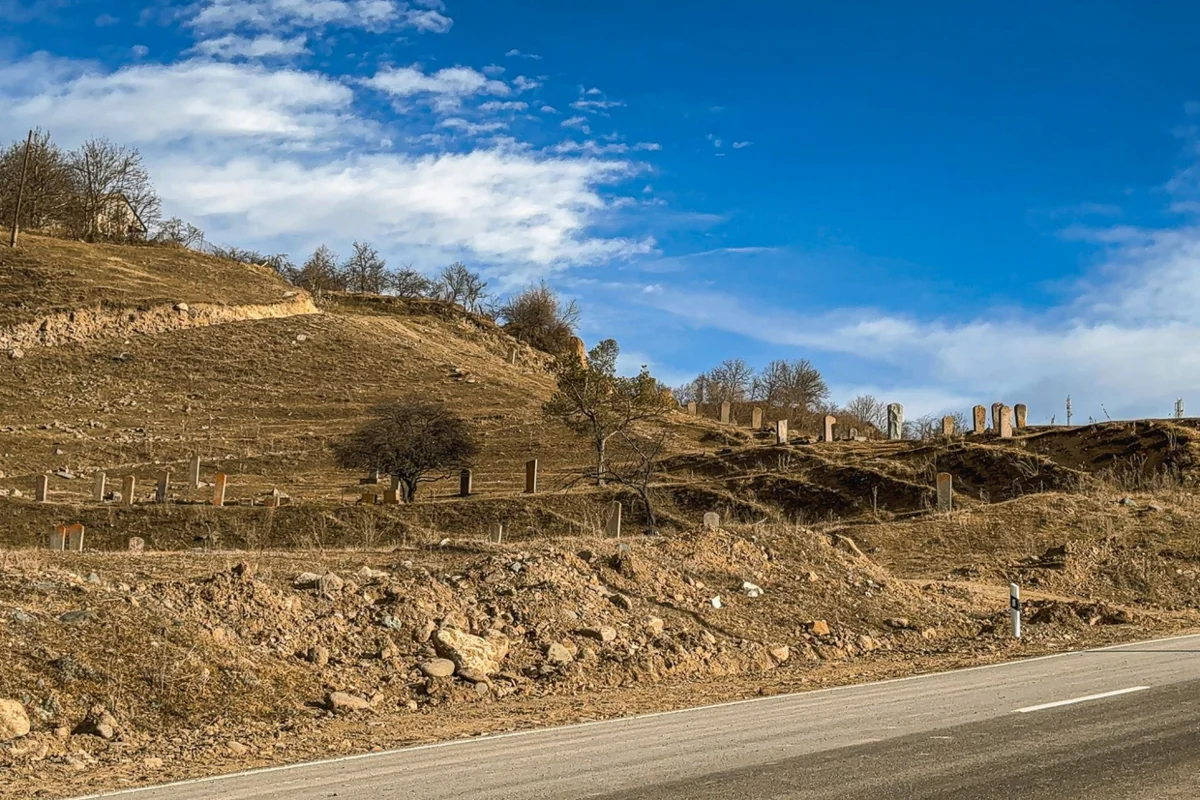
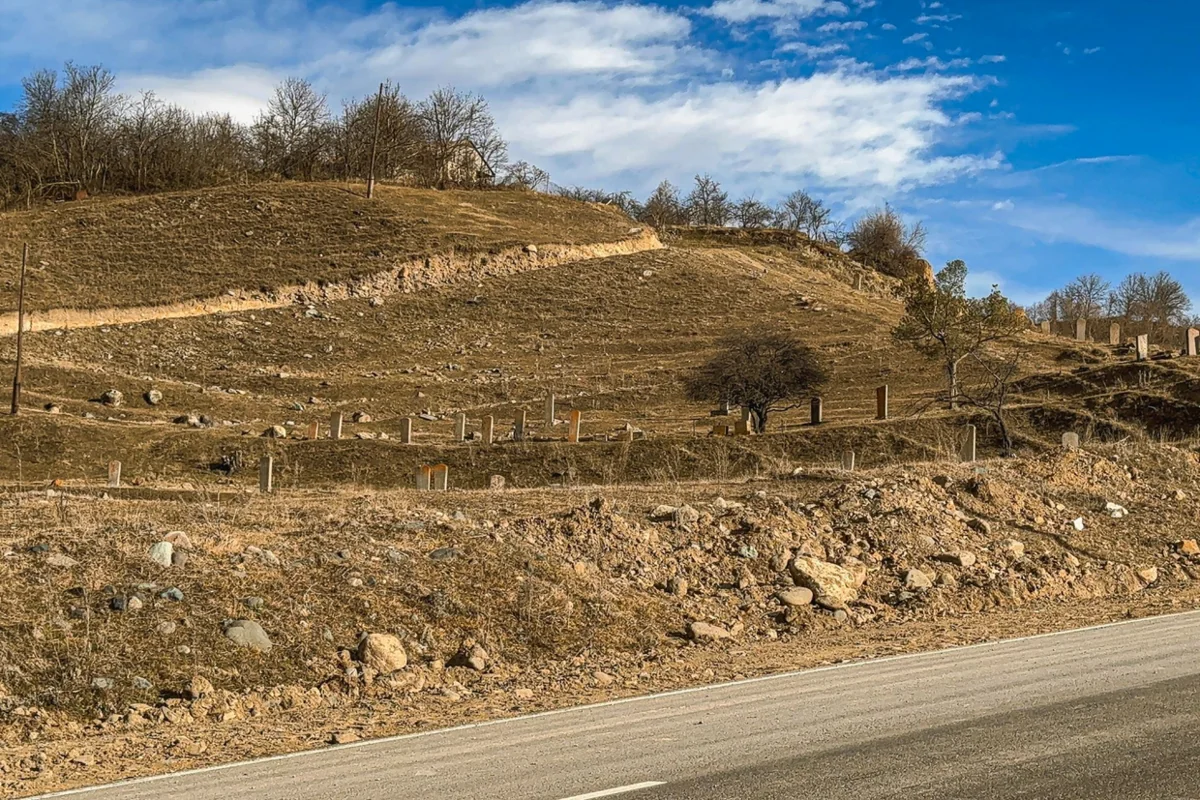
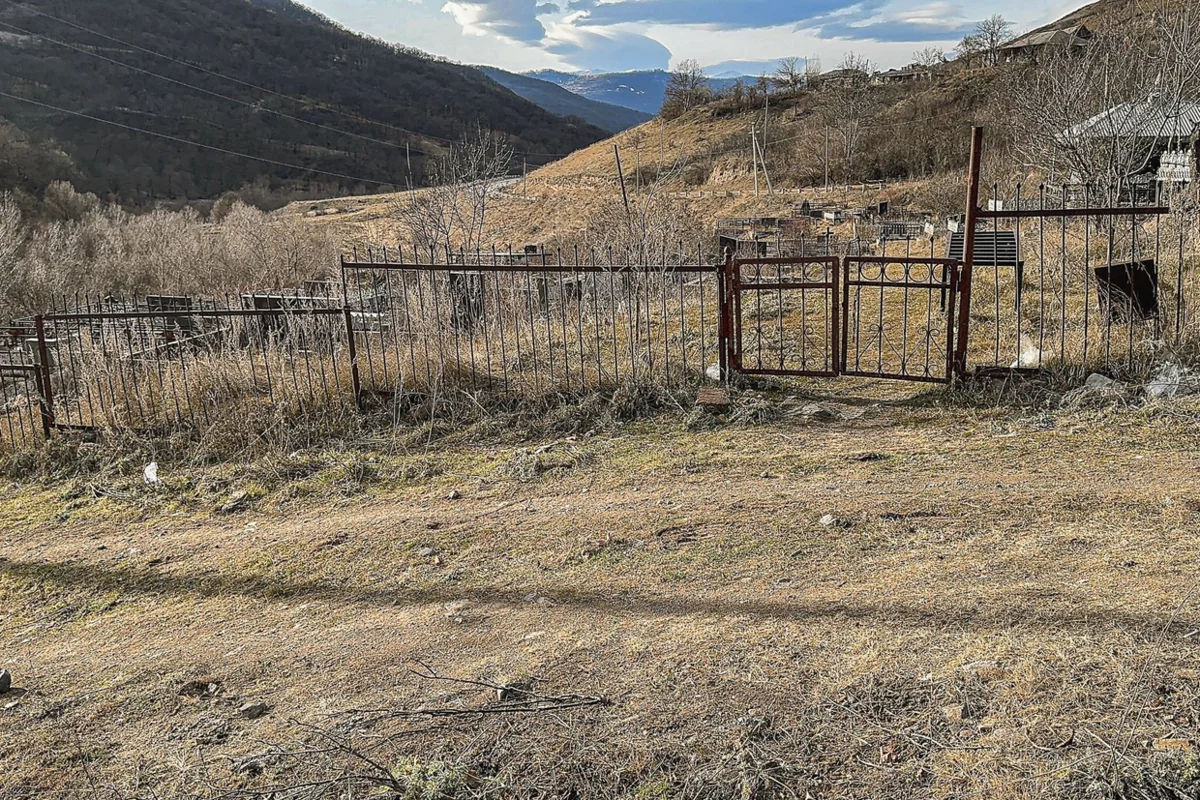
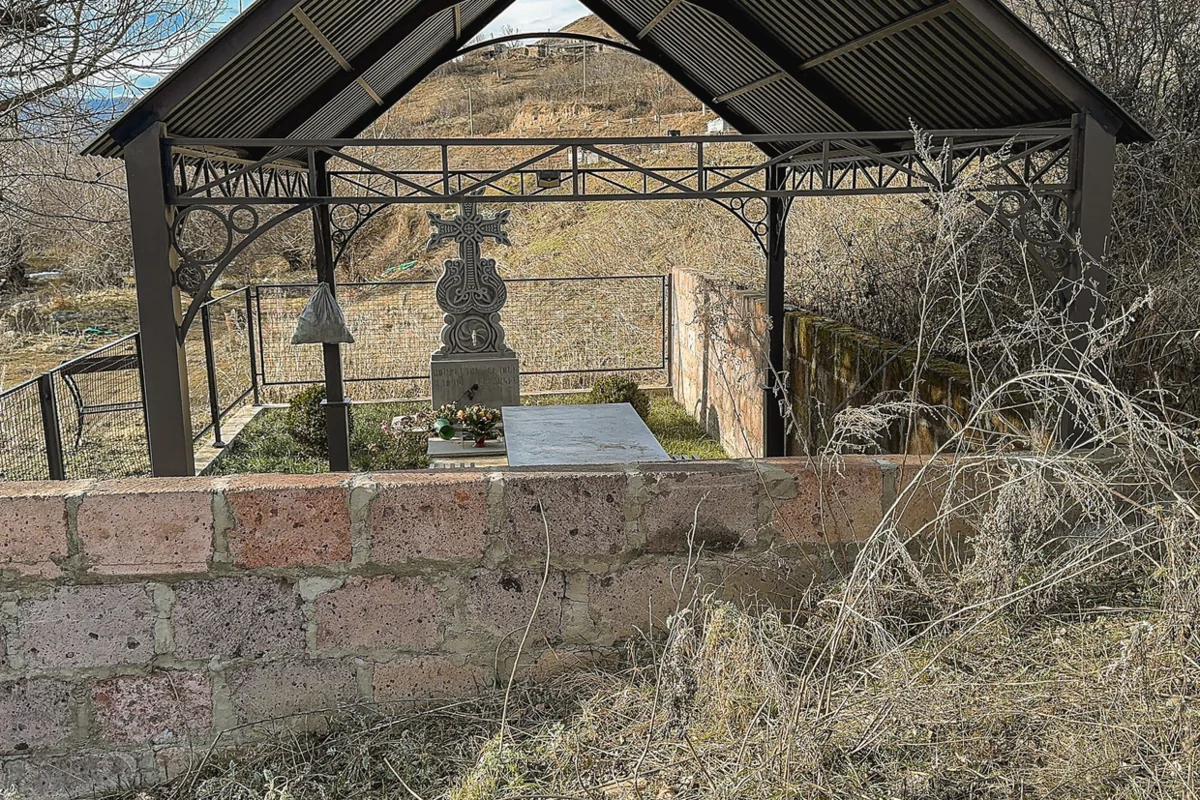
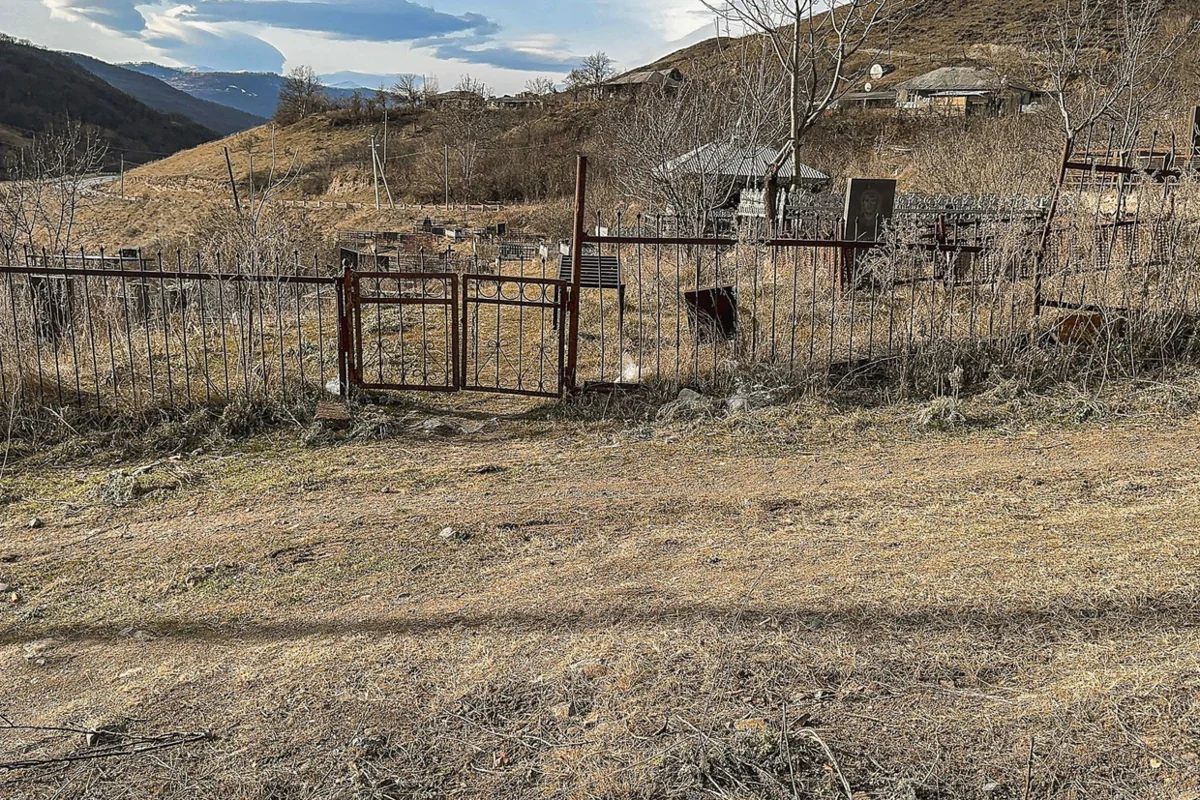
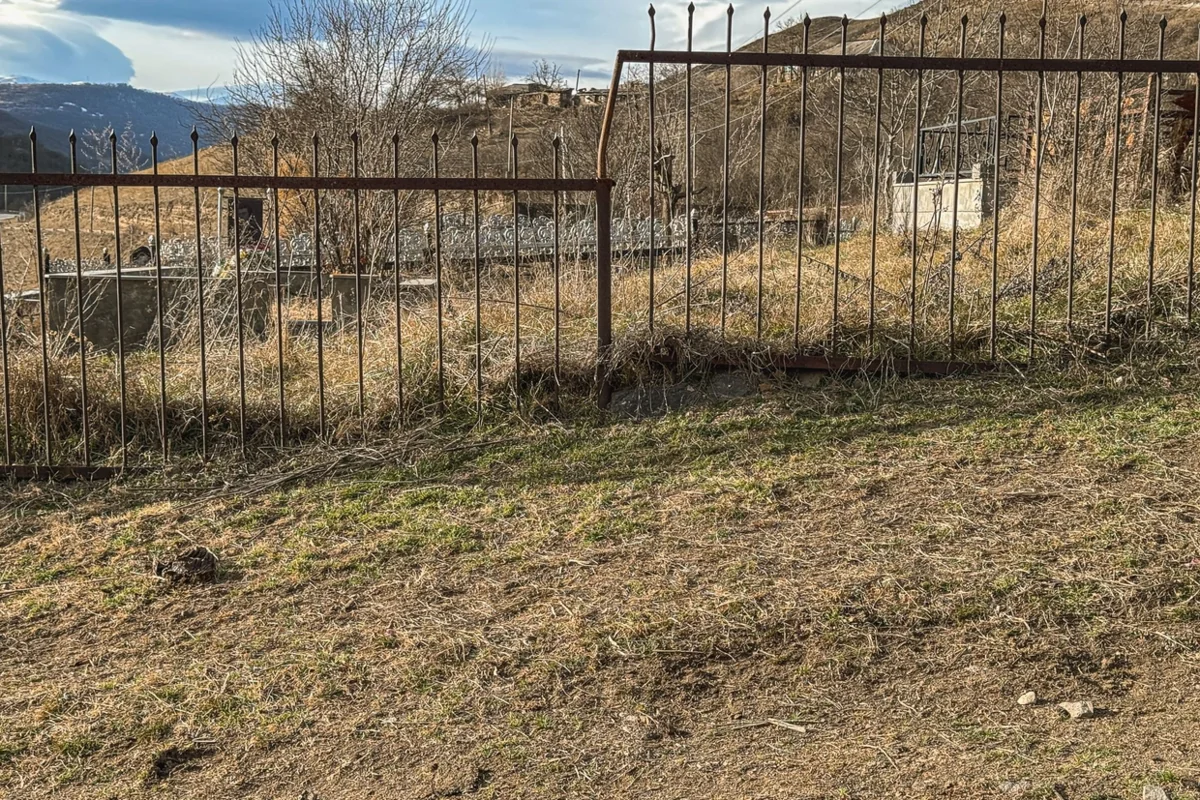
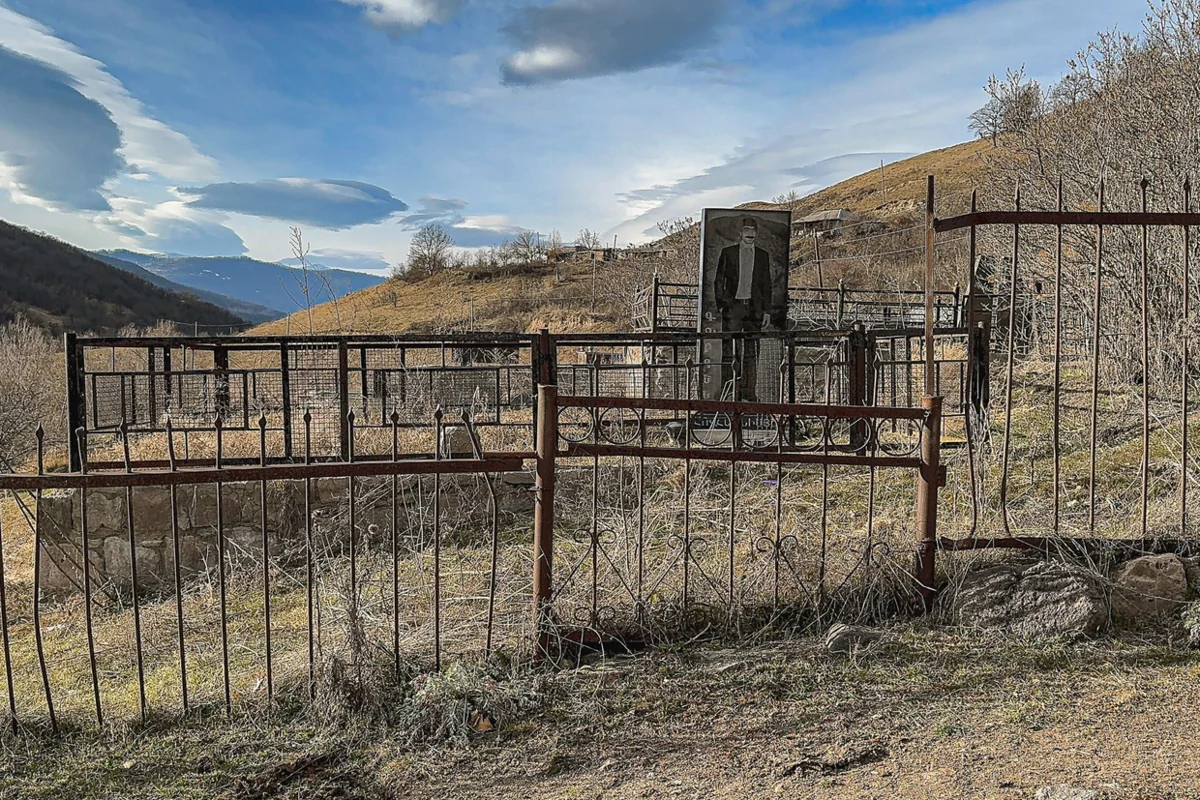
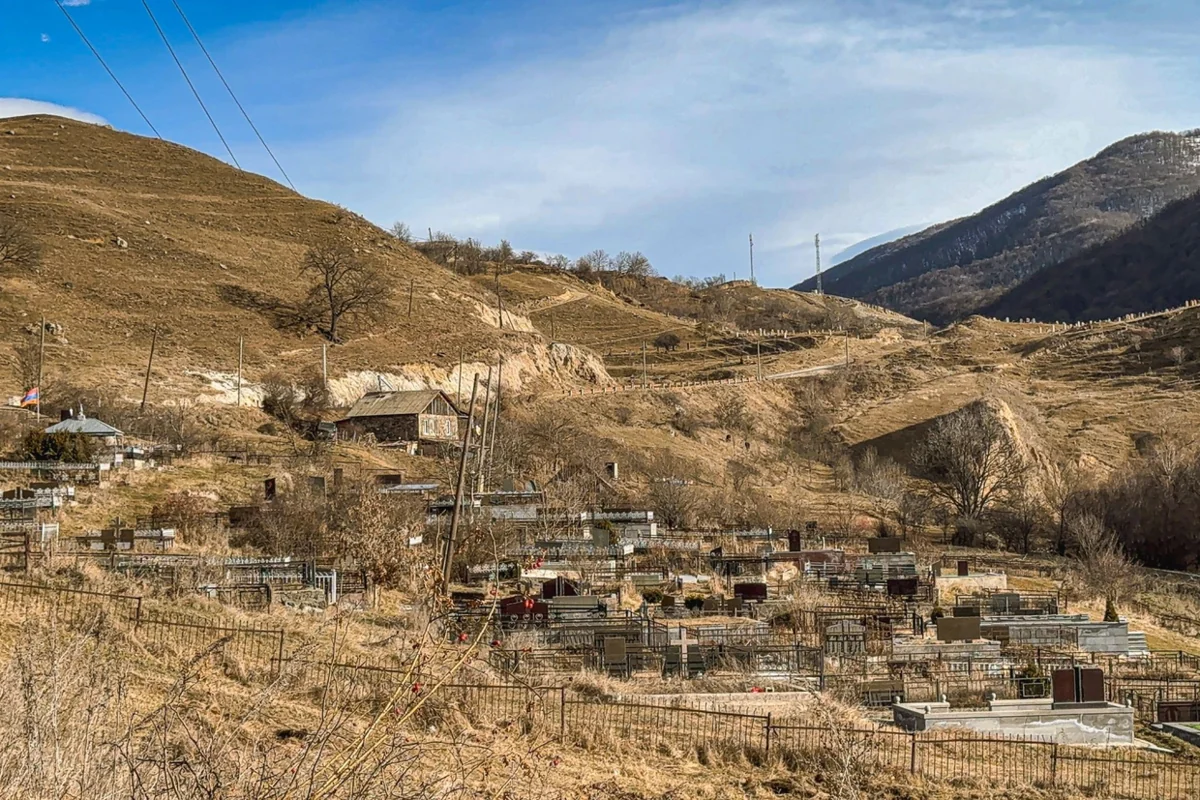
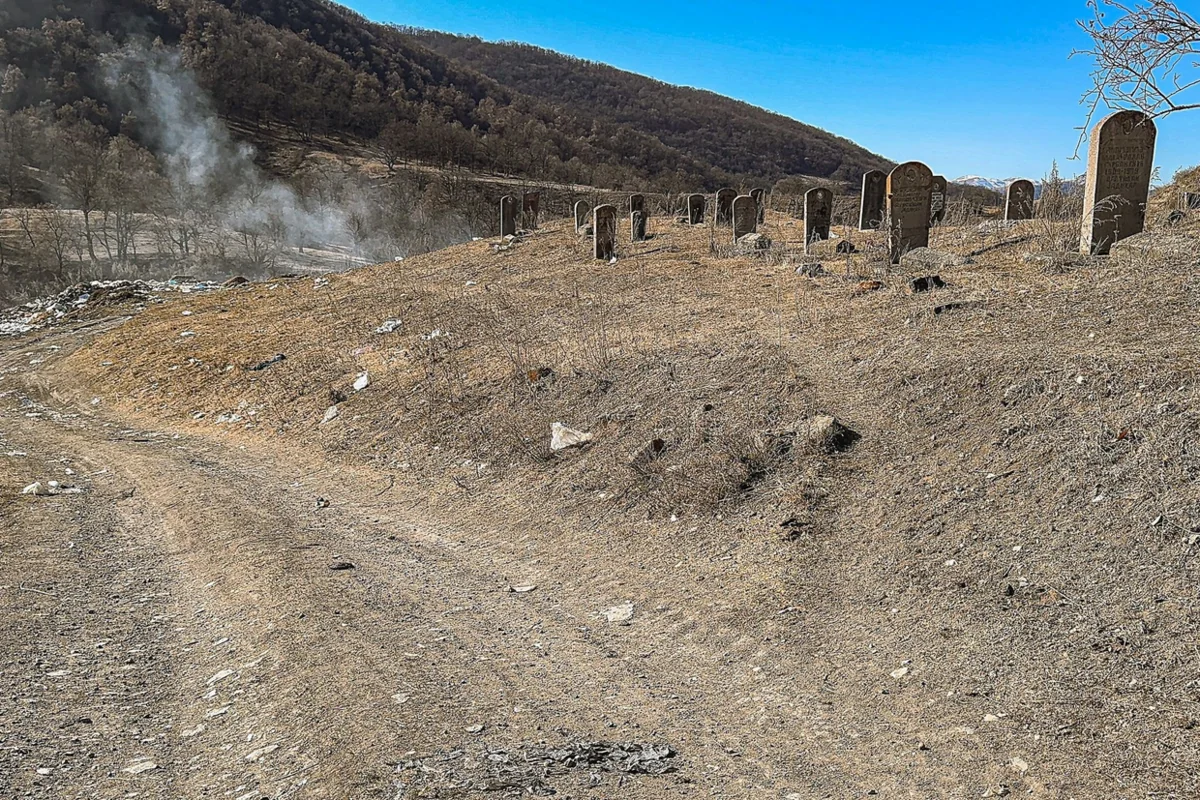
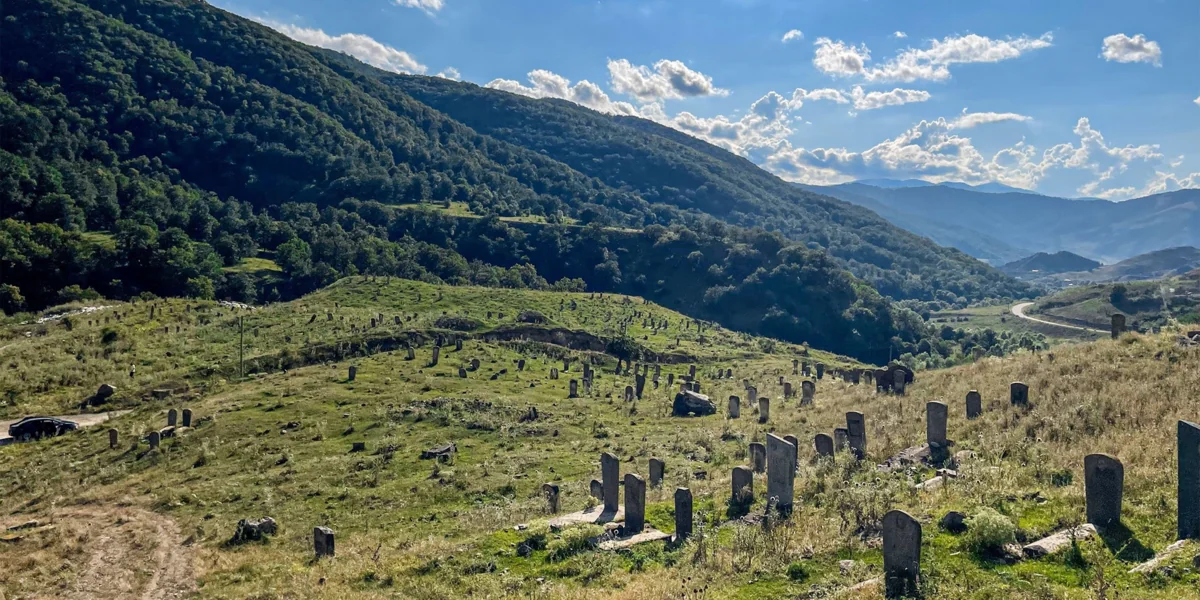
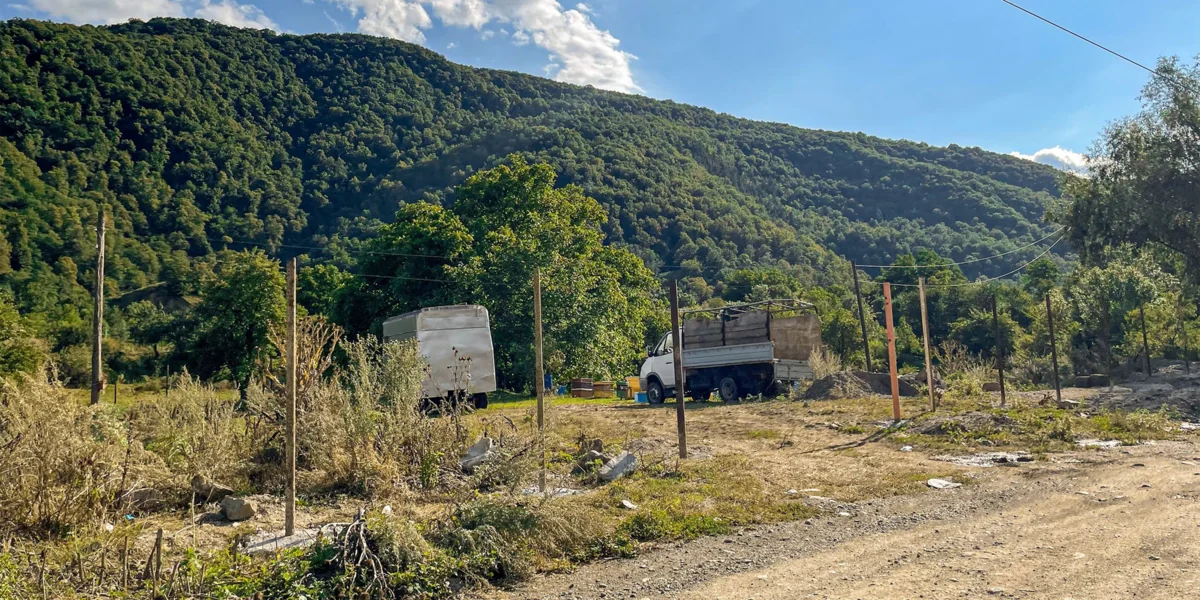
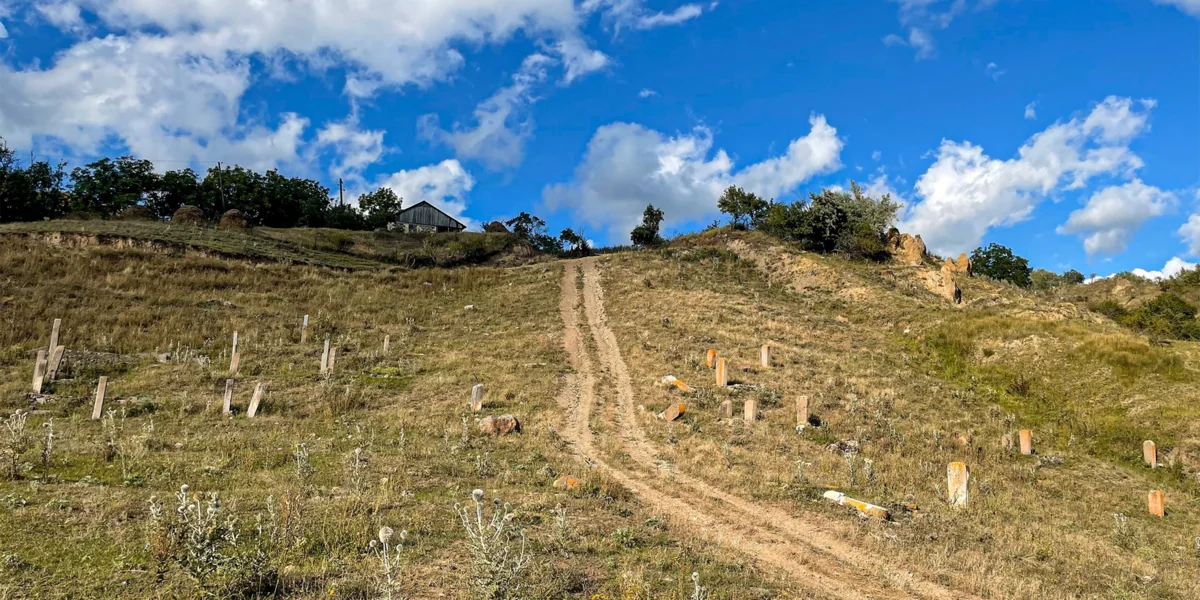
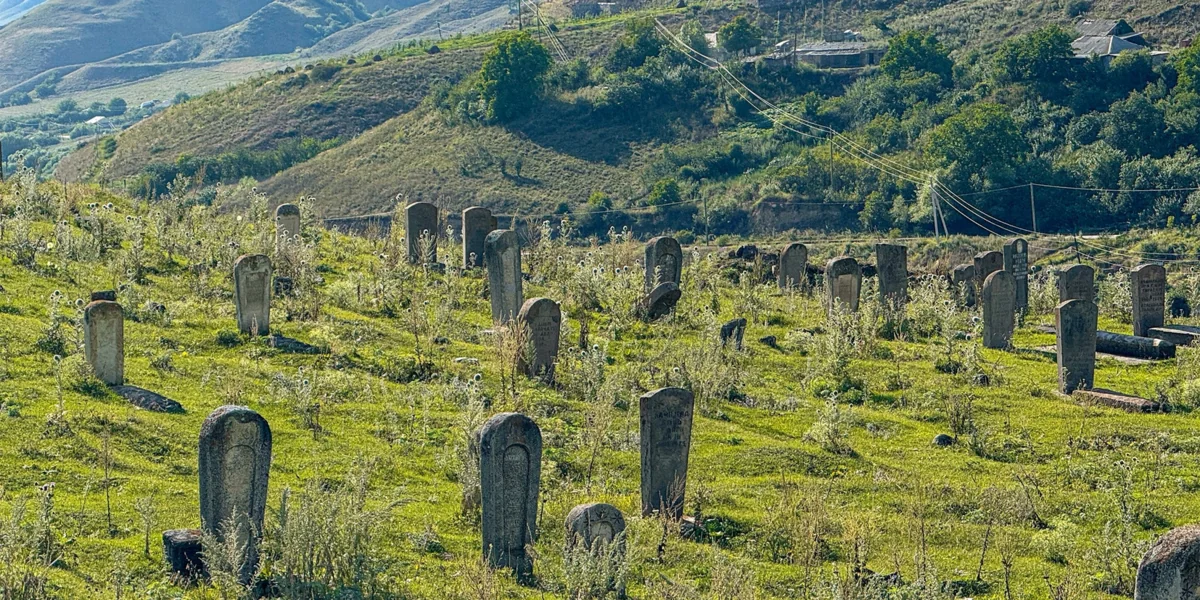
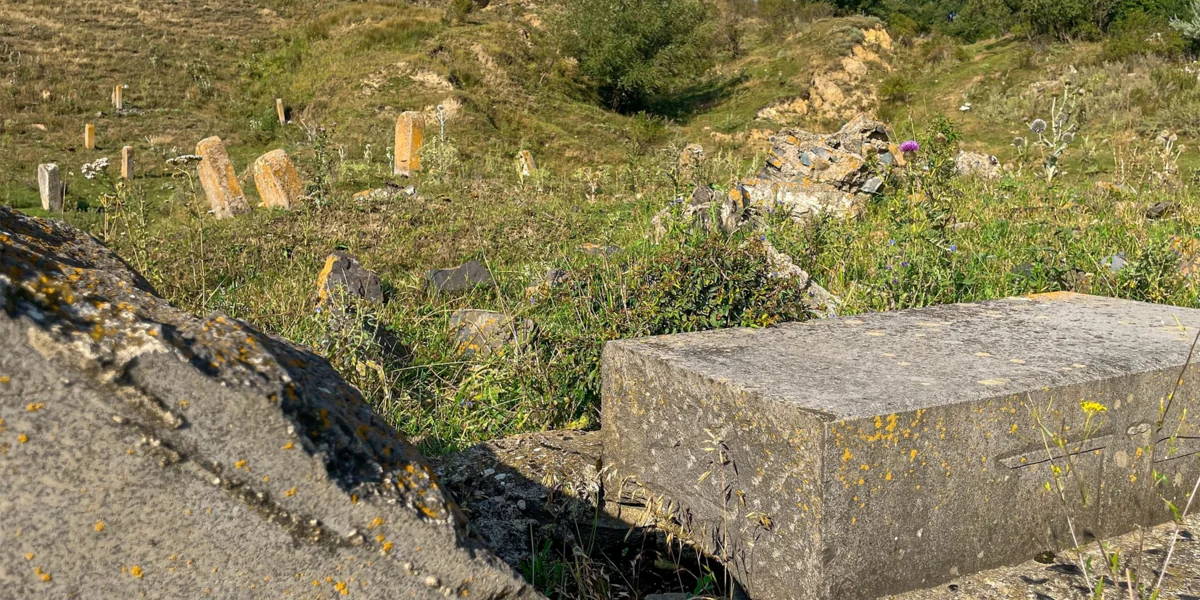
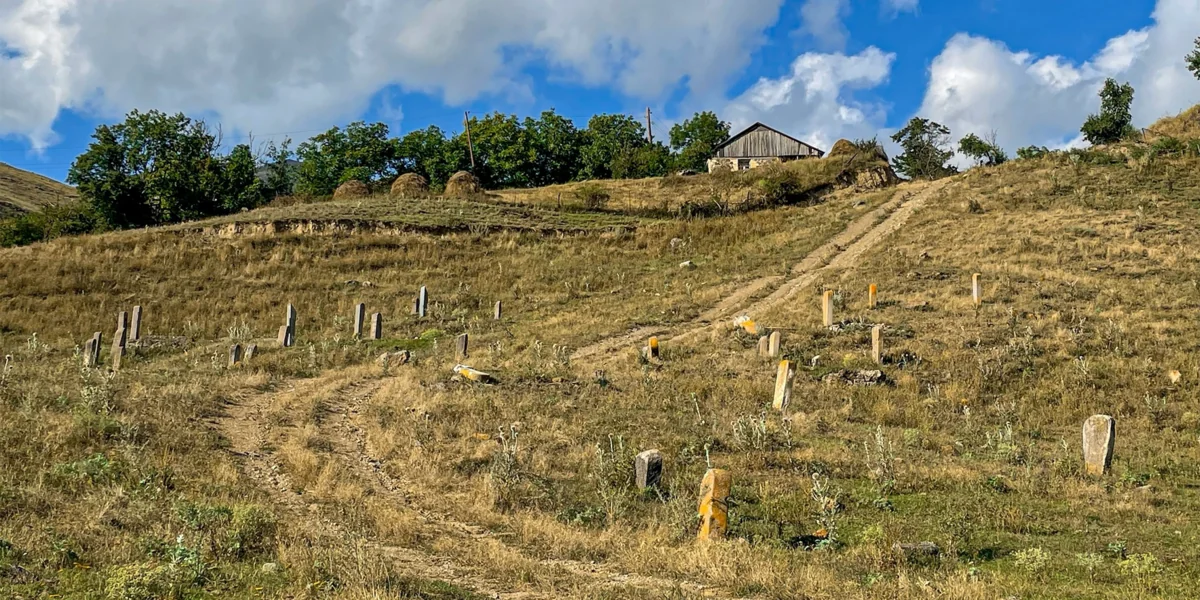
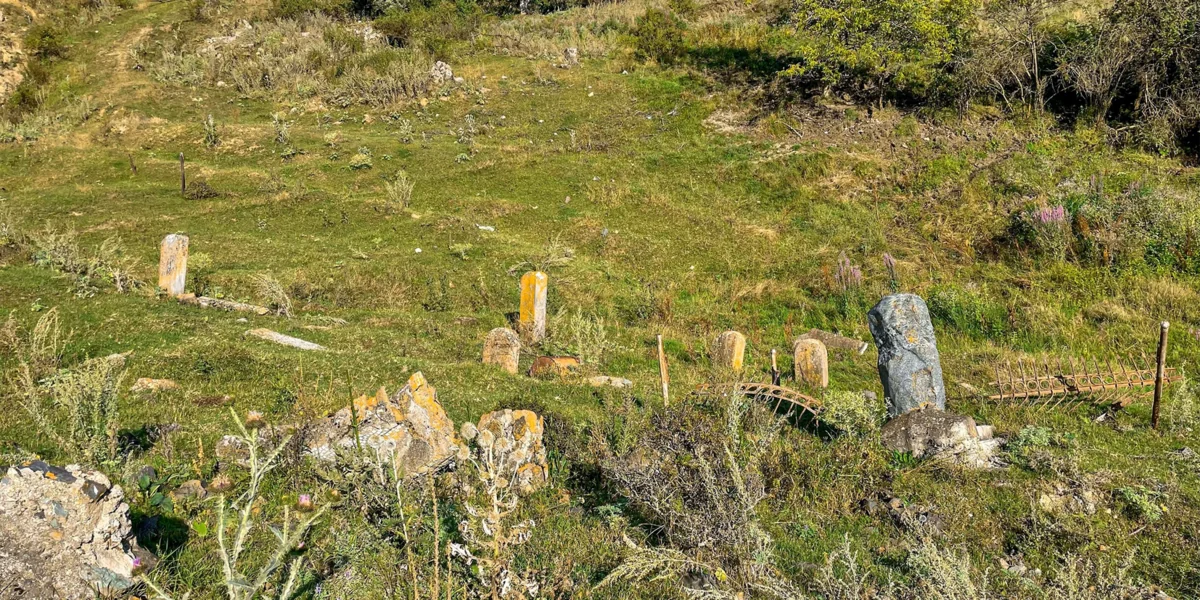
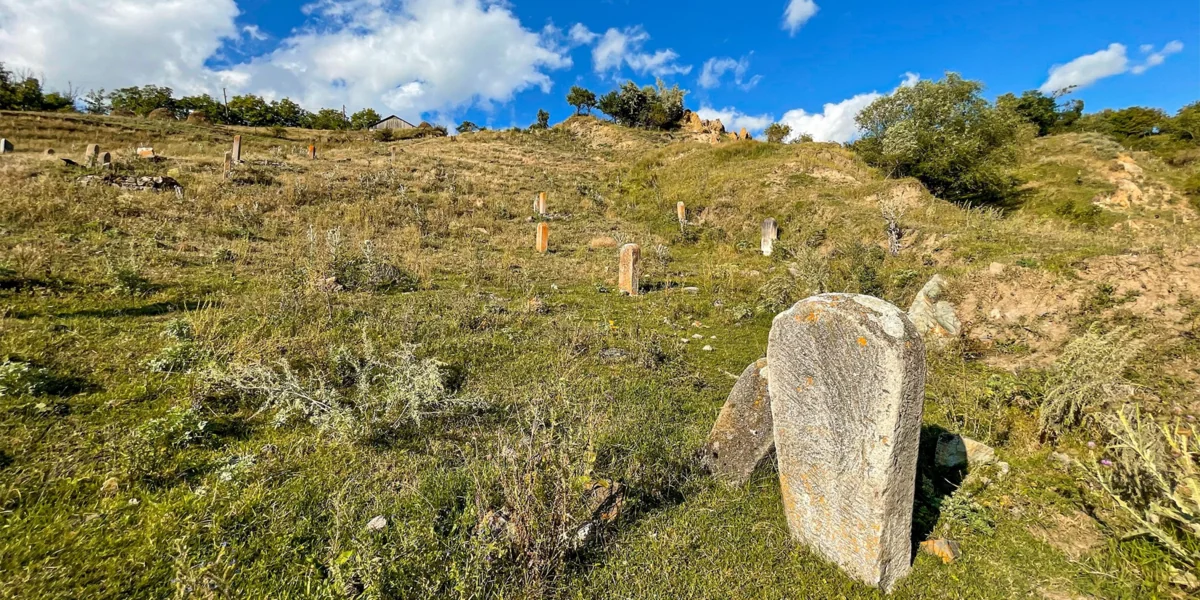
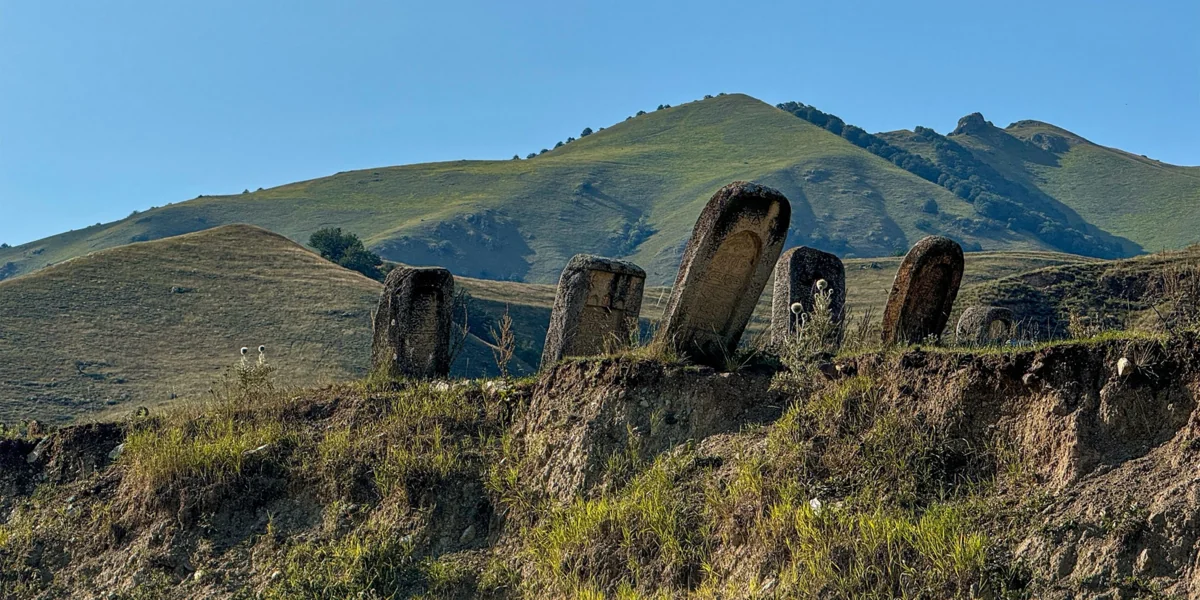
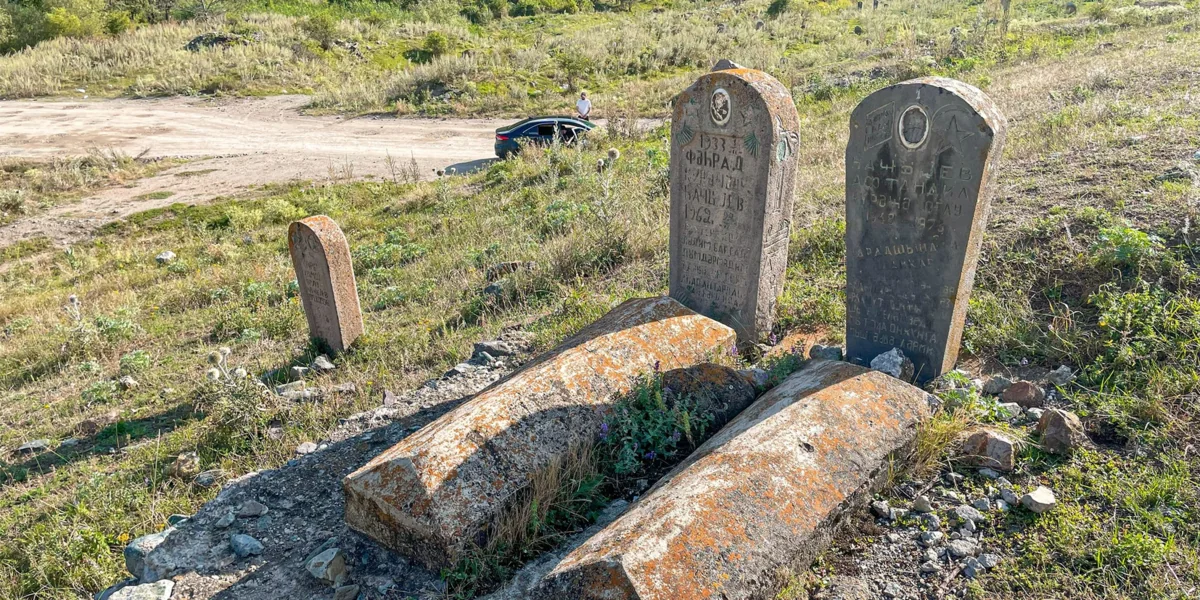
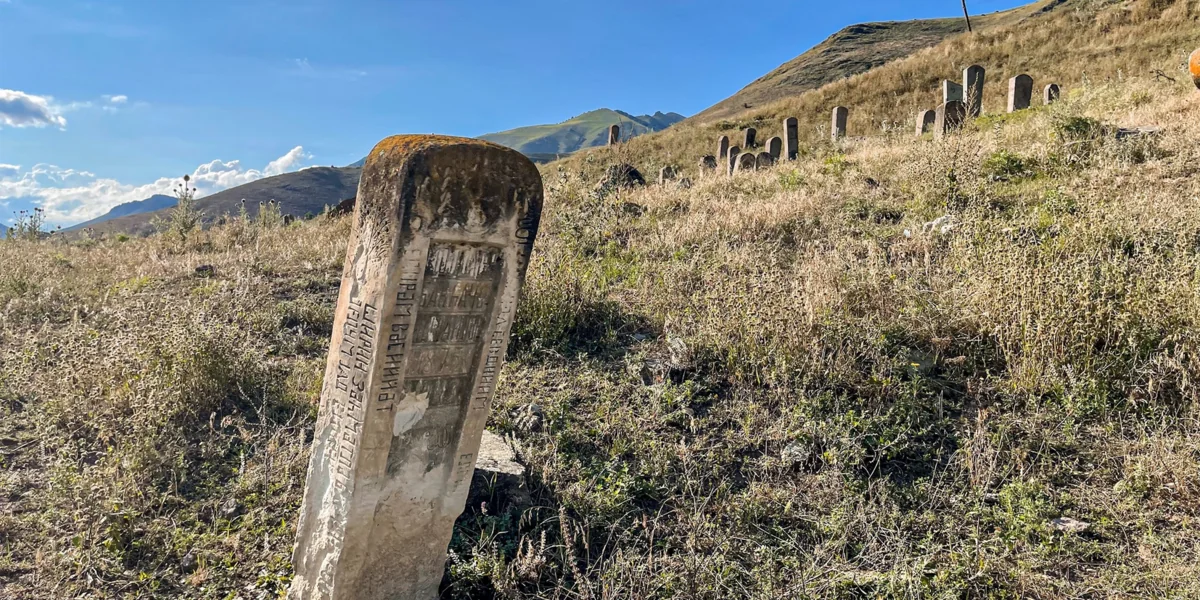
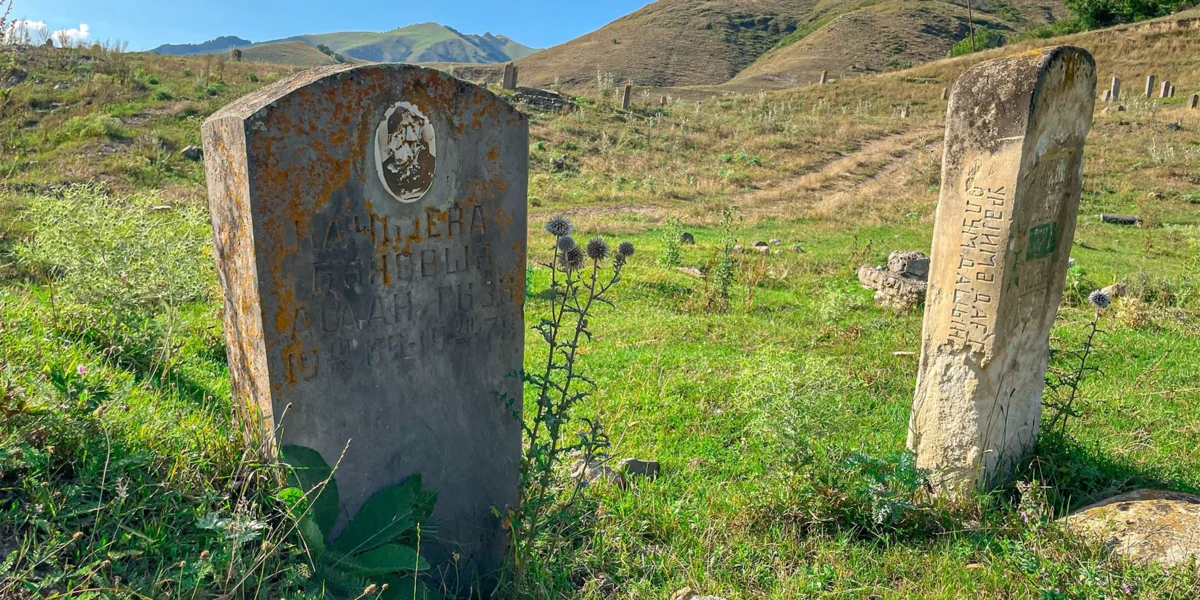
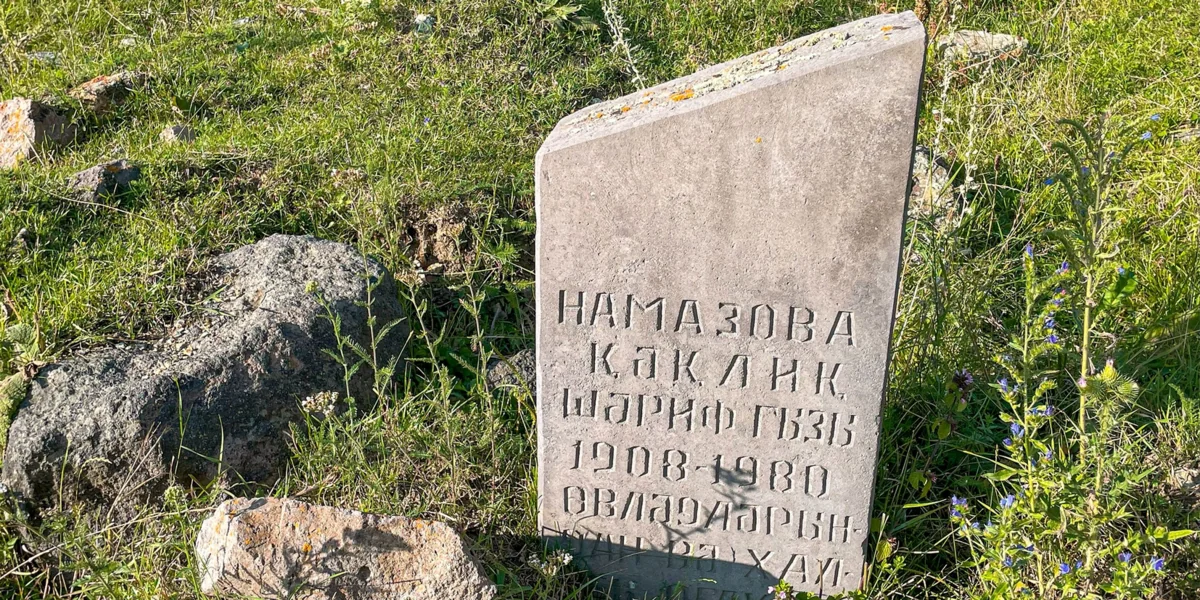
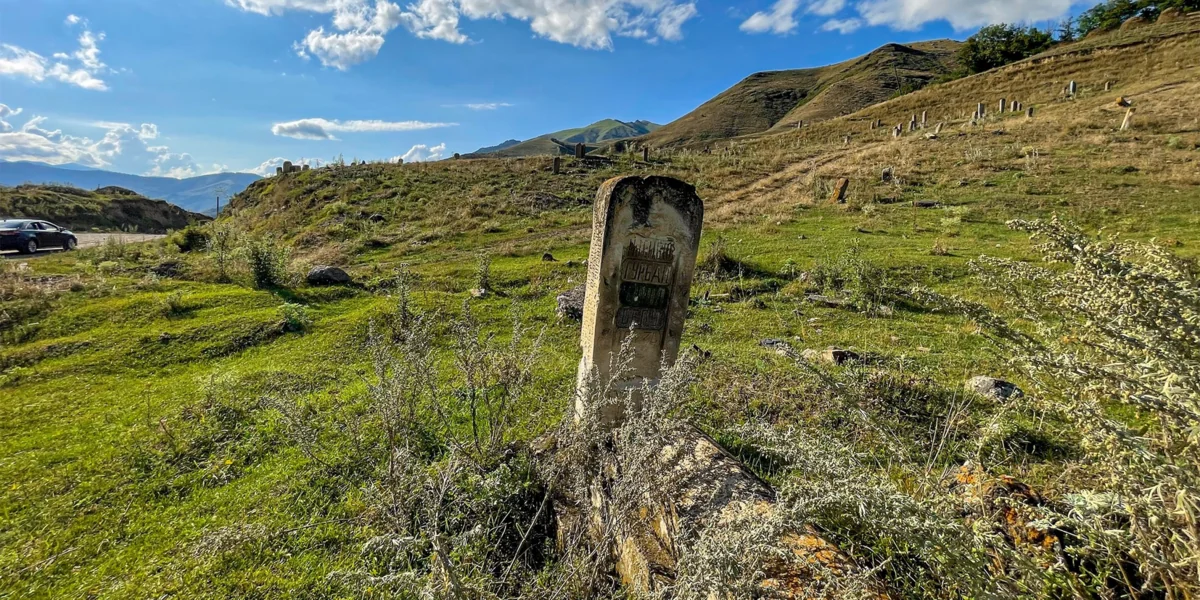
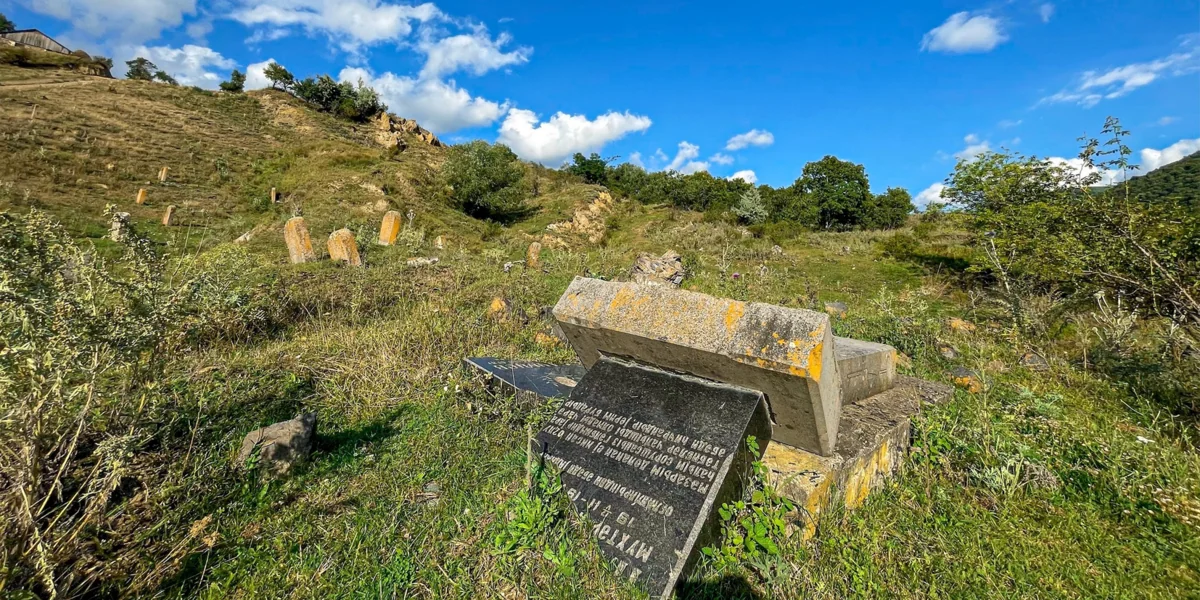
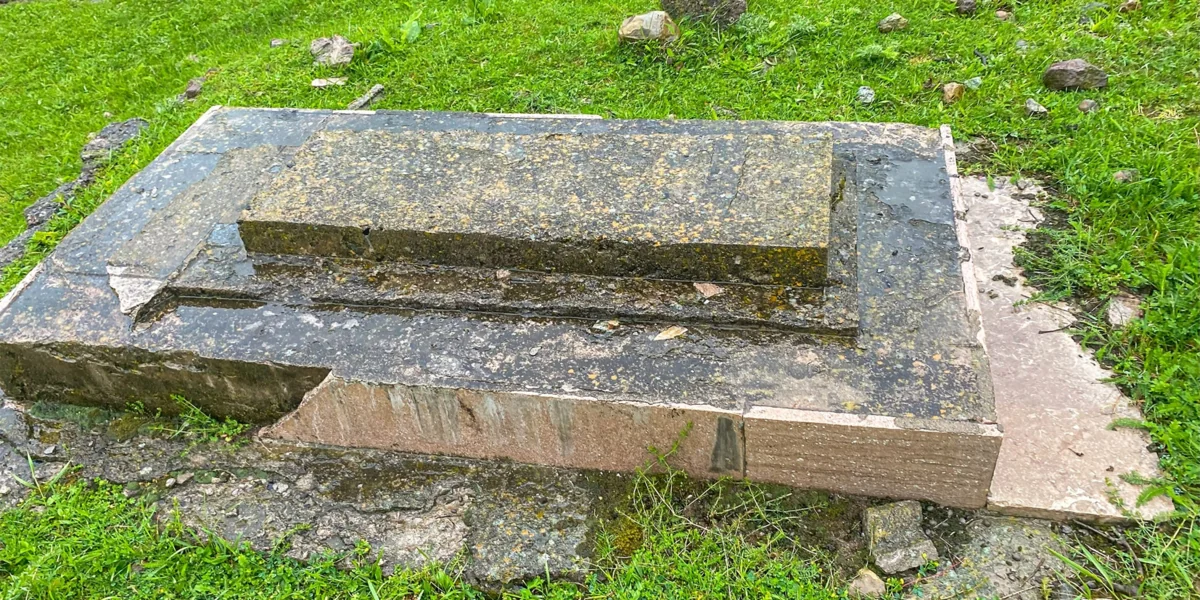
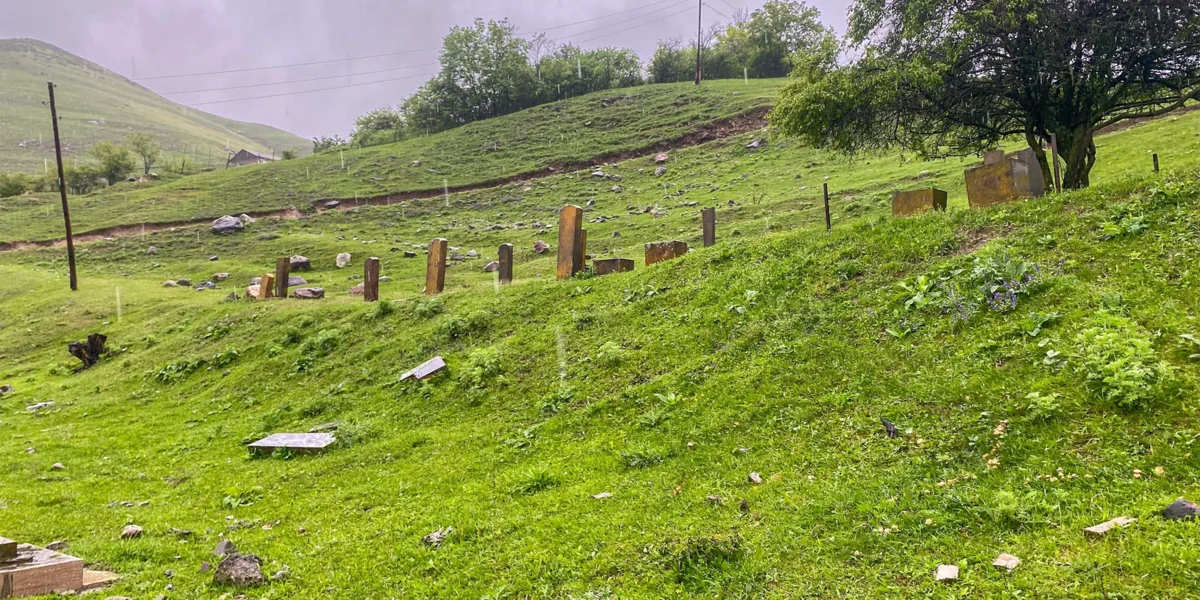
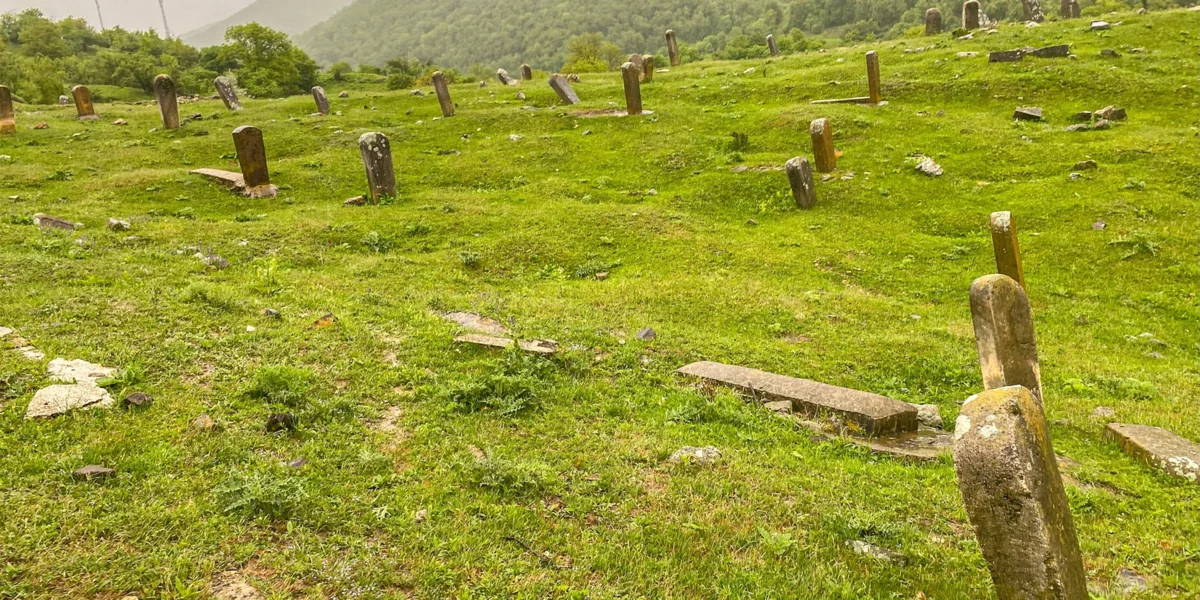
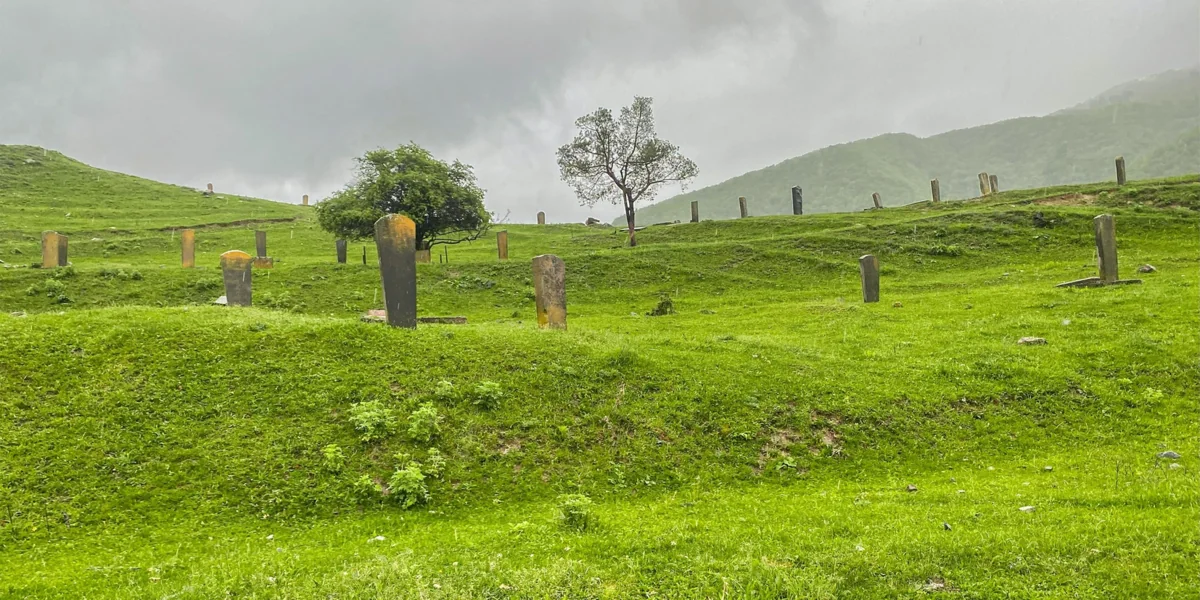
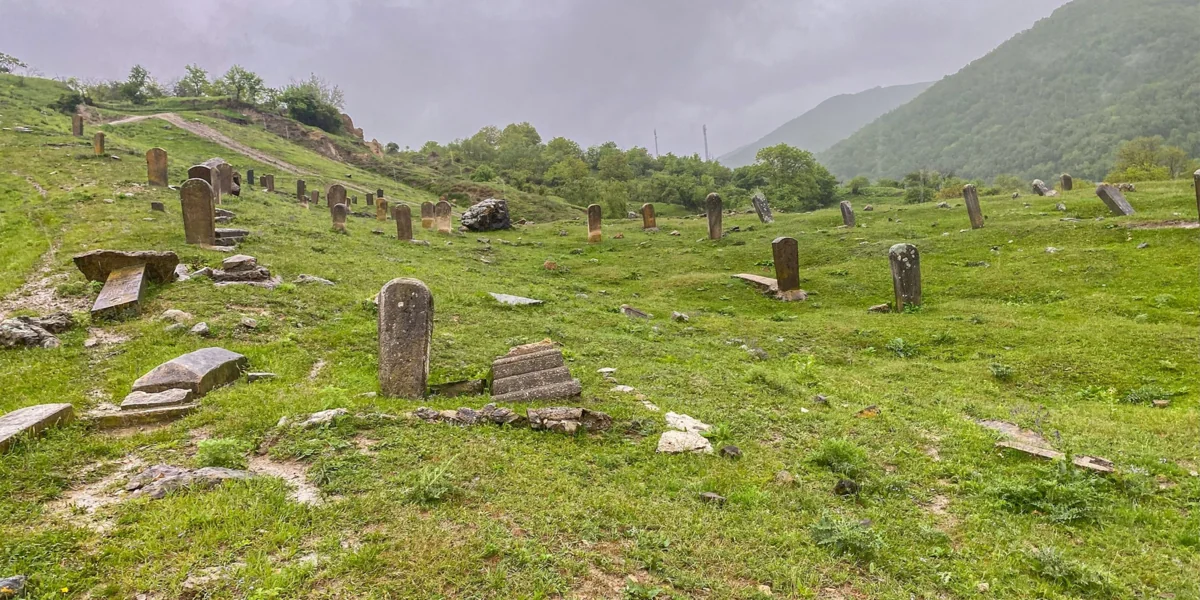
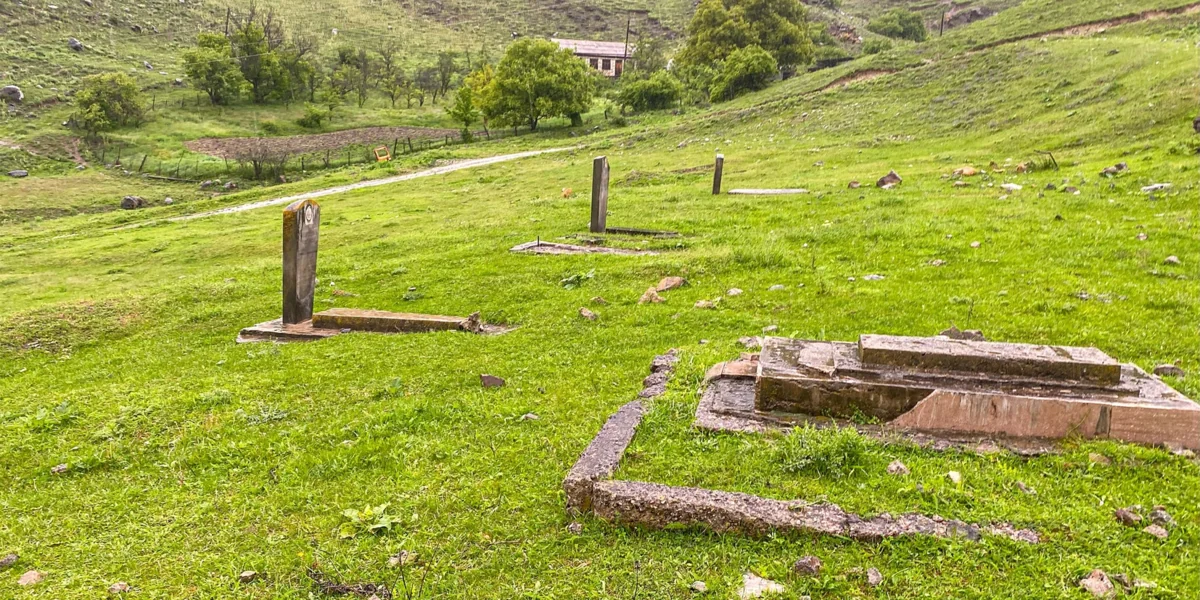
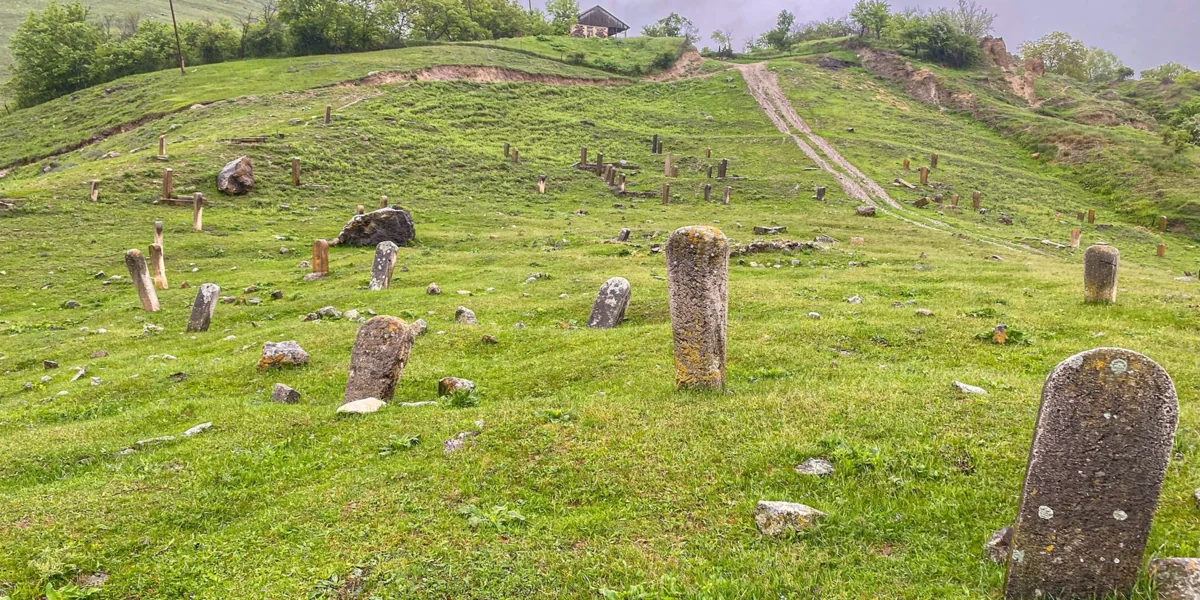
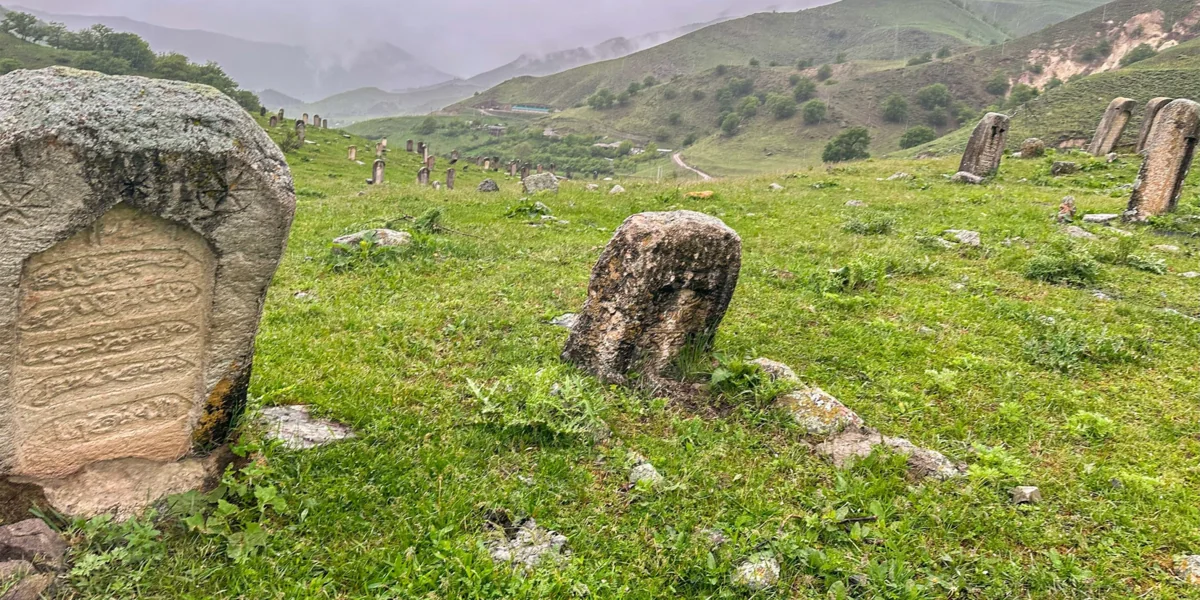
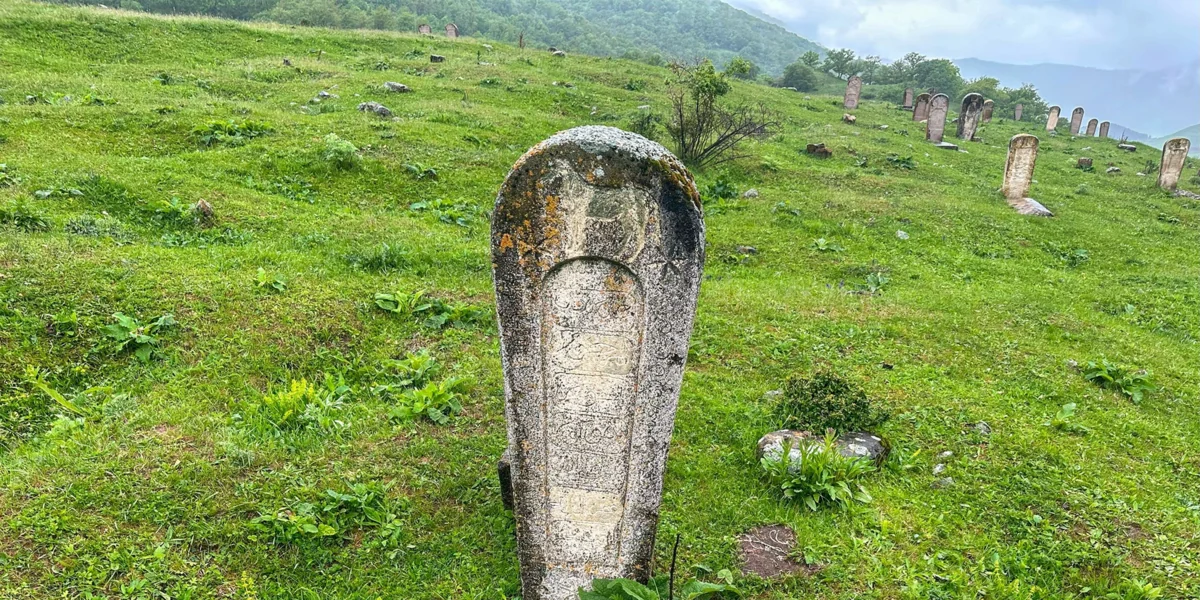
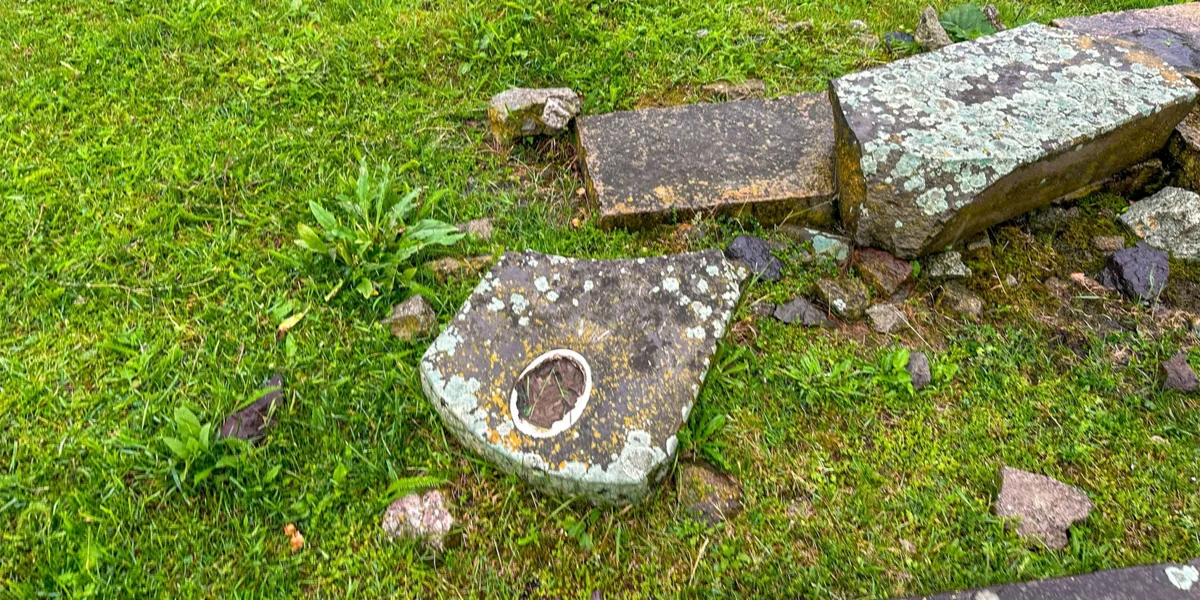
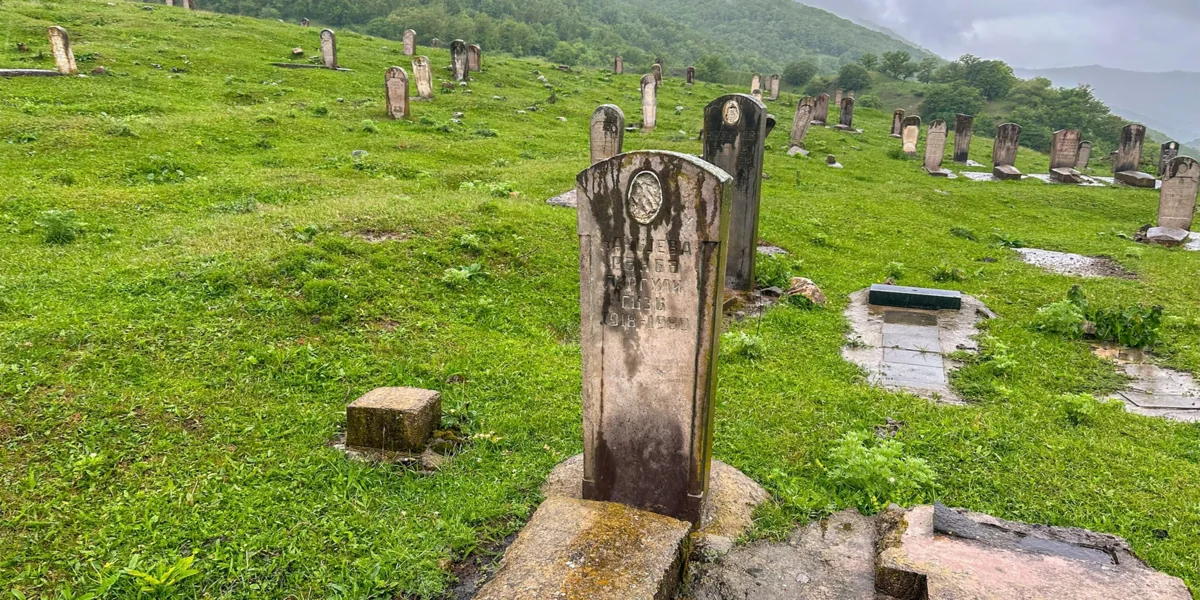
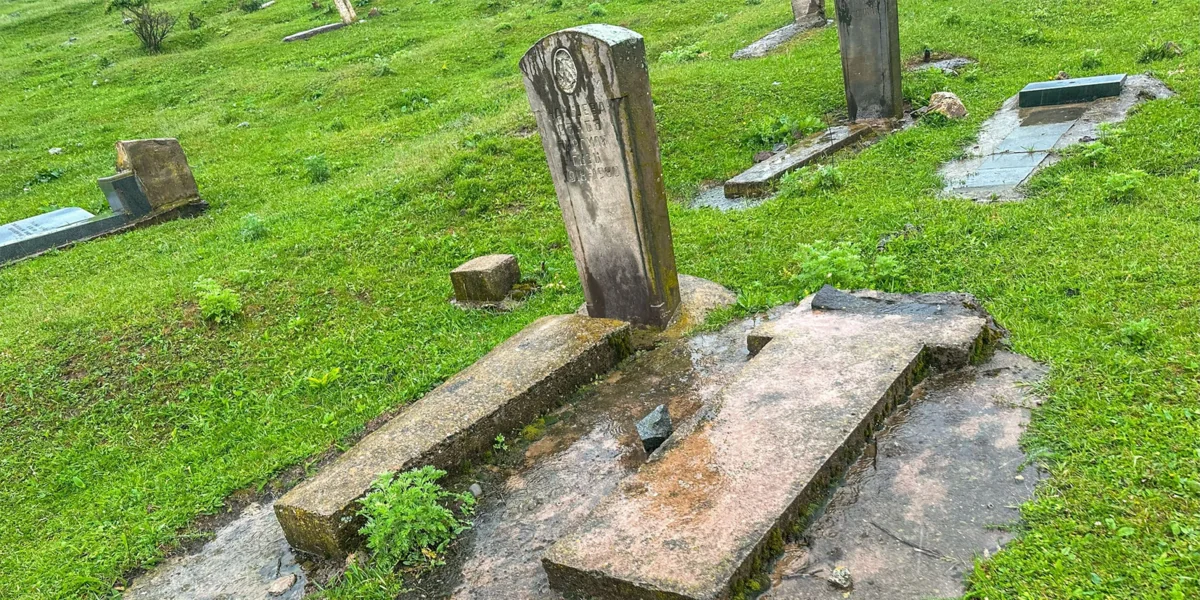
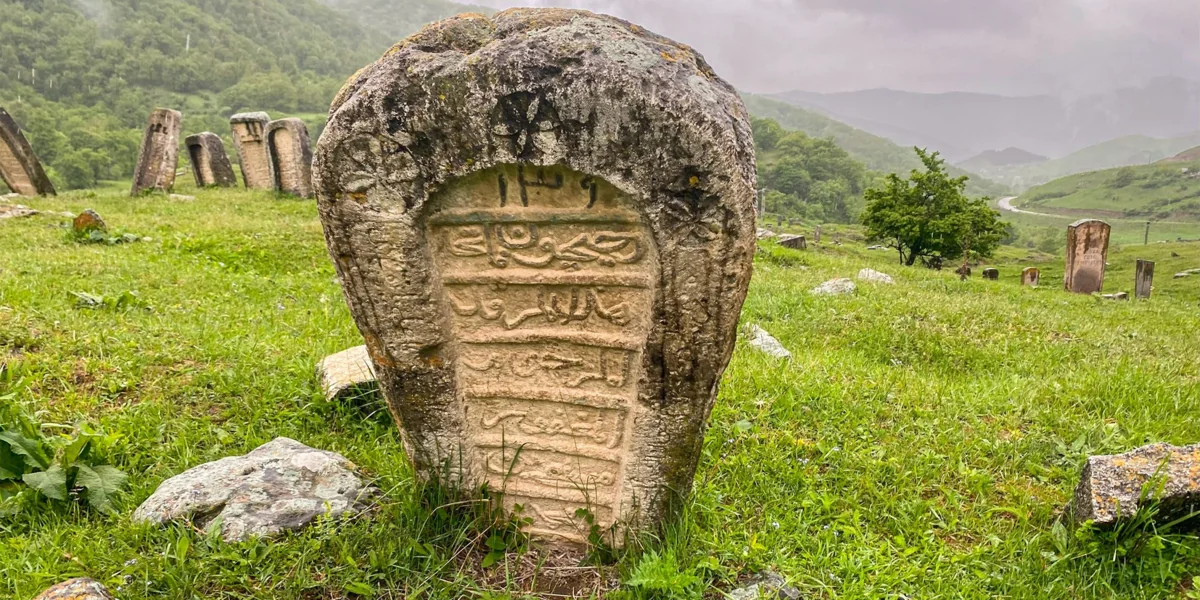
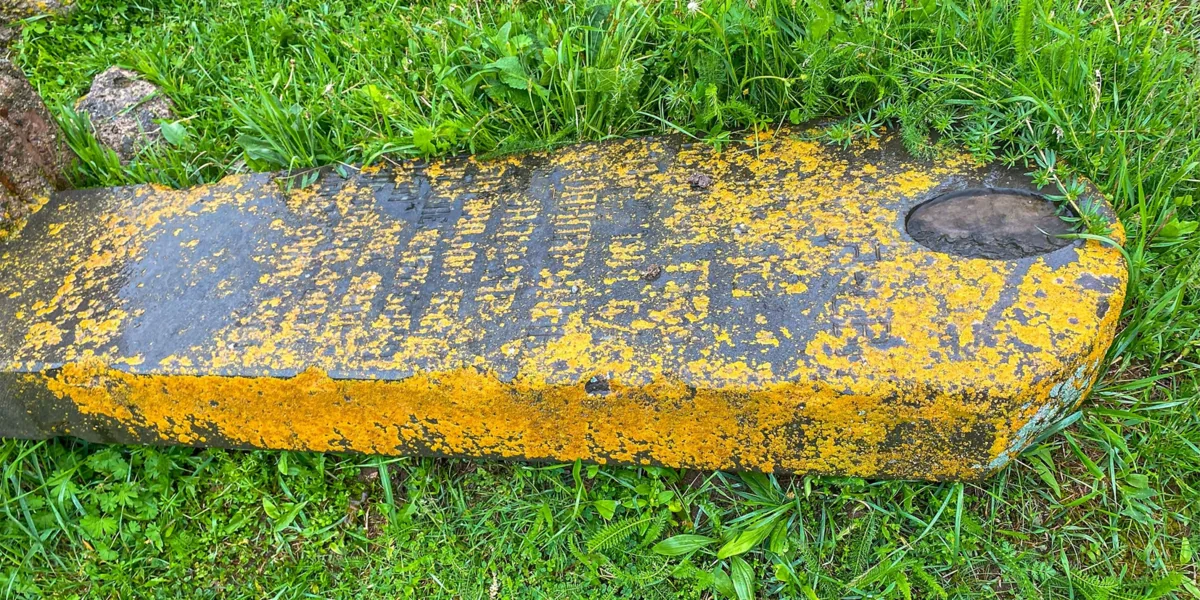
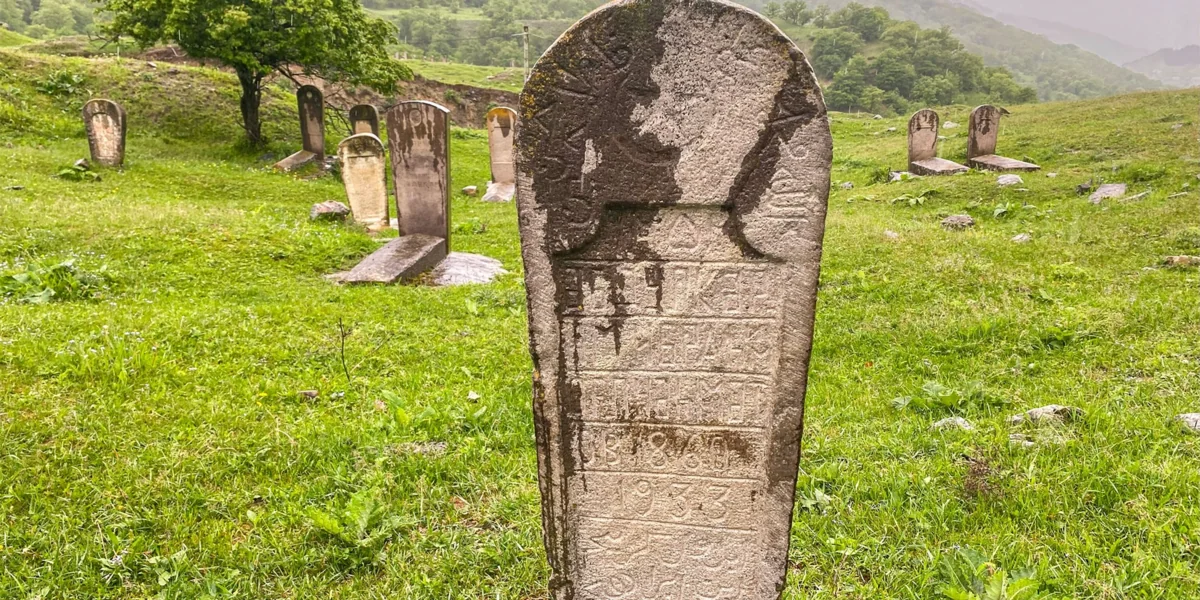
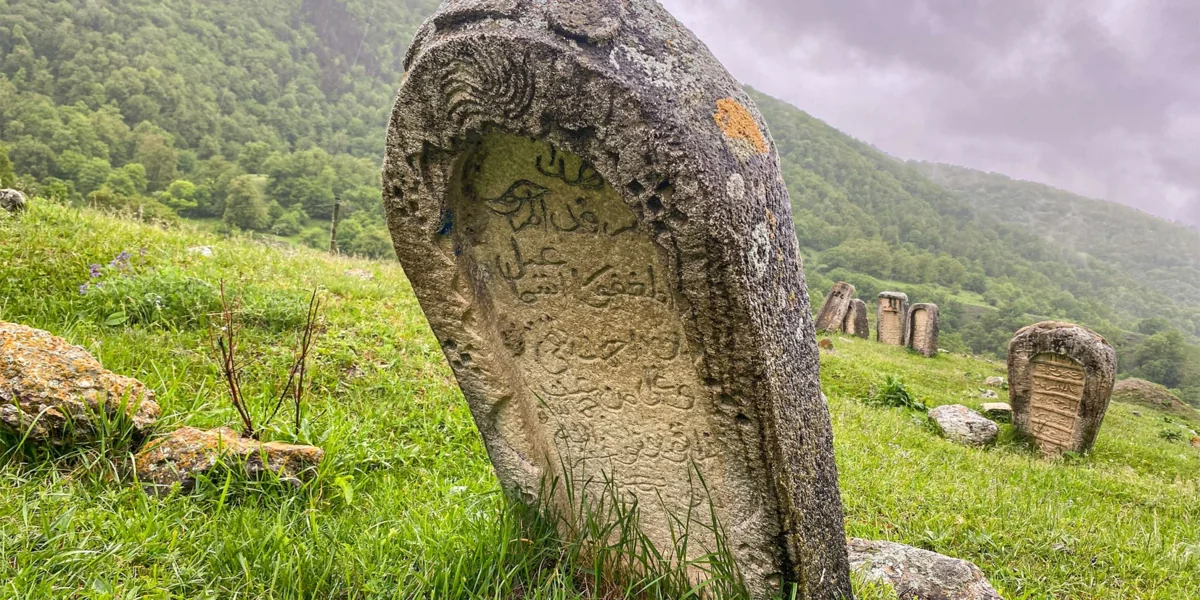
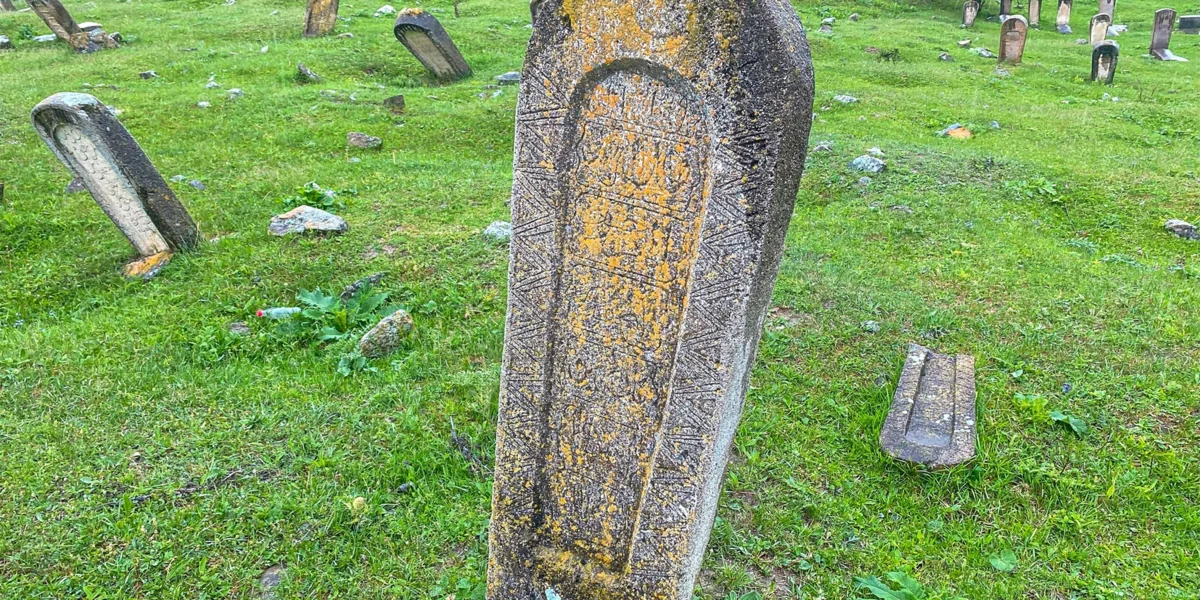
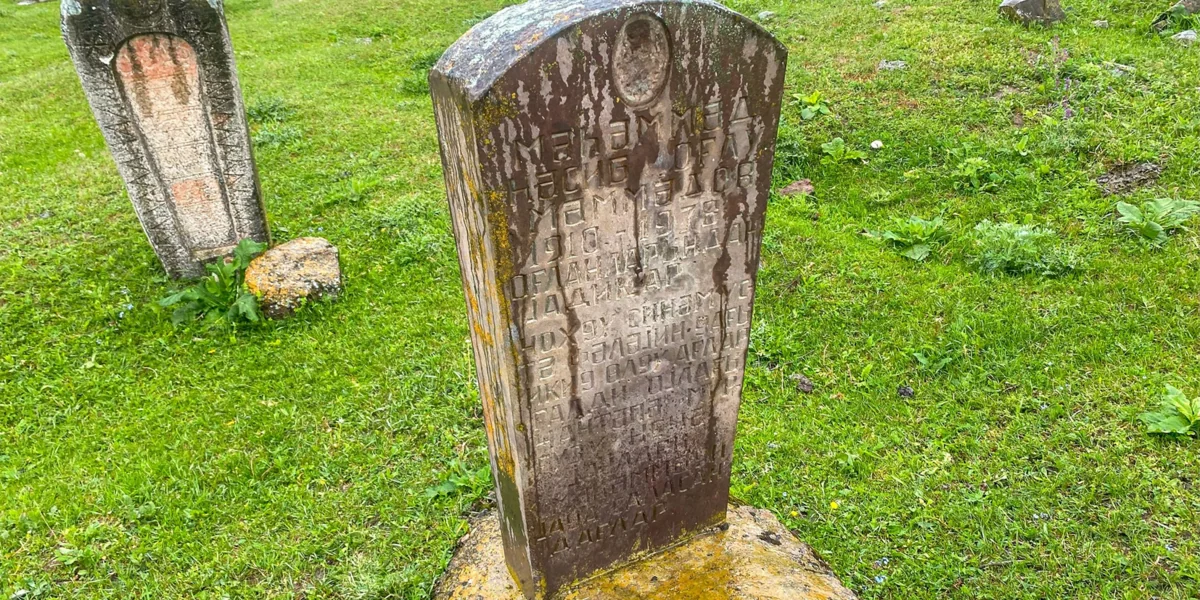
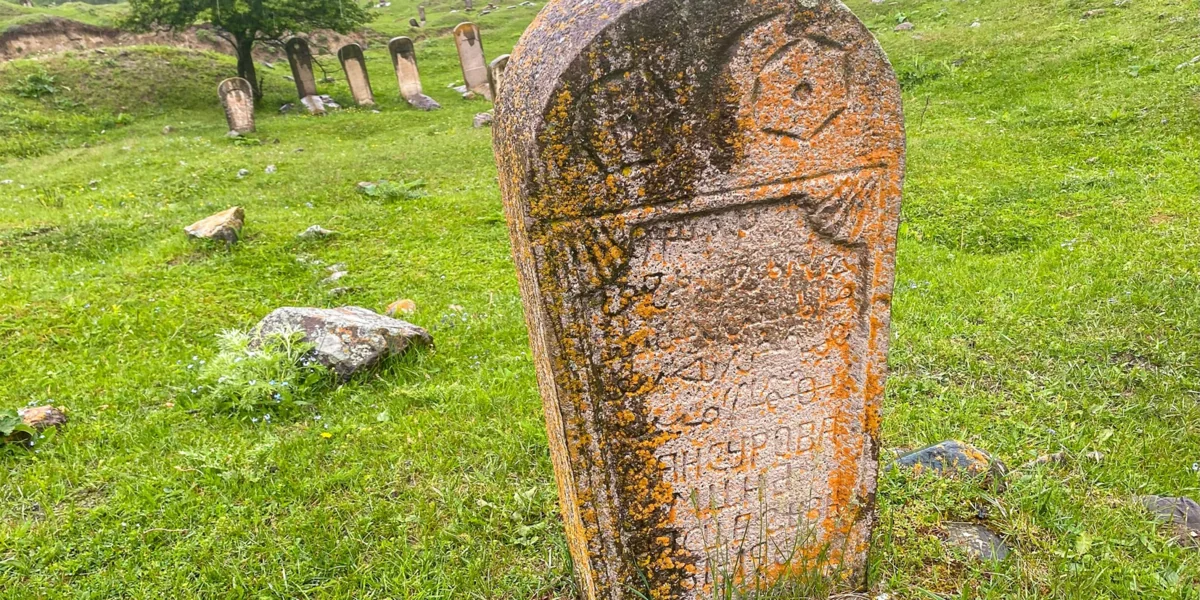
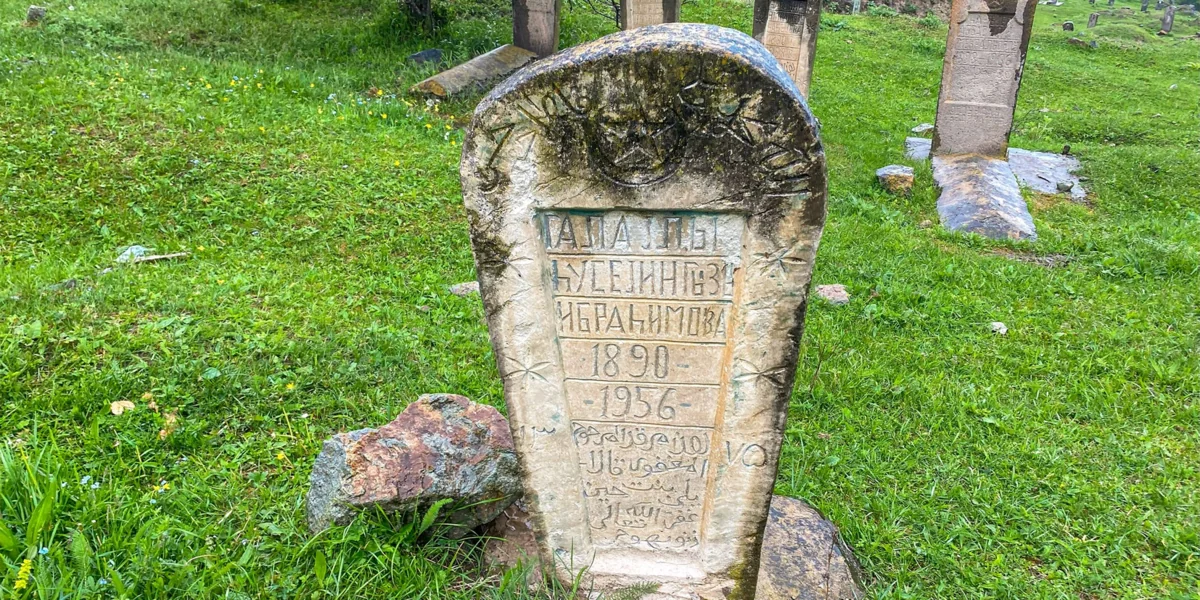
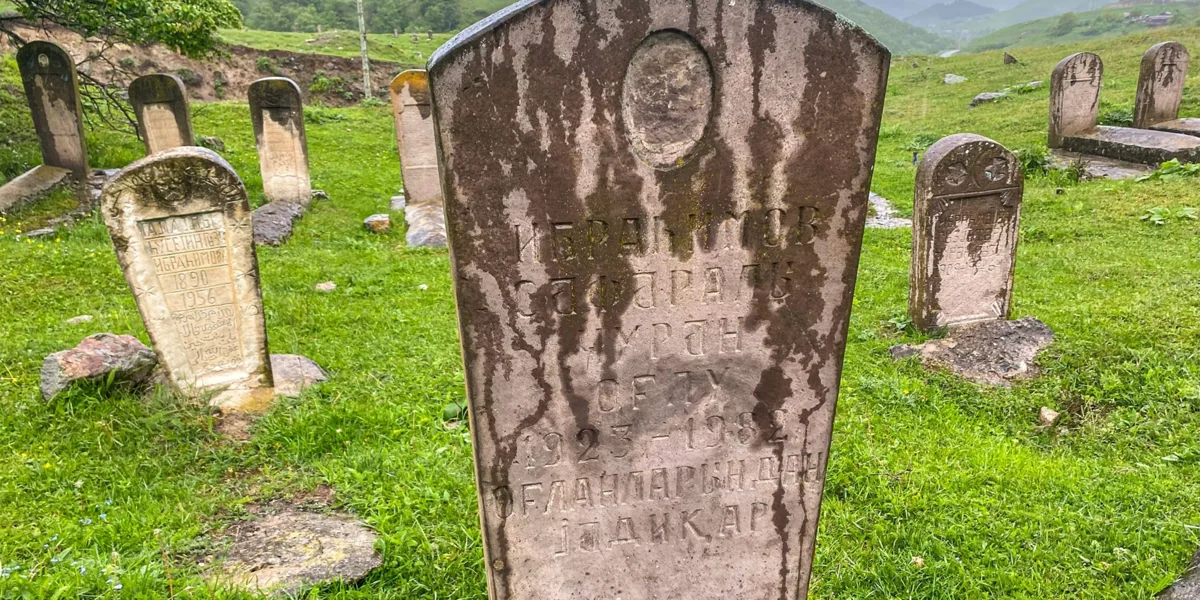
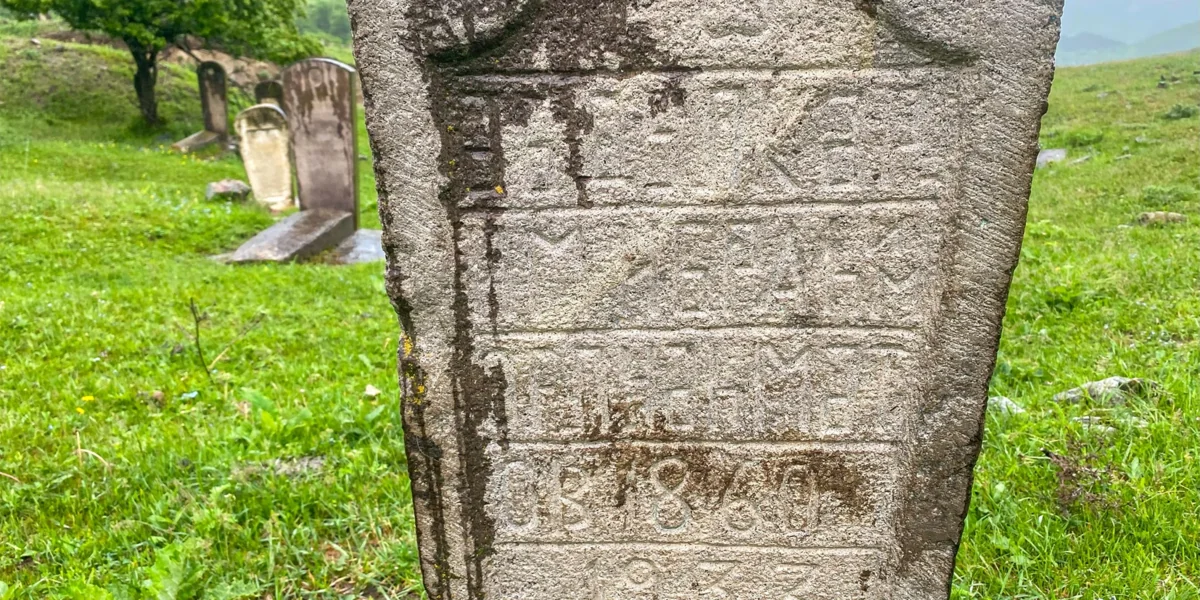
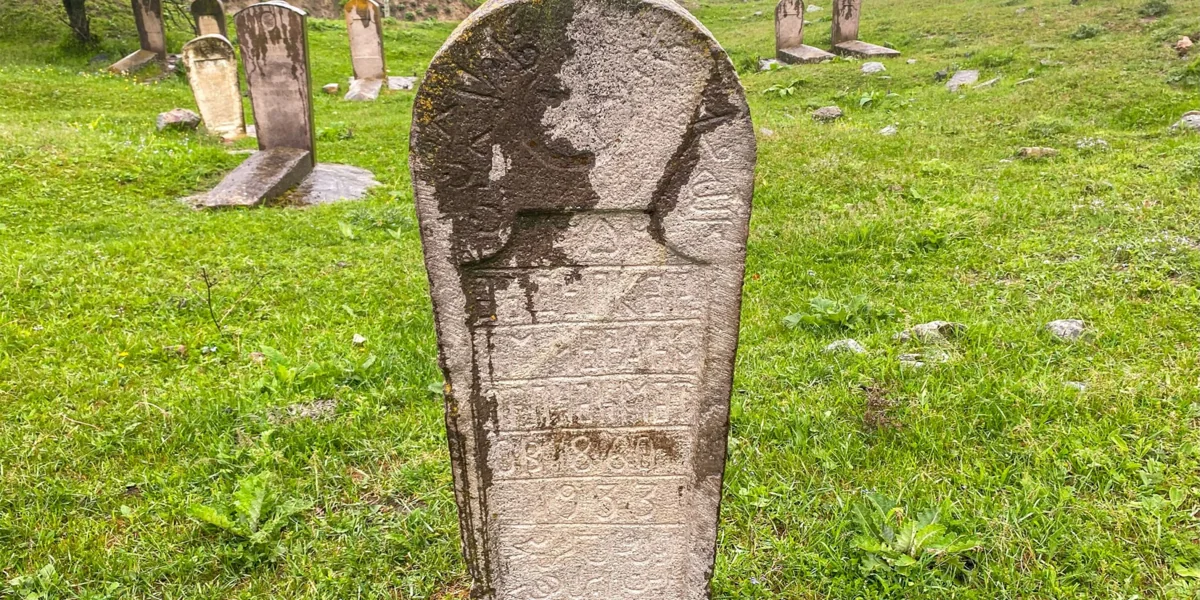
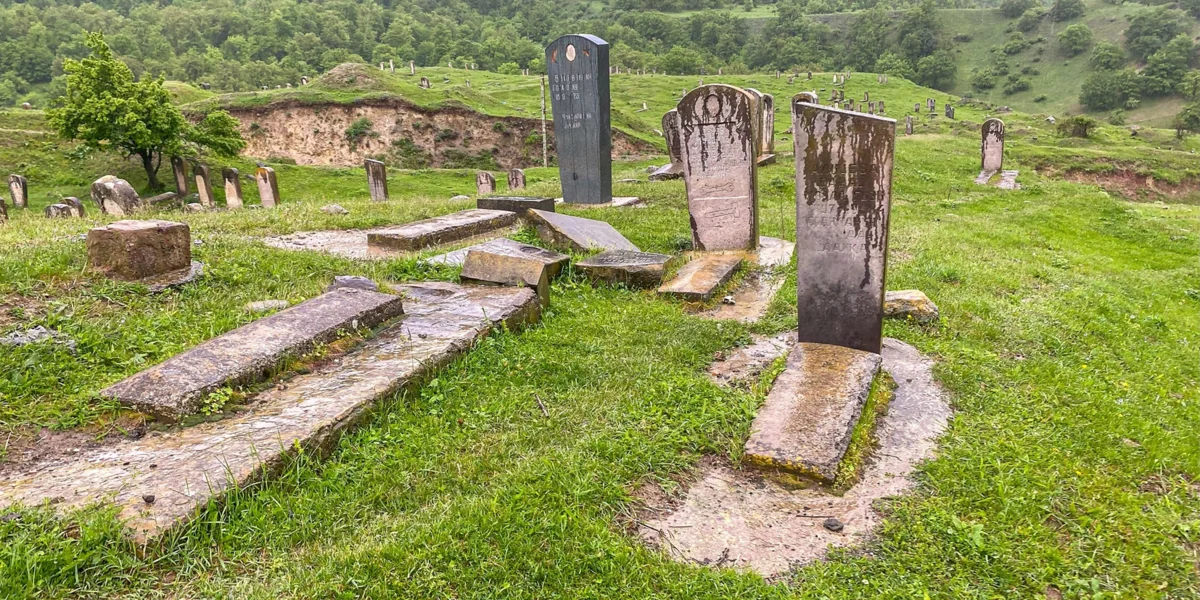
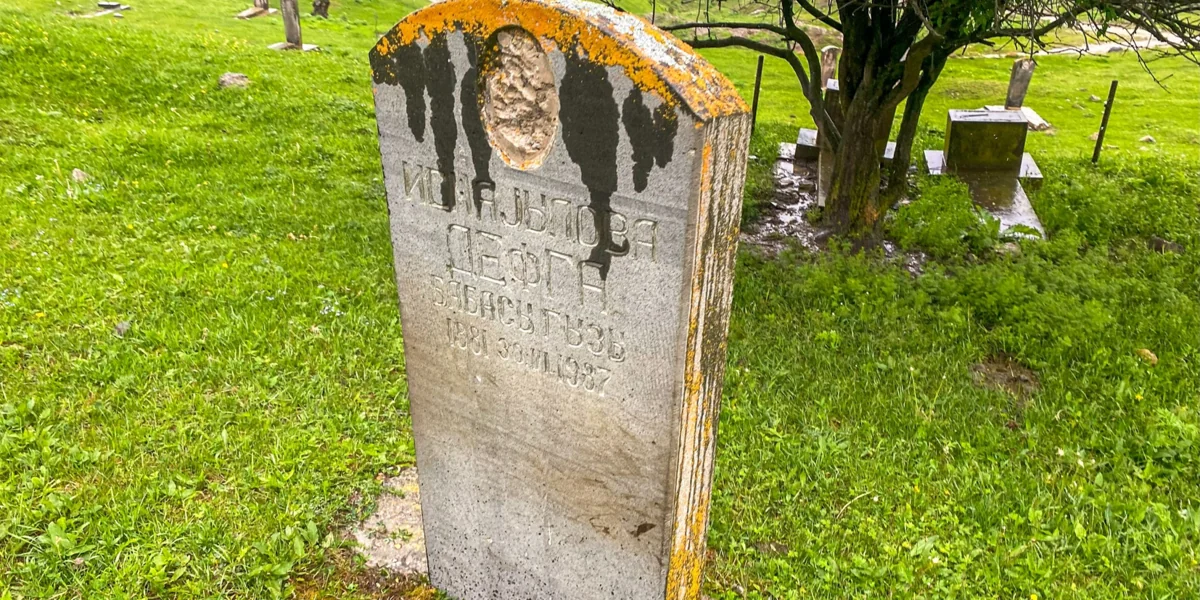
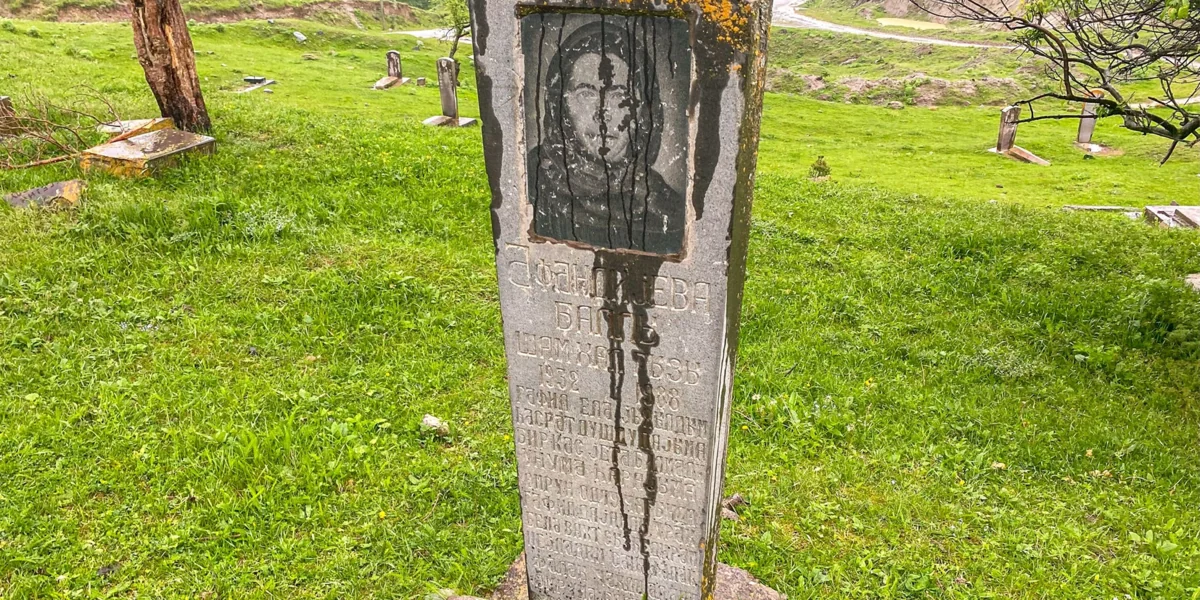
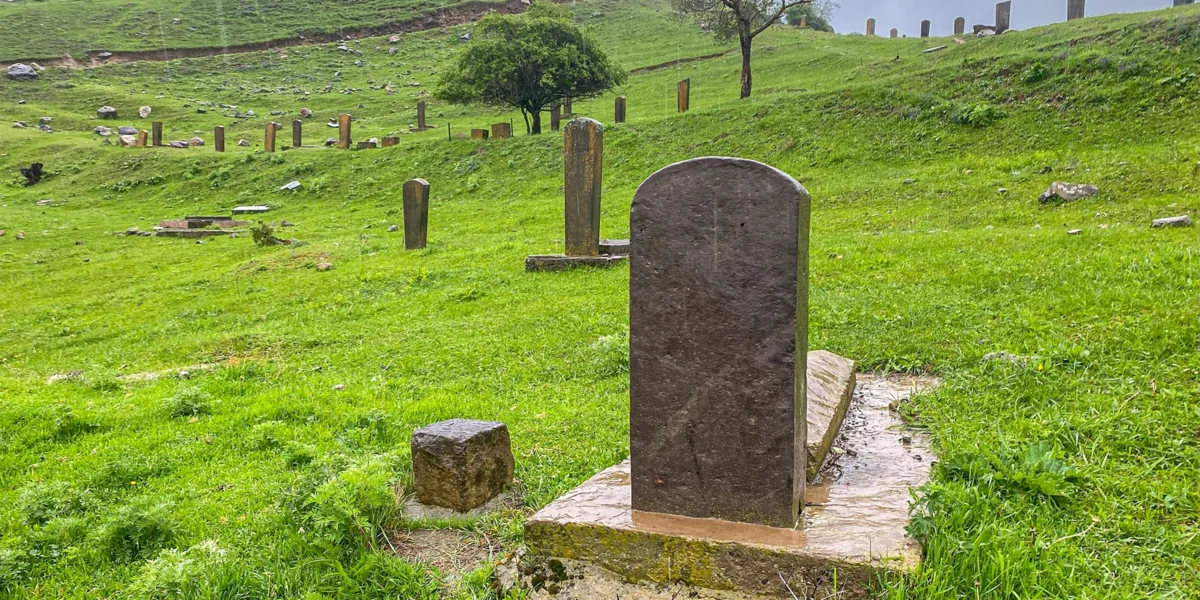
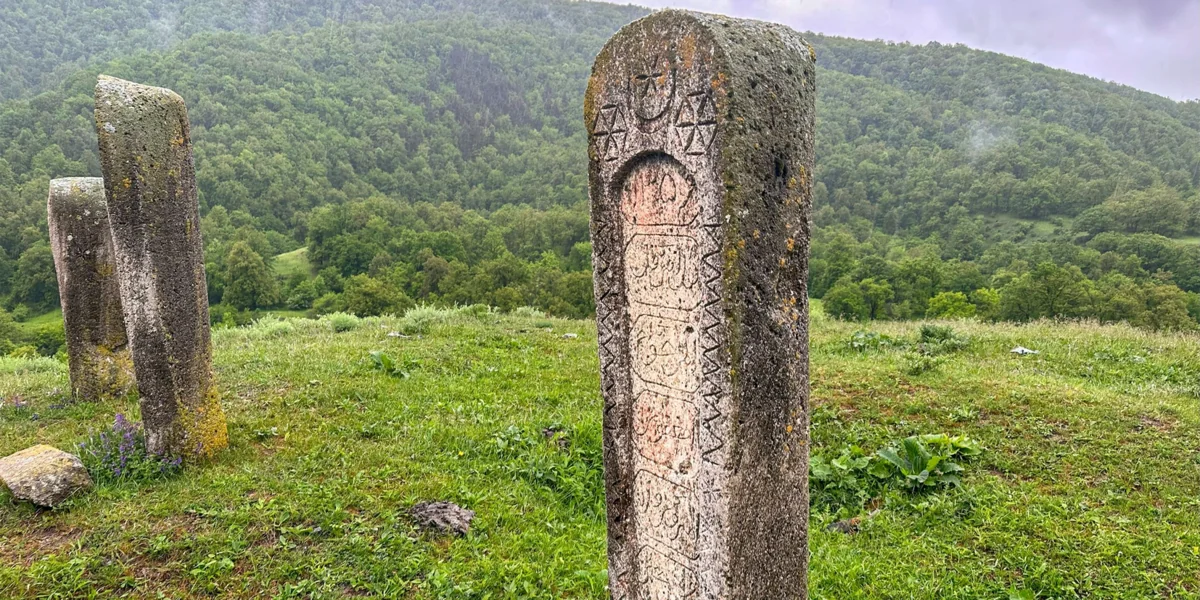
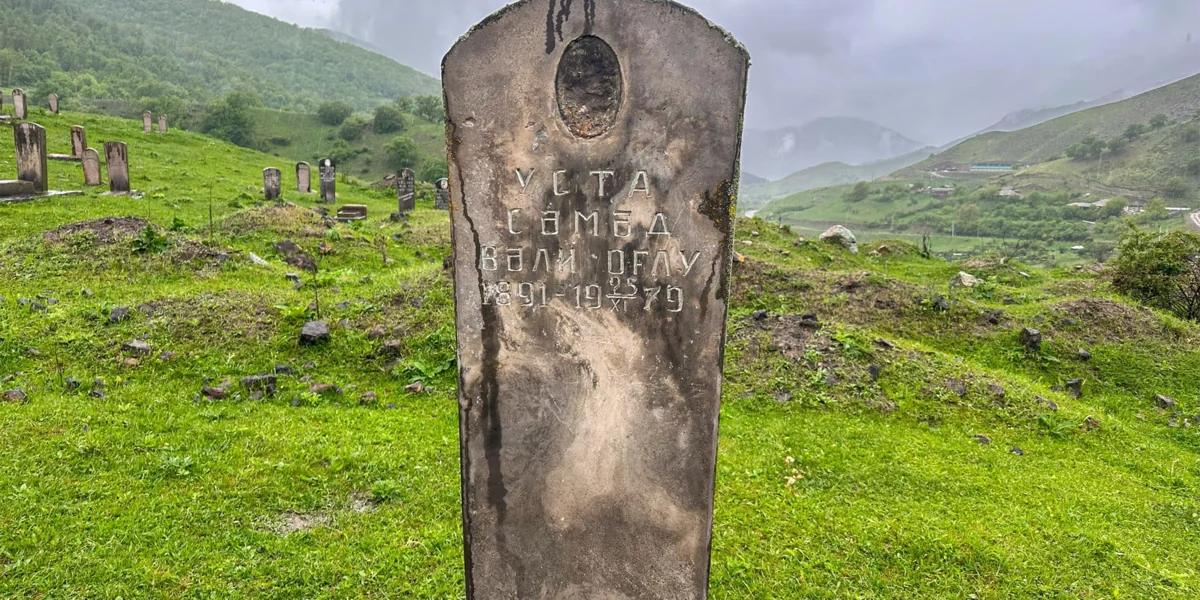
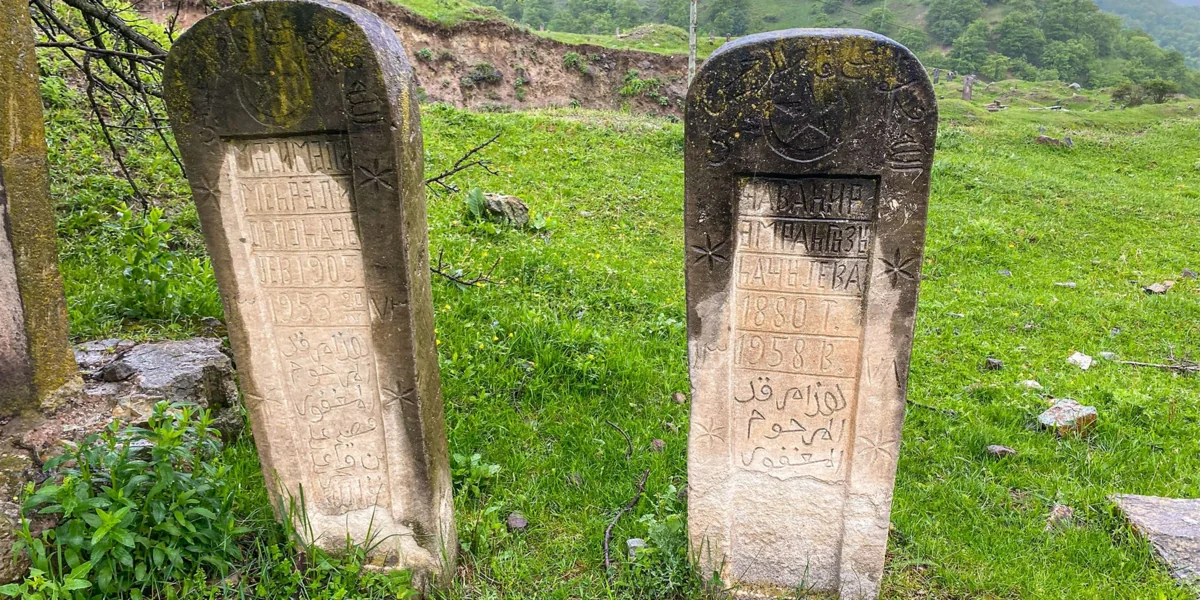
During the fieldwork, two Azerbaijani cemeteries were discovered in Golkend. They contained several dozen gravestones, some of which have survived. Several surviving gravestones bear inscriptions in Arabic.
The Sites of Memory of Western Azerbaijan is a unique research project. During field studies carried out in present-day Armenia, information on nearly 600 villages once inhabited by ancestors of present-day Azerbaijanis was collected and systematized for the first time. Some of these settlements still contain fragments of Turkic cultural and historical heritage, including cemeteries, shrines and mosques.
Earlier, the website published archival documents and written sources from the 19th and 20th centuries concerning the history, toponymy and ethnic composition of Aghbulag village. Information about Gulluduz village was also published.

Author