Baku 17° C
Minister: Latvia interested in direct supplies of agricultural products from Azerbaijan
- 14 May, 2025
- 15:41
Stay up to date with the top news!
Azerbaijan and Latvia have expressed interest in expanding and strengthening bilateral relations. One of the priority areas of this cooperation is agriculture. Both countries are actively developing a dialogue in this area based on mutual interest in exchanging experience, agricultural technologies and expert knowledge. Latvian practices in sustainable farming, melioration, digitalization of agriculture, and organic production are of particular interest to Azerbaijan, especially in the context of restoration and efficient use of land in conflict-affected areas.
The key platform for discussing cooperation plans is the Intergovernmental Commission on Economic, Scientific, Technical and Cultural Cooperation (IGC), the ninth meeting of which is scheduled for 2025.
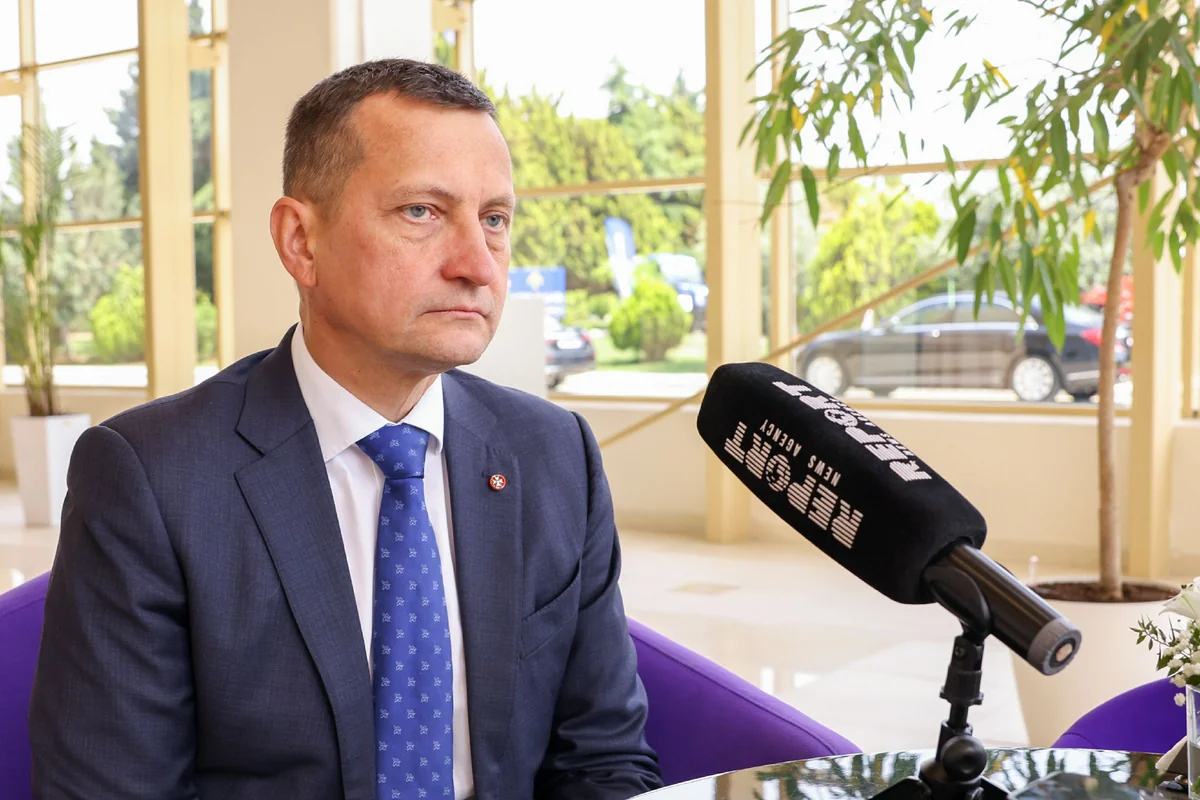
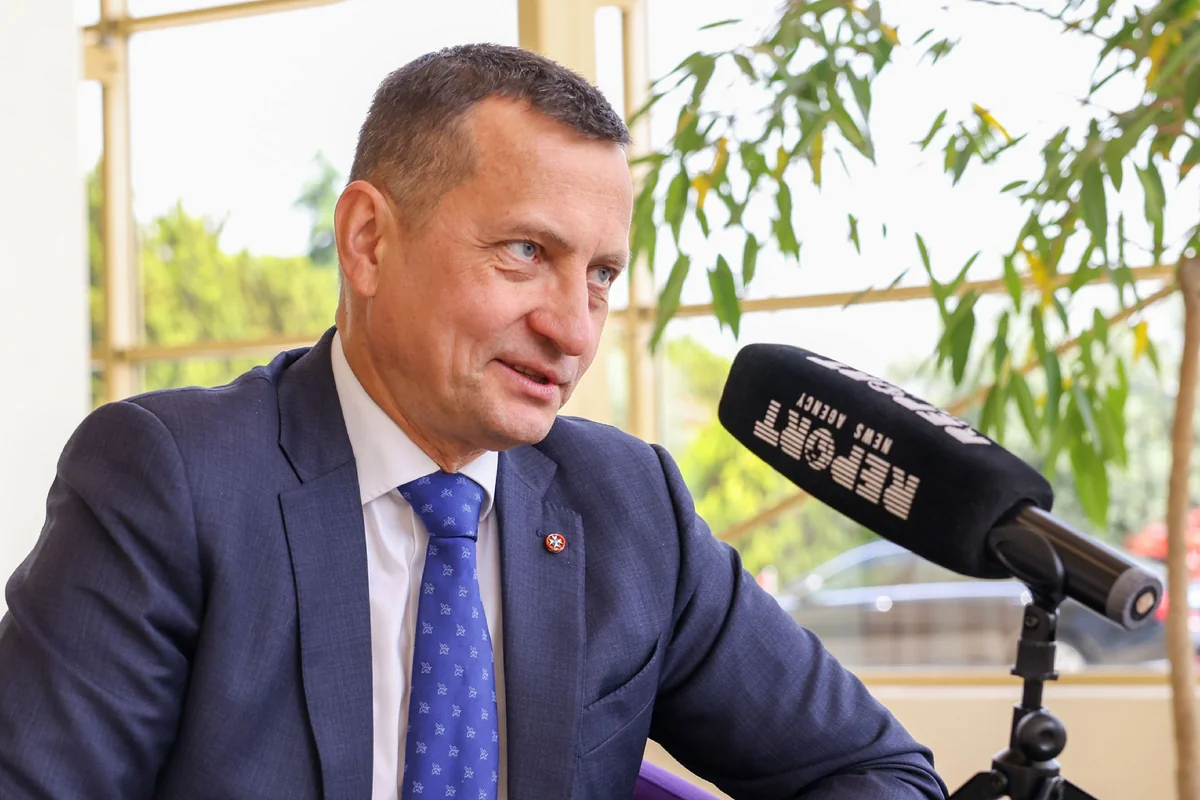
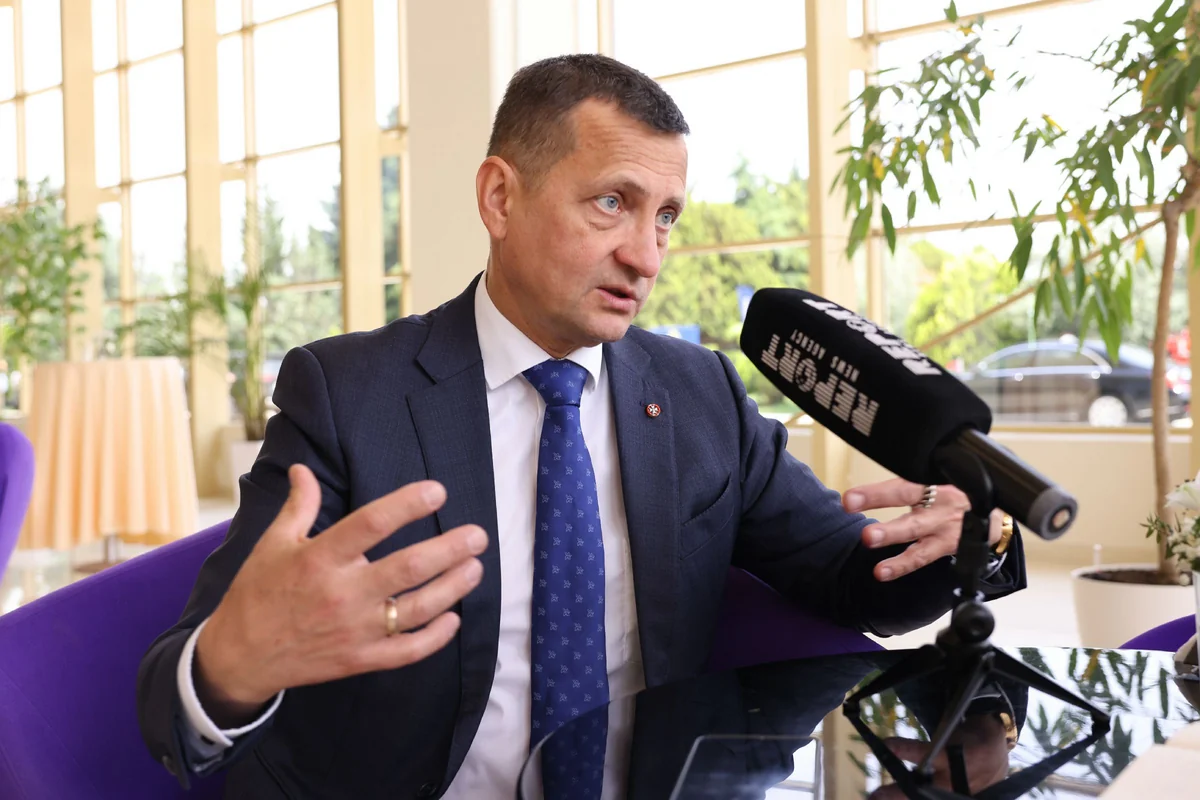
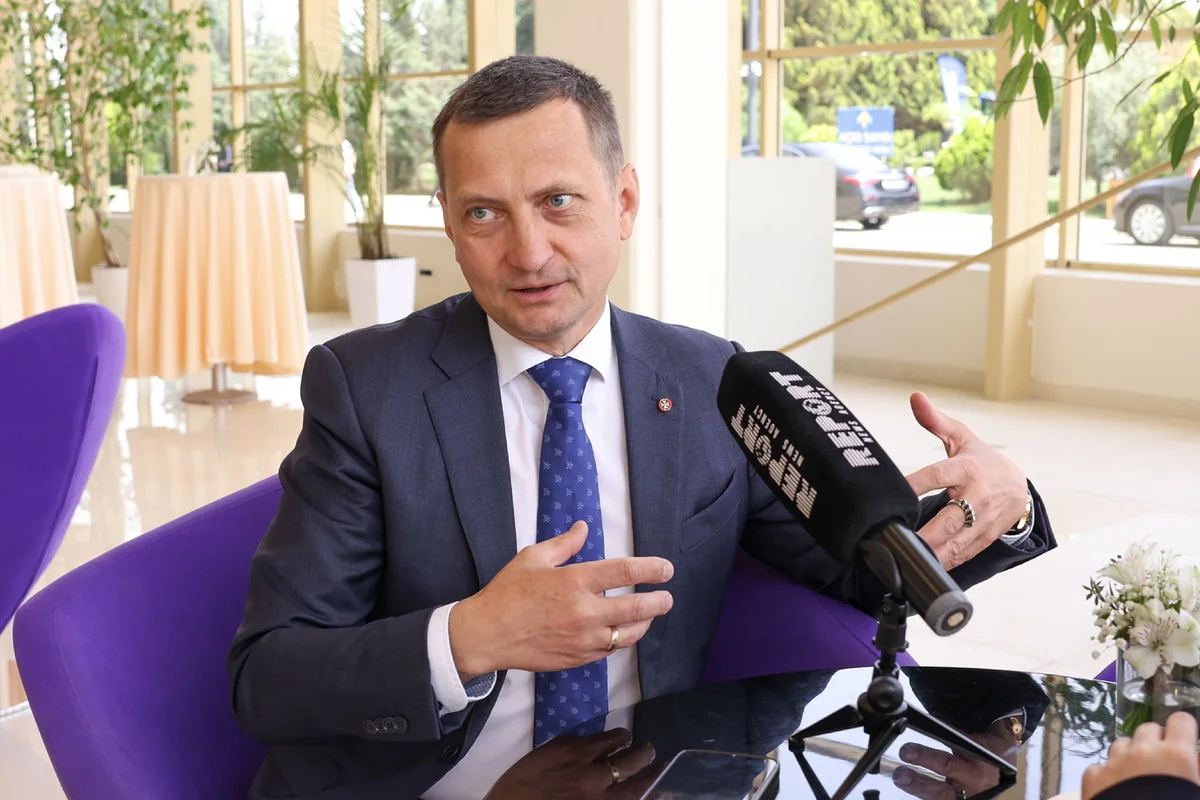
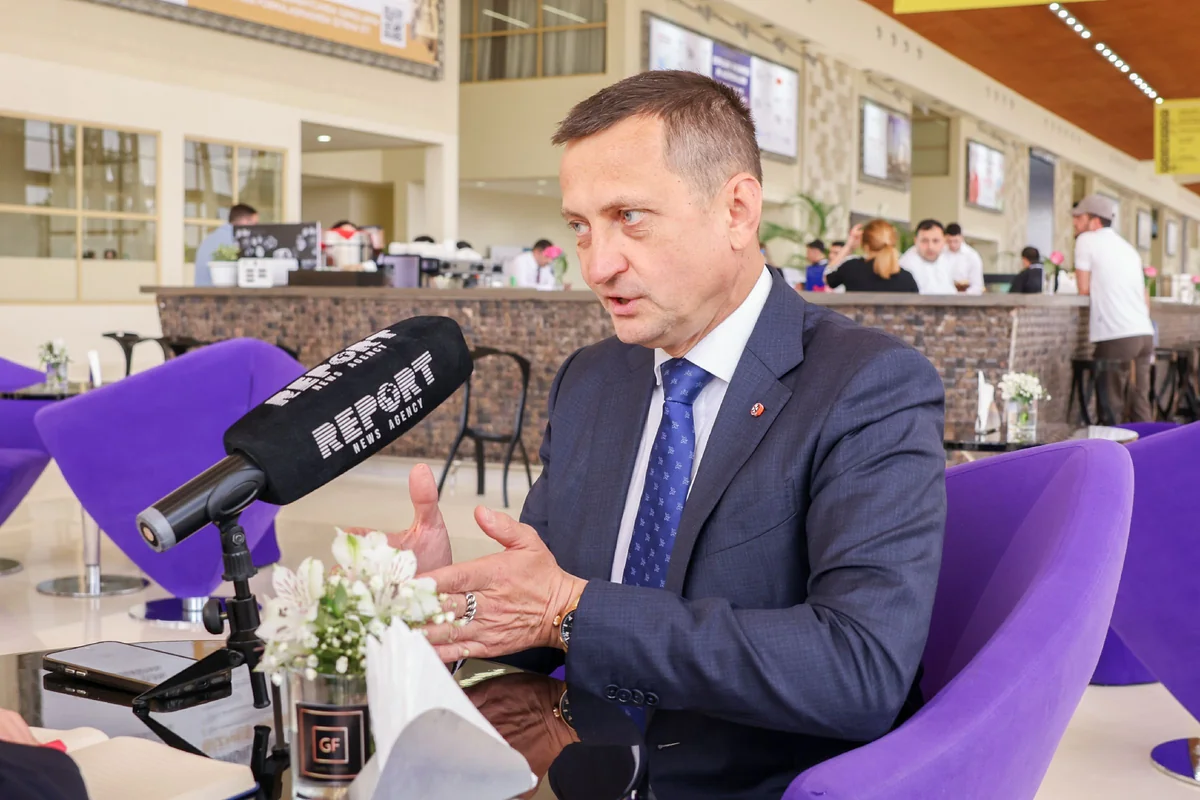
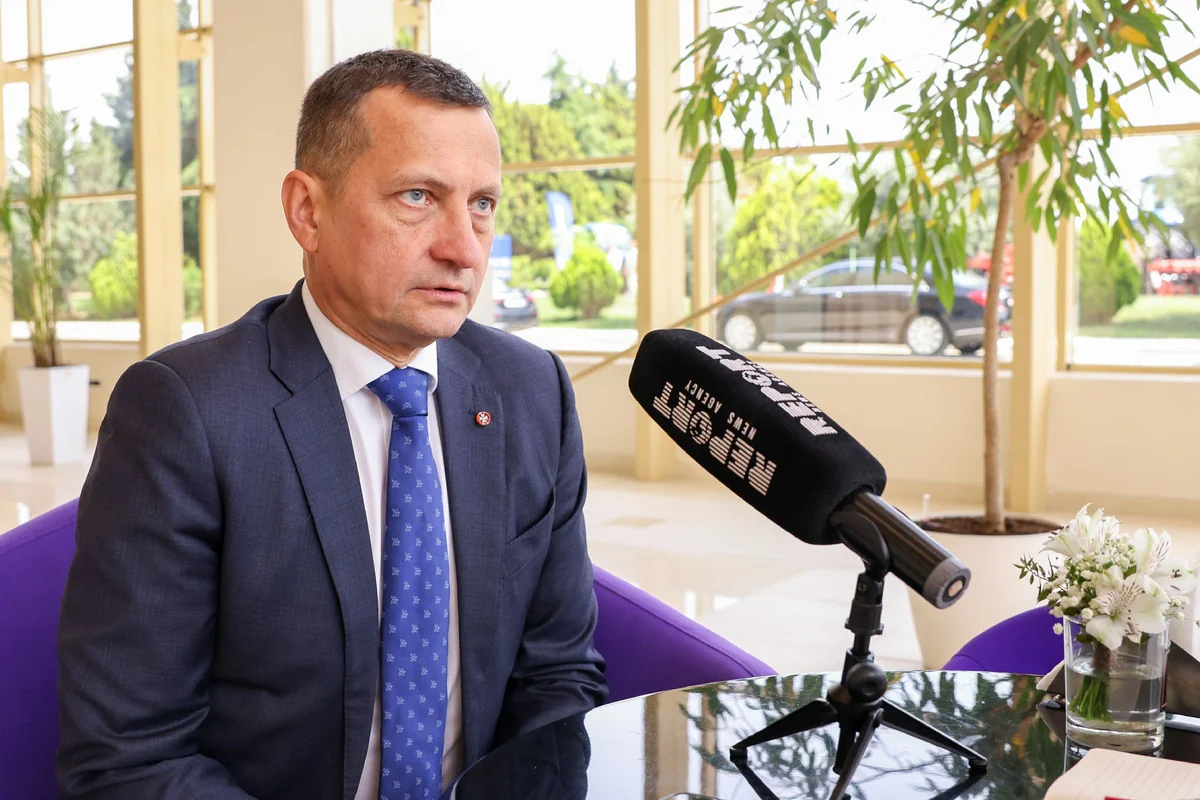
Armands Krauze, the minister of agriculture of Latvia, spoke in an interview with Report about the prospects for bilateral cooperation and the potential of Latvian-Azerbaijani relations in the agricultural sector.
- When is the meeting of the Intergovernmental Commission planned to be held, and what issues are planned to be discussed at it?
- This year, the meeting of the intergovernmental commission is planned for autumn, with the exact date yet to be determined - tentatively September or October. The main issue on the agenda will be strengthening cooperation in the field of agriculture, but economic cooperation in general will also be discussed. At present, we are facing serious difficulties in logistics caused by the war in Ukraine. It is not easy to find a reliable route for delivering goods to Latvia. Some goods can be delivered through Russia, but there are restrictions on products of animal origin due to infectious risks. An alternative route is through the Black Sea to Türkiye or Bulgaria, but it is too long and expensive. Therefore, finding sustainable and effective logistics solutions remains one of the priorities. In general, it can be said that the current geopolitical situation has a negative impact on trade volumes and cooperation between Latvia and Azerbaijan. We are already seeing a decrease in mutual trade volumes, which is directly related to the circumstances I have already mentioned. This is a serious challenge that we will have to work on. Azerbaijan produces really great products - we like them. But, unfortunately, they are currently entering the Latvian market mainly through third countries, and not directly from Azerbaijan. I believe that your products could well replace goods from other countries on the shelves of our stores. I have long considered myself a friend of Azerbaijan - I have been a member of the parliamentary friendship group for many years, and I am well acquainted with Azerbaijani products. In turn, Latvia also has high-quality goods that could be in demand on the Azerbaijani market. We have potential for mutually beneficial trade, which needs to be developed. Another important issue that we should discuss within the IGC is joint efforts to combat climate change.
- Since you've touched on the topic of climate cooperation, what steps do you think could help us make this interaction more meaningful and effective?
- Latvia has significant experience in this area, especially in forest resource management since about 53% of our territory is covered by forests. We have knowledge and technologies related to forest restoration and the preparation of planting material. I think this is precisely the direction in which Azerbaijan should invest and develop. This is an important topic - investing in climate solutions. It's not just an environmental issue, but also a way to make rural areas greener and more attractive. Forests are not just nature, they are a space for inspiration, sports, recreation, and harmonious coexistence of humans and wildlife. I am convinced that we have potential for close cooperation in this area. If the forest industry in Azerbaijan continues to develop as a full-fledged sector, it will open up opportunities for the production of various wood products - furniture, building materials, etc. Such products allow for long-term carbon capture, making them an effective tool for climate policy without additional emissions. Thus, we have real prospects for working together in this direction. After all, climate protection is not only a task for Latvia and Azerbaijan, it is a global challenge in which all humanity has a stake.
- Which Latvian goods could be in demand in the Azerbaijani market and contribute to increasing the volume of bilateral trade?
- Since I head the department responsible for agriculture, I will first mention products from this sector. Our ministry's areas of responsibility include agriculture, fisheries, and the forest industry. First of all, I want to highlight timber and wood products - one of our strong sectors. We are also actively developing wooden house construction, which is a modern and environmentally friendly direction, and we have accumulated serious experience in this area. More broadly, Latvia holds leading positions in the production of various types of substrates for growing plants - in greenhouses, ornamental nurseries, and other areas. For example, we widely use peat, which we extract and process for agricultural needs and other purposes. In addition, thanks to our access to the Baltic Sea, we have developed the fishing industry and seafood processing. Our Riga sprats are surely familiar to many. We can also offer a number of other food products that may be lacking in the Azerbaijani market. At the same time, we are interested in importing goods from Azerbaijan - you really have high-quality products that could take a worthy place on the shelves of Latvian stores. The complementarity of our economies opens up good prospects for mutually beneficial trade.
- Plans to create a joint working group on agriculture have been announced recently. Could you tell us more about the goals of this initiative?
- Speaking about cooperation within this initiative, one cannot but mention the importance of scientific interaction. It's nice to see that scientists from both sides show great interest, including at the university level. This is exactly the path from which we should start implementing new technologies. For example, as part of my visit to Azerbaijan, a discussion about IT solutions for creating "smart villages" is expected. Latvian companies offering innovative IT solutions are also represented at the InterFood Azerbaijan and Caspian Agro exhibitions (currently taking place in Baku - ed.), and this is of great importance for our joint efforts. To be honest, today's youth is not interested in agriculture as our parents and grandparents were. Young people want to be part of the modern world, use technology, and in this, we can find the key to attracting a new generation to agriculture. This is a real problem, especially in Latvia and other European countries.
Young people don't aspire to work in agriculture because it doesn't seem attractive enough to them. I believe that the situation in Azerbaijan may be similar, and there may also be ways to make this field more attractive. For example, if you work on a dairy farm and perform traditional tasks such as herding cows, it may seem like boring work. But if instead there is a robot on the farm, and a young person can work at a computer, checking all the data and managing the process, this can significantly change the perception of agriculture. These kinds of innovations can help attract the younger generation to the agricultural sector, and this is very important for the future of agriculture. I think that as part of the cooperation between our countries, we should exchange experience and information on how to implement such technological solutions. Of course, Latvia and Azerbaijan have different climatic conditions: Latvia is located in the northern part, and Azerbaijan is in the south, and therefore our agricultural crops differ. For example, in Latvia, we grow winter-hardy varieties of apples, while in Azerbaijan, pears and apricots can be successfully grown, which is impossible in our climate due to low winter temperatures. But despite these differences, there are many areas where we can cooperate. In particular, this applies to IT solutions and the introduction of new scientific achievements in agriculture.
- How do you assess the potential for partnership between Azerbaijan and Latvia in the agro-industrial sector?
- Undoubtedly, the potential for cooperation in the agro-industrial sphere between our countries is very high. This applies to both the exchange of products and the introduction of advanced technologies. I am convinced that there are always opportunities for technological renewal of this industry. Of course, agriculture and forestry are different but interconnected areas. For example, in the field of forestry, we in Latvia have achieved significant progress. Our state company Latvia's State Forests manages approximately half of the country's forest fund, while the other half belongs to private owners. This company has developed modern IT solutions that are already being exported abroad. This allows for effective management of forest resources, because forests for Latvia are not only an ecosystem and carbon resource but also an important part of the economy. As for agriculture, I was very interested to see that IT solutions are already being implemented in Azerbaijan at the farm level. We're talking about digital platforms that allow analyzing soil composition, controlling crop rotation, monitoring plants.
All these are extremely useful tools, and this direction has enormous potential. In Latvia, as an EU country, we also have systems related to the European Union's agricultural policy - farmers apply for subsidies, provide crop plans, production data, and so on. Azerbaijan is also moving in the right direction in this matter, especially in terms of the availability of soil analysis and digitalization of farming activities. The exchange of knowledge, experience, and technologies between our countries can not only increase productivity but also make agriculture more attractive to young people. After all, as I mentioned earlier, the problem of the outflow of the younger generation from rural areas is relevant for many European countries. And if a farmer works not with a shovel, but with a tablet or computer, analyzing data and controlling robots - this is a completely different level. This is the path to "smart" agriculture.
- As a co-chair of the intergovernmental commission, what could you say about the prospects for direct flights between Azerbaijan and Latvia? Is there a plan to discuss this issue at the commission meeting this fall?
- I would be very pleased if we could establish direct air connections between Riga and Baku. I think there is interest in this issue from both your side and ours. However, at the moment, speaking about our national airline, we are thinking about a restructuring plan to deal with the losses incurred last year. Therefore, it might be worth considering the possibility of another airline offering direct flights to Latvia. After our airline (airBaltic - ed.) completes restructuring and prepares a new business plan aimed at reducing losses, we can return to discussing direct flights. I believe this would be an important step not only for expanding business cooperation but also for strengthening political ties between our countries.
- How can cooperation between Azerbaijan and Latvia in the field of agriculture contribute to strengthening and expanding Azerbaijan's ties with the European Union in this area?
- When Latvia was just beginning its path to joining the European Union, we actively studied European experience. We invited consultants from EU countries, and I remember well how specialists from Denmark came to us and shared knowledge about how to effectively organize a farmer advisory system. This was extremely useful, and now Latvia has a successfully functioning Agricultural Advisory Service. I see that Azerbaijan is also moving in this direction: you know your needs, understand your strengths, and are open to learning from advanced international experience. The EU has many effective solutions - for example, a farmer advisory system where agricultural workers can quickly receive professional assistance. Cooperation in this direction may include joint projects, exchange of experience, and even implementation of cross-border initiatives involving several countries. Azerbaijan has great opportunities in this regard. If the Azerbaijani side is interested, such projects could not only accelerate agricultural development but also contribute to harmonization with the agricultural system of European Union countries.
- My last question concerns the restoration of the Karabakh region of Azerbaijan. How can our countries cooperate, including on land restoration, to help Azerbaijan rehabilitate these territories and restore agriculture?
- The situation is indeed very complex, and I understand how devastating the consequences of the mine threat in the Karabakh region are. However, it's worth noting that this aspect is more within the framework of military and humanitarian cooperation. As for Latvian farmers, they unfortunately don't have experience working in mine-contaminated areas, since Latvia hasn't faced such a problem since World War II. This is already far in the past, and modern generations of agronomists haven't directly encountered this. Nevertheless, Latvia has accumulated significant experience in water resource management and land reclamation.
For example, in our country, excessive rainfall forces us to actively use drainage systems to ensure machinery access and prevent waterlogging. At the same time in Azerbaijan, as I understand, the task is just opposite - to provide irrigation and preserve moisture in the soil. Despite the difference in climate, water management methods, design of irrigation and drainage systems, can possibly be adapted and useful for agricultural restoration. Regarding mined territories, I sincerely hope that the international community will be able to help Azerbaijan in demining and restoring these regions. This is a long, labor-intensive path, but it is very important - both from a security perspective and from the perspective of future development. I am really very glad that you have liberated these territories. But you have enormous work ahead to develop agriculture there.
Author