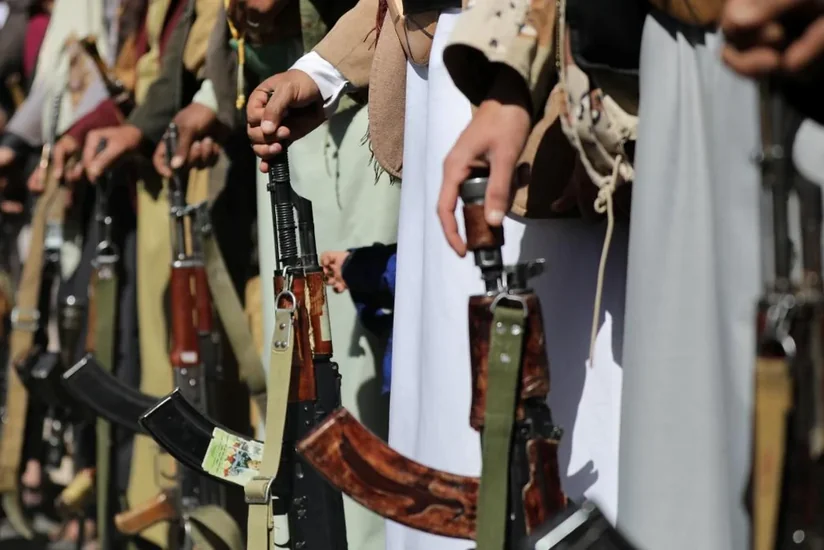
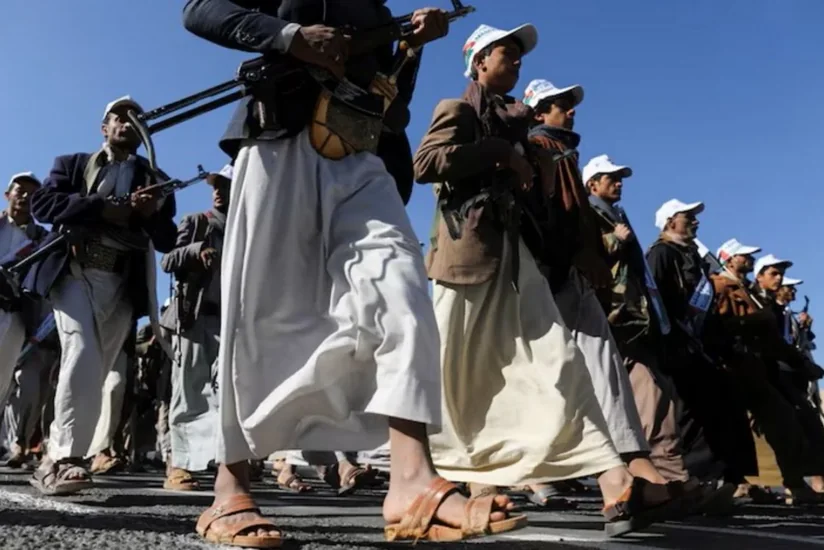
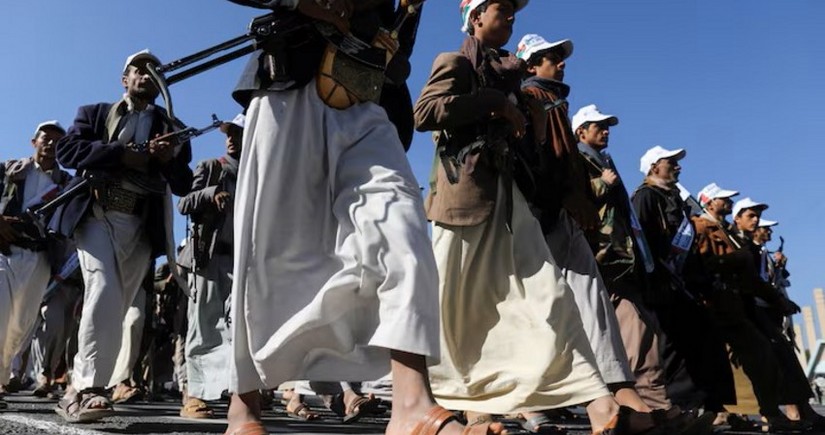
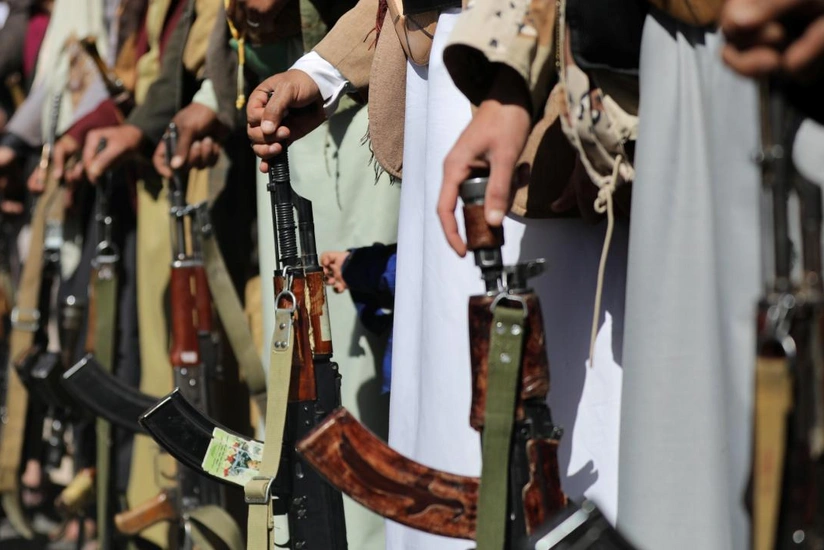
The "Ansar Allah" movement (better known as the Houthis) is a militarized Zaydi (Shia) group operating within Yemen. Emerging in the 1990s as a theological and political opposition movement, by the spring of 2026, the Houthis have transformed into one of the most influential and disruptive factors in global geopolitics. Controlling the capital, Sanaa, and the densely populated northwestern provinces of Yemen, the group is effectively holding a key artery of global trade—the Red Sea—hostage.
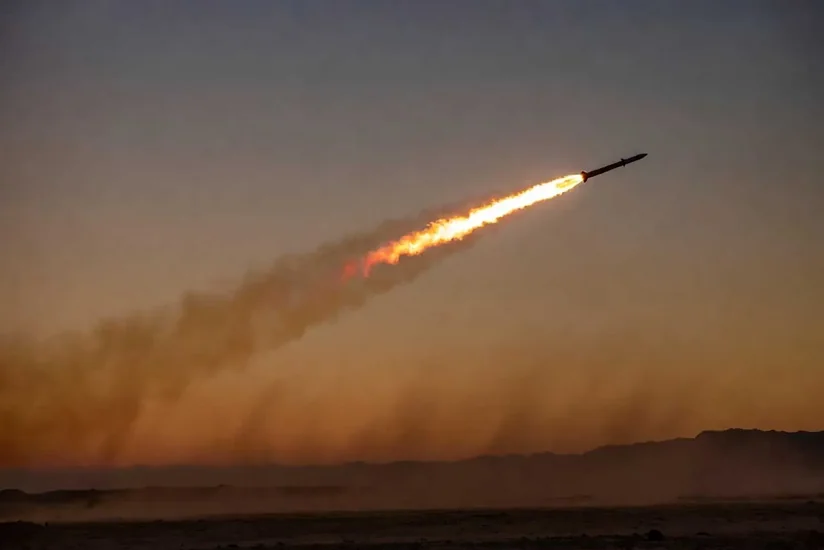
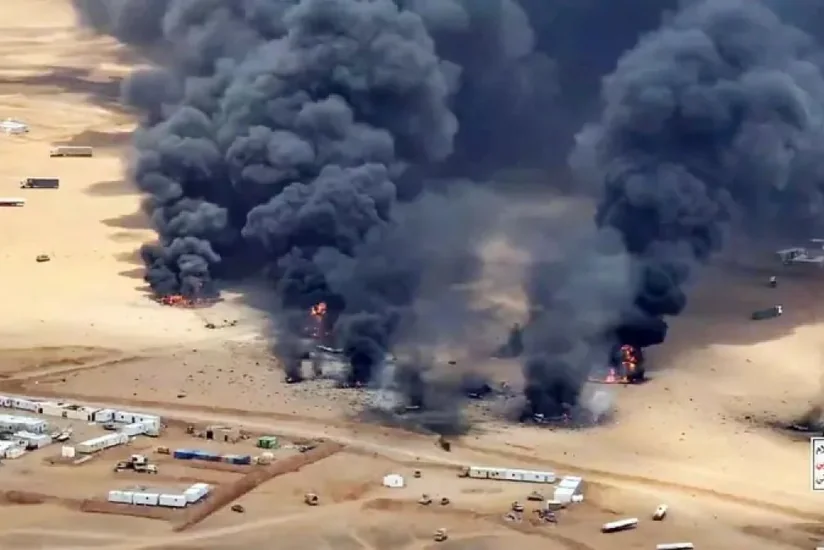
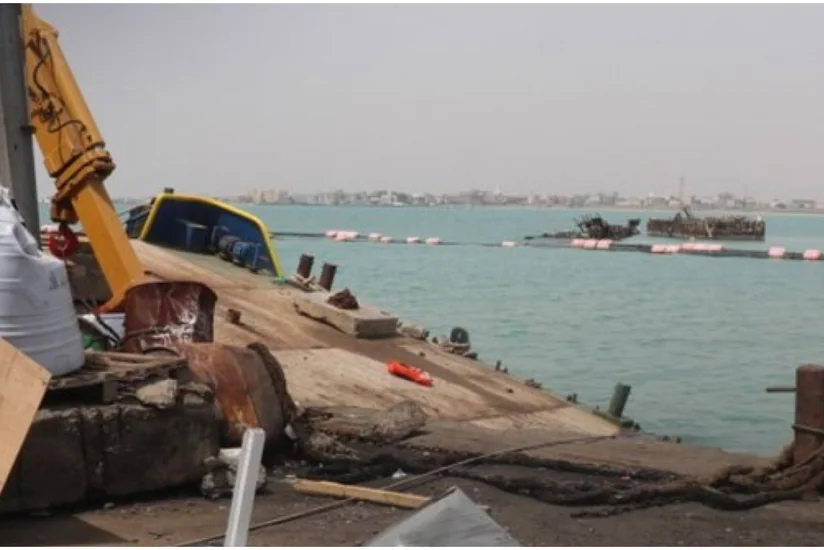
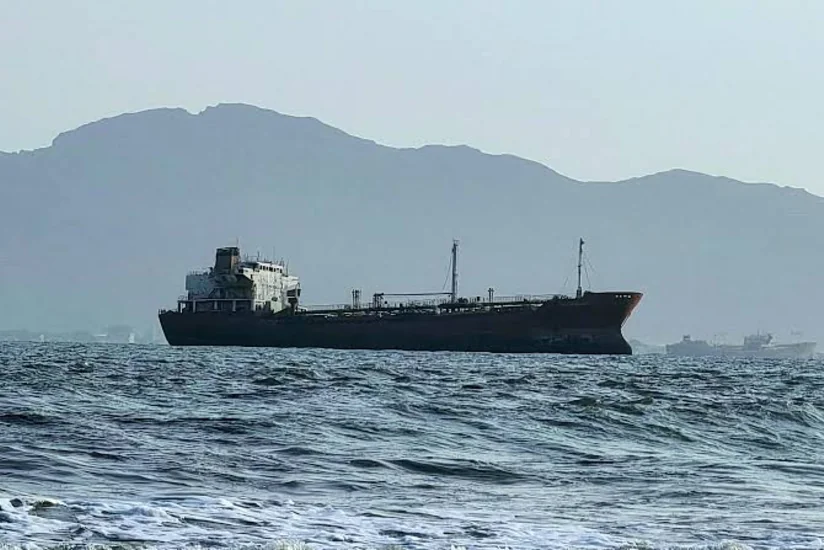
The main lever of influence for "Ansar Allah" in 2025–2026 has been the unprecedented blockade of the Bab el-Mandeb Strait. Utilizing an arsenal that significantly exceeds the capabilities of typical rebel groups (including anti-ship ballistic missiles, naval kamikaze drones, and UAVs), the Houthis have paralyzed the shortest maritime route between Asia and Europe via the Suez Canal.
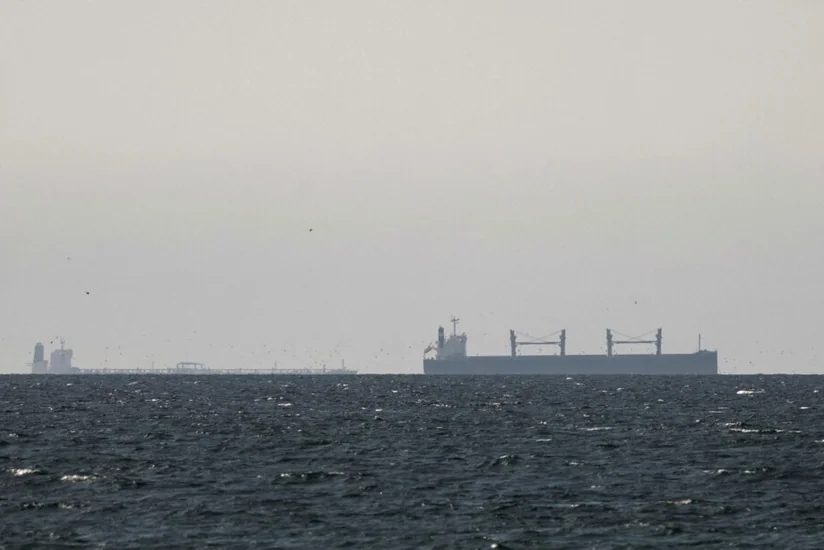
The group's actions have forced global shipping companies (Maersk, Hapag-Lloyd, MSC) to reroute traffic around the Cape of Good Hope, leading to a sharp spike in freight rates and the disruption of global supply chains.
Despite the ongoing large-scale operations by the US-led coalition (CENTCOM) aimed at destroying the Houthis' coastal infrastructure and launch sites, the group demonstrates a high degree of survivability thanks to mobile tactics and a complex system of underground communications.
In 2026, the Houthis do not operate in a vacuum. Their political and military weight depends directly on their integration into regional alliances:
Ties and Integration Role and Status in 2026 Axis of Resistance (Iran) The Houthis are the most crucial southern flank of Iran's "Axis of Resistance." Tehran (via the IRGC) provides the group with intelligence, missile assembly technologies, and modern drones. Saudi Arabia After years of a bloody war, Riyadh and Sanaa are in a state of fragile, frozen conflict. Saudi Arabia has distanced itself from the Western coalition in the Red Sea, fearing a resumption of missile strikes on Saudi Aramco facilities. Regional Proxies (Hamas, Hezbollah) The movement synchronizes its informational and military agenda with other pro-Iranian forces, officially justifying its attacks on ships under the guise of "solidarity with Palestine and Lebanon."For Azerbaijan, the crisis provoked by the Houthis in the Red Sea has two direct macroeconomic consequences, which are actively analyzed by Report.az experts:
The Triumph of the "Middle Corridor": Due to the dangers of maritime shipping through the Suez Canal and the severe congestion of the route around Africa, the overland Trans-Caspian International Transport Route (TITR)—passing through China, Kazakhstan, the Caspian Sea, Azerbaijan, and Georgia to Europe—has received a massive boost. In 2026, the volume of transit cargo through the Baku International Sea Trade Port (Alat) is breaking historical records, turning Baku into an indispensable logistical hub for Eurasia.
Windfall Revenues from Energy Exports: The instability in the Middle East and the threat to shipping maintain a consistently high "geopolitical premium" on oil. Consequently, quotes for the Azerbaijani Azeri Light grade remain confidently high, ensuring a steady surplus for the state budget of Azerbaijan.
The "Ansar Allah" movement has proven that in the 21st century, a relatively small but highly motivated and well-armed group is capable of challenging the architecture of global trade. Until the root causes of the Middle East crisis are resolved, the Bab el-Mandeb Strait will remain a high-risk zone, forcing the global economy to rapidly adapt and seek alternative, secure routes.

 Baku 20° C