Baku 15° C
AI cannot bear responsibility for national security decisions, Albanian expert says
- 19 November, 2026
- 14:26
Stay up to date with the top news!
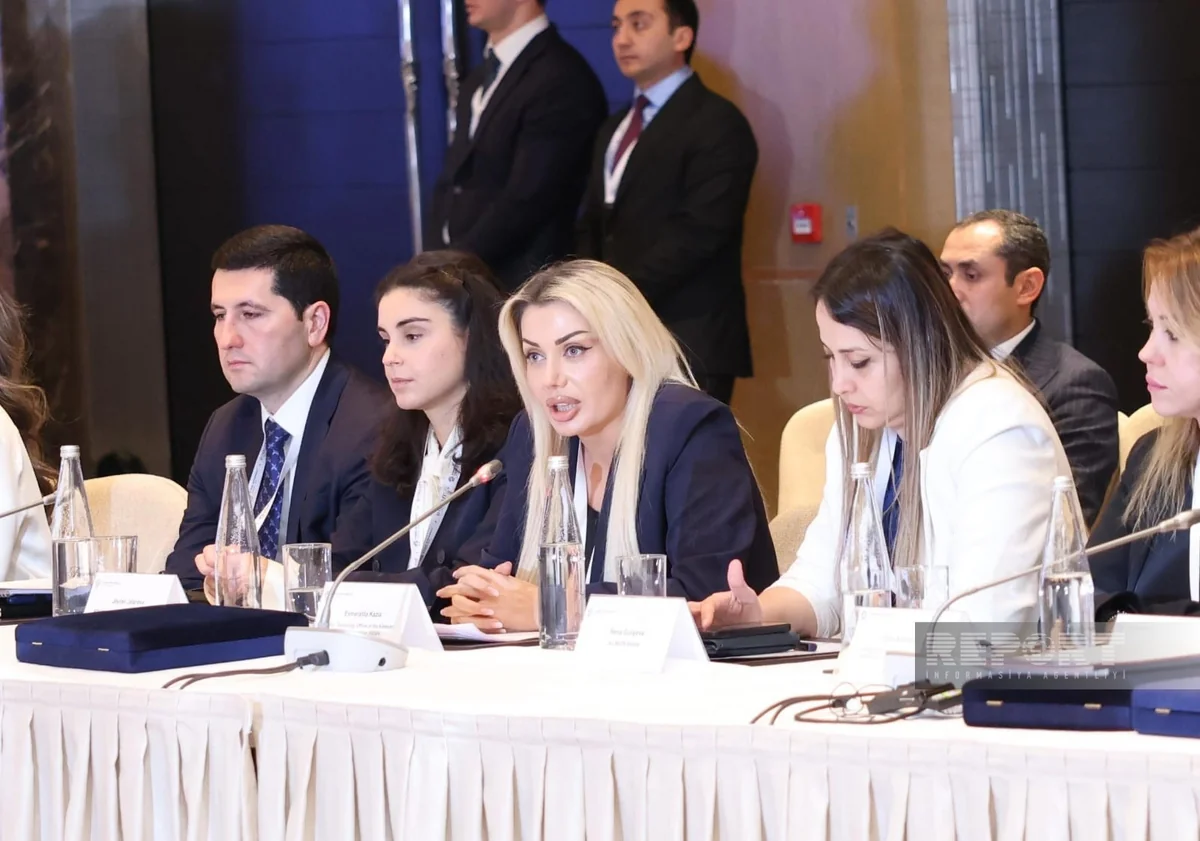
Artificial intelligence cannot bear responsibility for national security decisions, said Esmeralda Kazia, Chief Technology Officer of the Albanian Power Corporation and former Director of Monitoring and Incident Response at Albania's National Cyber Security Authority.
Report informs that Kazia made the remarks during a panel discussion at the second International Conference on Cyber Diplomacy (ICCD 2026) in Baku.
She said AI could process information faster than any human team.
"It can correlate millions of events, identify patterns and uncover connections that might escape the human eye. AI is a remarkable adviser: extraordinarily fast, always available and sometimes capable of delivering completely wrong conclusions with astonishing confidence. But diplomacy is no stranger to confident statements either. Confidence, however, is not evidence, and fluency is not truth. In national security, we draw a strict distinction between three things: what we know, what we assess and what we decide," she said.
Kazia said AI could support the first two tasks but could not assume responsibility for the third.
"In other words, this tool cannot stand before citizens, allies or other states and answer for the consequences of a national decision. It cannot hold constitutional authority, bear diplomatic responsibility or, of course, carry the moral burden of making the wrong decision. That responsibility remains ours," she said.
The Albanian expert said small states must therefore participate in shaping cybersecurity rules.
"Today, power is concentrated not only in armies, markets and institutions, but also in algorithms, data, cloud infrastructure, digital platforms and technical standards developed beyond our borders. Strategic autonomy therefore does not mean technological isolation. No country, even the largest, can build every platform, control every supply chain or counter every cyber threat alone," she said.
"Rather, it means retaining the ability to understand the systems we use, question the results they produce and prevent political responsibility from being hidden behind technological complexity."
Kazia said Albania's experience showed that small states must be involved before the rules are set.
"We are not merely consumers of global security. We manage cyber incidents, protect essential services and experience the consequences of decisions made in distant technological and political centers," she said.
Author