Baku 17° C
FLNKS appeals to Macron: ‘We are victims of 170 years of colonialism’
- 27 July, 2023
- 14:08

Stay up to date with the top news!
The Kanak people's struggle against colonialism was born out of the brutality of French colonialism, reads the letter addressed to the French President Emmanuel Macron by the Political Bureau of the Kanak and Socialist National Liberation Front (FLNKS) of New Caledonia, Report informs.
The letter noted that Macron's expected visit to New Caledonia will be a good opportunity to express his desire to support the development of statehood in the country.
It was also emphasized that this important stage, in which the French President wants to participate together with local authorities and elected officials in Caledonia, should end with mutual trust and consensus in a calm environment.
The letter recalled Macron describing colonialism in Algeria as a "crime against humanity and barbarism" in February 2017. It was reported that his statement was met with great hope by the Kanak people who were colonized following the occupation by the French on September 24, 1853:
“We are victims of 170 years of colonialism. After your truthful speech, we believed that through you, France would fulfill its commitment to the decolonization of New Caledonia. Today Kanak and Socialist National Liberation Front have decided to continue their nationalist and local movement with determination and will for dialogue. Indeed, on February 26 last year, the popular congress of the independence movement approved a single and unitary course for New Caledonia to obtain full sovereignty through negotiations with the French state. This decision is a continuation of the Kanak people's struggle to get back their colonially confiscated lands and to restore their rights to govern their country according to their customs and traditions. In this regard, the FLNKS, the legitimate representative of the Kanak people in New Caledonia, agreed to participate in three bilateral meetings on decolonization - first with French Interior Minister Gerald Darmanin, and then with Prime Minister Elisabeth Borne. During these talks, our pro-independence officials constantly reminded the painful path of the colonized Kanak people accompanied by crimes against humanity during the past 170 years. In this historical reminder, they also include, on one hand, the epidemics that struck the Kanaks who had no immunity, the rebellions of tribal leaders, the repressions accompanied by mass killings by the colonial army, and on the other hand, the indigenization phase accompanied by the settlement, colonial strategy and displacement of the population aimed at making the Kanaks a minority in their own country. The Kanak people's struggle against colonialism was born out of the brutality of French colonialism.”
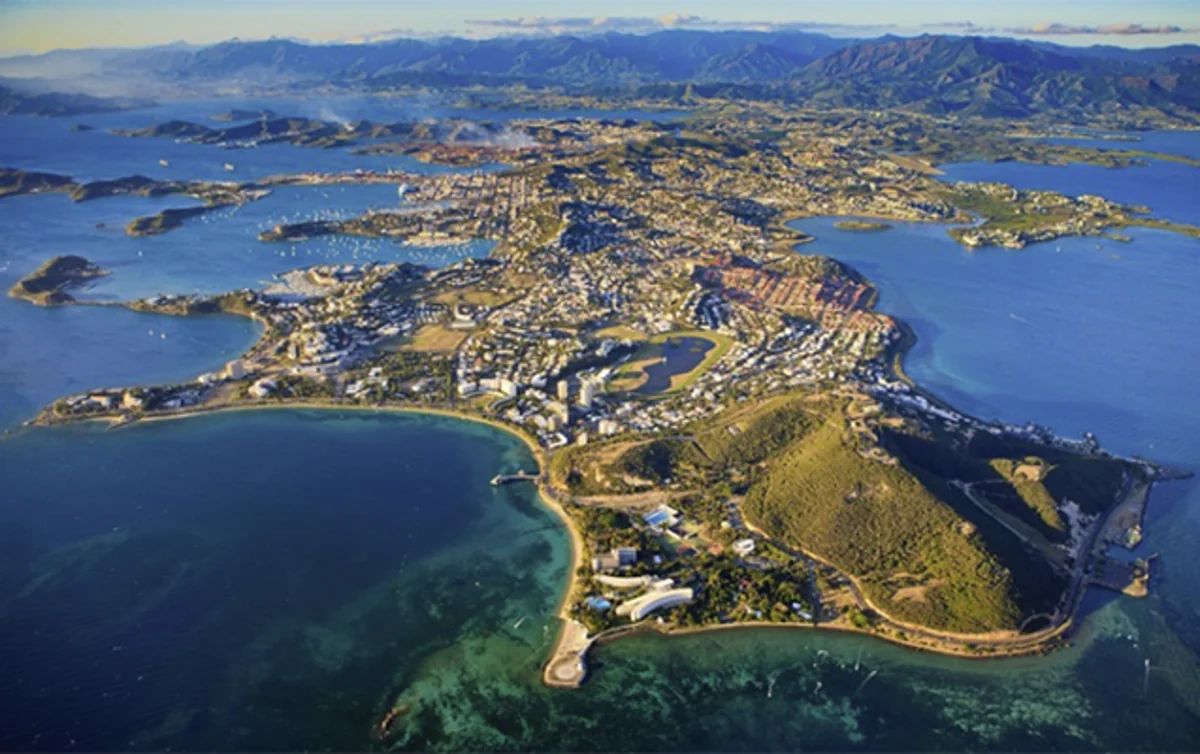
The letter stated that the resistance against colonialism paved the way for Kanaks to obtain citizenship, enter political institutions, abolish the framework law, and found the Kanak independence movement. It was recalled that the FLNKS was created as a result of the rebellions and uprisings of Kanak nationalists in 1984-1988:
"These periods marked the history of the Kanak people, written in bloody letters and full of indelible humiliations that give concreteness to the colonial dispute causing a confrontation between us to this day. Despite this, the FLNKS, which has a rich history, decided to take responsibility for maintaining the peace that began with the Nouméa Accord of 1998 and continue to restore the balance that formed with the Matignon Agreements 35 years ago. Thus, we have presented a project of society in line with the Nainville-Les-Rocher declaration of 1983, which recognizes the victims of colonial history and envisages the birth of a nation with a common destiny.
"As a 3rd party to the Nouméa Accord, you were and remain responsible for ensuring an irreversible, honest process that allowed New Caledonia to affirm its call to become a sovereign nation, following the example of the Pacific nations. The realization of this agreement is not in doubt since the French state recognizes the desire of New Caledonia for complete independence at the end of this period. Thus, unless the consultations lead to the creation of a proposed new political entity, this agreement will remain in its final development stage without reverting to the previous phase. This irreversibility is guaranteed by the Constitution."
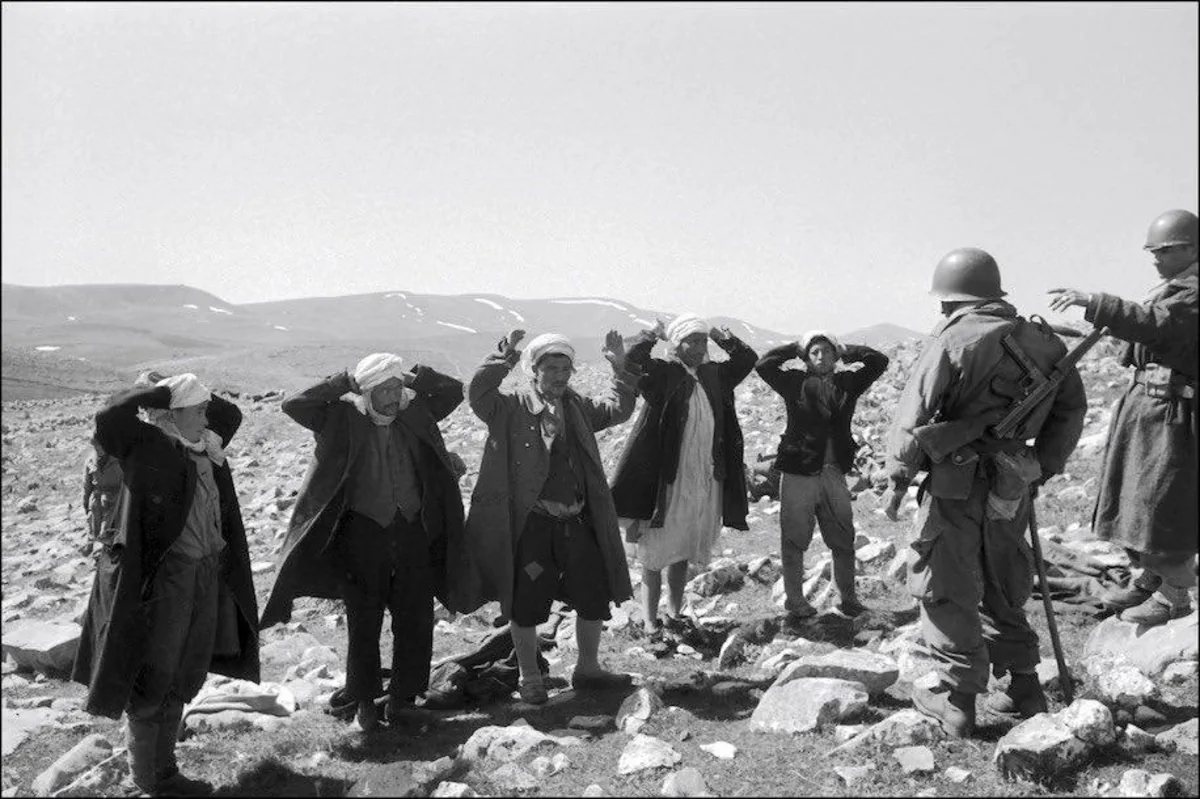
The letter emphasized that France is no longer fulfilling its obligations, by, on one hand, holding the 3rd consultation on December 12, 2021, and on the other hand, never keeping its promises:
"At every decisive moment of our history, it prioritizes the short-term interests of the 'great power' in the Pacific. For these reasons, the FLNKS, a freedom movement, protested and still protests the conduct of these 3 consultations and their results. These fundamental elements of the country's history formed the basis of three technical meetings with Minister Gerald Darmanin and five technical meetings with the services of the High Commission in New Caledonia. Thus, we exchanged views on the following five topics: provincial electoral authority, land ownership, delegation of power, development of local institutions, and the exercise of the right to self-determination. Although our delegation wanted to participate in each of the meetings, it became clear that some of the main issues underlying the FLNKS vision of ensuring stability and a peaceful legislative process in the country were still unresolved. First, the current colonial issue continues to be an object of conflict arising from the traumas inherent in many families, many clans,s and tribal leaders. For this reason, the FLNKS requested that the discussions be pre-arranged within the framework of bilateral exchanges between France, which governs the state, and the legal representative of the colonized Kanak people. An effective settlement of the Caledonian colonial dispute will allow the Kanak people to establish new relations with France in line with the realities of our time, according to the Treaty of Noumea. For our people, the FLNKS and the entire independence movement mean a departure from the colonial history of New Caledonia, a transition from a ruler and ruled relationship to an equal partnership based on the recognition and protection of our mutual interests. We are still working to give the people of Caledonia an opportunity to build their lives here on a healthy foundation."
The letter also contained a declaration that the colonized Kanak people would never give up their recognized and affirmed identity. At the same time, it was mentioned that the native population in Oceania faced colonial inequality through a sharp demographic decline (due to epidemics, massacres), land grabbing by non-natives, inability to benefit from new economic initiatives (mining, large-scale animal husbandry, crop export) and moral attacks of western monotheisms.
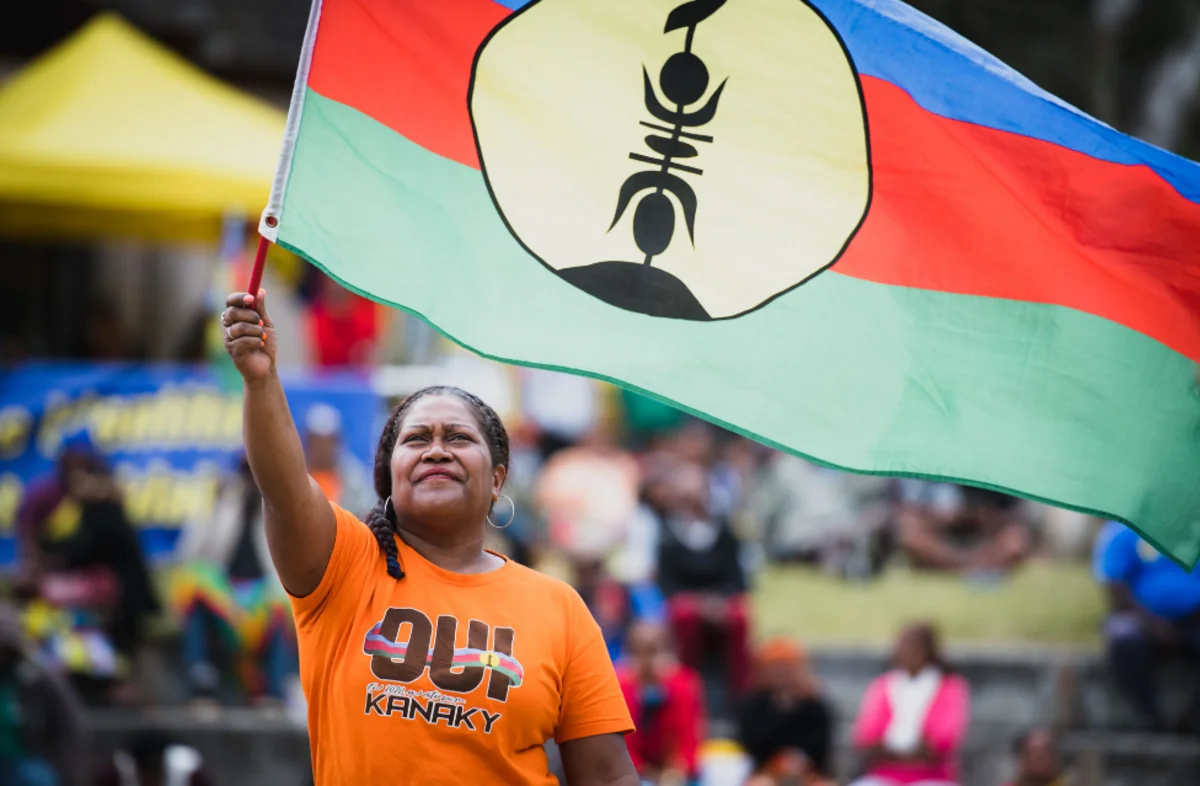
It was stated that it is needed to restore balance through successful decolonization, which is the only means for the FLNKS to restore strong social ties between the communities living in New Caledonia. "Finally, the transfer of state powers is necessary to establish a new relationship between France and New Caledonia within the framework of a beneficial, reliable relationship based on mutual consensus. Ensuring economic stability for those who choose to participate in the success of the country and solving socio-ecological problems are problems that we can solve. Thus, taking into account the favorable framework for our development in the process of decolonization, New Caledonia managed to cope with its increased responsibilities, which brought it closer to the door of the "concert of nations".
FLNKS believes that the country is ready to possess the attributes of its sovereignty. Therefore, FLNKS proposed to consider the adoption of an agreement that would create a political basis for this final stage of legislative evolution within the framework of a joint approach.
It was noted that this political act can provide a guarantee of the following:
- Gaining independence through bilateral negotiations with the governing power
- Continuation of the irreversible decolonization process of New Caledonia.
- To achieve a final process that implements a program to gain full sovereignty and independence.
- Constitutionalizing the political agreement and independence status, which includes the transitional phase, the Act of Sovereignty, and the declaration of the birth of the new state.
When the Matignon-Oudinot Agreements were signed, some around the world speak of an act of civilization, in which the parties to a conflict that had all the hallmarks of a colonial war managed to begin together a process that gave hope for successful decolonization in the twentieth century. You yourself said on your first visit to the area in 2018 that "the Caledonians have invented an exceptional collective smart model, which is of worldwide interest." So, Mr. President, we believe that together we can repeat this civilizational movement by peacefully completing the decolonization of New Caledonia to prove the viability of this smart model to the whole world."
Author