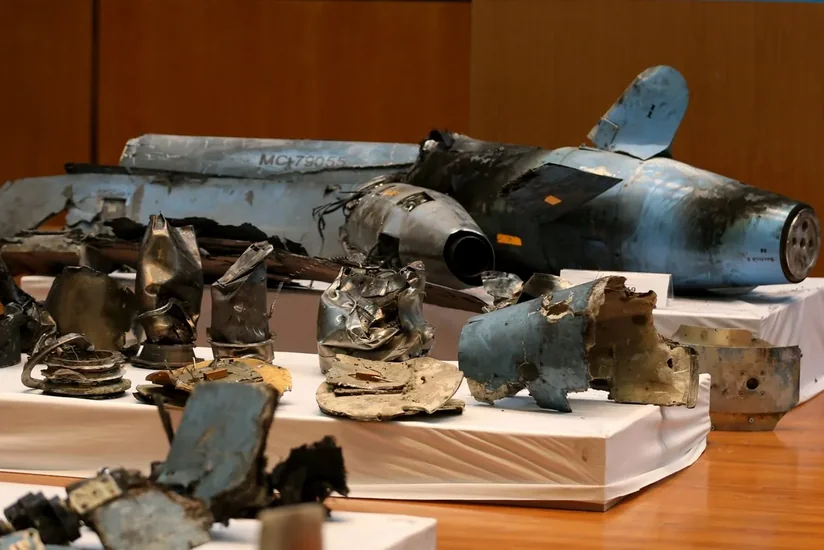
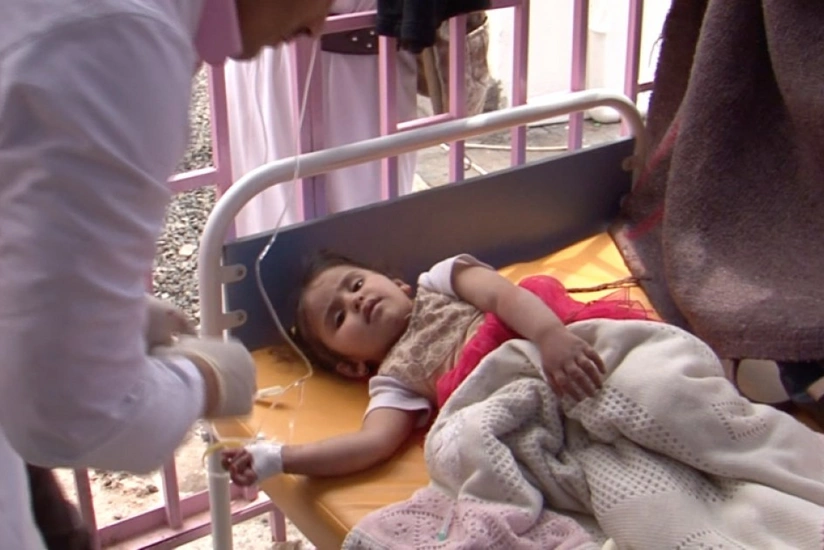
The tag "Civil War in Yemen" brings together news, analytical materials, and background information on the armed conflict in Yemen, which began in 2014 and continues to this day, having entered a new phase of escalation in 2026. It is one of the most protracted and devastating modern conflicts in the Middle East. In this section, readers can find up-to-date information on the course of hostilities, the positions of the conflicting parties, the humanitarian situation in the country, international mediation efforts, and diplomatic initiatives aimed at resolving the crisis.
The conflict in Yemen began amid the political instability that followed the "Arab Spring" and the resignation of President Ali Abdullah Saleh, and escalated after the Houthi movement, officially known as "Ansar Allah", which controls a significant part of northwestern Yemen, including the capital Sana'a, rose up against the government of President Abd Rabbu Mansour Hadi. In 2015, a coalition of Arab states led by Saudi Arabia intervened in the conflict in support of the internationally recognized government of Yemen, leading to a major escalation of hostilities and transforming an internal conflict into a war with significant regional and international dimensions.
Key participants in the conflict include the Houthi movement, which, according to the assessments of a number of observers and Western governments, receives support from Iran; the government forces of Yemen; the Saudi-led military coalition, which at various times included the United Arab Emirates and other states; and various southern Yemeni separatist forces, including the Southern Transitional Council, which seeks independence or broad autonomy for the country's southern provinces.
Over the years of the war, the intensity of hostilities has changed repeatedly — periods of large-scale fighting have alternated with temporary truces and lulls amid UN mediation efforts. Nevertheless, according to information available as of 2026, the conflict has once again entered a phase of active escalation, indicating the fragility of previously reached agreements and the continuing complexity of achieving a full-fledged peace settlement.
The war in Yemen has led to one of the largest humanitarian crises in the world — mass displacement of the population, destruction of infrastructure, outbreaks of epidemic diseases, acute food insecurity, and famine in certain parts of the country. International organizations, including United Nations bodies, have repeatedly pointed to the scale of the humanitarian catastrophe and the need to ensure humanitarian access to conflict zones.
Efforts to resolve the conflict at various stages have been undertaken by the United Nations through its special envoys for Yemen, as well as by individual mediating states, primarily Saudi Arabia itself and Oman.
Materials collected under this tag may include news on current hostilities and their consequences, statements by the parties to the conflict, information on the humanitarian situation in Yemen, details on diplomatic initiatives and negotiation processes, as well as analytical materials on the causes and consequences of the 2026 escalation and the regional dimension of the Yemeni crisis.
The topic of the Civil War in Yemen is of interest to readers following international politics, the situation in the Middle East, humanitarian crises, and regional security issues.

 Baku 21° C