
 Baku 19° C
Georgia's CEC slams exploitation of OSCE resolution to discredit election administration
- 07 July, 2025
- 15:35
Stay up to date with the top news!
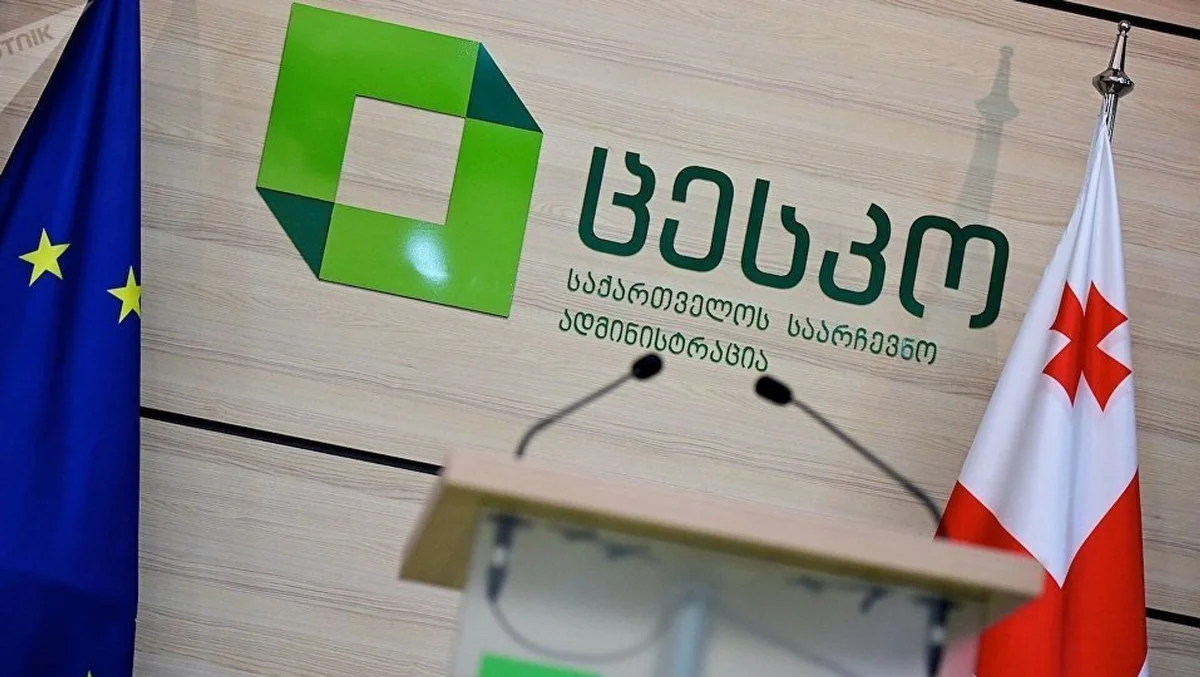
The Central Election Commission of Georgia asserts that certain stakeholders are leveraging the OSCE resolution to discredit the election administration and undermine the overall electoral process, Report informs via GPB.
According to the CEC’s official statement, despite neither the OSCE/ODIHR report on the parliamentary elections nor the OSCE resolution itself mentioning electoral fraud, some individuals continue to disseminate manipulative claims through the media, falsely suggesting that the elections were fraudulent—claims that are contradicted by the OSCE resolution.
“The OSCE resolution and the OSCE/ODIHR conclusion focus solely on specific violations and do not accuse the elections of fraud. It is essential to note that reports from elections held in various countries frequently mention violations or irregularities; however, these issues did not affect the final results. The irregularities identified in Georgia did not affect the core outcome—the voters’ will and the official election results. Furthermore, during the OSCE Assembly, the OSCE Secretary General explicitly stated that the election results reflect the will of the people. It is also worth mentioning that the positions expressed in the OSCE resolution contradict the findings of the OSCE/ODIHR report.
The CEC recalled “the OSCE/ODIHR’s conclusion that on Election Day, in over 90% of precincts, the electoral process was assessed positively. The report notes that 99% of electronic voting machines functioned properly, and their results matched manual counts. The transparency of the election administration and the numerous measures implemented were widely praised. The process of compiling the voter list was inclusive, and most observers found no significant issues regarding its accuracy. The elections were competitive, and the registration of parties by the CEC was conducted inclusively.”
“It is also noteworthy that the OSCE/ODIHR report raises certain concerns and offers recommendations, for instance, related to specific issues within the election process. Such observations are typical in electoral assessments worldwide and do not constitute a comprehensive judgment of the election’s legitimacy, especially when the report does not mention election fraud.
These facts reaffirm that some politicians are acting solely, following their political agendas, exploiting OSCE reports to mislead the public and bolster their positions.
Furthermore, the recent statement by Nino Lomjaria, claiming that the 2024 parliamentary elections were rigged is another attempt to mislead the public and discredit the electoral process. We remind the public that Lomjaria observed the elections on behalf of the organisation 'My Vote,' which disseminated significant misinformation following the vote. The organization claimed that multiple voting occurred but failed to provide any credible evidence to substantiate these allegations. Both legal obligations and journalistic integrity demand that such serious accusations be supported by verifiable evidence—something that was absent in this case. Consequently, the actions of this observation organization extend beyond objective assessment and appear aimed at influencing public opinion and spreading disinformation rather than improving election transparency.
The CEC reiterates its willingness to cooperate with all organizations that operate impartially, lawfully, and objectively. Simultaneously, it condemns any efforts designed to unjustly discredit democratic processes or undermine the legitimacy of election results. The election administration will respond to unfounded claims with verified, transparent information, reaffirming its commitment to a fair and credible electoral process,” the Central Election Commission of Georgia stated.
Author