
 Baku 10° C
US syphilis cases rise to highest level in more than 70 years
- 31 January, 2024
- 11:49
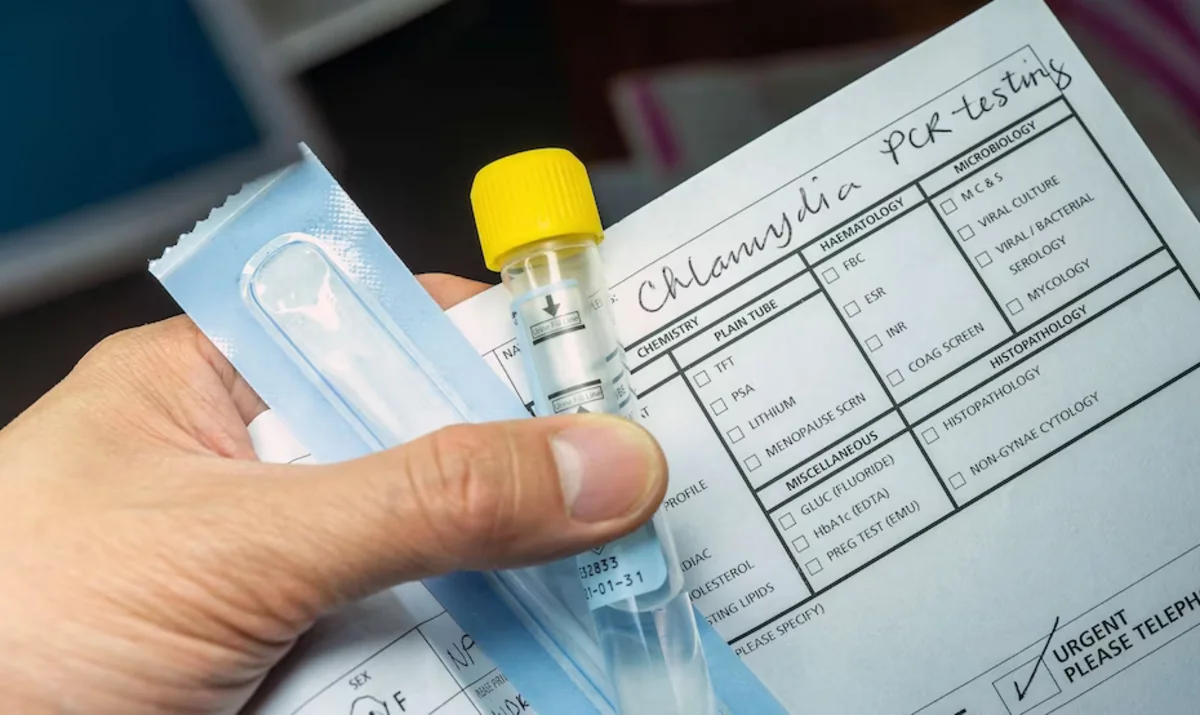
Cases of syphilis, a debilitating sexually transmitted disease, are surging in the US and have returned to levels not seen in more than 70 years, Report informs via Bloomberg.
Infections rose 17% to 207,000 cases in the US in 2022, the Centers for Disease Control and Prevention said on Tuesday in a release of the latest data available. Annual cases hovered just above 30,000 two decades ago.
Rates of syphilis have been rising for years amid funding cuts to local public health agencies and transmission increases associated with more drug use and unprotected sex. In response, the Department of Health and Human Services, which oversees the CDC, initiated a syphilis task force last year that has focused on increasing testing and treatment.
“We need a whole country response,” said Jonathan Mermin, director of the National Center for HIV, Viral Hepatitis, STD and TB Prevention at the CDC. “There are no shortcuts.”
Syphilis can lay dormant in people for years and then cause medical problems, including blindness and even death. It’s particularly troubling if a pregnant woman gets infected because the disease can be passed to fetuses and babies with deadly effects. In 2022, congenital syphilis caused 231 stillbirths and 51 infant deaths, according to CDC data.
As part of its strategy to combat the disease, the CDC has also supported the development of a rapid syphilis test that could identify cases anywhere, an improvement over current tests in the US that require laboratories, Mermin said.
But even when patients are identified, they currently face a hurdle to treatment. The best medicine for syphilis is penicillin G benzathine, which is sold by Pfizer Inc. in the US under the brand Bicillin L-A, and it’s been in short supply since April because of high demand.
Pfizer has increased production and expects supply to normalize by June. The Food and Drug Administration also greenlit the importation of a version of penicillin G benzathine that’s approved in Europe but not the US.
About 50,000 doses are available, said Pavel Svintozelskiy, medical affairs manager for Provepharm, a company involved in the importation.
Penicillin G benzathine is the only drug that can prevent someone from passing the disease to a fetus, resulting in congenital syphilis.
To preserve Bicillin L-A for pregnant people, the CDC recommended that health-care providers treat others with a different drug, doxycycline. But that medicine is significantly less convenient. While Bicillin L-A can cure syphilis with as little as one shot, doxycycline requires weeks of taking a pill twice a day. Many people with syphilis are homeless or struggle with substance abuse, making it difficult to consistently take medication.
“We worry about compliance,” said Admiral Rachel Levine, HHS’s assistant secretary for health, who heads the national syphilis task force.
If someone doesn’t take the whole course of doxycycline, they might remain contagious and infect a pregnant person, endangering the fetus — a situation that wouldn’t have occurred with a ready supply of penicillin G benzathine. That happened at least once in Arizona, said Rebecca Scranton, a deputy bureau chief at the Arizona Department of Health Services.
“It is really concerning,” Scranton said of the penicillin G benzanthine shortage. “We’re still very much closely monitoring the situation.”
Author