
 Baku 21° C
Pacifist Japan takes big step towards becoming major arms exporter
- 12 August, 2025
- 16:05
Stay up to date with the top news!
Australia’s choice of Mitsubishi Heavy Industries as its preferred supplier for a new batch of frigates marks a huge step in Japanese efforts to become a major arms exporter at a time of rising regional tensions and stretched defence supply chains, Report informs via Financial Times.
But analysts warn that Japan will have to overcome production capacity and labour constraints to demonstrate it can offer a real alternative to the US, European and South Korean defence suppliers. MHI’s $6.5 billion frigate deal, which Tokyo and Canberra announced this week and expect to finalise early next year, would be the first international sale of a complete Japanese defence platform with lethal capabilities since the second world war and a model for future exports of warships, missiles and radar systems.
“This deal is a major breakthrough for Japan,” said Hirohito Ogi, a senior research fellow at the Institute of Geoeconomics and former defence ministry official. “This will further motivate the Japanese defence companies to seek other opportunities for international arms transactions.” MHI’s success comes as arms contractors ride a surge in global defence spending fuelled by conflicts in Ukraine and the Middle East, and as US allies in the Indo-Pacific strengthen their militaries to counter China’s increasing might.
Japan in 2014 lifted a self-imposed ban on almost all arms exports that had since the late 1960s restricted the country’s technologically powerful industrial groups to supplying its Self-Defense Forces. But big deals have proved elusive since Japan lost out to France on a $35bn submarine supply deal from Australia in 2016. Ogi said a major difference this time was that “the current international arms market is characterised by a lack of supply capacity”. “The US cannot meet all the demands of its allies for its weapons,” he said.
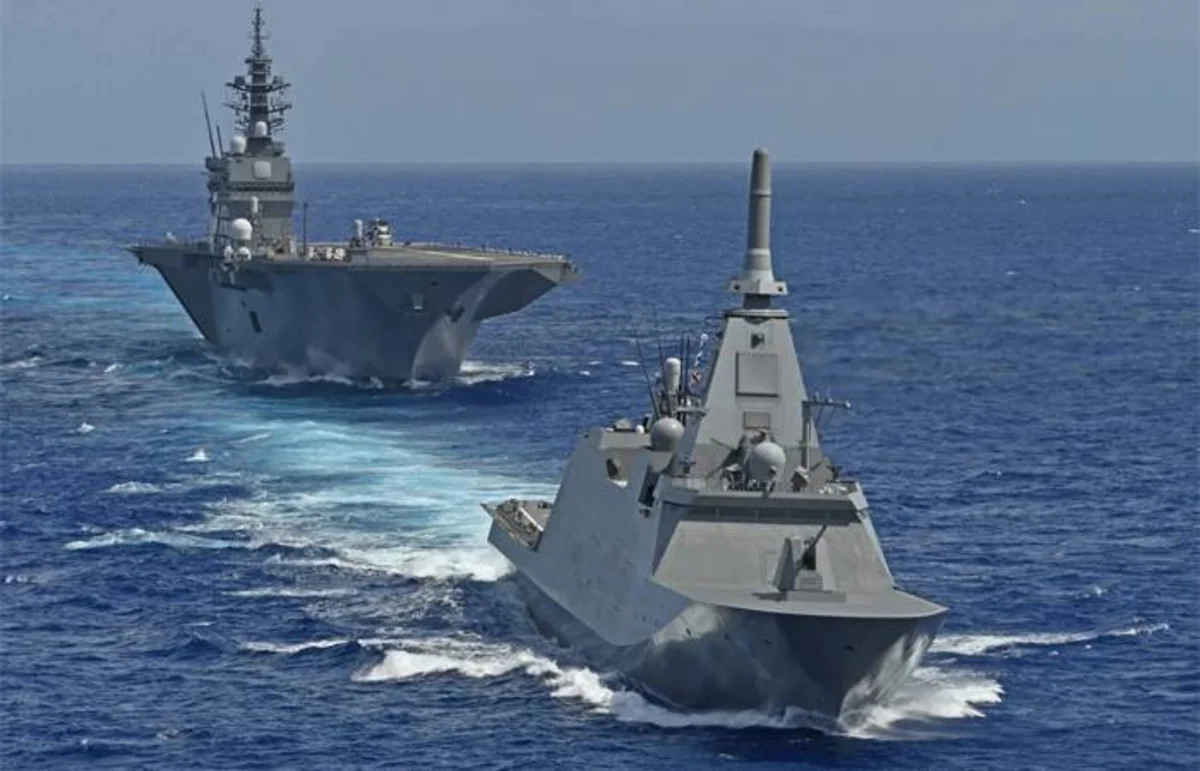
“Australia needed the capabilities that Japan could provide.” Analysts said Japan’s defence industry had learned from the previous failure to tailor its product to Australia’s needs. The private sector also gave its support to a more sophisticated government campaign. MHI offered an upgraded version of its Mogami-class frigate, which only requires 90 crew members — compared with the 120 needed on the vessel proposed by Germany’s Thyssenkrupp — yet is bigger, allowing the longer cruising range and larger weapons capacity Canberra wanted. Japan was also able to guarantee delivery of the first vessel by 2029, plugging a gap caused by the retirement of Australia’s existing Anzac-class frigates, and could promise interoperability with the US Navy.
Author