 Baku 21° C
Baku hosts panel on humanitarian cooperation concerning missing persons
- 08 October, 2026
- 15:58
Stay up to date with the top news!
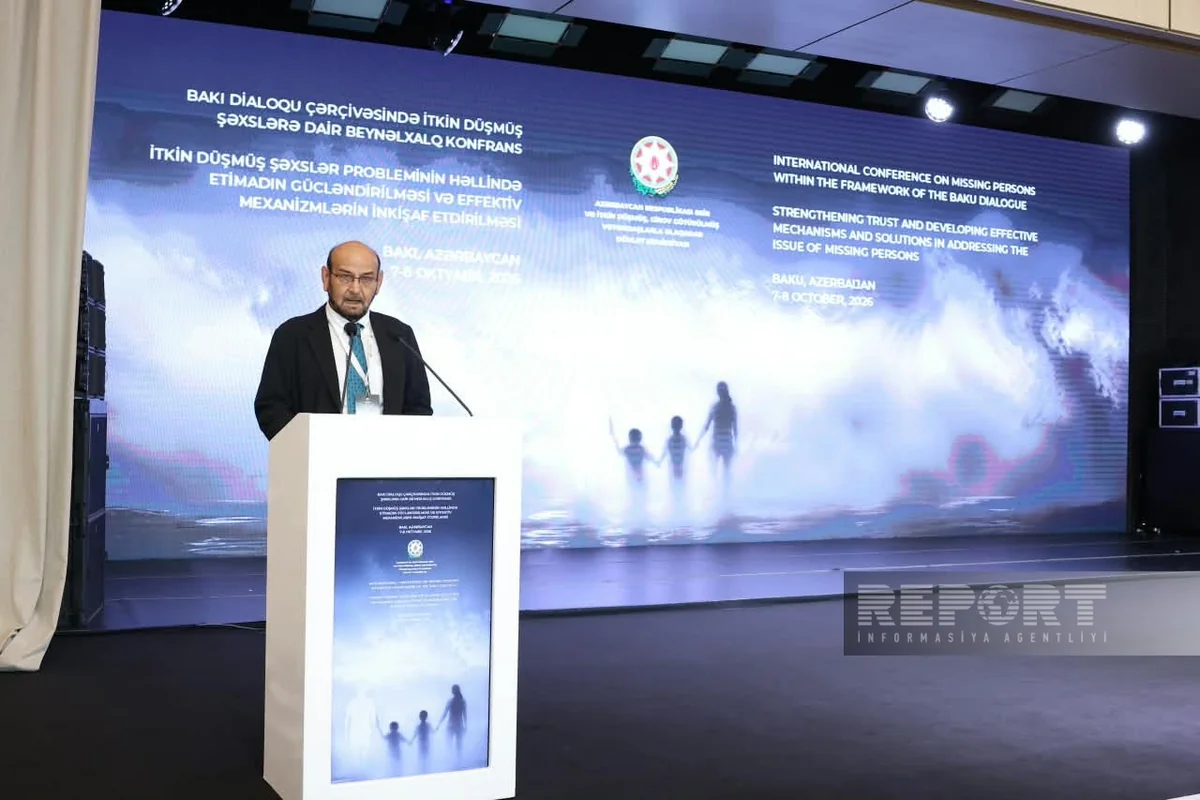
A panel session titled "Addressing the Issue of Missing Persons in Peace Processes: Humanitarian Cooperation and Confidence-Building Measures" was held on the second day of the 4th International Conference within the Baku Dialogue on Missing Persons.
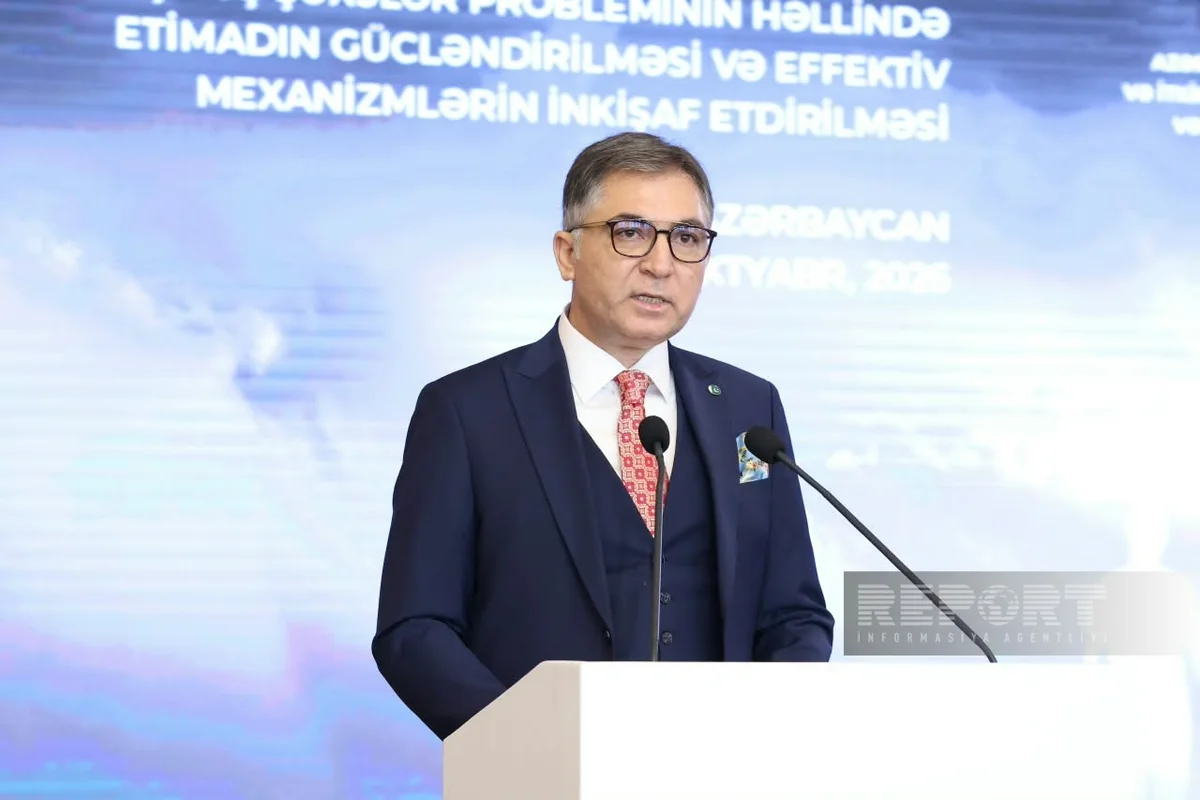
According to Report, Ugur Bayraktutan, a member of the Türkiye-Azerbaijan Interparliamentary Friendship Group, said the search for, recovery and identification of missing persons should not be viewed solely as a technical or legal process.
"This is also a humanitarian responsibility, an expression of respect for the rights, history and heritage of families, and an important condition for societies to come to terms with their past in a healthy way. At this point, I believe Azerbaijan's example is particularly important for us. Relations between Türkiye and Azerbaijan are not limited to diplomatic ties between two states. Historical, social and human bonds form the foundation of Türkiye-Azerbaijan relations. Ties between the two countries are growing stronger and developing every day. It is unthinkable for Türkiye to remain indifferent to the humanitarian problems faced by Azerbaijan. In this regard, the challenges encountered in Azerbaijan's case are also instructive for us," he said.
Former Montenegrin Defense Minister Milica Pejanović-Đurišić said that for many families in the South Caucasus, war had still not fully become a matter of the past.
"The war continues to manifest itself in a very personal and painful way through unanswered questions about what happened to their loved ones. A peace agreement may end a war, but it cannot by itself resolve all the humanitarian consequences of wars," she said.
Milica Pejanović-Đurišić stressed that the issue of missing persons should not be regarded merely as a matter to be addressed after a peace process.
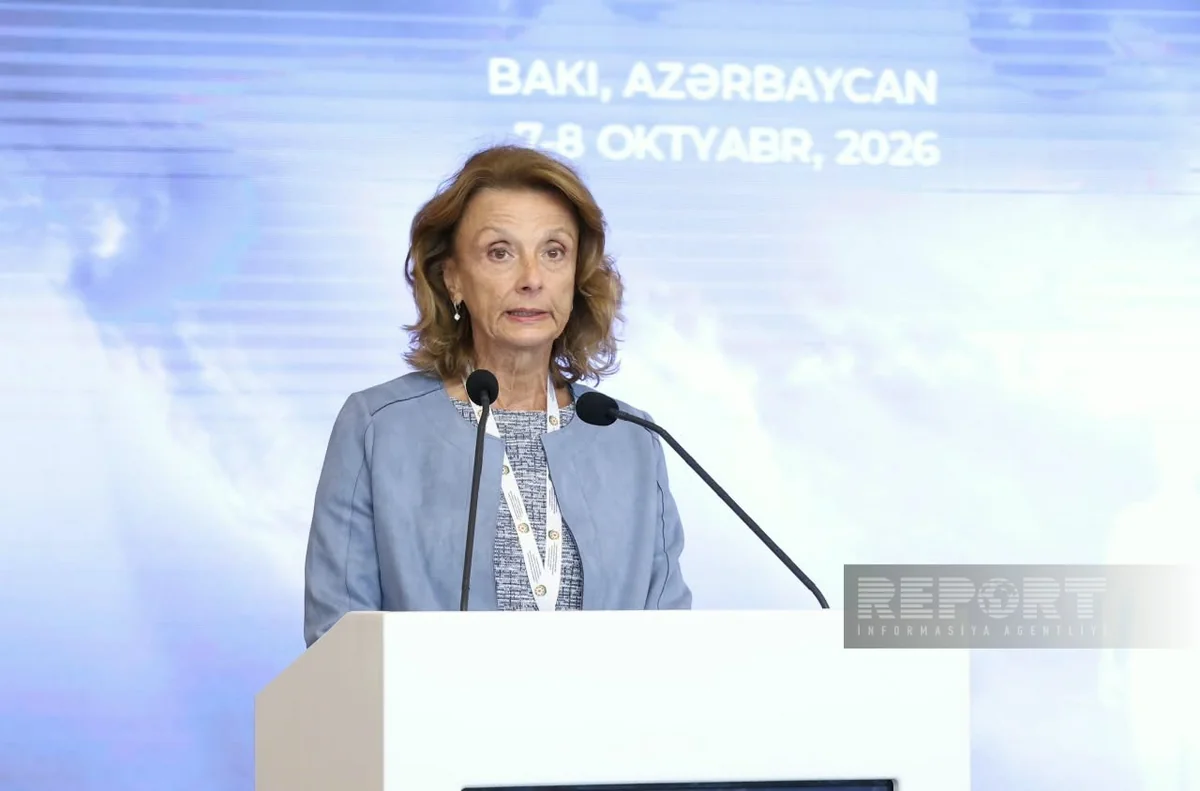
"This issue must be part of the peace process. The search for missing persons can become one of the most practical confidence-building measures available to societies emerging from conflict. Even when political positions remain sharply divided, this shared principle can sometimes open doors that political dialogue cannot. It can help establish communication channels between institutions, facilitate the exchange of documents and information, and bring together forensic experts, military personnel, investigators, humanitarian organizations and, most importantly, families," she said.
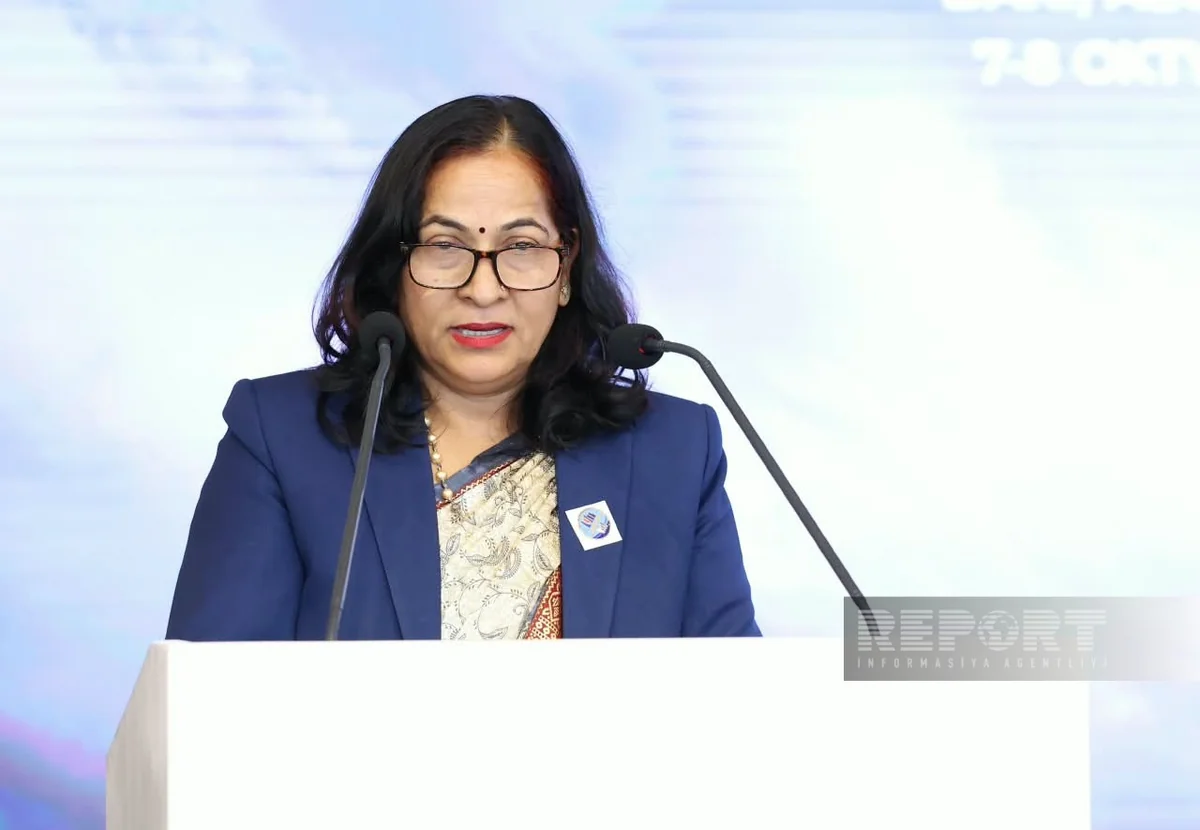
Muhammad Sohail Sajid, a lawyer at the Supreme Court of Pakistan, stressed that under international humanitarian law, parties must take all possible measures to determine the fate of missing persons and inform their families.
"Humanitarian law further strengthens these obligations. Article 24 of the International Convention for the Protection of All Persons from Enforced Disappearance recognizes the right to know the truth about the fate of a missing person. The Convention obliges states parties to search for those persons and, when remains are found, return them to their families," he said.
Yesid Andres Serrano Alarcon, Director of the Human Rights and International Humanitarian Law Department at Colombia's Ministry of Foreign Affairs, said Colombia's experience showed that searching for missing persons could become a concrete measure for building trust during a transition to peace.
"At the same time, establishing the truth and recognizing victims are fundamental to reconciliation processes and the consolidation of lasting peace. Institutional fragmentation and the accumulation of information within separate agencies can negatively affect search processes. Therefore, the state has promoted coordination mechanisms that bring together judicial, humanitarian and forensic institutions, as well as agencies assisting victims, around a common objective. The interoperability of information systems and timely exchange of data are fundamental tools for strengthening the search for and identification of missing persons," he said.
Diego Ruiz Gayol, Director of the Department of International Policy on Civil and Political Rights and Democracy at Mexico's Ministry of Foreign Affairs, said the situation regarding missing persons in Mexico was relatively different.
"This issue is related not to armed conflict, but mainly to the activities of criminal groups. For Mexico, disappearances remain an important human rights issue and a serious humanitarian problem. Our approach is based on the rights and dignity of victims and their families. At its core is the understanding that resolving disappearances requires a comprehensive response encompassing search measures, identification of human remains, access to justice, assistance to victims and strengthening institutional capacity. We are taking measures aimed at improving information systems, strengthening search and identification methods, improving coordination among state institutions at all levels of government, and maintaining constant dialogue with families and civil society organizations," he said.
Shohin Talbakzoda, chief assistant to the Prosecutor General of Tajikistan, said finding the remains of missing persons, ensuring their dignified burial and guaranteeing families' right to learn the truth about what happened were integral elements of international humanitarian law.
"As is known, the issue of missing persons lies at the intersection of international humanitarian law, human rights, and criminal and civil law. But above all, it is a humanitarian issue, because behind every missing person are family members who may remain in a state of uncertainty for years. At the same time, preserving the humanitarian and non-politicized nature of such work is of fundamental importance. We believe the issue of missing persons also has another dimension that is sometimes left outside legal discussions. This is the human dimension of peace," he said.
Gular Seymurgizi
Seljug Elchin
Photo