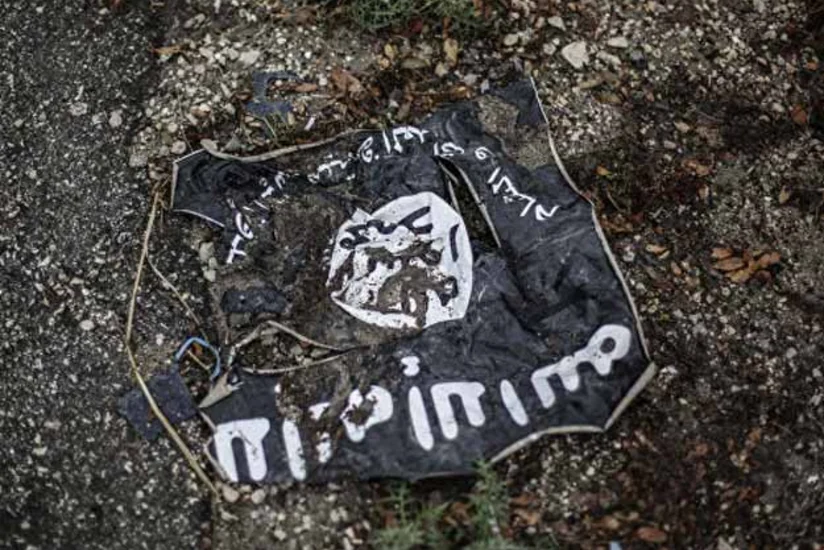
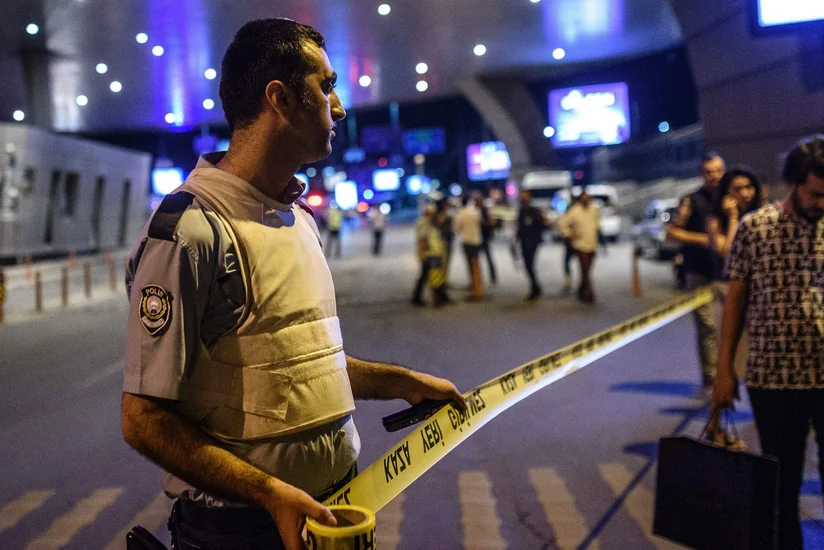
The "Islamic State" (IS, ISIS - Islamic State of Iraq and the Levant) is an international Islamist terrorist organization banned by UN resolutions and the laws of the vast majority of countries worldwide, including Azerbaijan, Russia, the US, and EU states.
Having survived the peak of its power in 2014–2015 when the group controlled vast territories in Syria and Iraq, by 2026, ISIS has completely lost its status as a quasi-state. However, the physical destruction of the "caliphate" in 2019 did not lead to the eradication of its ideology: the organization has transformed into a decentralized, highly dangerous underground network of franchises (wilayats).
To understand the scale of the current threat, it is crucial to assess how the organization's structure has changed over the past decade:
Characteristic ISIS (Peak: 2014–2015) ISIS (Current Status: 2026) Structure Centralized (quasi-state with Raqqa as capital) Decentralized network of autonomous "wilayats" Financing Oil sales, taxes in captured lands, bank robberies Cryptocurrencies, Dark Web, local racketeering Tactics Regular combat operations, holding fronts Asymmetric warfare, suicide bombings, "lone wolf" tactics Recruitment Calls to migrate to the "caliphate" Cyber-radicalization, calls for domestic terror attacksToday, the core of the threat has shifted from the Middle East to other turbulent regions. The global IS structure now relies on several of its most combat-ready branches:
In 2024–2026, the Afghan wing of ISIS emerged as the primary external threat. Based predominantly in Afghanistan and Pakistan, ISIS-K is in fierce confrontation with the Taliban government. The group actively recruits supporters in Central Asian countries and has claimed responsibility for a series of high-profile transnational terrorist attacks. Their goal is to destabilize the region and demonstrate the capacity to strike far beyond their bases.
Africa has become a new strategic foothold for terrorists.
ISWAP (Islamic State West Africa Province): Actively operates in the Lake Chad basin (Nigeria, Niger, Cameroon).
ISGS (Islamic State in the Greater Sahara): Conducts continuous guerrilla warfare in the Sahel region (Mali, Burkina Faso, Niger), exploiting the weakness of local governments and the withdrawal of Western peacekeeping contingents.
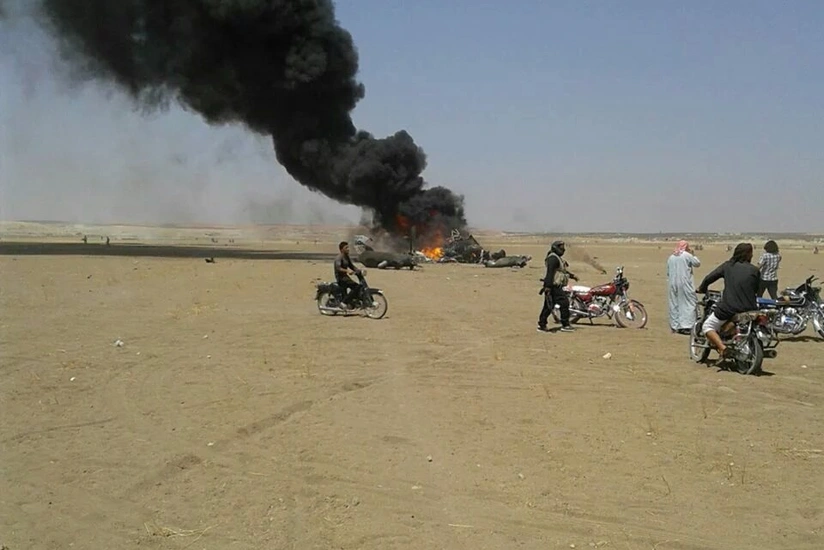
Despite the loss of territory, mobile militant squads continue to operate in the Syrian desert (Badiya) and the Sunni provinces of Iraq. They employ ambush tactics against government forces, Kurdish formations, and infrastructure facilities to undermine post-war reconstruction efforts.
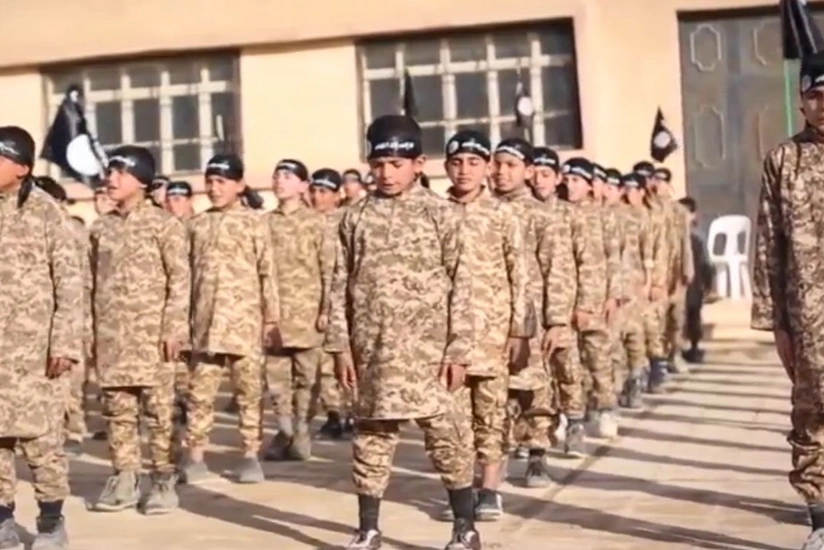
In 2026, ISIS is placing an unprecedented bet on digital technologies. The group's propaganda machines (such as the Al-Azaim foundation) actively utilize artificial intelligence tools to translate their materials into dozens of languages, create deepfakes, and generate content for social media. The primary target of radicalizers remains vulnerable youth, who are urged to carry out "do-it-yourself" (DIY) terror attacks using vehicles or bladed weapons.
Combating ISIS in modern realities requires highly precise intelligence work rather than large-scale military operations.
Coalition Actions: The Global Coalition, along with regional players (including SCO structures and CIS anti-terrorism centers), coordinates intelligence sharing to disrupt the group's financial flows.
Advanced Technologies: The use of AI for Big Data analysis allows intelligence agencies to uncover financing chains in the crypto-space and prevent terrorist attacks at the planning stage in closed chat rooms.
In 2026, ISIS no longer holds cities or oil rigs, but it remains a deadly ideological contagion. The organization's transition to a network format has made the threat less visible but more unpredictable, demanding constant vigilance and flawless coordination of intelligence services from the international community.

 Baku 23° C