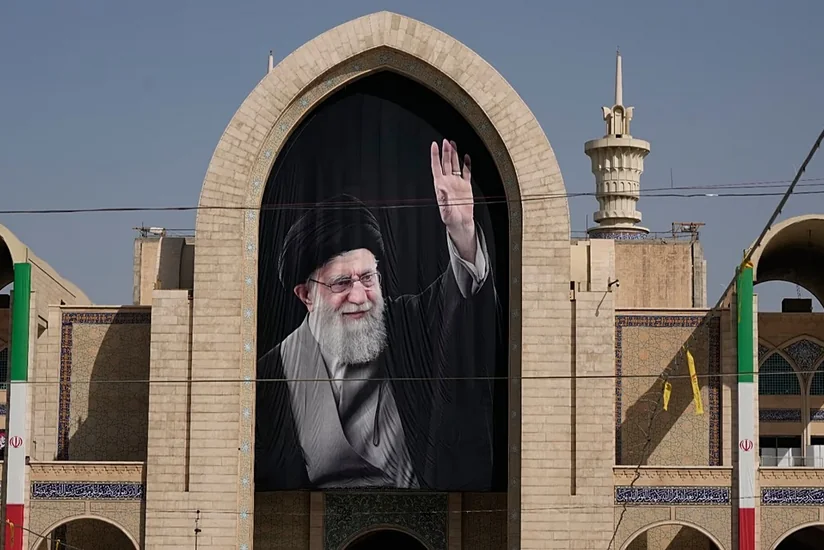
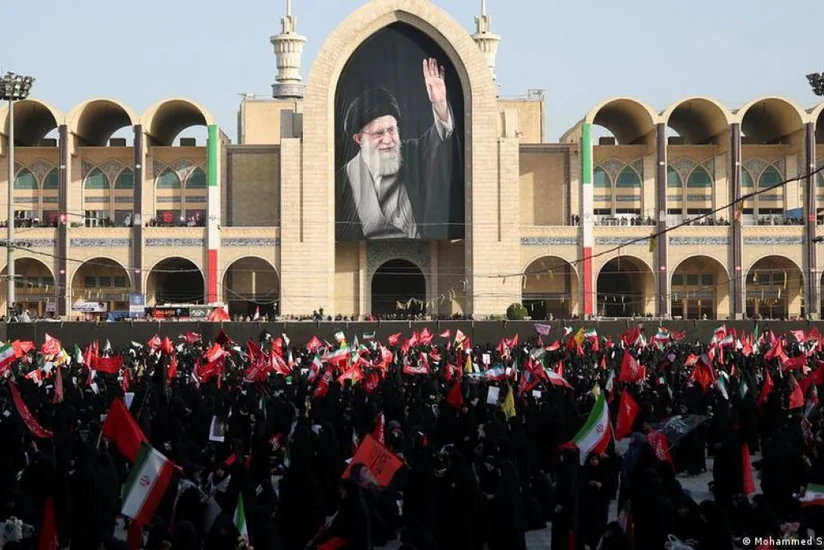
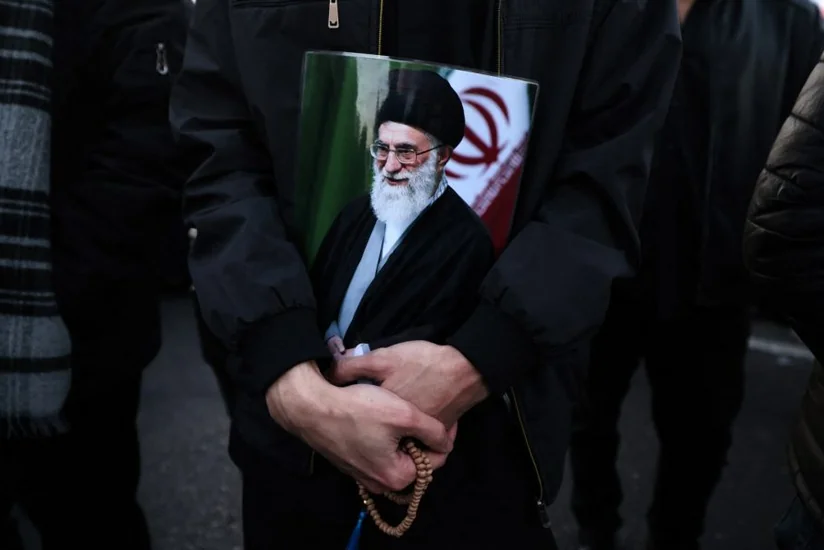
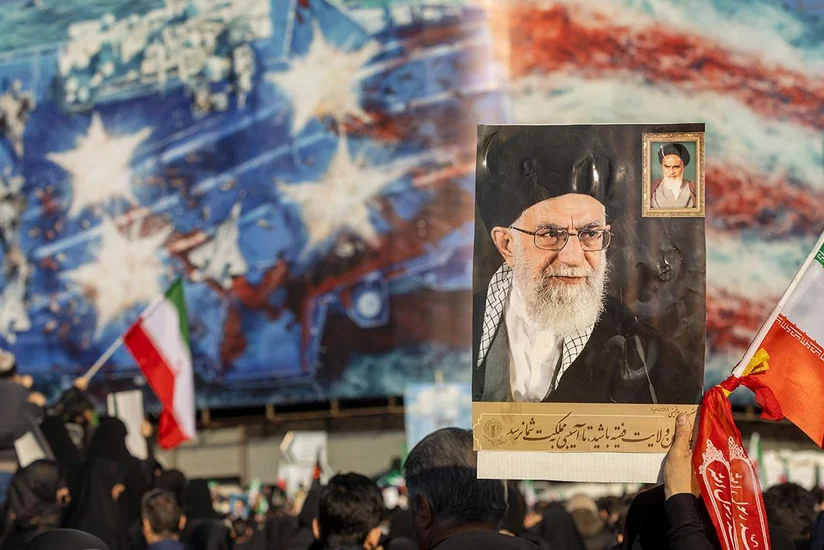
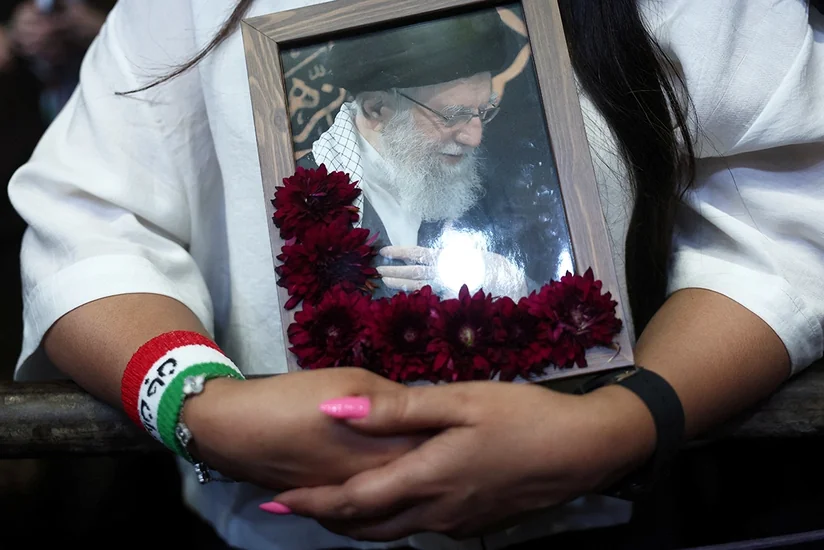
Ayatollah Sayyid Ali Hosseini Khamenei (born April 19, 1939) has been the Supreme Leader (Rahbar) of the Islamic Republic of Iran since 1989. As the head of state and the commander-in-chief of the armed forces, Khamenei wields absolute power in the country. He has the final say on all strategic matters: from the nuclear program and foreign policy to war and peace.
Today, on March 1, 2026, against the backdrop of massive US and Israeli missile strikes on Iranian infrastructure, the 86-year-old Rahbar faces the most severe challenge of his 37-year rule. His decisions in these critical hours will determine not only the fate of the Iranian regime but also the geopolitical architecture of all of Eurasia.
Ali Khamenei was born in Mashhad into a family of an Islamic theologian. In his youth, he became one of the closest disciples and associates of Ruhollah Khomeini, the leader of the Islamic Revolution. For his anti-monarchist activities during the reign of the Pahlavi Shah, Khamenei was repeatedly arrested and exiled.
Following the overthrow of the monarchy in 1979, his political career skyrocketed. During the bloody Iran-Iraq War (1980–1988), Khamenei served as the President of Iran. In 1981, he survived an assassination attempt that left his right arm permanently paralyzed.
After Khomeini's death in 1989, the Assembly of Experts unexpectedly elected Khamenei as the new Supreme Leader. Despite lacking the highest clerical rank of Grand Ayatollah at the time, his political weight and the backing of the Islamic Revolutionary Guard Corps (IRGC) played a decisive role.
Iran operates under a unique political system known as Velayat-e Faqih ("Guardianship of the Islamic Jurist"), where democratic institutions are subordinated to the clergy. It is a misconception to believe that the President of Iran dictates the country's course; the President is merely the head of the executive branch, while the true ruler is the Rahbar.
Key Powers of Ali Khamenei:
Direct Control over the Military: He personally appoints the commanders of the regular army (Artesh) and the elite Islamic Revolutionary Guard Corps (IRGC).
Foreign Policy: Determining the strategic vector of the state's development.
Judiciary and Media: Appointing the head of the judicial system and the director of state television and radio broadcasting.
Guardian Council: Khamenei appoints half the members of this body, which holds veto power over any parliamentary laws and approves candidates for all elected offices (including the presidency).
Ali Khamenei's foreign policy doctrine is built on strict anti-Americanism and the non-recognition of the State of Israel. Understanding Iran's vulnerability in a direct conventional war against technologically superior adversaries, Khamenei became the principal architect of the "strategic depth" concept.
It was under his rule that the Quds Force (the IRGC's special operations unit) created the so-called "Axis of Resistance"—a network of loyal armed proxy groups across the Middle East. Lebanon's Hezbollah, Yemen's Houthis, Palestinian Hamas, and Iraqi Shia militias have become the vanguard of Iranian influence and a tool for the asymmetric deterrence of Tehran's adversaries.
The events of February 28, 2026, when IRGC infrastructure and Iran's nuclear facilities were subjected to preemptive coalition strikes, presented Khamenei with a historic dilemma.
According to international news agencies, the Supreme Leader was emergency-evacuated to a secure bunker the moment the attack began. The Rahbar now faces an incredibly difficult choice:
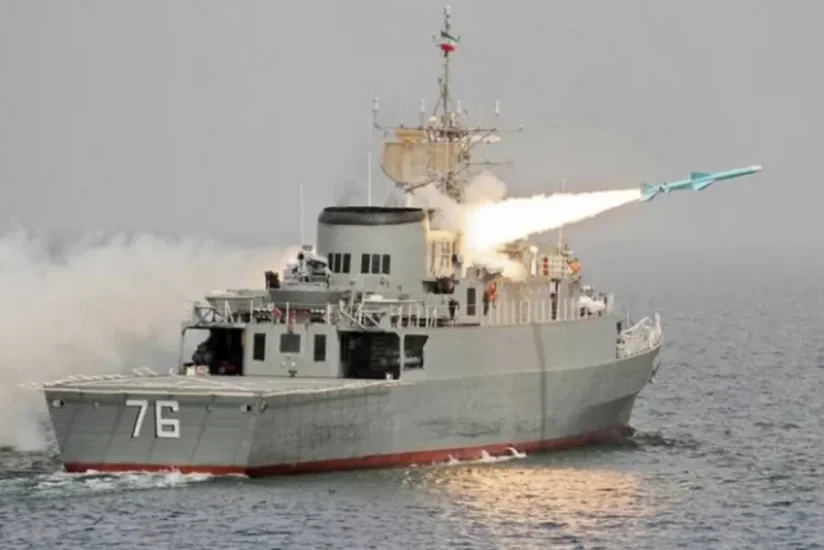
Massive Retaliation: Activate the entire IRGC missile arsenal and the forces of the "Axis of Resistance," which would guarantee a full-scale regional war with the United States.
"Strategic Patience": Limit the reaction to a symbolic response in order to preserve the regime's infrastructure and avoid the physical destruction of the Islamic system—the defense of which Khamenei considers his ultimate mission.
At 86 years old, Ali Khamenei is experiencing severe health issues. Amid the current military crisis, the question of a power transition in Iran is more acute than ever. Officially, the successor must be elected by the Assembly of Experts; however, de facto, the IRGC top brass will play the key role in this process.
Among the most likely candidates, analysts frequently name his second son, Mojtaba Khamenei, who possesses immense shadow influence and deep ties to the security apparatus, as well as several high-ranking conservative ayatollahs. The transition of power will be the moment of maximum vulnerability for the Iranian regime.

 Baku 21° C