
 Baku 23° C
Study: People may never develop immunity against COVID-19
- 18 June, 2020
- 06:28
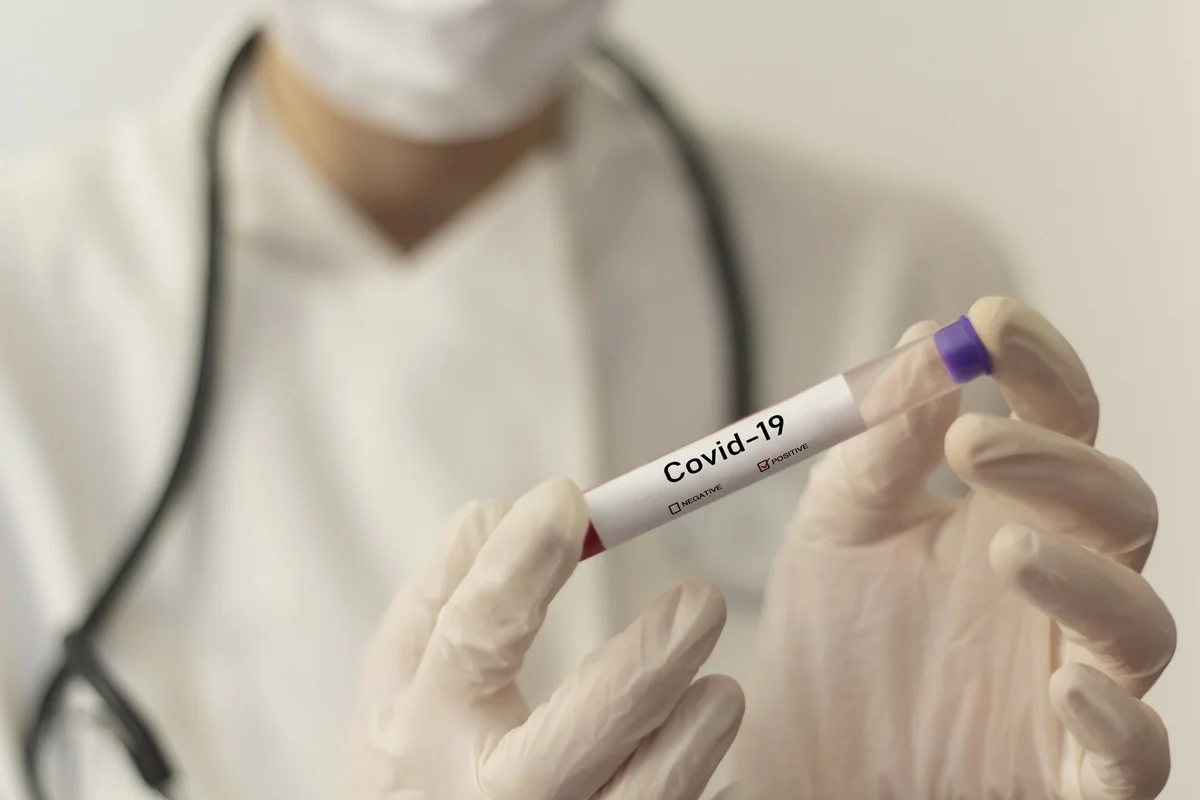
There may be no immunity against COVID-19, according to new research on antibodies by Chinese and American scientists.
Their conclusion was based on a study examining whether hospital workers in Wuhan who were directly exposed to infected patients at the early stage of the outbreak had developed antibodies. The deadly new disease was first detected in the Chinese city late last year, Report says citing The South China Morning Post.
“People are unlikely to produce long-lasting protective antibodies against this virus,” the researchers concluded.
Many efforts to fight the pandemic are being made to assume that people who have had Covid-19 will produce antibodies that will protect them from reinfection. Those efforts include countries considering issuing “immune certificates,” the over 100 potential vaccines in development, and recovered patients being encouraged to give blood for experimental drugs and therapies.
But the new research in Wuhan suggested not everyone infected was producing antibodies, or producing long-lasting ones.
The study was led by Wang Xinhuan from Wuhan University’s Zhongnan Hospital and scientists from the University of Texas in Galveston. The study looked at samples from health care workers and general hospital staff in the city.
They found that 4 percent of the health care workers and 4.6 percent of general hospital staff had the IgG antibody.
Wang’s team also suggested that more than 10 percent of the people in their study may have lost antibody protection within a month or so.
“The idea of an immune certificate for recovered Covid-19 patients is invalid,” Wang wrote.
Author