 Baku 11° C
Sites of Memory in Western Azerbaijan: History of Azerbaijani Ayrum village
- 28 November, 2026
- 14:00
Stay up to date with the top news!
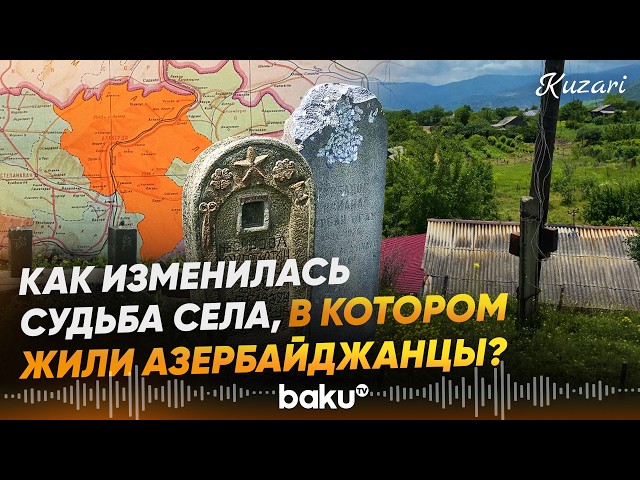
As part of the Sites of Memory of Western Azerbaijan project, a study has been prepared on the history of the Azerbaijani village of Ayrum (now Mets Ayrum) in Armenia, where Azerbaijanis lived until the late 1980s, Report informs.
The article was published in the Perished Civilization.
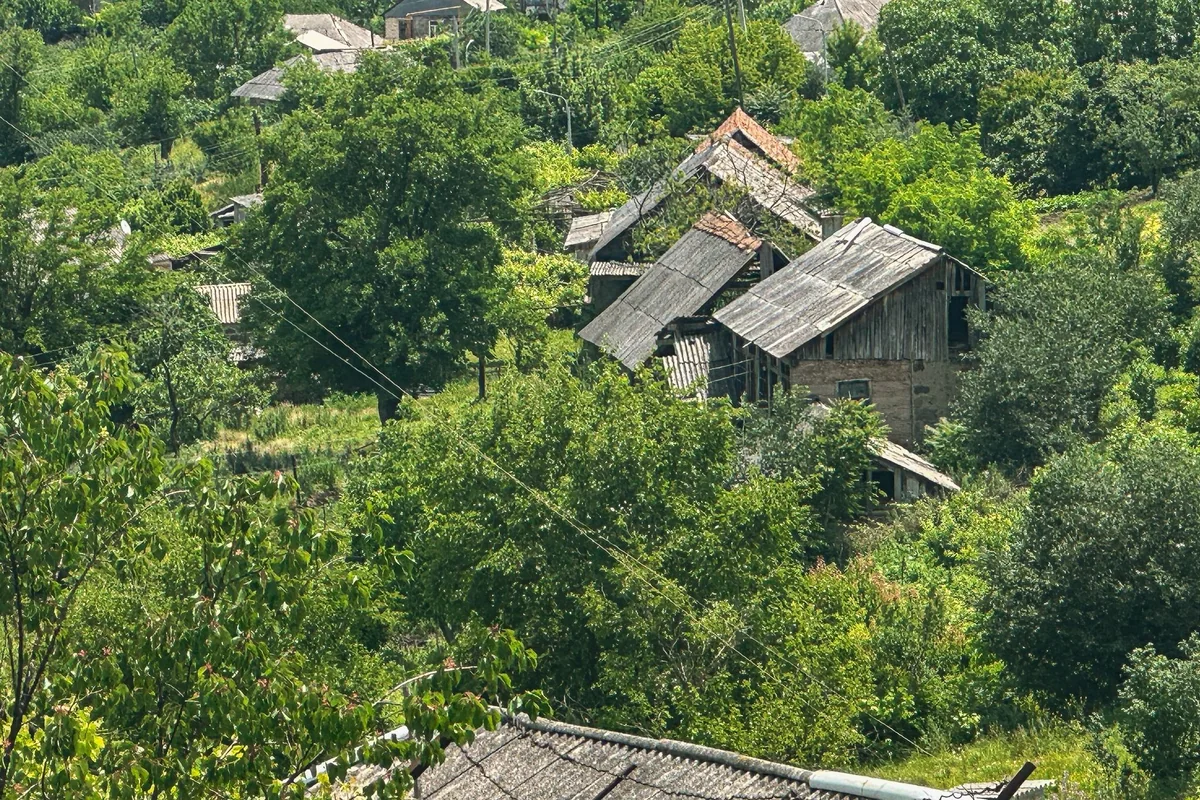
During the Tsarist period, the village was called Chochkan-Ayrum and Ayrum, and during the Soviet period, Mets Ayrum. Its name is associated with the Turkic Ayrum tribe. During the Soviet period, a new village, Kichik Ayrum (Lesser Ayrum), was formed nearby, which was recorded separately in statistical data starting in 1926. Meanwhile, the original village itself began to be mentioned in sources under the name Mets Ayrum (Great Ayrum).
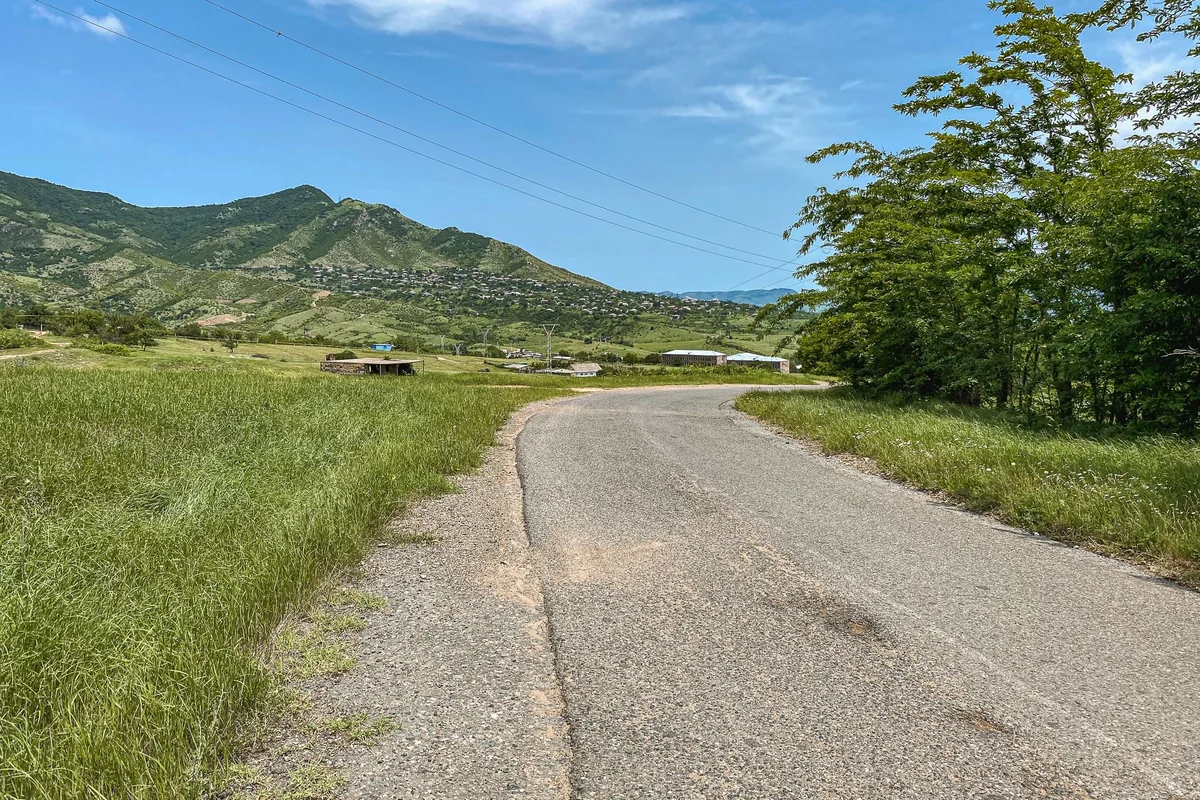
Since 1995, the village has been part of the Lori Province of Armenia. During the period of Tsarist Russia, the village was part of the Borchaly Uyezd of the Tiflis Governorate. According to statistical data from the Tsarist period, which are also cited in Armenian sources, at various times up to 1914, the village was inhabited exclusively or predominantly by the ancestors of Azerbaijanis.
According to the Collection of Statistical Data on the Population of the Transcaucasian Territory, Extracted from Family Lists, 171 people lived in the village in 1886.
According to the Caucasian Calendar for 1915, 381 people lived in the village in 1914.
On May 29, 1918, the government of the Azerbaijan Democratic Republic (ADR) ceded Erivan, now Yerevan, and some adjacent territories to the Armenians. Thus, the First Republic of Armenia was established on land historically inhabited by the ancestors of modern Azerbaijanis. In the very first months of its existence, it began making territorial claims against neighboring countries, including Georgia. Because of this, the Armenian–Georgian War broke out in December 1918.
As a result of an agreement concluded between the parties in January 1919, the Borchaly Uyezd was effectively divided: its northern part remained under Georgian control, the southern part under Armenian control, and the Lori Neutral Zone was established between them. The village of Ayrum fell within this zone, which was initially under British control.
At the end of 1920, Soviet power was proclaimed in Armenia, and in 1921, the communist regime was firmly established in the country. In July 1921, the Caucasian Bureau of the Bolshevik Party decided to incorporate the Lori Neutral Zone into Soviet Armenia.
During the Soviet period, the village was part of the Alaverdi District, later renamed Tumanyan District. According to Armenian sources, Azerbaijanis lived in the village until the late 1980s.
In the 1920s, part of the village's population resettled and formed the village of Kichik Ayrum.
In 1922, 454 people lived in the village, all of them Azerbaijanis.
In the Dictionary of Toponyms of Armenia and Adjacent Regions by T. Kh. Hakobyan, St. T. Melik-Bakhshyan, and H. Kh. Barseghyan, it is noted that 467 people lived in the village in 1989.
In the late 1980s, as a result of Armenian territorial claims to Garabagh and the escalation of tensions between the two republics, Azerbaijanis were completely expelled from the territory of the Armenian SSR.
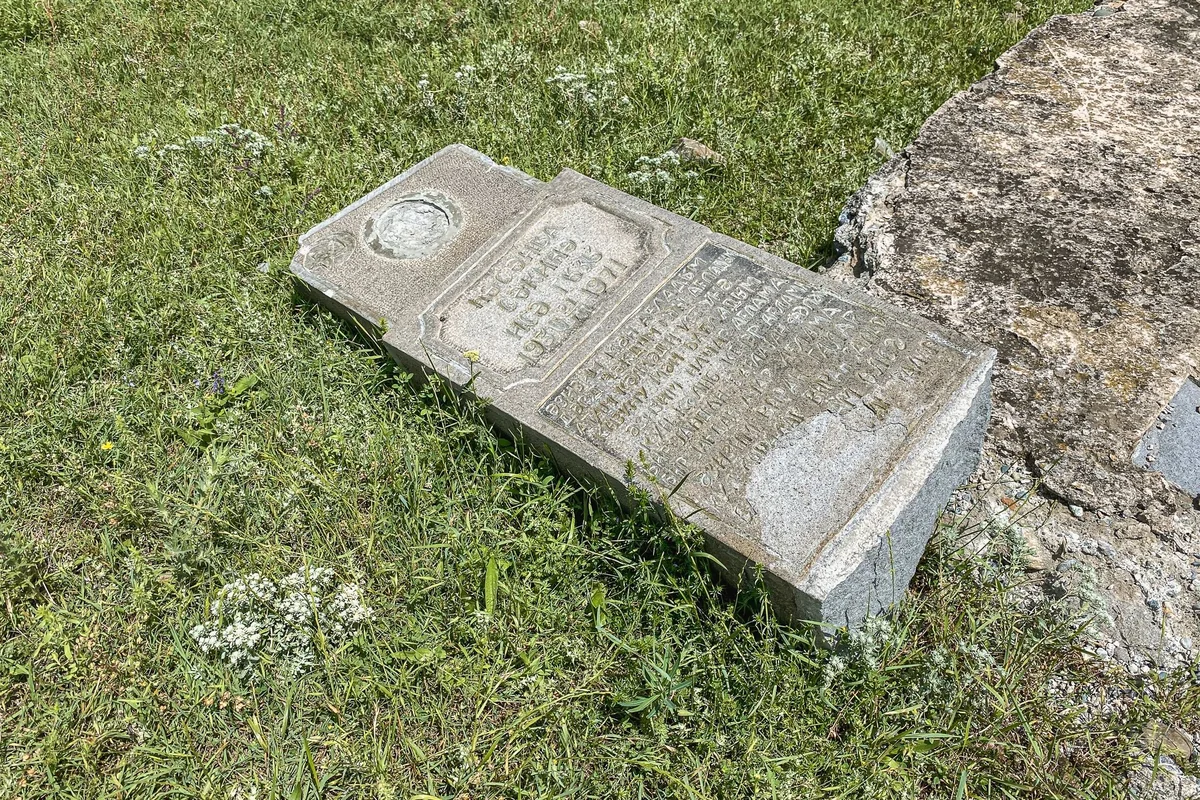
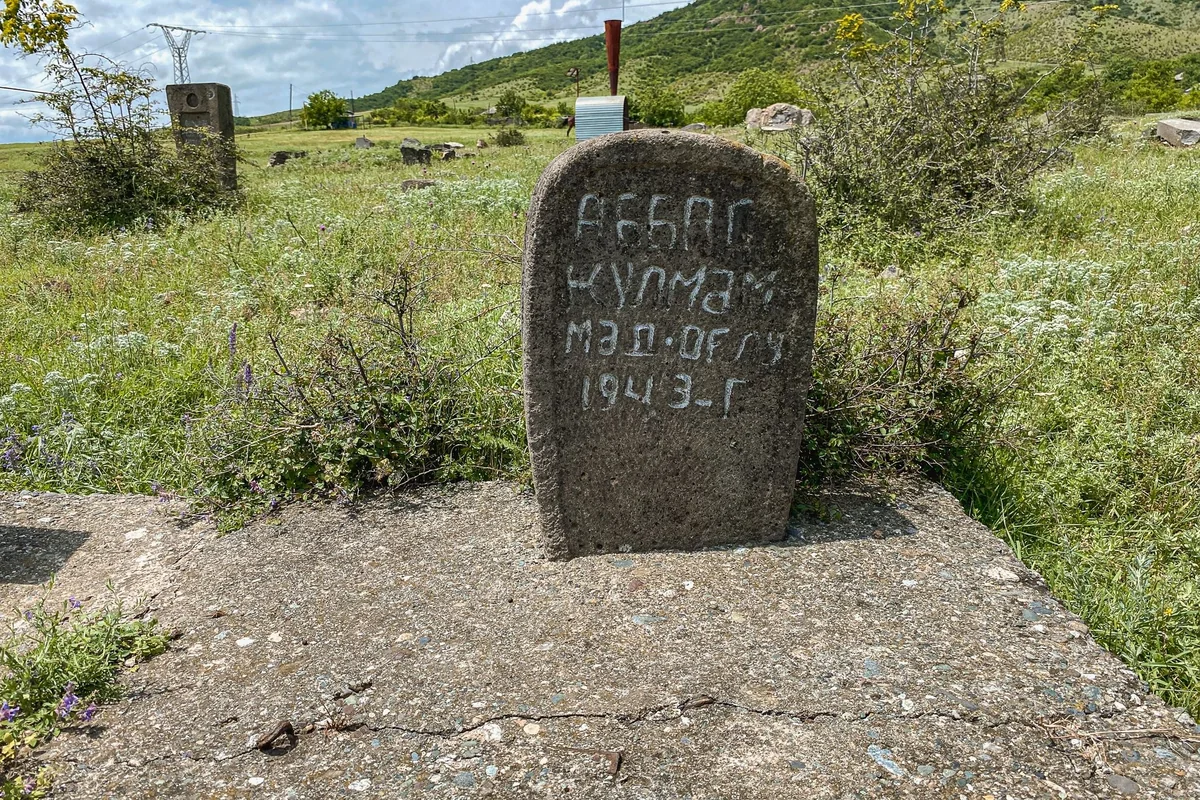
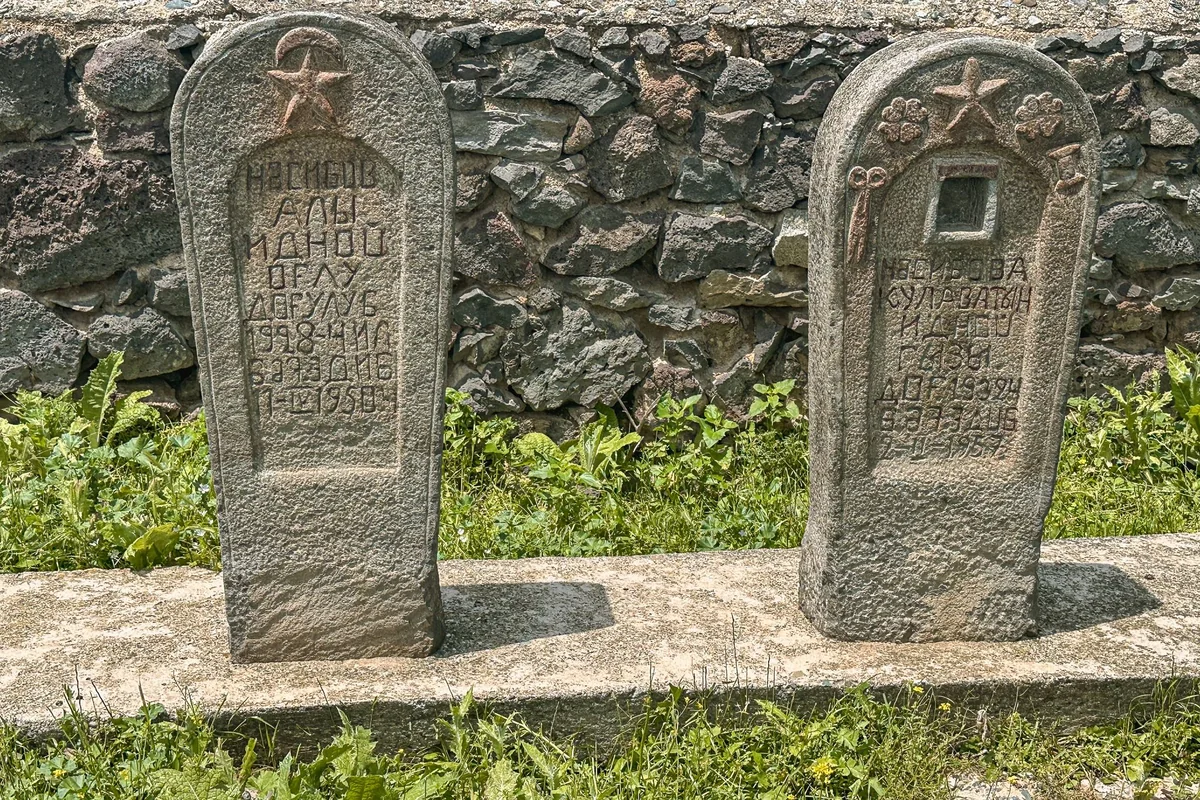
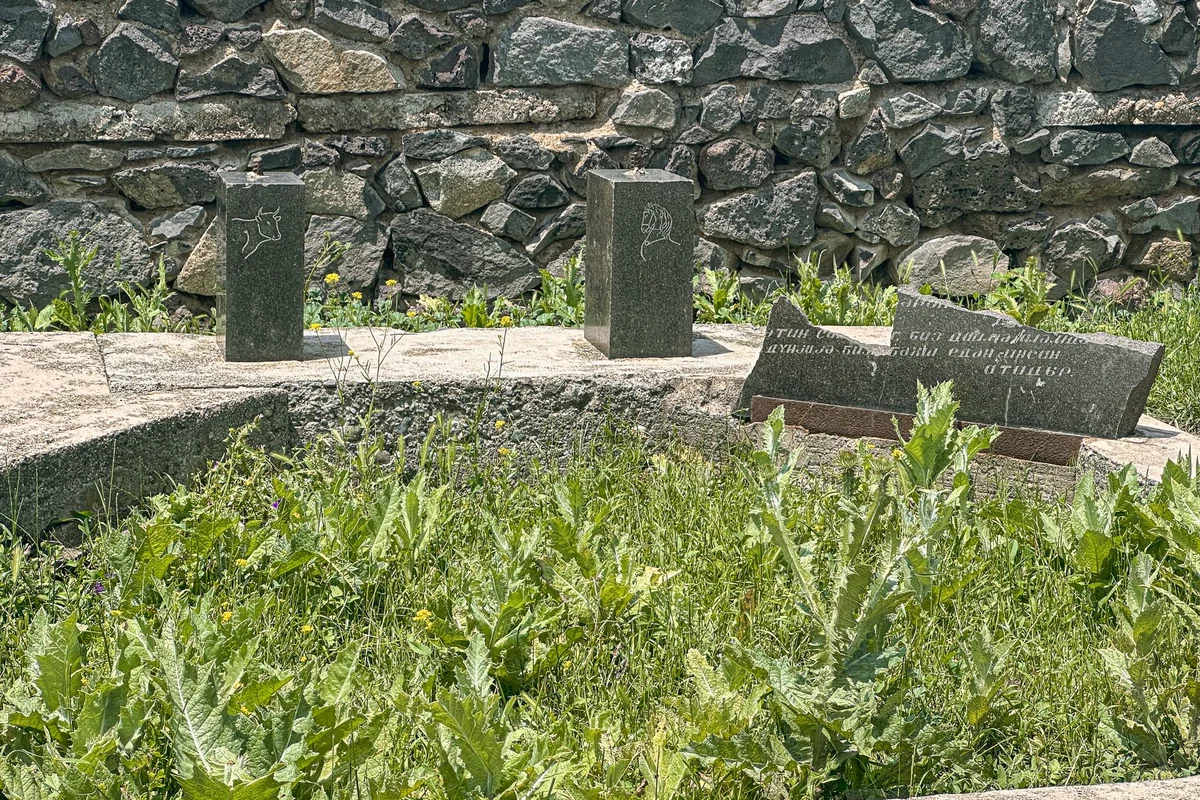
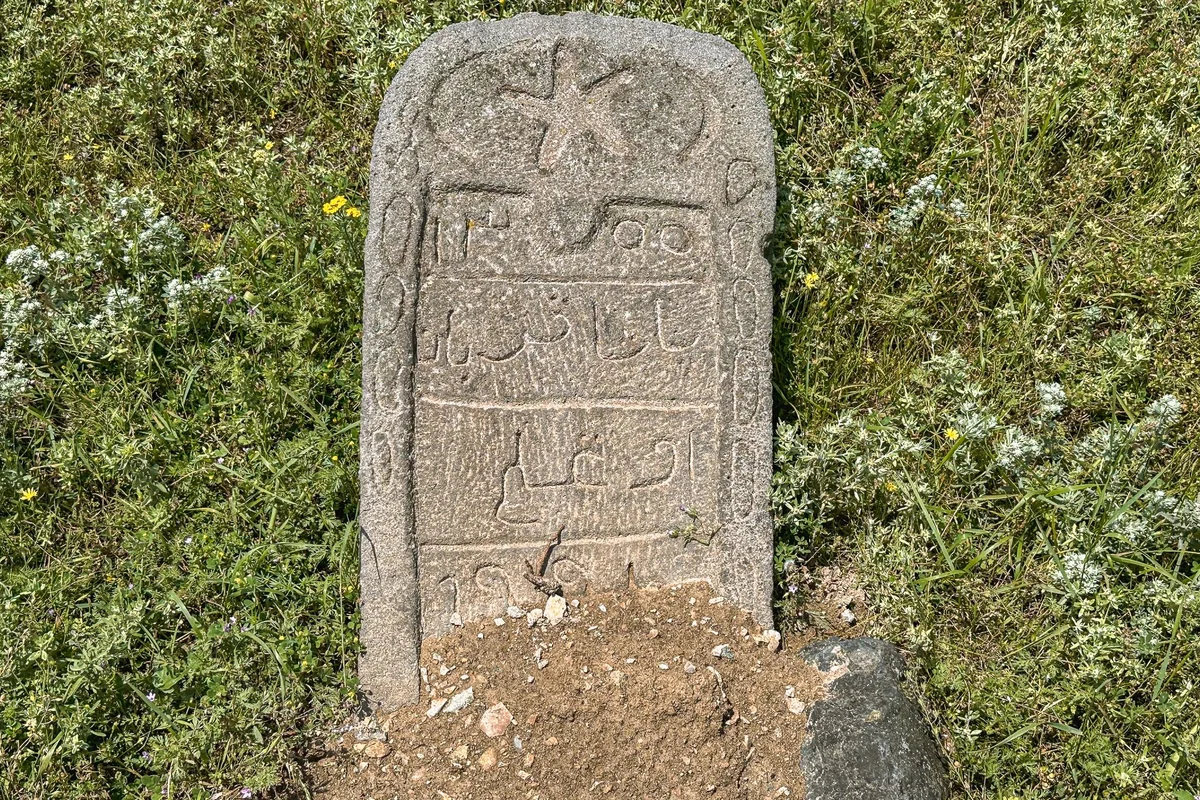
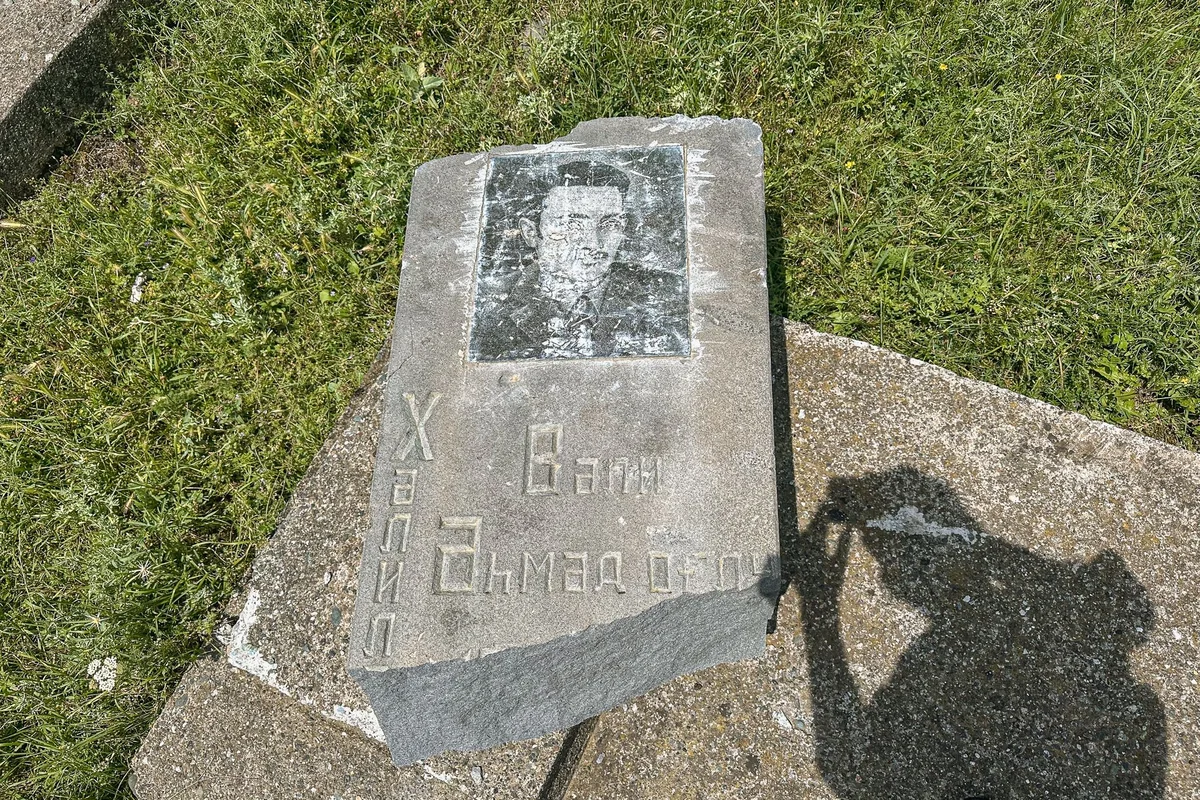
In 2021–2024, as part of preparations for the book Perished Civilization, large-scale fieldwork was conducted across Armenia, including in remote mountainous areas, to identify and document surviving sites of Azerbaijani heritage. During this work, an Azerbaijani cemetery with several dozen gravestones, some of which have been preserved, was discovered in the village.