United Nations

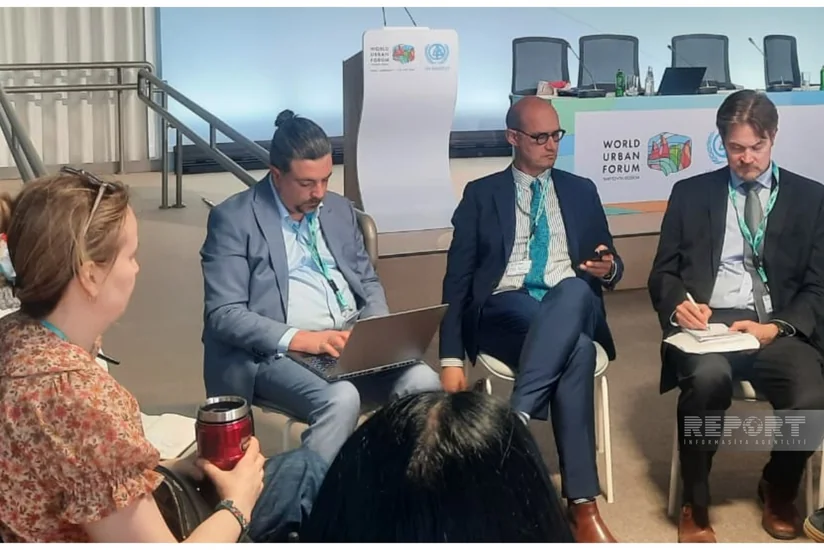
UN: Urban climate security is new and emerging field
Infrastructure

UN: Urban climate security is new and emerging field

  • 21 May, 2026
  • 13:47
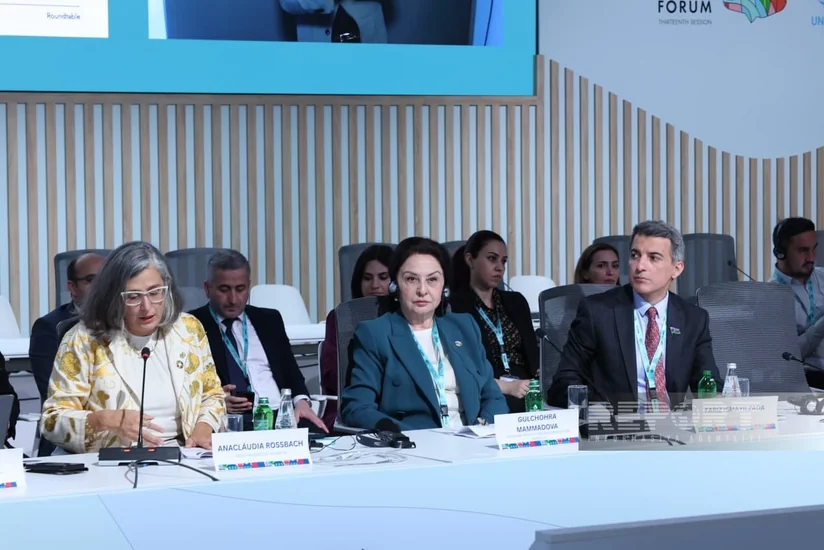
Rossbach: Skills development remains priority for UN-Habitat
Infrastructure

Rossbach: Skills development remains priority for UN-Habitat

  • 21 May, 2026
  • 13:45
UN says 'climate-peace-security' approach important
Infrastructure

UN says 'climate-peace-security' approach important

  • 21 May, 2026
  • 13:43
UN: Climate, peace, security need integrated action
Infrastructure

UN: Climate, peace, security need integrated action

  • 21 May, 2026
  • 13:37
UN: Climate migration takes urban security to new stage
Infrastructure

UN: Climate migration takes urban security to new stage

  • 21 May, 2026
  • 13:36
UN official: Climate security regarded as major challenge at intersection of urban planning and peace
Infrastructure

UN official: Climate security regarded as major challenge at intersection of urban planning and peace

  • 21 May, 2026
  • 13:34
Rossbach: Effective housing policy will help preserve water resources
Infrastructure

Rossbach: Effective housing policy will help preserve water resources

  • 21 May, 2026
  • 13:30
Climate change acts as risk multiplier for peace and security, UNEP adviser says
Infrastructure

Climate change acts as risk multiplier for peace and security, UNEP adviser says

  • 21 May, 2026
  • 13:25
Rafiyev: Int'l community must help humanitarian demining activities
Foreign policy

Rafiyev: Int'l community must help humanitarian demining activities

  • 21 May, 2026
  • 13:14
UN-Habitat: Human rights should remain at center of countries' housing policies
Infrastructure

UN-Habitat: Human rights should remain at center of countries' housing policies

  • 21 May, 2026
  • 13:13
UN-Habitat: 'Necessary to change our approach to informal settlements'
Infrastructure

UN-Habitat: 'Necessary to change our approach to informal settlements'

  • 21 May, 2026
  • 13:06
Crisis in Middle East, IDPs issues discussed at WUF13 in Baku
Foreign policy

Crisis in Middle East, IDPs issues discussed at WUF13 in Baku

  • 21 May, 2026
  • 13:04
Henk Ovink: Water resources overused and not managed properly
Infrastructure

Henk Ovink: Water resources overused and not managed properly

  • 21 May, 2026
  • 12:57
UN-Habitat official: Many universities worldwide not integrated with cities
Infrastructure

UN-Habitat official: Many universities worldwide not integrated with cities

  • 21 May, 2026
  • 12:52
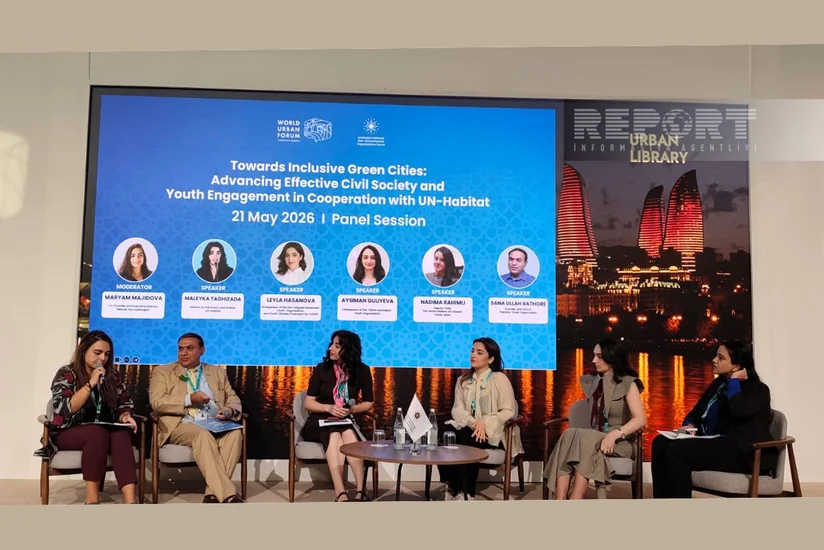
WUF13 hosts event on Youth and Civil Society Leadership
Domestic policy

WUF13 hosts event on Youth and Civil Society Leadership

  • 21 May, 2026
  • 12:37
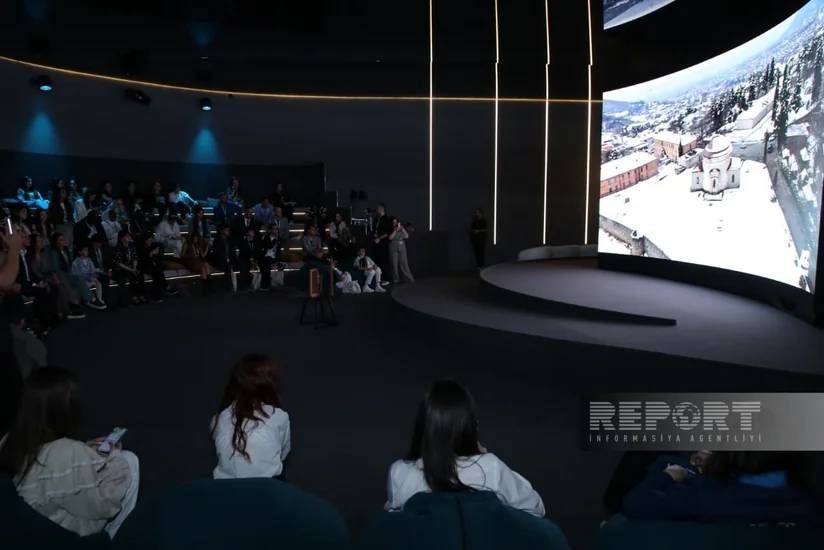
Documentary about Azerbaijan's Shaki screened in Baku as part of WUF13
Cultural policy Photo

Documentary about Azerbaijan's Shaki screened in Baku as part of WUF13

  • 21 May, 2026
  • 12:03
1 ... 34 35 36 37 38 ... 103

United Nations: Structure, Core Purposes, Principal Organs, and Operations

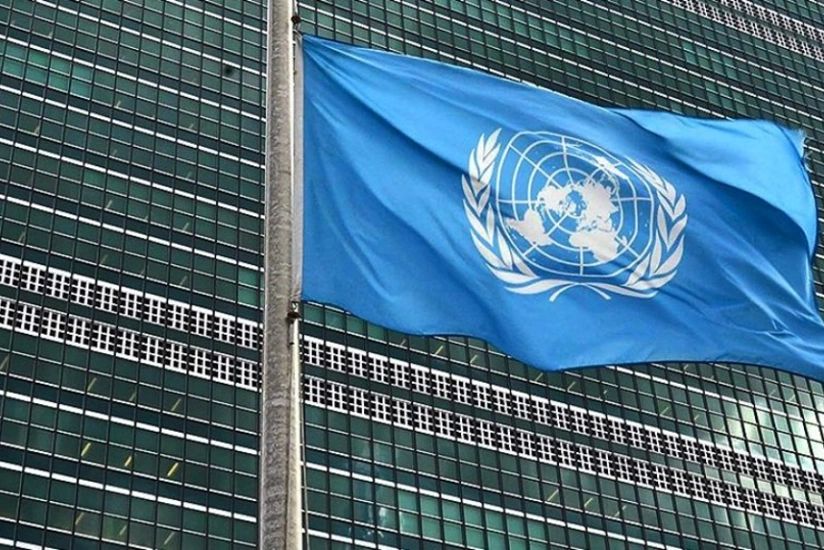
United Nations (commonly known as the UN) is a global international organization founded on October 24, 1945, following the devastation of World War II, with the primary mandate to maintain international peace and security, develop friendly relations among nations, and promote international cooperation. Succeeding the ineffective League of Nations, the UN currently unites nearly all recognized sovereign states worldwide—totaling 193 member states.

1. Fundamental Purposes and Principles

Peace and Security: Preventing armed conflict, mediating international disputes through diplomatic channels, and deploying peacekeeping missions to stabilize post-conflict zones.

Human Rights and Sustainable Development: Safeguarding fundamental human freedoms, combating discrimination, eradicating extreme poverty, providing humanitarian relief, and executing the ambitious Sustainable Development Goals (SDGs).

2. Principal Organs of the UN

General Assembly: The main deliberative, policymaking, and representative organ of the UN, comprising all member states (each holding a single vote) to debate global issues and adopt non-binding resolutions.

Security Council: The powerful executive organ bearing primary responsibility for maintaining international peace and security. It consists of 15 members, including five permanent veto-wielding powers—often known as the P5 (China, France, Russia, the United Kingdom, and the United States)—and ten rotating non-permanent members elected for two-year terms.

Secretariat: The administrative engine of the organization, headed by the Secretary-General, carrying out day-to-day operations, field missions, and research.

International Court of Justice (ICJ): The principal judicial organ of the UN, located in The Hague, Netherlands, which adjudicates legal disputes submitted by states and provides advisory opinions on legal questions.

Economic and Social Council (ECOSOC): The central platform coordinating economic, social, and environmental work across the vast network of UN specialized agencies.

3. Specialized Agencies, Programs, and Funds

Global Network: The UN system encompasses numerous autonomous specialized bodies and operational programs addressing specific global challenges, including the World Health Organization (WHO), UNESCO, UNICEF, the UN Development Programme (UNDP), and the UN High Commissioner for Refugees (UNHCR).