United Nations

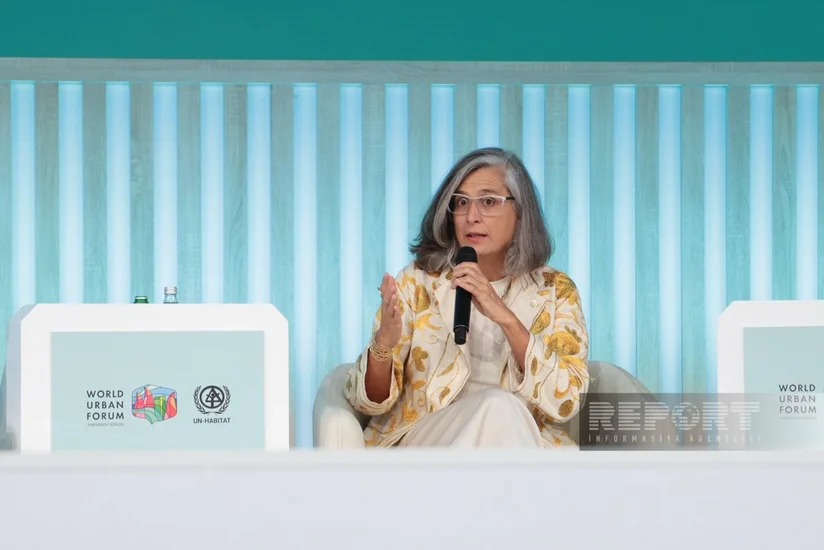
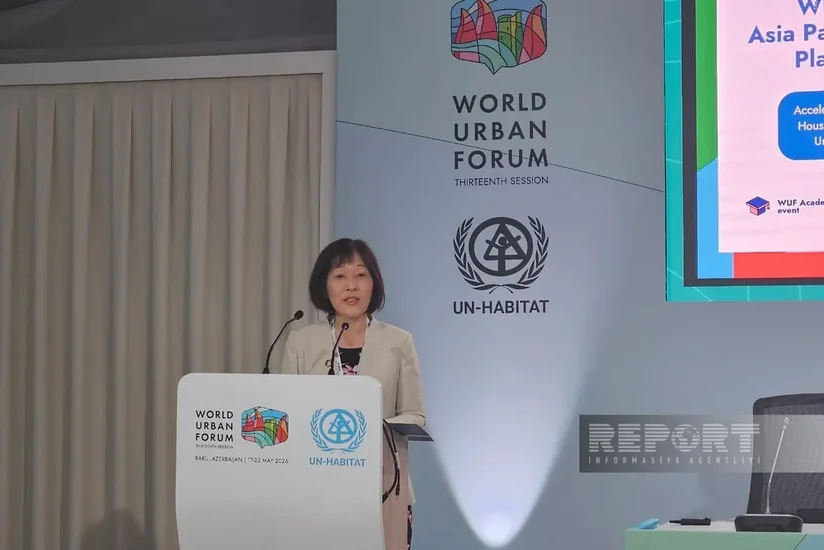
UN-Habitat: Informal settlements must be removed, new homes built
Infrastructure

UN-Habitat: Informal settlements must be removed, new homes built

  • 21 May, 2026
  • 10:09
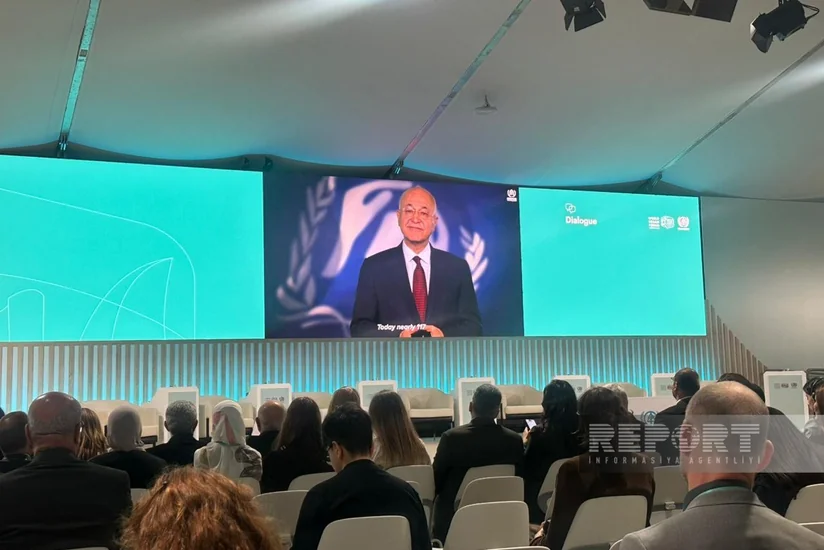
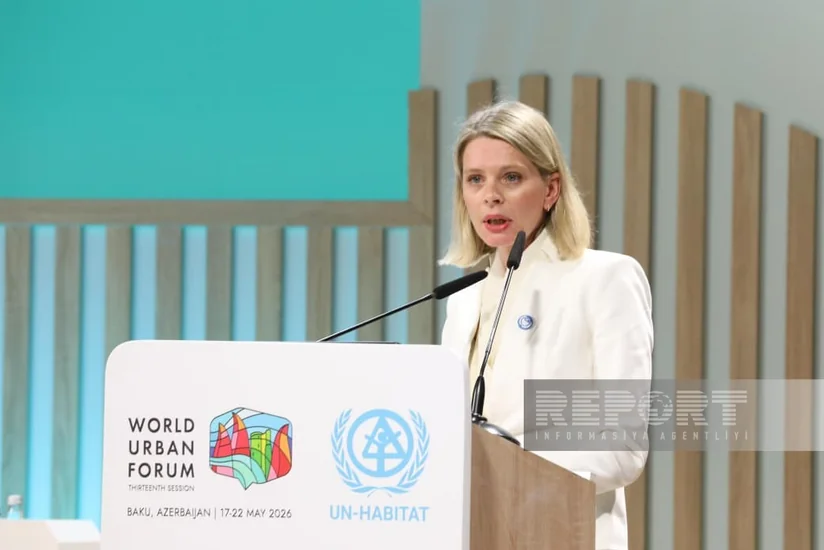
Barham Salih: Today nearly 117 million people are forcibly displaced
Other

Barham Salih: Today nearly 117 million people are forcibly displaced

  • 21 May, 2026
  • 09:59
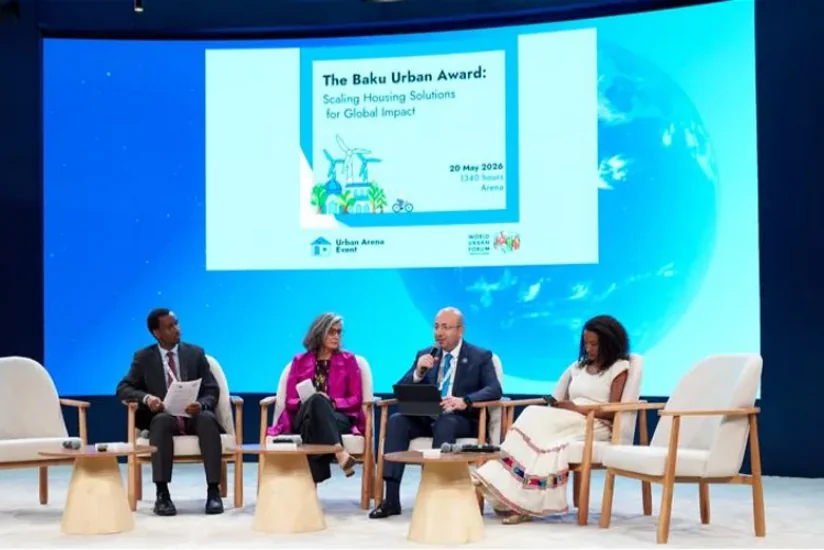
International Baku Urban Award established
Infrastructure Photo

International Baku Urban Award established

  • 20 May, 2026
  • 20:34
Ministry of Ecology holds event on combating plastic pollution
Ecology Photo

Ministry of Ecology holds event on combating plastic pollution

  • 20 May, 2026
  • 19:58
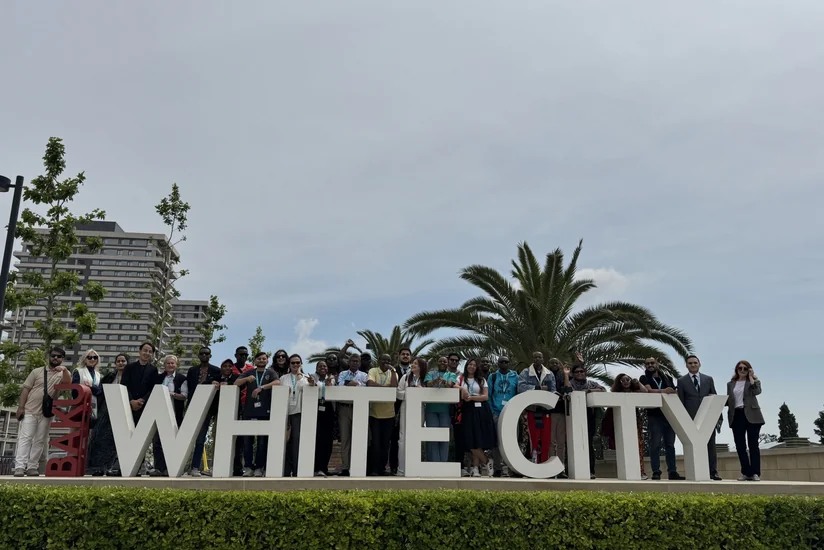
Media tour of Baku organized for foreign journalists during WUF13
Media Photo

Media tour of Baku organized for foreign journalists during WUF13

  • 20 May, 2026
  • 19:53
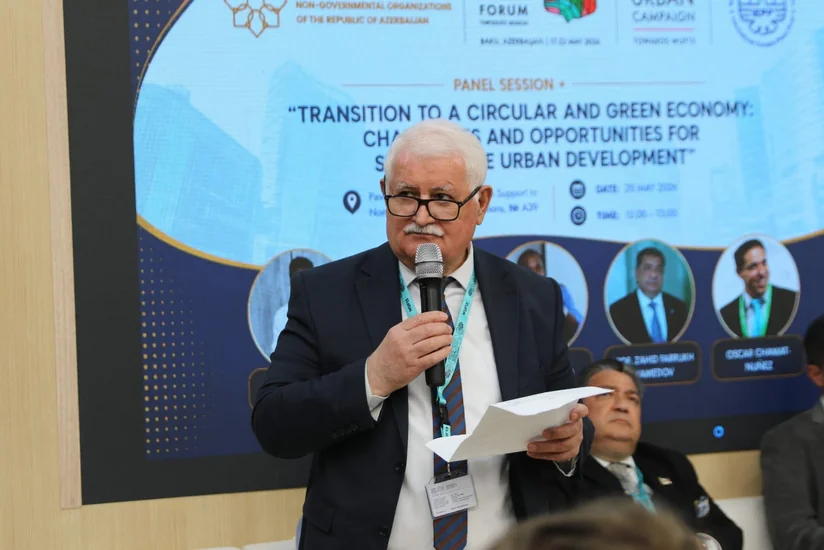
IEPF holds 'Transition to Circular and Green Economy' event at WUF13
Infrastructure Photo

IEPF holds 'Transition to Circular and Green Economy' event at WUF13

  • 20 May, 2026
  • 19:50
Azerbaijan to host World Environment Day on June 5
Ecology Photo

Azerbaijan to host World Environment Day on June 5

  • 20 May, 2026
  • 19:42
Egyptian governor: Informal sector must be involved in waste collection
Infrastructure

Egyptian governor: Informal sector must be involved in waste collection

  • 20 May, 2026
  • 19:18
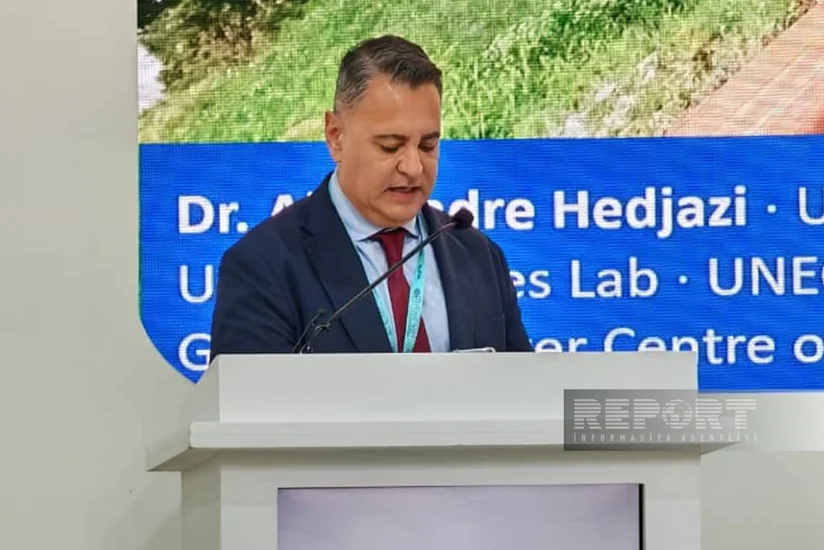
Hedjazi: Karabakh can become model for reconstruction aligned with SDGs
Karabakh

Hedjazi: Karabakh can become model for reconstruction aligned with SDGs

  • 20 May, 2026
  • 18:54
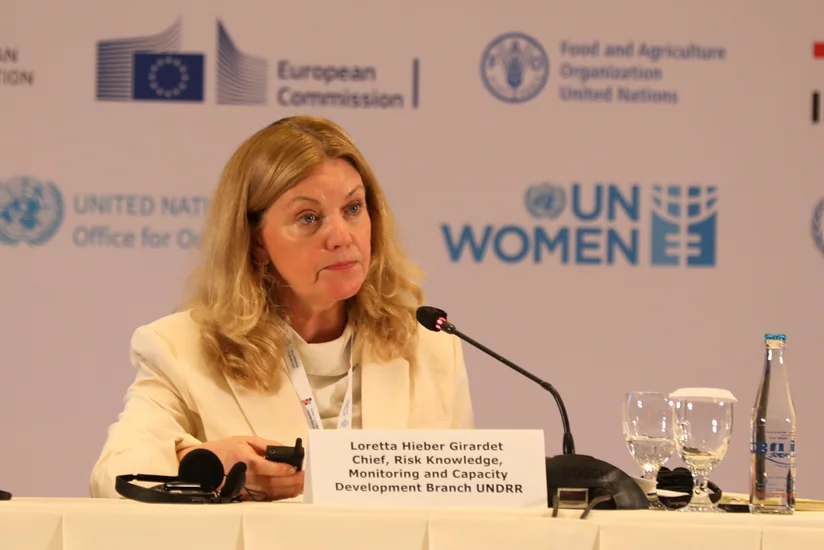
Loretta Girardet: Resilient society must be ready for environmental, technological hazards
Infrastructure

Loretta Girardet: Resilient society must be ready for environmental, technological hazards

  • 20 May, 2026
  • 18:45
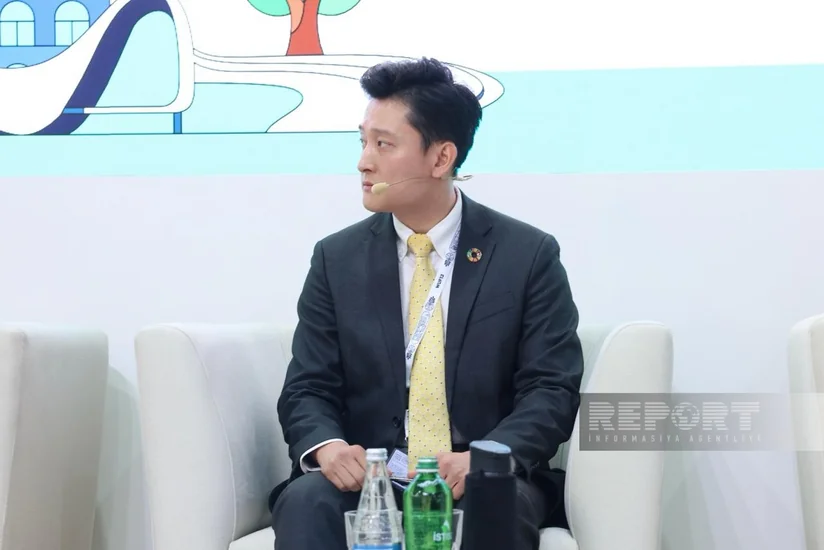
Runze Wang: Migration management should be part of urban planning
Foreign policy

Runze Wang: Migration management should be part of urban planning

  • 20 May, 2026
  • 18:41
Azerbaijan, UN-Habitat prepare new urban planning training tool
Infrastructure

Azerbaijan, UN-Habitat prepare new urban planning training tool

  • 20 May, 2026
  • 18:11
UN-Habitat expert: Only 0.6% of global GDP spent on culture
Infrastructure

UN-Habitat expert: Only 0.6% of global GDP spent on culture

  • 20 May, 2026
  • 18:07
UN agencies create joint platform for urban resilience
Infrastructure

UN agencies create joint platform for urban resilience

  • 20 May, 2026
  • 18:04
UN-Habitat: 80% of housing affected by climate change
Infrastructure

UN-Habitat: 80% of housing affected by climate change

  • 20 May, 2026
  • 17:50
UNCCD: Global drought up nearly 33% since 2000
Infrastructure

UNCCD: Global drought up nearly 33% since 2000

  • 20 May, 2026
  • 17:49
1 ... 36 37 38 39 40 ... 103

United Nations: Structure, Core Purposes, Principal Organs, and Operations

United Nations (commonly known as the UN) is a global international organization founded on October 24, 1945, following the devastation of World War II, with the primary mandate to maintain international peace and security, develop friendly relations among nations, and promote international cooperation. Succeeding the ineffective League of Nations, the UN currently unites nearly all recognized sovereign states worldwide—totaling 193 member states.

1. Fundamental Purposes and Principles

Peace and Security: Preventing armed conflict, mediating international disputes through diplomatic channels, and deploying peacekeeping missions to stabilize post-conflict zones.

Human Rights and Sustainable Development: Safeguarding fundamental human freedoms, combating discrimination, eradicating extreme poverty, providing humanitarian relief, and executing the ambitious Sustainable Development Goals (SDGs).

2. Principal Organs of the UN

General Assembly: The main deliberative, policymaking, and representative organ of the UN, comprising all member states (each holding a single vote) to debate global issues and adopt non-binding resolutions.

Security Council: The powerful executive organ bearing primary responsibility for maintaining international peace and security. It consists of 15 members, including five permanent veto-wielding powers—often known as the P5 (China, France, Russia, the United Kingdom, and the United States)—and ten rotating non-permanent members elected for two-year terms.

Secretariat: The administrative engine of the organization, headed by the Secretary-General, carrying out day-to-day operations, field missions, and research.

International Court of Justice (ICJ): The principal judicial organ of the UN, located in The Hague, Netherlands, which adjudicates legal disputes submitted by states and provides advisory opinions on legal questions.

Economic and Social Council (ECOSOC): The central platform coordinating economic, social, and environmental work across the vast network of UN specialized agencies.

3. Specialized Agencies, Programs, and Funds

Global Network: The UN system encompasses numerous autonomous specialized bodies and operational programs addressing specific global challenges, including the World Health Organization (WHO), UNESCO, UNICEF, the UN Development Programme (UNDP), and the UN High Commissioner for Refugees (UNHCR).