United Nations

Pavlo Frolov: Ukraine lacks specialists for housing projects
Infrastructure

Pavlo Frolov: Ukraine lacks specialists for housing projects

  • 21 May, 2026
  • 17:02
Sampayo: Community dialogue plays key role in strengthening security, trust
Infrastructure

Sampayo: Community dialogue plays key role in strengthening security, trust

  • 21 May, 2026
  • 16:57
Chwas Sabir: Population growth intensifies environmental problems in Iraq
Infrastructure

Chwas Sabir: Population growth intensifies environmental problems in Iraq

  • 21 May, 2026
  • 16:32
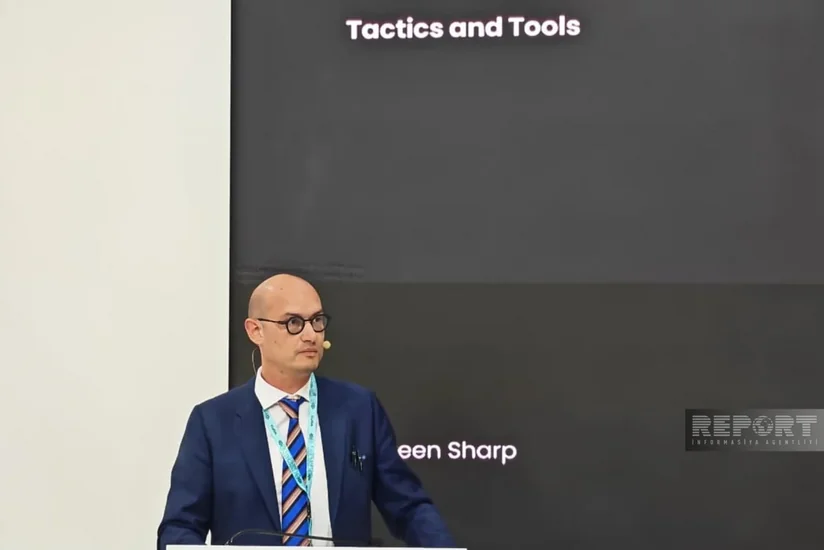
Deen Sharp: Urbanization, climate tensions are not inevitable
Infrastructure

Deen Sharp: Urbanization, climate tensions are not inevitable

  • 21 May, 2026
  • 16:31
UN: Local communities should be key in addressing environmental challenges
Infrastructure

UN: Local communities should be key in addressing environmental challenges

  • 21 May, 2026
  • 16:26
Rossbach: Housing deficit in Africa will exceed 130 million units by 2030
Infrastructure

Rossbach: Housing deficit in Africa will exceed 130 million units by 2030

  • 21 May, 2026
  • 16:18
UN: Africa's population to reach 2.5 billion by 2025
Other countries

UN: Africa's population to reach 2.5 billion by 2025

  • 21 May, 2026
  • 16:13
UN-Habitat developes concept for Iraq's Erbil
Infrastructure

UN-Habitat developes concept for Iraq's Erbil

  • 21 May, 2026
  • 16:02
Ranalder: New climate plans could help increase city-level financing
Ecology

Ranalder: New climate plans could help increase city-level financing

  • 21 May, 2026
  • 15:54
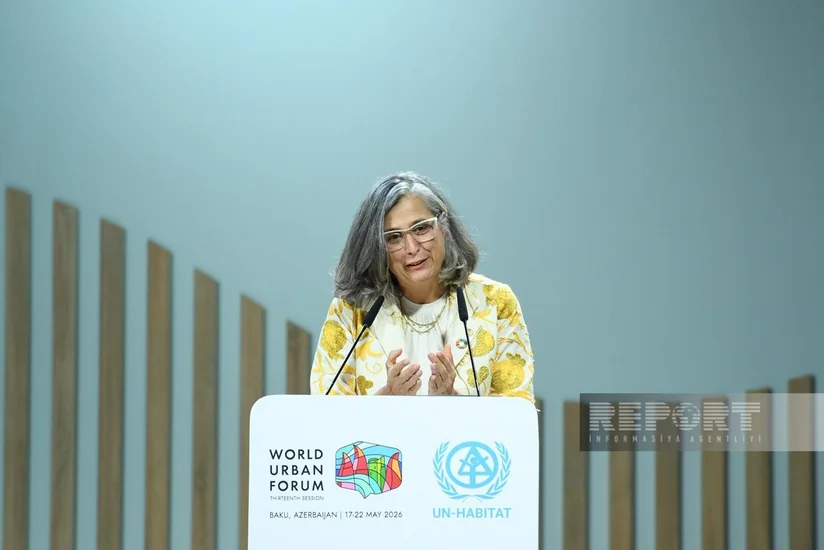
Mladen Ivanić identifies key players in tackling housing crisis
Foreign policy

Mladen Ivanić identifies key players in tackling housing crisis

  • 21 May, 2026
  • 15:52
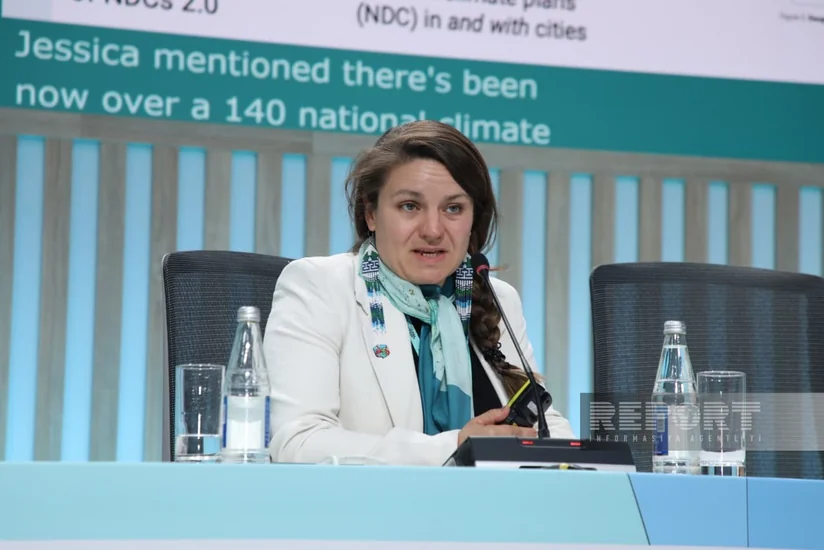
Lea Ranalder: Cities become key element of national climate strategies
Foreign policy

Lea Ranalder: Cities become key element of national climate strategies

  • 21 May, 2026
  • 15:51
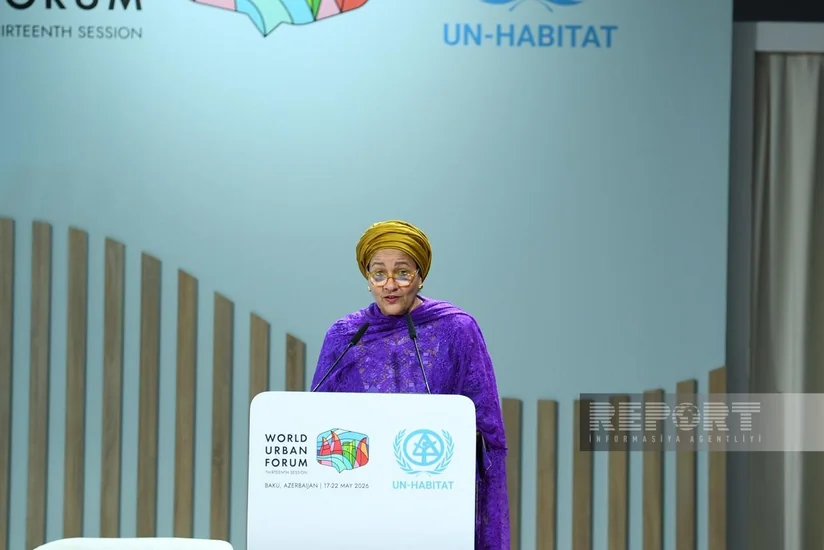
UN: Urban resilience cannot be reduced to physical infrastructure alone
Infrastructure

UN: Urban resilience cannot be reduced to physical infrastructure alone

  • 21 May, 2026
  • 15:49
Coordinator: Water agenda formed at WUF13 in Baku to continue in Abu Dhabi
Infrastructure

Coordinator: Water agenda formed at WUF13 in Baku to continue in Abu Dhabi

  • 21 May, 2026
  • 15:47
Kovari: Karabakh, Eastern Zangazur being restored with due consideration for their historical heritage, natural environment
Infrastructure

Kovari: Karabakh, Eastern Zangazur being restored with due consideration for their historical heritage, natural environment

  • 21 May, 2026
  • 15:18
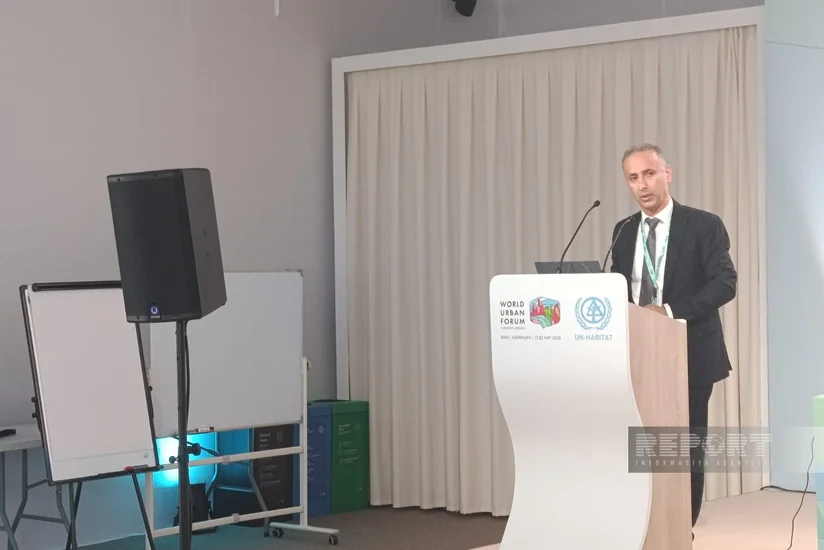
UN-Habitat: WUF13 format differs from previous sessions
Foreign policy

UN-Habitat: WUF13 format differs from previous sessions

  • 21 May, 2026
  • 15:09
Rossbach urges politicians to better understand solutions to housing problems
Foreign policy

Rossbach urges politicians to better understand solutions to housing problems

  • 21 May, 2026
  • 15:06
1 ... 32 33 34 35 36 ... 103

United Nations: Structure, Core Purposes, Principal Organs, and Operations

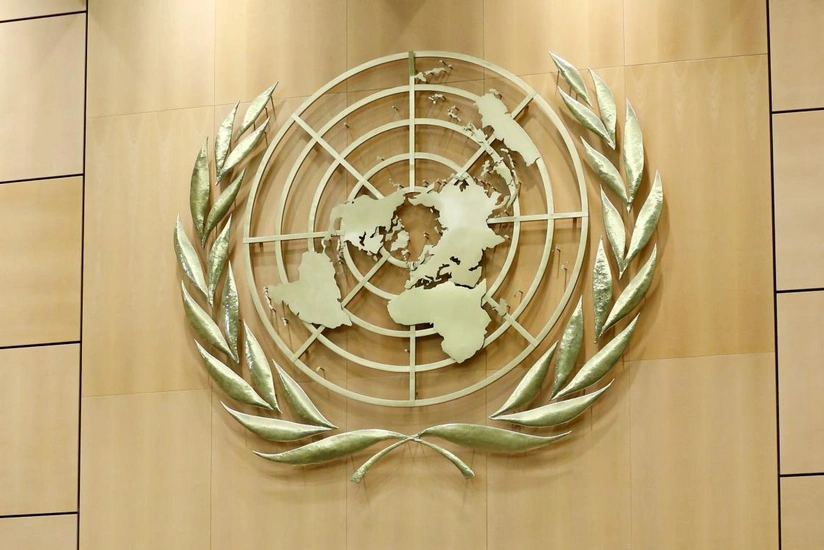
United Nations (commonly known as the UN) is a global international organization founded on October 24, 1945, following the devastation of World War II, with the primary mandate to maintain international peace and security, develop friendly relations among nations, and promote international cooperation. Succeeding the ineffective League of Nations, the UN currently unites nearly all recognized sovereign states worldwide—totaling 193 member states.

1. Fundamental Purposes and Principles

Peace and Security: Preventing armed conflict, mediating international disputes through diplomatic channels, and deploying peacekeeping missions to stabilize post-conflict zones.

Human Rights and Sustainable Development: Safeguarding fundamental human freedoms, combating discrimination, eradicating extreme poverty, providing humanitarian relief, and executing the ambitious Sustainable Development Goals (SDGs).

2. Principal Organs of the UN

General Assembly: The main deliberative, policymaking, and representative organ of the UN, comprising all member states (each holding a single vote) to debate global issues and adopt non-binding resolutions.

Security Council: The powerful executive organ bearing primary responsibility for maintaining international peace and security. It consists of 15 members, including five permanent veto-wielding powers—often known as the P5 (China, France, Russia, the United Kingdom, and the United States)—and ten rotating non-permanent members elected for two-year terms.

Secretariat: The administrative engine of the organization, headed by the Secretary-General, carrying out day-to-day operations, field missions, and research.

International Court of Justice (ICJ): The principal judicial organ of the UN, located in The Hague, Netherlands, which adjudicates legal disputes submitted by states and provides advisory opinions on legal questions.

Economic and Social Council (ECOSOC): The central platform coordinating economic, social, and environmental work across the vast network of UN specialized agencies.

3. Specialized Agencies, Programs, and Funds

Global Network: The UN system encompasses numerous autonomous specialized bodies and operational programs addressing specific global challenges, including the World Health Organization (WHO), UNESCO, UNICEF, the UN Development Programme (UNDP), and the UN High Commissioner for Refugees (UNHCR).