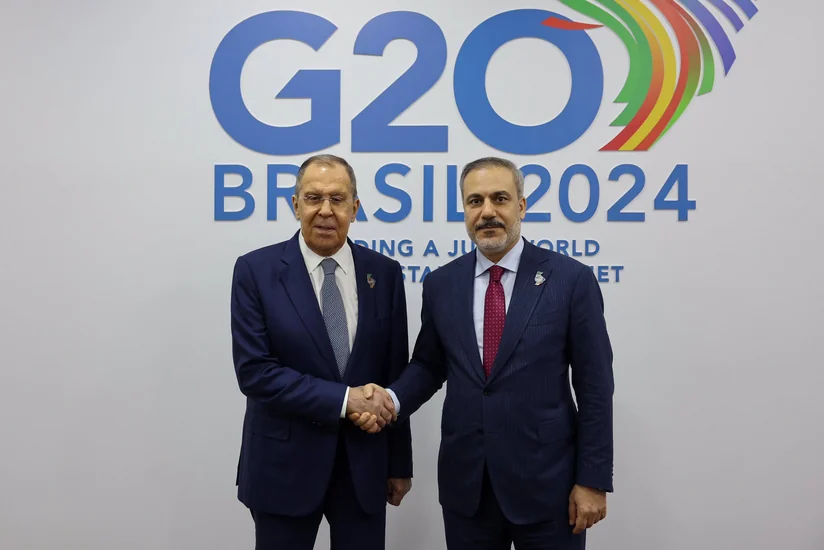
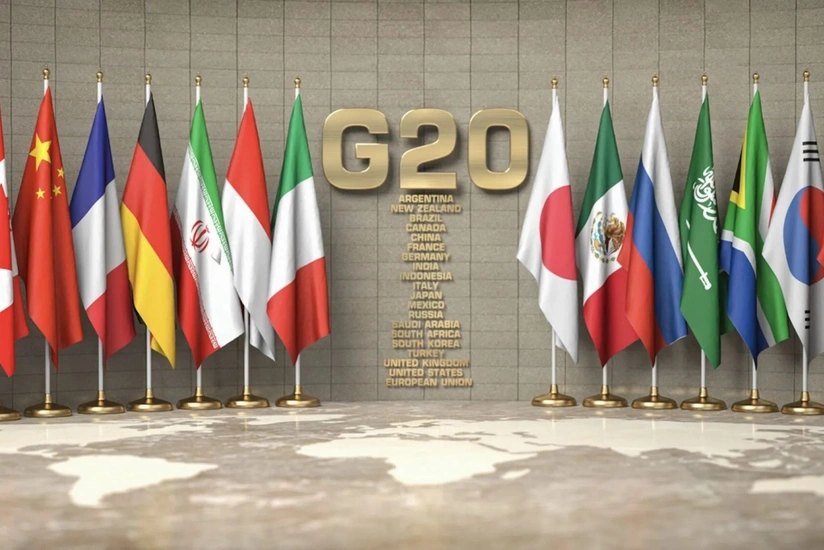
The Group of Twenty (G20), which traditionally unites the world's largest developed and developing economies (accounting for approximately 80% of global GDP and 75% of international trade), is experiencing its deepest institutional crisis since its founding by the spring of 2026.
Initially created as an effective mechanism for jointly overcoming global financial crises (as seen in 2008), the G20 format is paralyzed today. Against the backdrop of a large-scale regional war in the Middle East, blocked trade routes, and an aggressive sanctions policy, the "Group of Twenty" has de facto split into two irreconcilable camps.
In 2026, G20 summits and ministerial meetings are no longer a platform for developing unified economic strategies. Instead, they have turned into an arena for fierce political confrontation between the "Group of Seven" (G7) countries and the expanded BRICS bloc, acting on behalf of the Global South.
The Fault Line in the G20 Position of the "Collective West" (US, EU, Japan, etc.) Position of BRICS+ and the Global South (China, India, Brazil, etc.) Geopolitics and Conflicts Demanding strict condemnation of Iran and Russia in final communiqués. Promoting the isolation of rogue states. Categorical refusal to politicize the G20's economic platform. Accusing the West of double standards (particularly regarding the situations in Gaza and Lebanon). Financial System Maintaining the dominance of the US dollar and control over institutions (IMF, World Bank); using SWIFT as an instrument of pressure. Actively promoting de-dollarization, creating alternative payment systems, and record-breaking purchases of physical gold by Central Banks. Energy and Climate Accelerated energy transition; implementation of cross-border carbon taxes (CBAM) that severely impact developing nations. Demanding fair financing for the energy transition; defending the right to use fossil fuels to ensure economic growth.The spring 2026 sessions of G20 finance ministers and central bank governors are concluding without the signing of joint declarations. The global agenda is blocked by three unresolved macroeconomic shocks:
Logistical Collapse: The war in the Middle East and the actions of the Houthis in the Red Sea have severed traditional supply chains, triggering a new wave of global inflation.
Trade Fragmentation: The rise of protectionism, prohibitive tariffs between the US and China, as well as the policy of "friendshoring" (relocating production only to allied countries), are destroying the WTO's free trade principles that the G20 was meant to protect.
Debt Crisis: Record-high interest rates set by the US Federal Reserve have made foreign debt servicing unsustainable for dozens of the poorest countries. However, debt restructuring mechanisms within the G20 have stalled due to disagreements between Western creditors and China.
Although Azerbaijan is not a member of the G20, the paralysis of this mega-institution has direct strategic consequences for Baku. Report.az experts emphasize that the crisis of global multilateral governance paradoxically strengthens the positions of Middle Powers.
Alternative Logistics: The G20's inability to ensure the security of maritime trade through the Suez Canal has turned the Middle Corridor (TITR) passing through Azerbaijan into an indispensable overland artery between Asia and Europe.
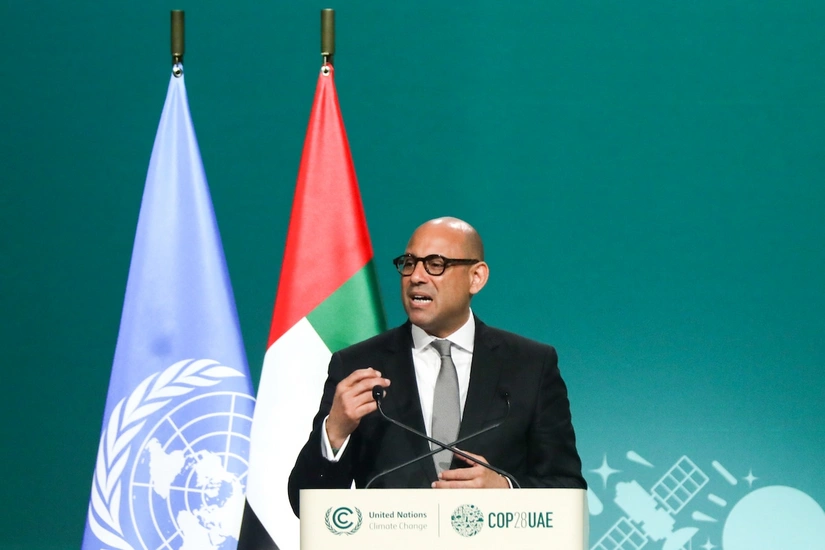
Energy Pragmatism: Amidst climate disputes within the "Group of Twenty," Azerbaijan (having successfully hosted COP29 in 2024) continues to act as a reliable and predictable supplier of energy resources, concluding direct bilateral contracts with European and Asian partners, bypassing dysfunctional global mechanisms.
Balancing Act: Baku successfully leverages the contradictions within the G20, maintaining strategic partnerships both with Western countries (energy, technology) and with the leaders of BRICS and the Non-Aligned Movement (trade, transit).
In the realities of 2026, the G20 format can no longer fulfill the function of a "global economic government." The world has transitioned into an era of transactional diplomacy, where regional alliances, bilateral agreements, and control over physical logistics mean far more than the vague declarations of paralyzed international forums.

 Baku 23° C