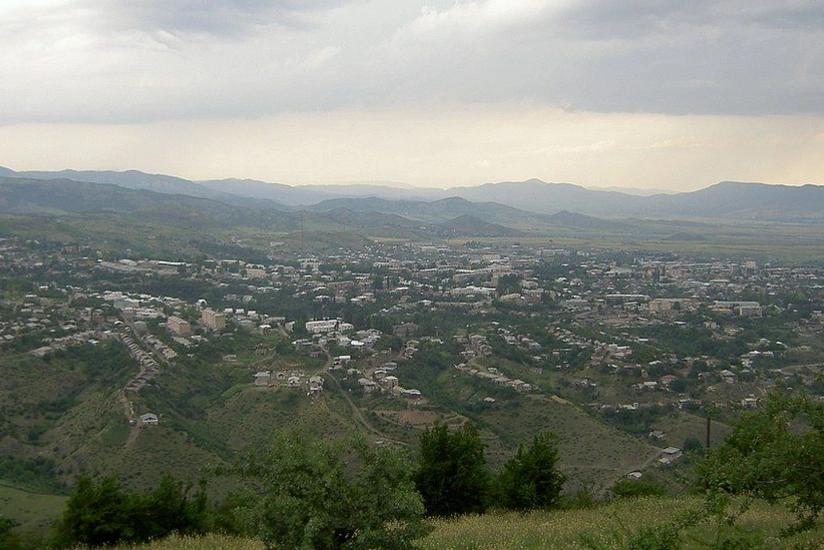
Armenia (officially the Republic of Armenia, arm. Հայաստան, Hayastan) is a landlocked sovereign state located in the South Caucasus region of Eurasia, at the crossroads of Eastern Europe and Western Asia. Bounded by Georgia to the north, Azerbaijan to the east, Iran to the south, and Turkey to the west, Armenia spans over 29,743 square kilometers within the rugged Armenian Highlands. As an ancient nation with its capital and largest city in Yerevan, Armenia is globally celebrated as the first state to adopt Christianity as its official religion (in 301 AD), boasting a profound cultural heritage, a resilient diaspora, and a strategic democratic political system.
Millennial Heritage: The history of Armenian civilization spans over three millennia, with the Kingdom of Urartu and subsequent ancient Armenian kingdoms flourishing across the Armenian Highlands since antiquity.
Cultural and Religious Identity: Armenia adopted Christianity in 301 AD under the guidance of St. Gregory the Illuminator, establishing the independent Armenian Apostolic Church, which has served as a vital pillar of national preservation through centuries of foreign domination.
Modern Statehood: Following centuries of partition between various empires (including Ottoman, Persian, and Russian), the First Republic of Armenia was established in 1918, followed by the Armenian Soviet Socialist Republic in 1920. Armenia regained its full independence on September 21, 1991, following the dissolution of the USSR.
Foreign Policy Strategy: Armenia pursues a multi-vector foreign policy aimed at balancing relations with Western democracies, the European Union, the United States, and traditional regional partners, while actively seeking to secure lasting peace and stability in the South Caucasus.
International Organizations: Armenia is an active member of the United Nations, the Council of Europe, the CIS, and the Eurasian Economic Union (EAEU), while simultaneously deepening political and economic dialogue with European institutions.
Global Diaspora: Due to historical tragedies, notably the Armenian Genocide of 1915, a vast and influential Armenian diaspora exists worldwide, contributing significantly to global culture, science, business, and politics.
Tech and Innovation Hub: Armenia has rapidly transformed into a prominent technological and software development hub in the South Caucasus, often referred to as the "Silicon Valley of the region," featuring a thriving startup ecosystem and robust engineering talent.
Agriculture and Viticulture: Blessed with unique volcanic soil and microclimates, Armenia is one of the world's oldest winemaking regions, renowned for its ancient grape varieties, vineyards in the Ararat Valley, brandy production, and rich agricultural harvests (pomegranates, apricots).
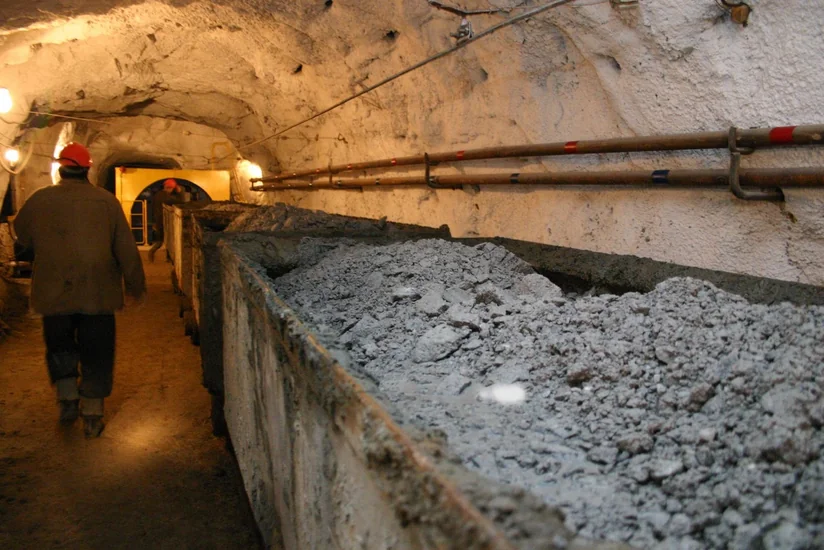
Mining and Industry: The country possesses significant mineral resources, including copper, molybdenum, and gold, which form a cornerstone of its industrial export sector.
Architectural Wonders: Armenia's landscape is dotted with medieval architectural masterpieces carved from volcanic tufa stone, including UNESCO World Heritage sites such as the monasteries of Haghpat, Sanahin, Etchmiadzin Cathedral, and Geghard.
Intangible Heritage: Traditional Armenian music (featuring instruments like the duduk), the unique Armenian alphabet created by Mesrop Mashtots in 405 AD, and rich culinary traditions (such as lavash baking) are inscribed in UNESCO's intangible cultural heritage lists.

 Baku 26° C