Türkiye (officially the Republic of Türkiye, tur. Türkiye Cumhuriyeti) is a transcontinental country located predominantly on the Anatolian Peninsula in Western Asia, with a smaller portion (Thrace) in Southeast Europe. Bounded by the Black Sea to the north, the Mediterranean Sea to the south, and the Aegean Sea to the west, it shares land borders with Greece and Bulgaria to the northwest, Georgia, Armenia, Azerbaijan, and Iran to the east, and Iraq and Syria to the south. Spanning over 783,562 square kilometers, Türkiye is a democratic presidential republic with its capital in Ankara and its largest metropolitan and financial hub in Istanbul. Positioned at the historical and geopolitical crossroads of Europe, Asia, and the Middle East, the nation plays a vital bridge-building role in international affairs.
Ancient Civilizations: Anatolia is one of the world's oldest continuously inhabited regions, serving as the cradle of numerous ancient civilizations, empires, and cultures, including the Hittites, Phrygians, Lydians, Greeks, Persians, the Roman Empire, and the Byzantine Empire.
Ottoman Empire: Following the conquests of the Seljuk Turks and the subsequent rise of the Ottoman Empire, Istanbul (formerly Constantinople) became the seat of a vast transcontinental superpower that spanned three continents for over six centuries.
Modern Republic: Following the aftermath of World War I and the Turkish War of Independence, the modern secular Republic of Türkiye was founded on October 29, 1923, under the leadership of Mustafa Kemal Atatürk, who implemented sweeping structural, political, and cultural reforms.
Strategic Crossroads: Controlling the Turkish Straits (the Bosphorus and the Dardanelles)—the vital maritime chokepoints connecting the Black Sea to the Aegean and Mediterranean—Türkiye commands critical geopolitical leverage in Eurasian security and global trade.
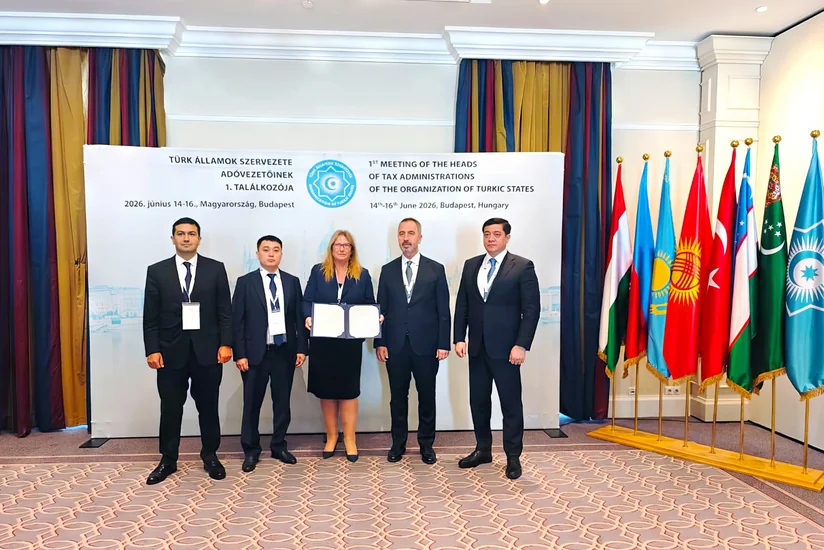
Alliances: As a long-standing member of NATO, a candidate for European Union membership, and an active participant in organizations such as the Organization of Turkic States (OTS), the G20, and the OECD, Türkiye acts as an influential diplomatic mediator and regional power.
Diversified Industrial Hub: Türkiye boasts a robust, diversified emerging market economy driven by advanced manufacturing (automotive, textiles, home appliances, and defense technology), a massive construction sector, and globally competitive steel and petrochemical industries.
Tourism Powerhouse: Ranking among the most visited destinations in the world, the country thrives on vibrant international tourism, drawing millions to landmarks like the historic sites of Istanbul, the fairy chimneys of Cappadocia, the ruins of Ephesus, and the Mediterranean coastline.
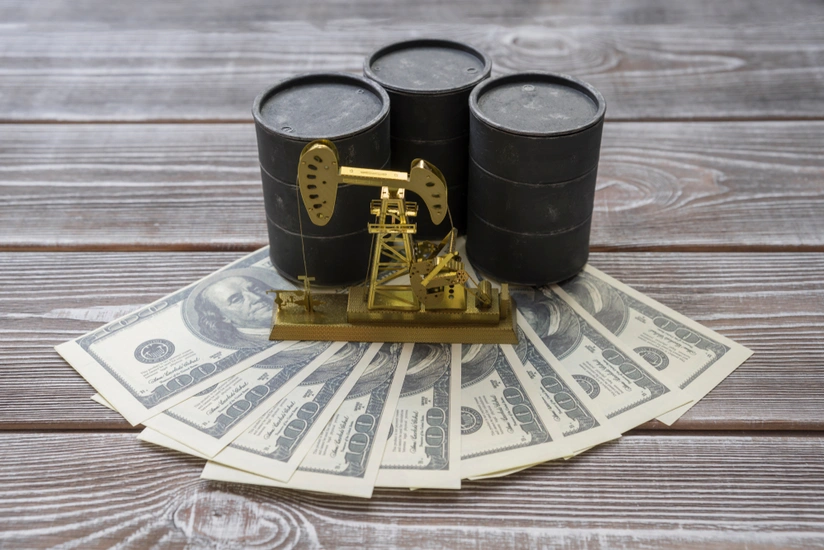
Energy Corridors: The nation serves as an indispensable energy transit corridor, channeling oil and natural gas from Central Asia, the Caspian basin, and the Middle East toward European markets.
Cultural Tapestry: Turkish culture brilliantly fuses Mediterranean, Middle Eastern, Central Asian, and European influences, reflected in its breathtaking architecture (such as the Hagia Sophia and the Blue Mosque), classical arts, and rich literary tradition.
World-Renowned Cuisine: Turkish culinary arts are celebrated globally for their exquisite balance of flavors, featuring signature dishes like kebabs, mezes, baklava, and traditional Turkish coffee and tea culture.

 Baku 14° C