The Organization of Turkic States (OTS) is one of the most influential international structures, founded on shared historical, cultural, linguistic, and civilizational roots. Established initially through the Nakhchivan Agreement in 2009 and transformed into a full-fledged Organization in 2021, the OTS represents a dynamic geopolitical entity. It is no longer just a regional cooperation platform; it has evolved into a strategic force that regulates energy and logistics routes and plays a crucial role in ensuring stability, economic prosperity, and political integration across the Eurasian space.
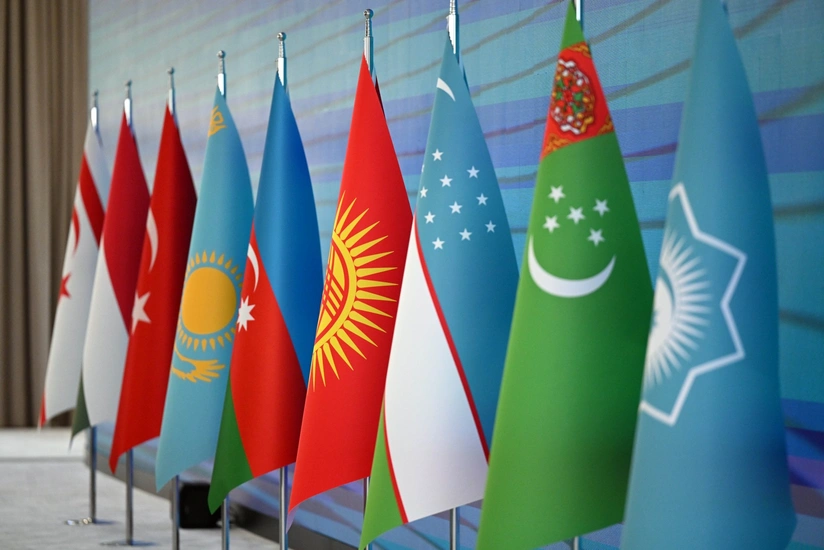
Historical Evolution and Institutional Growth The dream of unity among Turkic peoples dates back to the late 20th century, following the restoration of independence by various Turkic nations. The formalization of this cooperation was a milestone that paved the way for deeper integration. Today, the OTS members—Azerbaijan, Kazakhstan, Kyrgyzstan, Turkey, and Uzbekistan—along with observers such as Hungary, Turkmenistan, and Northern Cyprus, share a level of mutual trust that is rapidly enhancing the organization’s international prestige.
Strategic Goals and Cooperation Framework The activities of the OTS are multifaceted and built upon several core pillars:
Economic Integration: Increasing trade turnover, simplifying customs procedures, and creating a unified investment environment are central tasks. The establishment of the Turkic Investment Fund serves as the financial backbone for these economic initiatives.
Logistics and the Middle Corridor (TITR): One of the most significant contributions of the OTS is the development of the "Middle Corridor" (Trans-Caspian International Transport Route). This route connects the Caspian region directly to global trade systems, serving as a secure, fast, and reliable passage for energy and freight between Asia and Europe.
Energy Security: Leveraging the hydrocarbon resources of the Caspian region, alongside the development of "green energy" potential, remains a core focus of the joint energy policy aimed at ensuring the energy security of the member states.
Cultural and Humanitarian Unity: Through institutions such as TURKSOY, the Turkic Academy (TWESCO), and the Turkic Culture and Heritage Foundation, the organization preserves shared history while promoting modern educational exchanges. This serves as the "soft power" tool of the OTS.
Azerbaijan’s Role and Leadership Mission Azerbaijan is one of the most proactive and influential members of the OTS. By prioritizing digital transformation, infrastructure development, and green energy initiatives, Azerbaijan actively promotes the organization's agenda on the global stage. President Ilham Aliyev’s initiatives during the organization's summits are instrumental in fostering unity and regional stability. The post-conflict reconstruction of Karabakh and Eastern Zangezur, along with the prospects of the Zangezur Corridor, are of decisive importance in completing the geographical integration of the OTS space.
"Turkic World Vision – 2040" The long-term strategic roadmap for the organization is defined by the document "Turkic World Vision – 2040." This vision outlines the long-term goals of strengthening political unity, forming a common economic space, and projecting a unified stance in global international relations. The OTS aims to not only protect the heritage of Turkic peoples but also to equip them with the tools to address the technological and scientific challenges of the 21st century.
Youth and the Digital Future The OTS places immense importance on youth policy. By fostering leadership through educational exchange programs and forums, the organization connects the intellectual potential of the Turkic world. The creation of a "Digital OTS" platform, focused on e-government and cybersecurity, further confirms the organization's commitment to modernization and innovation.
Conclusion: The OTS in the New World Order Today, the OTS is an independent, strong, and self-confident geopolitical subject. Situated at the crossroads of global powers in the heart of Eurasia, the OTS is poised to be a guarantor of peace, cooperation, and balance. The unity of Turkic states is no longer merely a political initiative; it is a historical necessity and a strategic imperative for future development.

 Baku 16° C